Best electric guitars under 1000 euros: the guide for those who don't want to empty their wallet (but not their head either)
Finding a good guitar electric under 1000 euros it's a bit like looking for a needle in a haystack, but with a lot of shiny needles distracting you. There's so much stuff out there, and the temptation to grab the first one that glitters is strong. But trust me, I've spent years making impulse purchases, chasing the deal of the century, and getting ripped off a few times. I've learned that with a budget like this, the trick isn't to find the “perfect” guitar – that doesn't exist at any price – but the right one for you, one that gives you a solid foundation to start from, perhaps from modify over time.
When talking about quality guitars for less than a thousand euros, we are not looking for a desperate compromise. We are looking for instruments that sound good, are reliable on stage or in the rehearsal room, and that won't make you regret every single penny spent. I'm not a luthier with a historic workshop, but someone who has disassembled and reassembled more guitars in his garage than he has played well. I've learned the hard way that a good foundation is everything, and that sometimes, with a few small modifications, an inexpensive instrument can give much more renowned models a run for their money.
In this guide, I have selected four models that, in my opinion and according to the common sentiment of those who play and tinker with them, represent excellent choices in that price range. I won't tell you they are perfect, because none are. I will tell you their pros, their cons, and, above all, who they were designed for. The idea is to help you understand where to put your hands to take home a cheap but valid electric guitar, without nasty surprises.
How we chose these guitars
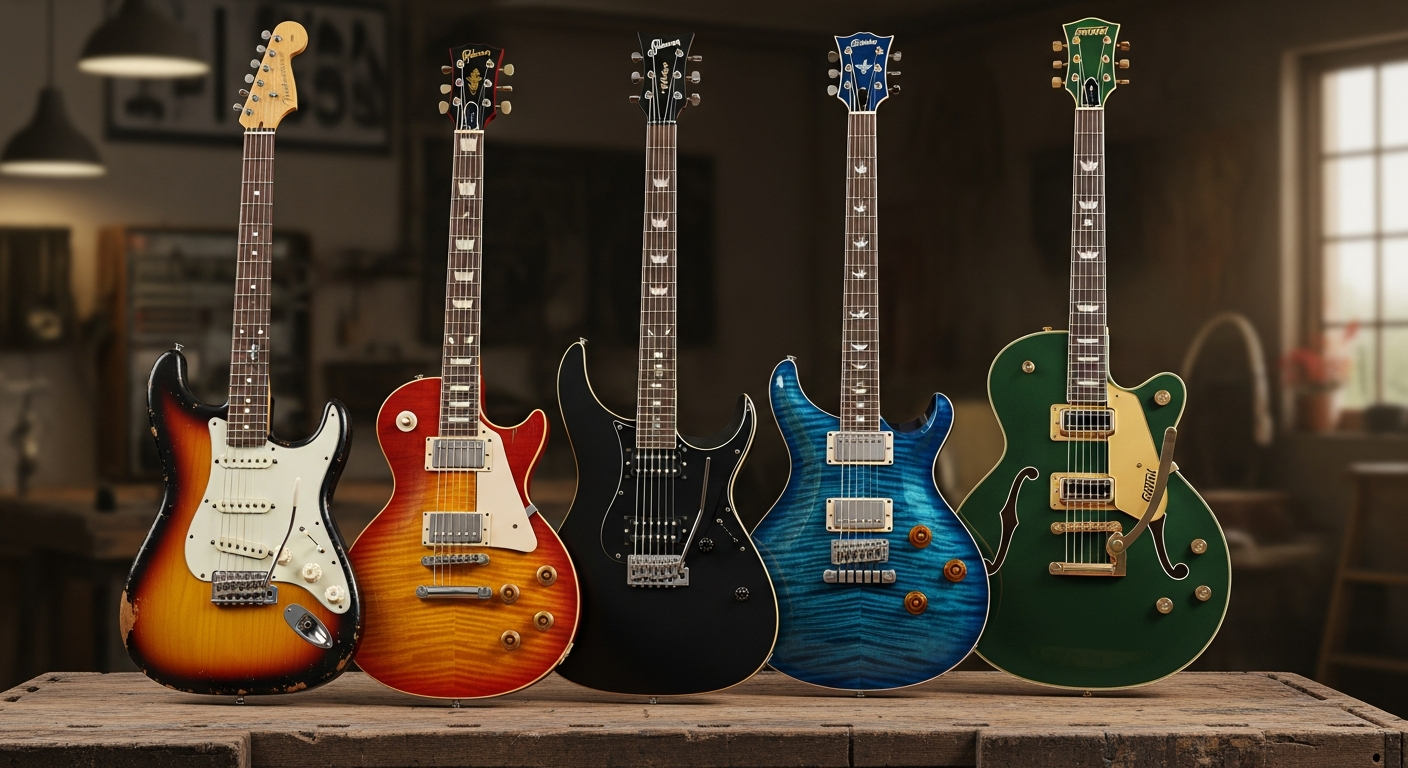
The Squier Classic Vibe is a bit of my workhorse when someone asks me for a electric guitar under a thousand euros that has a soul. I've had several Stratocaster and Telecaster from this series in my hands, and each time I'm surprised by how much they manage to offer at a price that, honestly, is almost embarrassing for the quality. The ’60s Strat is a tribute to historical models, with that vintage look and feel that always make a statement.
The current version of the Squier Classic Vibe ’60s Stratocaster is a nice piece of history intelligently re-proposed.
Body: Nato. This wood, often compared to mahogany for its density and resonance, is an intelligent choice that contributes to a warm and balanced tone, with good sustain. It is light and resonant, a solid base for the Strat sound.
Handle: Maple with a thin and comfortable “C” profile, which fits almost all hands. The glossy vintage-tinted finish makes it feel immediately familiar.
Keyboard: Indian Laurel, with a 9.5-inch radius. It's a common choice for modern Squier guitars, visually similar to rosewood and with a good feel. 21 Narrow Tall frets.
Pick-up: Three Fender Designed Alnico single-coils. These pickups are designed to replicate the classic sound of '60s Stratocasters, with a bright, crystalline tone and that unmistakable “quack” in the intermediate positions.
Stairs: 25.5 inches (648 mm), the Fender standard.
Hardware: Vintage-style synchronized tremolo bridge with steel saddles and narrow tremolo block. Vintage style tuners.
Finish: Gloss polyurethane, available in classic colors like 3-Color Sunburst or Lake Placid Blue.
Relevant construction notes: The attention to aesthetic details is remarkable, from the three-ply pickguard to the aged potentiometers. The truss rod is single-action and adjusts at the headstock.
5 Best JAZZ GUITARS under $1000 - Jazz Guitars ReviewReview by GuitarVersum Sandra Sherman
Popular sentiment
Speaking with those who have tried or owned them, the Squier Classic Vibe ’60s Stratocaster gathers almost unanimous consensus. Many define it as the best Squier ever produced, and that's no exaggeration. The quality-price ratio is its absolute strong point.
“I can't believe it costs so little. It sounds like a Strat worth twice as much.” – common comment on guitarist forums.
Fender Designed Alnico pickups are generally appreciated for their authentic sound and versatility. They are not boutique pickups, obviously, but they do their job admirably. The neck is another plus, comfortable and fast. The fret finish, in the past an Achilles' heel for inexpensive guitars, is almost always decent here, although a slight leveling and polishing can work wonders, as often happens with guitar modifications that I propose.
Complaints? Mainly about the hardware. The vintage-style tuners, while aesthetically faithful, are not always the most precise or stable in terms of tuning. The tremolo bridge, if used intensely, can cause some stability issues. The tremolo block is a bit flimsy, but here too, with a few euros and a bit of patience, a solid steel block can be installed to improve sustain and stability.
Pros and cons in relation to the price (around 400-500 euros)
PROS:
Authentic sound: The Alnico pickups really sound like a Stratocaster, with excellent dynamic response.
Comfortable neck: The “C” profile is a classic for a reason, it adapts to many styles.
Vintage aesthetics: The look is spot on and well-finished, it looks like a higher-end guitar.
Excellent base for modifications: With its price, there's money left over to change pickups, tuners or bridge and transform it into a top-level instrument.
Unbeatable quality-price ratio: Hard to find better for this price.
AGAINST:
Basic hardware: Tuners and bridge are functional but not exceptional. They may require an upgrade for those seeking maximum stability.
Factory Setup: Often requires a complete setup upon purchase to perform at its best (but this applies to almost all new guitars, even more expensive ones).
Fret finish: Sometimes some edges can be a bit rough, but it's easily solvable.
Who it's suitable for / who should avoid it
This electric guitar under 1000 euros is perfect for those looking for the iconic Stratocaster sound without breaking the bank. It's ideal for beginners who want a good starting point, but also for experienced guitarists looking for a reliable second guitar or a platform for modding experiments. If you like blues, classic rock, funk, or any genre that pairs well with a bright single-coil, this Squier will give you a lot of satisfaction.
Who should avoid it? If you're looking for a more aggressive humbucker sound, or a neck with a very flat radius for extreme shredding, you might want to look elsewhere. Also, if you're allergic to the idea of having to do a minimum of tweaking or a future upgrade, perhaps it's not the best choice, even if I tell you that's precisely the beauty of it.
2. Epiphone Les Paul Standard ’50s: the rock sound par excellence
When we talk about electric guitars under a thousand euros with a pure rock soul, the Epiphone Les Paul Standard ’50s is a name that immediately comes to mind. Epiphone has made huge strides in recent years, and this “Inspired by Gibson” series is proof of that. It's no longer the “little sister” with anonymous pickups, but an instrument with its own dignity, capable of standing up to much more expensive guitars. I tried it in the store and it immediately gave me the impression of a “serious” instrument, with a weight and resonance you wouldn't expect in this range.
Technical features
The Epiphone Les Paul Standard '50s is built to replicate the feel and sound of the legendary original Les Pauls.
Body: Solid mahogany, with a maple top. It's not a carved top like high-end Gibsons, but it contributes to the mass and sustain typical of the Les Paul. The weight is considerable, as tradition dictates.
Handle: Mahogany, with a '50s Rounded Medium C profile. It's a chunkier neck compared to modern slim taper profiles, but incredibly comfortable for those with medium or large hands who like to have something to "grab". Indian Laurel fretboard with a 12-inch radius. 22 Medium Jumbo frets.
Pick-up: Epiphone ProBucker-2 (neck) and ProBucker-3 (bridge) humbuckers. These pickups are designed to emulate the legendary PAF (Patent Applied For) Gibson, with Alnico II magnets. They offer a warm, rich sound, with excellent resonance and the right amount of output for rock and blues.
Stairs: 24.75 inches (628.65 mm), the classic Gibson scale.
Hardware: LockTone ABR Tune-O-Matic bridge and Stopbar tailpiece, which contribute to massive sustain. Vintage Deluxe tuners with tulip buttons, with an 18:1 ratio, quite stable.
Finish: Gloss polyurethane, available in iconic colors like Heritage Cherry Sunburst and Metallic Gold.
Relevant construction notes: CTS wiring and Mallory potentiometers, a significant upgrade compared to past Epiphones, which ensures better response and durability. The nut is Graph Tech NuBone.
Popular sentiment
Epiphone's "Inspired by Gibson" series has really hit the mark. The Epiphone Les Paul Standard '50s is seen as one of the best electric guitars under 1000 euros for those who want the feel and sound of a Les Paul without having to sell a kidney. The '50s neck, which can initially be intimidating due to its size, is actually much loved by those seeking a traditional feel and great sustain.
"Finally an Epiphone that sounds and feels like a real Les Paul. The neck is a joy!" – review from a satisfied buyer.
ProBucker pickups are a real surprise. Many guitarists find them more than adequate and don't feel the need to change them immediately, which couldn't be said of Epiphones from a few years ago. They offer that warm crunch and fullness expected from a Les Paul. The overall build quality is high for the price range, with attention to detail that was previously reserved for more expensive instruments.
The criticisms? The weight. Some find it too heavy for long standing sessions, but it's an intrinsic characteristic of the Les Paul design with a mahogany body. Another, more marginal point, is that the maple top is not always spectacularly figured, but at this price it's hard to ask for more. The factory setup, as always, may need some adjustments to make it perfect.
Pros and cons in relation to the price (approx. 600-700 euros)
PROS:
Authentic Les Paul sound: ProBucker pickups and mahogany/maple construction offer a warm, full-bodied tone with great sustain.
“Old-school” neck: The '50s profile is loved by many for its traditional feel and resonance.
Improved components: CTS wiring and Mallory potentiometers are a significant plus for durability and sound quality.
Faithful aesthetics: The look is the classic Les Paul, with well-finished details.
Great value: It comes very close to the feel of entry-level Gibsons at a fraction of the cost.
AGAINST:
Heavy weight: It's not a guitar for everyone, especially for those looking for lightness.
“Chunky” neck: Those with small hands or who prefer slim taper profiles might find it challenging.
Unfigured maple top: If you're looking for a spectacular flamed top, you'll have to go up in price.
Who it's suitable for / who should avoid it
This Epiphone is the ideal choice for those looking for a electric guitar under 1000 euros to play rock, blues-rock, hard rock and similar genres. If you're a fan of the Les Paul sound and love thicker necks, you'll feel right at home. It's perfect for those who want a powerful sound and great sustain. It's also an excellent option for intermediate guitarists looking for a more affordable alternative to a Gibson, without sacrificing too much in terms of quality and feel.
Who should avoid it? If you're looking for a lightweight guitar with a thin, fast neck for shredding, or a more crystalline and twangy single-coil sound, this isn't for you. It's not the most versatile instrument if your repertoire spans many genres requiring different sounds, although a good amplifier and pedals can work wonders.
Enjoying this article? Subscribe to the newsletter: one email a week, zero spam.
3. Yamaha Pacifica 611VFM: the underrated all-rounder
Yamaha is a brand that, in the world of electric guitars, is often underestimated. Yet, they produce instruments of impressive quality and reliability, often at prices that make the competition pale. The Pacifica 611VFM is a clear example of how one can build a electric guitar under a thousand euros that is incredibly versatile, well-built, and with a respectable sound. I myself had a lower-end Pacifica as my first guitar, and it accompanied me for years without a single problem. The 600 series is a significant leap forward.
Technical features
The Pacifica 611VFM is a guitar that combines the best of different worlds, with quality components and an ergonomic design.
Body: Alder with Flamed Maple veneer top. Alder is a classic for Strat-style guitars, offering a balanced tone with good mids and crystalline highs, while the flamed maple top adds a refined aesthetic touch.
Handle: Maple with a "C" profile and Rosewood fretboard. The fretboard radius is 13.75 inches, flatter than a traditional Strat, which makes it comfortable for both chords and bending. 22 Medium frets.
Pick-up: H-S configuration (Humbucker at the bridge, Single-coil at the neck). It features a Seymour Duncan Custom 5 at the bridge (humbucker) and a Seymour Duncan SSL-1 at the neck (single-coil). The Custom 5 offers a powerful and rich sound, while the SSL-1 is a classic vintage single-coil, bright and defined. The tone potentiometer has a push-pull function to split the bridge humbucker, further increasing versatility.
Stairs: 25.5 inches (648 mm), the Fender standard.
Hardware: Wilkinson VS-50-6 bridge (2-point tremolo) and Grover locking tuners. This combination ensures excellent tuning stability, even with moderate tremolo use. The nut is Graph Tech TUSQ.
Finish: Gloss polyurethane, available in various transparent finishes that enhance the flame maple grain.
Relevant construction notes: The quality of the hardware and electronic components is a strong point, with brands like Seymour Duncan, Wilkinson, and Grover being synonymous with reliability. The body ergonomics are excellent, with easy access to the upper frets.
Popular sentiment
The Yamaha Pacifica 611VFM is one of those guitars that, once tried, are hard to let go of. Many call it a “sleeper hit”, meaning an unexpected success. The consensus is very high, especially for its versatility and the quality of its standard components.
“I sold my Fender for this. I wouldn't go back. The Seymour Duncan pickups and locking tuners at this price are a steal.” – testimony from a guitar forum.
The combination of Seymour Duncan pickups is a real ace up its sleeve. It allows you to range from crystalline and bluesy sounds to powerful crunch and incisive leads. The coil-split function then makes it even more flexible. The neck is fast and comfortable, and the tuning stability, thanks to the Grover tuners and Wilkinson bridge, is almost impeccable. It is not a model that requires guitar modifications immediate, it's already great as it is.
Criticisms are few and often subjective. Some might not appreciate the “super-strat” look if they are looking for a more classic aesthetic. The Wilkinson tremolo is good, but it's not a Floyd Rose, so don't expect extreme dive bombs without some retuning. But for normal use, it's more than adequate.
Pros and cons in relation to the price (approx. 700-850 euros)
PROS:
Extreme versatility: The H-S configuration with coil-split covers a vast range of sounds, from blues to rock, from funk to light metal.
High-quality components: Seymour Duncan pickups, Grover locking tuners, Wilkinson bridge are standard on higher-end guitars.
Tuning stability: Excellent thanks to quality hardware.
Solid and ergonomic construction: Comfortable to play, with an excellent overall finish.
Remarkable value for money: Hard to find such a complete package at this price.
AGAINST:
“Super-strat” aesthetic: Might not appeal to those looking for a more traditional look.
Tremolo: Functional but not suitable for extreme use like a Floyd Rose.
Lack of specific “character”: Being so versatile, it can sometimes seem less distinctive than more specialized models.
Who it's suitable for / who should avoid it
The Yamaha Pacifica 611VFM is the electric guitar under 1000 euros ideal for the guitarist who wants no genre limits. If you play in a cover band, or like to switch between different musical styles, this is your secret weapon. It's also perfect for those looking for a reliable and well-equipped instrument that doesn't require immediate upgrades. Excellent for intermediate or advanced guitarists looking for a reliable “workhorse”.
Who should avoid it? If you are a purist of a specific genre (only metal, only vintage blues) and are looking for an instrument with a very distinct aesthetic and sound, you might prefer more specialized options. If the idea of a guitar with a modern design leaves you indifferent, perhaps it's not your first choice.
4. PRS SE Standard 24: the elegance you don't expect
PRS (Paul Reed Smith) is a name that evokes high-quality guitars, often with dizzying prices. But the SE series, produced in Indonesia, has changed the game, making PRS design and quality accessible to many more musicians. The PRS SE Standard 24 is a perfect example of this philosophy. It is a electric guitar under 1000 euros that offers you an elegant look, impeccable playability, and a surprisingly rich sound, without making you mortgage your house. I've tried it several times and each time I'm struck by the care with which it's assembled; it feels like holding an instrument from another category.
Technical features
The PRS SE Standard 24 is a versatile workhorse, with an ergonomic design and well-chosen components.
Body: Solid mahogany. Contributes to a warm and resonant sound, with excellent sustain, typical of PRS guitars. The body is thin and light compared to other mahogany guitars.
Handle: Maple with Wide Thin profile, very comfortable and fast, ideal for those with medium to large hands who prefer a wider but thin neck. Rosewood fretboard with a 10-inch radius and the classic PRS “birds” inlays. 24 Medium Jumbo frets.
Pick-up: Two PRS 85/15 “S” humbuckers (bridge and neck). These pickups are designed to offer a wide tonal range, from crystal-clear cleans to powerful and defined crunch. The tone potentiometer is push-pull to split both humbuckers into single-coils, multiplying the sonic possibilities.
Stairs: 25 inches (635 mm), the typical PRS hybrid scale, which offers a good balance between Fender string tension (25.5″) and Gibson sustain (24.
To provide the best experiences, we use technologies such as cookies to store and/or access information on your device. Consent to these technologies will allow us to process data such as browsing behavior or unique IDs on this site. Not consenting or withdrawing consent may negatively impact certain features and functions.
Functional
Always active
Technical storage or access is strictly necessary for the legitimate purpose of enabling the use of a specific service explicitly requested by the subscriber or user, or for the sole purpose of carrying out the transmission of a communication over an electronic communications network.
Preferences
Technical storage or access is necessary for the legitimate purpose of storing preferences that are not requested by the subscriber or user.
Statistics
Technical storage or access which is used exclusively for statistical purposes.Technical storage or access that is used exclusively for anonymous statistical purposes. Without a subpoena, voluntary compliance by your Internet Service Provider, or additional records by third parties, the information stored or retrieved for this purpose alone cannot usually be used for identification.
Marketing
Technical storage or access is necessary to create user profiles for sending advertising, or to track the user on a website or across different websites for similar marketing purposes.
To provide the best experiences, we use technologies such as cookies to store and/or access information on your device. Consent to these technologies will allow us to process data such as browsing behavior or unique IDs on this site. Not consenting or withdrawing consent may negatively impact certain features and functions.
Functional
Always active
Technical storage or access is strictly necessary for the legitimate purpose of enabling the use of a specific service explicitly requested by the subscriber or user, or for the sole purpose of carrying out the transmission of a communication over an electronic communications network.
Preferences
Technical storage or access is necessary for the legitimate purpose of storing preferences that are not requested by the subscriber or user.
Statistics
Technical storage or access which is used exclusively for statistical purposes.Technical storage or access that is used exclusively for anonymous statistical purposes. Without a subpoena, voluntary compliance by your Internet Service Provider, or additional records by third parties, the information stored or retrieved for this purpose alone cannot usually be used for identification.
Marketing
Technical storage or access is necessary to create user profiles for sending advertising, or to track the user on a website or across different websites for similar marketing purposes.





 English
  Italiano
Stuck on your build?
If you ran into the same problem or have a question, drop it in the comments. I read and reply to every one.
Write a comment