

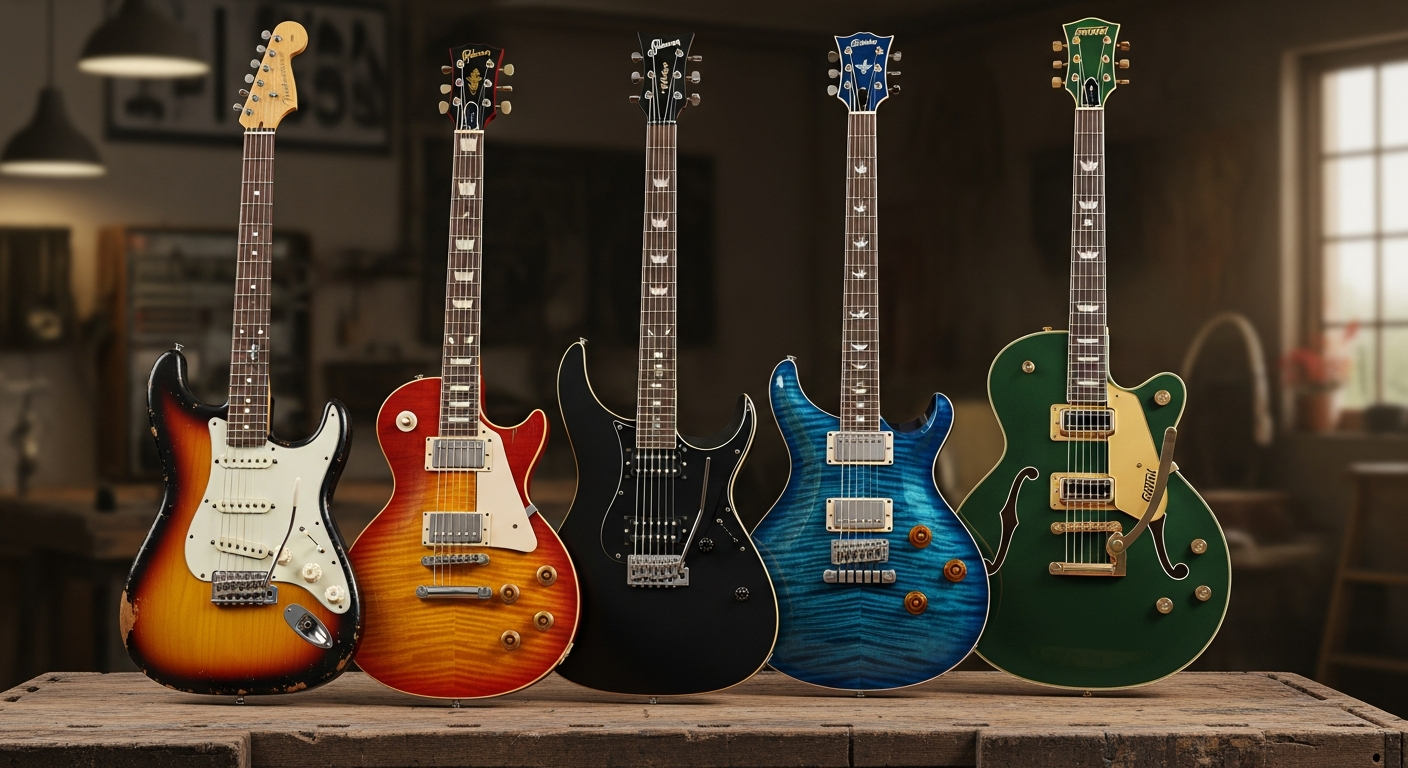
What is the best prog guitar? Practical guide
When talking about “guitar prog”, the first thing that comes to mind is a chorus of voices shouting “it depends!”. And you know what? They're right. There is no there definitive guitar for progressive music. It's like asking what the best tool for DIY is: it depends on whether you need to screw in a screw or cut a piece of wood. But if you're here, you probably have a half-idea in mind, a budget, and the desire to understand what Really you need to tackle those broken rhythms and solos that seem to come from another dimension.I've spent years tinkering in my garage, installing pickups, routing bodies, and getting frustrated with floating bridges. I bought guitars that on paper seemed perfect for prog, and then I discovered that the neck didn't fit me perfectly or that the stock pickups were more “meh” than “wow”. The idea is this: I want to help you avoid my mistakes, or at least understand Why you might make a certain type of mistake, so you can turn it into learning.
For me, a good guitar for progressive rock or metal is not just an instrument. It's an extension of your creativity, a Swiss Army knife that must be able to adapt to a thousand different situations: heavy riffs, delicate arpeggios, fast solos, clean and distorted passages. It must be versatile, reliable and, above all, it must make you want to play it for hours.
What are we looking for in a guitar for progressive music?
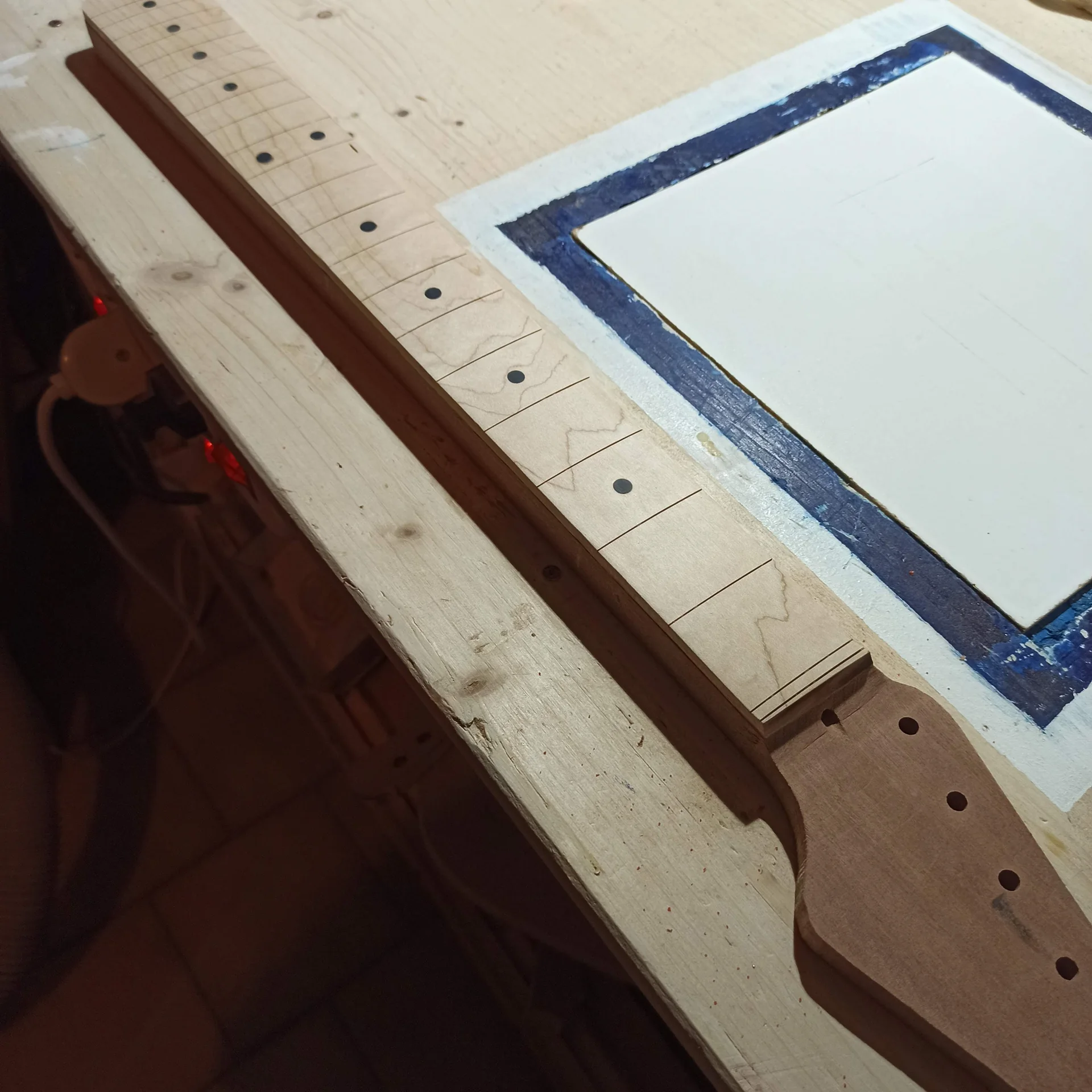
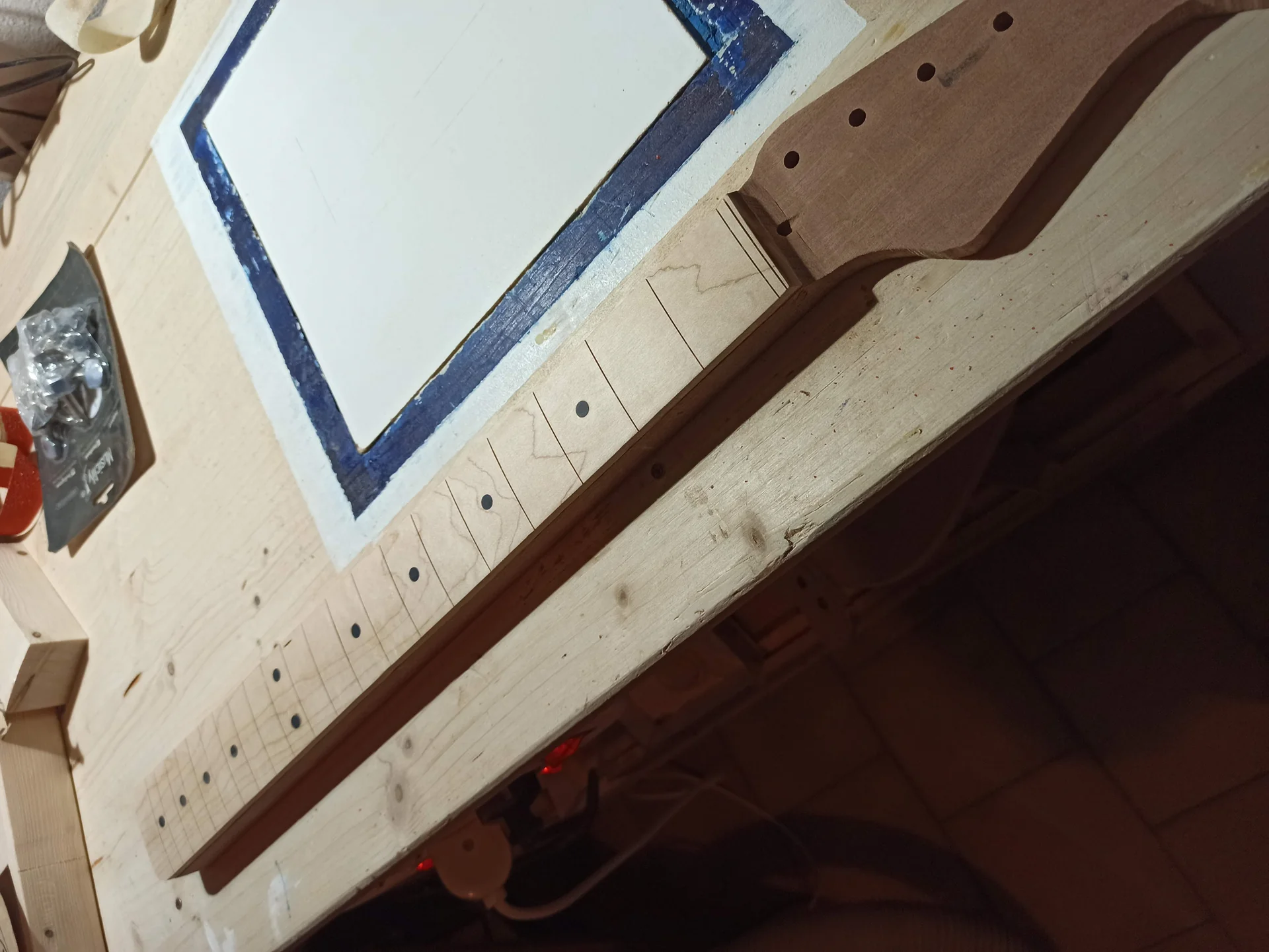
This is the classic dilemma. We'd all love a Kiesel custom or a Music Man JP, but the bank account is crying. The good news is that the market offers many valid options even without breaking the bank. The trick, in my opinion, is to look for a guitar that has a solid base and is “modifiable”. One that perhaps doesn't sound perfect right out of the box, but with a bit of work modification and upgrade can turn into a real prog monster. Over the years, I've seen that brands like Ibanez, Schecter, Jackson, Cort, and Yamaha offer instruments with a really excellent quality-price ratio. They often have excellent necks, decent hardware, and great basic lutherie. The weak point, almost always, are the stock pickups. But those can be changed!
My choice to start: Ibanez RG421EX (or similar from the RG series)
If I had to recommend a guitar to a friend who wants to delve into the world of prog without mortgaging the house, I would tell him to look carefully at the Ibanez RG series, and in particular at models like the Ibanez RG421EX. Why? Because it's a workhorse, a modern classic, and offers a very solid base to build upon. It's not the most expensive guitar, it's not the one with the coolest pickups, but it's the one that allows you to start playing Truly prog.

Technical specifications of the Ibanez RG421EX
Let's talk for a moment about what's under the hood of this Ibanez, with data in hand. Body: Meranti. It is a wood that sits between mahogany and basswood in terms of density and resonance. It offers a balanced sound, with good sustain and a fairly neutral frequency response, which makes it a good blank canvas for pickups.Handle: Wizard III Maple. This is the true strong point of Ibanez for many. The Wizard III profile is thin, flat, and super fast. Maple offers stability and a bright attack.
Keyboard: Jatoba, 24 Jumbo frets. Jatoba is a dense and resistant wood, often compared to rosewood for its characteristics. The 24 Jumbo frets are perfect for the speed and expressiveness required by prog.
Stairs: 25.5″ (648mm). The standard Ibanez scale, excellent for note definition and string tension.
Pick-up: Quantum H-H (passive). These are Ibanez's stock humbuckers for more accessible price ranges. They offer decent output and are versatile, but as we will see, they are often the first component many guitarists change.
Bridge: F106 (fixed). A modern, robust, and simple fixed bridge. It guarantees excellent tuning stability and good sustain, without the headaches of a Floyd Rose.
Mechanics: Standard Ibanez. They work, but they are not locking. A potential future upgrade.
Finish: Satin (matte). It is often found in black or other matte colors. It is durable and offers a pleasant feel to the touch.
Relevant construction notes: The neck-body joint is well-shaped for easy access to the upper frets. The electronics are simple but functional, with a 5-way selector that allows different pickup combinations (bridge, bridge+split middle, middle, middle+split neck, neck).
For complete specifications, you can take a look at the official Ibanez page: [Ibanez RG421EX](https://www.ibanez.com/eu/products/detail/rg421ex_00.html) (Note: specific details such as body wood may vary slightly depending on the year of production or market, but meranti is the most common choice for current models).
Popular sentiment: what guitarists say (and what I've noticed)
I've scoured forums, Facebook groups, YouTube reviews, and talked to a lot of people who, like me, deal with guitars. The general consensus on the entry-level RG series, including the RG421EX, is quite clear: The neck is a blast: Almost everyone praises the Wizard III neck. “It's super fast”, “you fly on it”, “comfortable even for hours”. It's the main reason many choose it. And I must say that, even though I have fairly large hands, that thin profile has always allowed me to do things that were more difficult for me on other necks.Excellent basic lutherie: The meranti body and general construction are considered solid for the price. “An excellent base for upgrades”, is often read. There are no major structural flaws, the frets are generally well-placed and finished (although a little filing on the edges, as with almost all guitars in this range, never hurts after a while).
The Quantum pickups… meh: , mind you. They do their job, have sufficient output, and are versatile thanks to the 5-way selector. But for more defined, articulate, or aggressive prog sounds, many find them “a bit flat”, “lacking character”, or “muddy” on high gain. The recurring phrase is “they are the first thing to change”. I myself, on my first Ibanez, immediately put in a set of DiMarzio. bad, mind you. They do their job, have sufficient output, and are versatile thanks to the 5-way selector. But for more defined, articulate, or aggressive prog sounds, many find them “a bit flat”, “lacking character”, or “muddy” on high gain. The recurring phrase is “they are the first thing to change”. I myself, on my first Ibanez, immediately put in a set of DiMarzio.
Fixed bridge: love or hate: For those seeking stability and simplicity, the F106 bridge is a plus. Zero tuning problems, zero hassle with the setup. For those accustomed to dive bombs and extreme vibratos, the absence of a tremolo can be a limitation. But for many, especially those approaching prog, a fixed bridge is a blessing.
Value for money: The strong point. People are surprised by how much you get for the money spent. It is seen as a battle-ready, reliable guitar that allows you to focus on technique without worrying too much about the instrument.
Pros and Cons of the Ibanez RG421EX in relation to the price
Let's make things clear, without too many words.PROS:
- Wizard III Neck: Simply exceptional for speed and comfort. If you like thin necks, this is a
AGAINST:
- Quantum Pickups: They are the Achilles' heel. If you are looking for extremely defined, powerful tones or with a specific character for modern prog metal, you will probably feel the need to change them soon. They are not a disaster, but they do not excel.
- Absence of tremolo: If your style involves the massive use of a Floyd Rose type vibrato, this guitar is not for you. The fixed bridge is an advantage for stability, but a limitation for those who want a tremolo.
- Standard tuners: They work, but locking tuners would be a big step forward for stability and string changing speed. It's an upgrade I highly recommend.
- Matte finish: Although it is durable and beautiful, satin finishes tend to “polish” in areas of greater contact (under the arm, where the hand rests) with intense use. It's just an aesthetic factor, but it can bother some people.
Who is the Ibanez RG421EX suitable for? Who should avoid it?
Let's summarize to understand if this instrument is right for you.This guitar is perfect for:
- The prog guitarist who wants to start (or upgrade) on a limited budget. It offers you a great starting point without breaking the bank.
- Those looking for a fast and comfortable neck. If you love thin profiles, this is your weapon.
- The DIYer and l’hobbyist who loves to customize. It's an excellent blank canvas for experimenting with different pickups, custom wiring, or other modifications. If you like to get your hands dirty, you'll have fun here.
- Those who prefer the stability of a fixed bridge. No stress with tuning and setup.
- Those who play genres that require sonic versatility, but not necessarily the “top” out-of-the-box tone. From rock to metal, passing through fusion and progressive.
Better to avoid it if:
- Looking for the definitive “plug-and-play” sound without modifications. The stock pickups might disappoint you if you already have an ear trained to more renowned pickups.
- You can't do without a Floyd Rose type tremolo. It's not there and cannot be easily added.
- You have very large hands and prefer chunkier necks. The Wizard III is thin, it might not be for everyone.
- You want super precious woods or glossy and brilliant finishes. This is a battle guitar, not a jewel to display (even if it's still beautiful in its own way).
Alternatives to keep an eye on
If the Ibanez RG421EX doesn't quite convince you, or you want to explore other options in the same price range (or slightly higher), here are some alternatives I've often seen recommended and that, from personal experience or friends', are valid. Schecter Omen Extreme 6: Often equipped with Schecter Diamond Plus pickups (similar to Quantum, but with their own character), figured maple top, and a slightly thicker neck than the Ibanez but still comfortable. It has a fixed bridge or a Floyd Rose Special tremolo, depending on the model. Excellent value for money, a more aggressive look.Jackson Dinky (JS32 DKA, or JS32Q DKA): Here too, fast necks, 24 frets, stock humbuckers (often Jackson High-Output) and often a Floyd Rose Licensed. These are very aggressive guitars, metal-oriented, but with an excellent base for prog. The pickups here are definitely more oriented towards high gain.
Cort X300 or X500: Cort has made giant strides in recent years. They offer models with branded pickups (e.g., Duncan Designed or EMG) and quality hardware (e.g., Floyd Rose Special bridges) at incredible prices. The X300 and X500 are very popular for their value for money and performance.
Charvel Pro-Mod San Dimas/So-Cal (used): If you can find a used one at a good price, Charvels are fantastic. Spectacular necks, stock Seymour Duncan humbuckers, and quality Floyd Rose bridges. It might be a bit out of budget for a new purchase, but used is a valuable resource.
Remember that every guitar, even the cheapest one, can be improved. A good setup, fresh strings, and a little attention to detail can work wonders.
Final advice: try, fail, learn
In the end, the best prog guitar for you it will be the one that inspires you to play more. There is no single answer. My experience has taught me that it's better to start with a solid base, like the Ibanez RG421EX, and then, as you refine your ear and your style, invest in targeted upgrades. Don't be afraid to get your hands dirty. Changing pickups, adjusting the action, maybe even doing a refret later on... these are all experiences that will make you understand your instrument better. And if I succeeded, having made a lot of messes before getting it right, you can do it too.Prog is a musical journey, not a destination. And your guitar should be the perfect companion for that journey, adapting and growing with you. So, choose with your head, but also a little with your heart. And then, play, play, play.
 English
  Italiano