Squier CV ’60s Stratocaster: Review and Buying Guide
So, let's get comfortable. Let's talk about a guitar that, in recent years, has made quite a stir in the world of enthusiasts and “garage luthiers” like me. I'm talking about the Squier Classic Vibe '60s Stratocaster.
If you're here, it's likely you have a budget, but you don't want to give up a certain standard. Maybe you're tired of those toy guitars that make you lose the desire to play, or maybe you already have a low-end guitar and feel it's time for a small upgrade, without breaking the bank for a Fender Made in USA.
The problem, often, is understanding if such a talked-about model truly lives up to expectations. You read everything online: “it sounds like a Fender worth thousands of euros”, “it's perfect right out of the box”, but also “it needs a lot of work to sound good”.
So, let's put things in order. I won't tell you tall tales, I'm not here to sell you anything. I've had several of these Squier Classic Vibe guitars in my hands, some I've modified from top to bottom, others I've only thoroughly tested. And I'll tell you right away: it's a guitar with enormous potential, but with some “ifs” and “buts” that are good to know.
The point is not whether this guitar is “good” in absolute terms, but whether it is “good for you“, based on your needs, your budget, and your willingness to get your hands on it. If you're looking for a guitar that plays decently and is a solid base for future upgrades, then the Squier Classic Vibe '60s Stratocaster could be your next adventure companion. If, on the other hand, you expect the plug-and-play perfection of a 2000 euro guitar, well, it's better to prepare for some compromises.
Let's see together what this guitar offers, what people are saying (and what I've noticed), and above all, if it's the right purchase for you.
Technical Features: What We Find Under the Hood
Before delving into the heart of the review, let's take a look at the technical specifications of this Squier Classic Vibe '60s Stratocaster. Knowing the materials and components is fundamental to understanding the intrinsic value of the instrument and its potential.
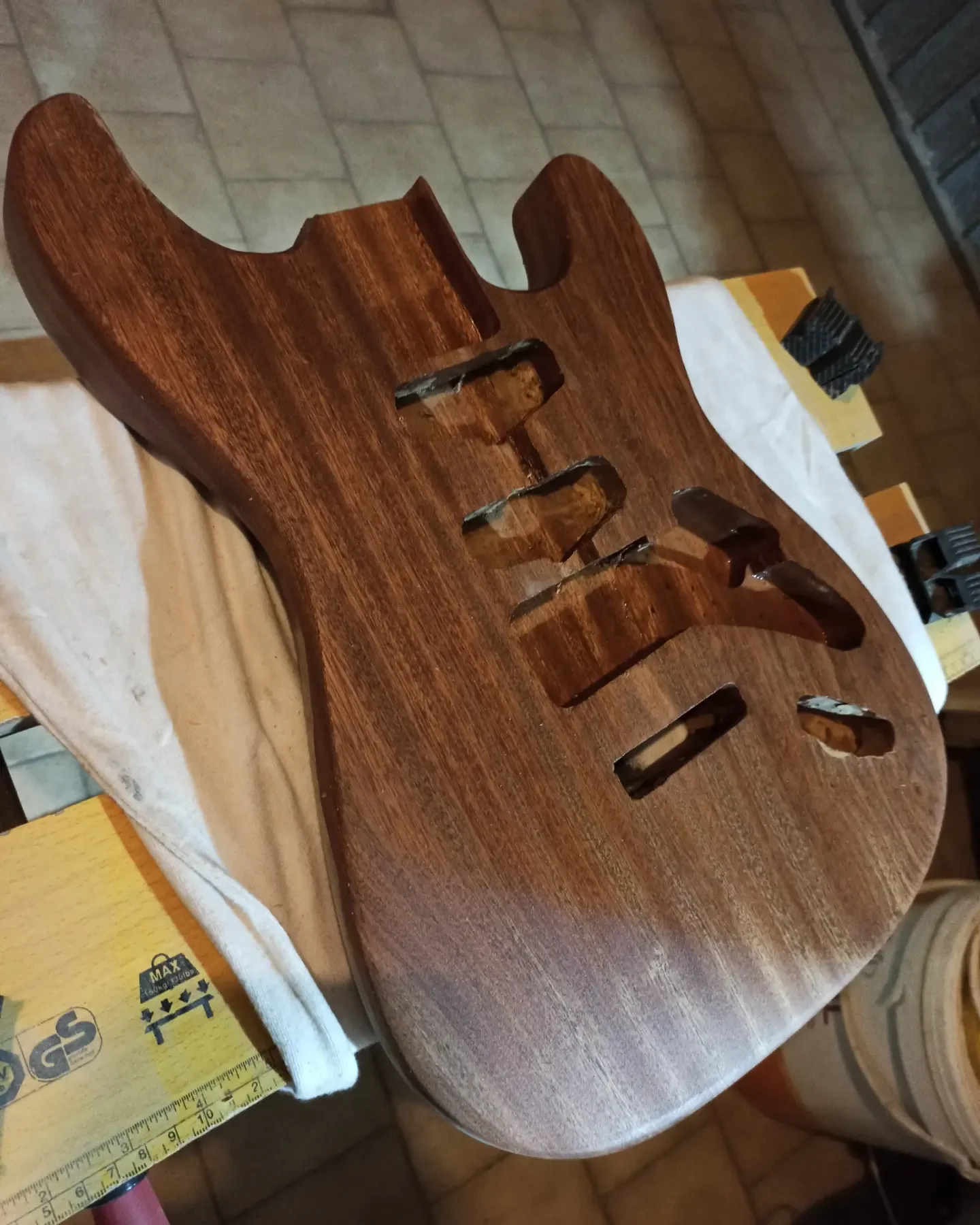
Body: Mahogany (in some more recent models, Nyatoh). Mahogany offers a warm and full-bodied sound, with good sustain. Nyatoh, although sometimes criticized by purists, is a light and resonant wood that offers a balanced tone, often with a good dose of brightness. The choice of body wood has a significant impact on the overall sound, imparting warmth and depth.
Handle: Maple. The maple neck is a standard for Stratocasters, known for imparting attack, brightness, and sustain. The profile is usually a comfortable “C”, which fits most hands well.
Keyboard: Indian Laurel or Maple, depending on the finish color. Indian Laurel is a sustainable alternative to rosewood, with similar tonal and tactile characteristics. The fretboard radius is typically 9.5 inches (approximately 241 mm), which offers a good compromise between ease of bending and comfort for chords.
Stairs: 25.5 inches (approximately 648 mm). This is the standard Fender scale, which contributes to that particular string tension and the defined, bright sound typical of Stratocasters.
Keys: 21 Narrow Tall frets. These frets are ideal for those who do a lot of bending and vibrato, allowing fingers to “grip” the strings with ease. They are also high enough to ensure good string contact and a clear sound.
Capo: Bone. A significant detail! The bone nut improves sustain and tuning stability compared to plastic, allowing the strings to slide more freely.
Mechanics: Vintage-style. These tuners, despite having a retro look, are functional but do not always offer the precision and stability of more modern locking tuners.
Bridge: Vintage 6-screw tremolo. This type of bridge allows the use of the vibrato arm to create expressive effects. The six screws offer good anchoring to the body, but the quality of the components (saddles, block) is typical of a guitar in this range.
Pick-up: 3 Fender-designed single-coil pickups. These Alnico V pickups are often praised for their bright, dynamic, and harmonically rich sound, which captures the classic Stratocaster tone well.
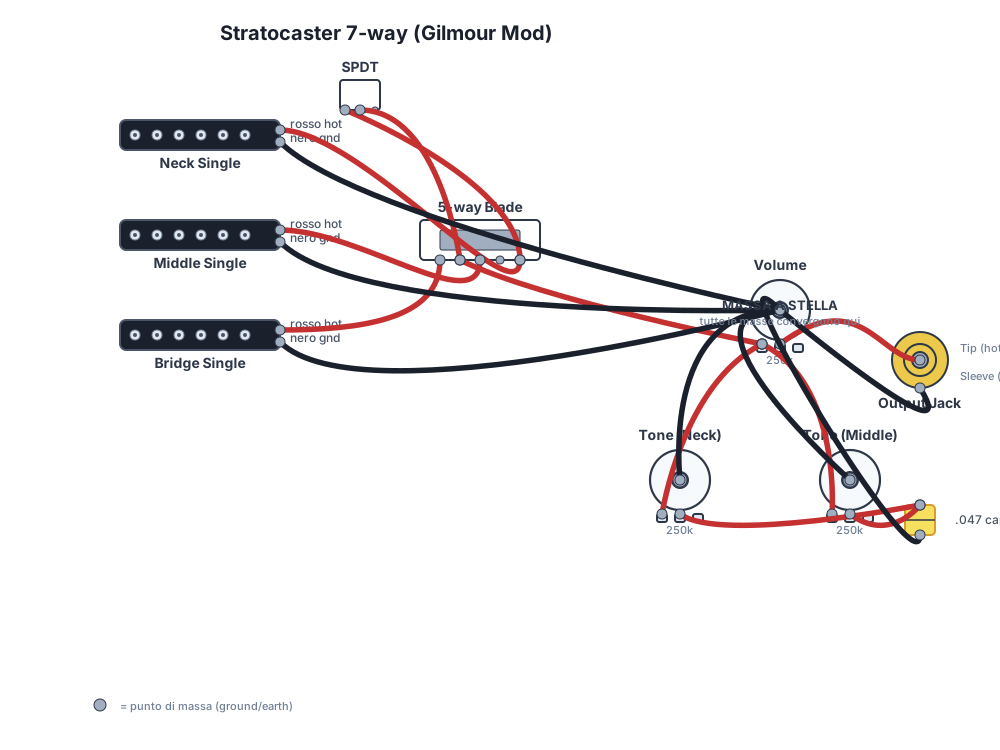
Electronics: 5-way selector, one volume potentiometer, and two tone controls (one for the neck pickup and one for the middle pickup). The stock electronics are functional but can be improved for greater clarity and reliability.
Finish: Available in various classic colors (e.g., Olympic White, Black, 3-Color Sunburst, Sherwood Green Metallic), with a 3-ply pickguard (Mint Green or White, depending on the body color).
Relevant Construction Notes: Production is usually in Asia (Indonesia or China). Attention to detail is generally good for the price range, but as we will see, there are areas where improvements can be made to further enhance the instrument.
[GRIGLIA FOTO] Now, let's move on to the most interesting part. What is really being said about this guitar on forums, social groups, and among those who bought it and perhaps worked on it? The “popular sentiment” on the Squier Classic Vibe '60s Stratocaster is almost unanimous: an incredible value for money, but with reservations.
The Positive Sides (and Why Everyone Talks About It Well)
Advertisement
Squier Classic Vibe 60s Stratocaster Electric Guitar, Candy Apple Red | Beginner to intermediate electric guitar, vintage 60s Strat tone, laurel fingerboard, 2-year warranty, Fender pickups
[BOX AFFILIAZIONE] The thing that immediately stands out, and is praised by almost everyone, is the pickup sound. Those Alnico V single-coils really have character. They are not sterile, they are not flat. They have the right brightness, a nice “quack” in the intermediate positions, and good dynamics. For a guitar under 500 euros (and often found for less on offer), it's a remarkable result. Many say they don't feel the need to change them, at least not immediately. The handle is another strong point. The “C” profile with a 9.5-inch radius and Narrow Tall frets is a winning combination. It's comfortable, fast, and more forgiving than ultra-vintage necks. Those who play a lot of lead or do a lot of bending particularly appreciate it. The playability feel is often compared to higher-end guitars. Theaesthetics. Squier has done a great job recreating the look of the Stratocaster 60s. The vintage finishes, the three-ply pickguards, the classic colors: everything contributes to giving the impression of holding an instrument that is worth much more. It's a guitar that “looks the part”. The bone nut is a detail that doesn't escape the most attentive eyes. It's an upgrade that many mid-range guitars don't have as standard, and it helps improve sustain and tuning stability (provided it's cut well, but we'll get to that).
Squier Classic Vibe - As Good as a Real Vintage Strat?Review by Andertons Music Co
The Negative Sides (and Where Intervention is Often Needed)
Alright, now let's move on to the “buts”. No budget guitar is perfect, and the Squier Classic Vibe '60s Stratocaster is no exception. The most frequently cited critical points by users are:
1. The Tremolo and Tuning Stability
This is perhaps the most common and most complained about flaw. The vintage 6-screw tremolo bridge is often a bit “stiff” and the saddles may not be of excellent quality. But the main problem is the tuning stability, especially if the tremolo is used with some emphasis. The causes are multiple:
The vintage-style tuners are not locking and sometimes don't hold well.
The nut, despite being bone, is not always perfectly cut. The strings can get stuck in the slots, causing tuning problems.
The tremolo springs and the block in general can be improved.
Many solve this with a good professional setup, thoroughly lubricating the nut and bridge contact points, and perhaps replacing the tuners with a higher quality locking set. It's not a major flaw for those who only use the bridge for light vibrato, but if you're a “whammy bar hero”, be prepared to work on it.
2. The Frets and Their Finish
The Narrow Tall frets are excellent for playability, but their finish from the factory can be a bit rough. It's not uncommon to find sharp fret edges or frets that are not perfectly leveled. This can make playing uncomfortable or cause “fretting out” in some areas of the fretboard. A good luthier (or yourself, if you have the tools and patience) can solve these problems with a fret leveling, crowning, and polishing operation. It's a job that can completely transform the playability of the neck, but it comes at a cost if you have it done.
3. The Internal Electronics
The potentiometers and 5-way switch, while functional, are of standard quality. Sometimes they can be a bit noisy, or less smooth in use compared to better components. Output jacks can also sometimes cause intermittent contact problems after a while. For those who want a more transparent sound or greater reliability, replacing potentiometers, capacitors, and the switch is a common and relatively inexpensive upgrade. Here we enter the realm of classic modifications, where with a few euros you can make a significant leap in quality.
4. The Body Wood (Nyatoh/Mahogany)
As mentioned, Nyatoh or Mahogany are not alder. For most guitarists, especially at this level, the difference is minimal or imperceptible in the mix. However, sound purists Stratocaster might notice a slightly different tone, perhaps with a bit less “air” or “bell-like” quality compared to alder. It's a matter of personal preference and a very trained ear. This is an aspect that can hardly be “modified”, except by directly changing the body. But for 90% of users, it's not a real problem.
Pros and Cons in Relation to Price
Let's now analyze the pros and cons of the Squier Classic Vibe '60s Stratocaster always keeping in mind its purchase price (which ranges between 350 and 450 euros, depending on offers and the period). This is fundamental, because a tolerable defect on a 400 euro guitar becomes unacceptable on a 1000 euro one.
PRO
Unbeatable Quality-Price Ratio: This is the absolute strong point. For the price it costs, it's difficult to find a new instrument with such convincing sound, playability, and aesthetics.
Excellent Pickup Sound for the Price Range: The Alnico V pickups are a real surprise. They offer that authentic tone Stratocaster authentic that many seek, without having to spend crazy amounts. They are dynamic and responsive.
Comfortable Neck and Fretboard: The “C” profile, 9.5″ radius, and Narrow Tall frets make the neck very comfortable and fast. It's a joy to play, both for chords and solos.
Accurate Vintage Aesthetics: The attention to aesthetic details is commendable. Classic colors, chrome hardware, pickguard: it looks like a guitar of a much higher caliber.
Bone Nut: A small but significant upgrade that improves sustain and, if well worked, tuning stability.
Ideal Platform for Modifications: If you like DIY, this guitar is a fantastic blank canvas. With a few targeted interventions (tuners, electronics, setup), you can transform it into an instrument that competes with much higher-end guitars. Perfect for those who want to learn electric lutherie without the fear of ruining something too expensive.
AGAINST
Improvable Tuning Stability: The tremolo and tuners are not the most precise. If you use the bar a lot, be prepared to retune often or make upgrades.
Fret Finish: It often requires professional leveling and polishing to achieve maximum playability. It's an additional cost to consider.
Basic Electronic Components: Potentiometers and switches work, but they are not premium. They can feel a bit ’ “cheap” to the touch and over time could cause some minor problems.
Non-Premium Bridge Hardware: The saddles and tremolo block are functional but not high quality. They can slightly affect sustain and overall resonance.
Variable Quality Controls: Being an economical mass production, there can be small variations in build quality between one example and another. It's always best to try it or buy it from a retailer with a good return policy.
Enjoying this article? Subscribe to the newsletter: one email a week, zero spam.
Who Is the Squier CV ’60s Stratocaster Suitable For?
This guitar is not for everyone, but for a very specific audience, it's a real bargain.
It's Your Guitar If:
You Are a Serious Beginner: You've started playing and want an instrument that gives you a “real” sound and feel, without wasting money on guitars that look like toys. This Stratocaster will give you a solid foundation to grow.
You Are an Intermediate Guitarist on a Budget: You want a second instrument, a guitar to take around without too many worries, or simply a cheaper alternative to your “good” Fender. The sound is definitely up to par for live performances in small settings or for home recordings.
You Love DIY and Modifications: This is its ideal playground. If you like tinkering, changing pickups, improving the hardware, doing the setup yourself, the Classic Vibe ’60s is the perfect platform. With a few euros of upgrades (tuners, bridge, electronics, a good setup), you can have a guitar that sounds and feels like one three times more expensive. It's the ideal test bench for learning electric lutherie without too many risks.
Looking for Vintage Stratocaster Tone at Low Cost: If you're in love with the ’60s Stratocaster sound but don't have the money for an American Vintage or Custom Shop, this Squier gets you very close to that tone.
You Need a “Workhorse Guitar”: A reliable instrument for rehearsals, for playing in situations where you don't want to risk your more expensive guitar, or simply to have a different option.
Who Should Avoid It?
Despite all its merits, there are situations where this guitar might not be the best choice.
Better Look Elsewhere If:
You Expect “Plug-and-Play” Perfection: If you want a guitar that, straight out of the box, is perfect in every respect (rock-solid tuning, impeccable frets, silent electronics), you might be disappointed. It almost always requires a good initial setup, and sometimes some minor adjustments.
You Don't Intend to Get Your Hands Dirty: If you're not interested in DIY and don't want to spend more money on a luthier to fix small flaws, you might find the tuning stability or fret finish frustrating.
You are a Wood and Premium Materials Purist: If for you a Strat must be strictly in alder or ash, with a rosewood fretboard, and only original Fender hardware, then Nyatoh/Mahogany and Indian Laurel might not satisfy you.
You Have a Higher Budget and Are Looking for the Top: If you have one or two thousand euros to spend, there are Fender Made in Mexico or Made in USA guitars that offer a superior level of finish, hardware, and sound, with fewer compromises.
You Can't Stand Small Factory Flaws: If you are a person who gets annoyed by a slightly rough fret edge or a not-so-precise tuning machine, then perhaps you should aim for a higher-end model with more stringent quality control.
Final Advice and Alternatives
There Squier Classic Vibe '60s Stratocaster It is, in my opinion, one of the best “advanced entry-level” guitars on the market. It's not a toy, it's a serious instrument with a soul.
My Advice
If you are in the “who it's suitable for” category, don't hesitate. But pay attention to two things:
Try the specific instrument: If possible, try the guitar before buying it. Check the neck, frets, tuning stability. Each unit can have small differences.
Factor in a Setup: As soon as you bring it home, or immediately after purchase, take it to a good luthier for a complete setup. Have them check the frets, truss rod adjustment, string height, and intonation. Often this small investment (50-80 euros) transforms the guitar from “good” to “excellent”. If you then feel like tinkering with it, you can do it yourself, and it's a great learning experience.
With a good setup and maybe some small future upgrades (locking tuners, a set of CTS potentiometers and an Orange Drop capacitor), this Squier can truly compete with guitars that cost double or triple. I've seen it done, I've done it myself. It's a guitar that grows with you.
Alternatives to Consider
If the Squier CV ’60s Stratocaster doesn't quite convince you, here are some alternatives in the same price range or slightly higher:
Squier Classic Vibe ’50s Stratocaster: If you prefer a one-piece maple neck and brighter pickups, with a more “50s” tone, this is an excellent alternative. It offers a slightly different but equally valid feel.
Yamaha Pacifica 112V: Often cited as the “best beginner guitar”, it offers very consistent build quality, a comfortable neck, and an HSS configuration (humbucker at the bridge, single-coil in the middle and neck) that makes it more versatile. It doesn't have the vintage look of the Squier, but it's a reliable workhorse and often more “ready to use” without the need for immediate setups.
Harley Benton ST-62: If the budget is even more limited and you're willing to get your hands on everything (and I mean All), Harley Benton can be an incredibly cheap base for a modification project. But there, the work to be done is much more and the starting quality is generally lower than the Classic Vibe.
Fender Player Series Stratocaster (used): If you can find a used Fender Player Series in good condition and at a good price (around 500-600 euros), it could be a step up in terms of hardware and finishes, without spending a fortune. It's the next step in terms of build quality and materials.
Ibanez GRG/GRX Series: If you are more oriented towards rock or metal sounds, entry-level Ibanez offer thinner and faster necks, more aggressive pickups, and often floating tremolo bridges (like the Floyd Rose Special). Less “vintage Strat”, more “modern rock machine”.
Ultimately, the Squier Classic Vibe '60s Stratocaster it's an honest guitar. It gives you a lot for what it costs, but it asks for a bit of attention and, if you feel like it, the possibility to customize it. If you're ready for this, it will give you great satisfaction. If I managed to make certain guitars sound decent, with a bit of patience and the right tools, you can do it too.
For more details on specifications and to see available colors, you can check out the official Squier page on Fender.com: Squier Classic Vibe '60s Stratocaster.
Let me know in the comments if you have one, or if you're thinking of getting one! Maybe you've already made some interesting modifications you want to share.
FAQ
Does the Squier Classic Vibe ’60s Stratocaster need immediate modifications?
Not necessarily. Many users find it great as it is to start. However, to optimize playability and reliability, a professional setup is highly recommended. Upgrades like locking tuners or a new set of potentiometers are more of a next step for those who want to further customize the instrument.
Is a used or new Squier Classic Vibe better?
Both options have their advantages. A used Squier Classic Vibe can offer significant savings, but it is essential to carefully check its condition, especially the state of the neck, frets, and electronics. A new one guarantees the absence of hidden defects and the manufacturer's warranty, but comes at a higher cost.
Ultimately, the Squier Classic Vibe ’60s Stratocaster is an honest guitar that offers incredible value for its price, but requires attention and, if desired, the possibility of customization. If you are ready for this, it will give you great satisfaction, and if I managed to make certain guitars sound decent, with a little patience and the right tools, you can do it too.
To provide the best experiences, we use technologies such as cookies to store and/or access information on your device. Consent to these technologies will allow us to process data such as browsing behavior or unique IDs on this site. Not consenting or withdrawing consent may negatively impact certain features and functions.
Functional
Always active
Technical storage or access is strictly necessary for the legitimate purpose of enabling the use of a specific service explicitly requested by the subscriber or user, or for the sole purpose of carrying out the transmission of a communication over an electronic communications network.
Preferences
Technical storage or access is necessary for the legitimate purpose of storing preferences that are not requested by the subscriber or user.
Statistics
Technical storage or access which is used exclusively for statistical purposes.Technical storage or access that is used exclusively for anonymous statistical purposes. Without a subpoena, voluntary compliance by your Internet Service Provider, or additional records by third parties, the information stored or retrieved for this purpose alone cannot usually be used for identification.
Marketing
Technical storage or access is necessary to create user profiles for sending advertising, or to track the user on a website or across different websites for similar marketing purposes.
To provide the best experiences, we use technologies such as cookies to store and/or access information on your device. Consent to these technologies will allow us to process data such as browsing behavior or unique IDs on this site. Not consenting or withdrawing consent may negatively impact certain features and functions.
Functional
Always active
Technical storage or access is strictly necessary for the legitimate purpose of enabling the use of a specific service explicitly requested by the subscriber or user, or for the sole purpose of carrying out the transmission of a communication over an electronic communications network.
Preferences
Technical storage or access is necessary for the legitimate purpose of storing preferences that are not requested by the subscriber or user.
Statistics
Technical storage or access which is used exclusively for statistical purposes.Technical storage or access that is used exclusively for anonymous statistical purposes. Without a subpoena, voluntary compliance by your Internet Service Provider, or additional records by third parties, the information stored or retrieved for this purpose alone cannot usually be used for identification.
Marketing
Technical storage or access is necessary to create user profiles for sending advertising, or to track the user on a website or across different websites for similar marketing purposes.




 English
  Italiano
Stuck on your build?
If you ran into the same problem or have a question, drop it in the comments. I read and reply to every one.
Write a comment