

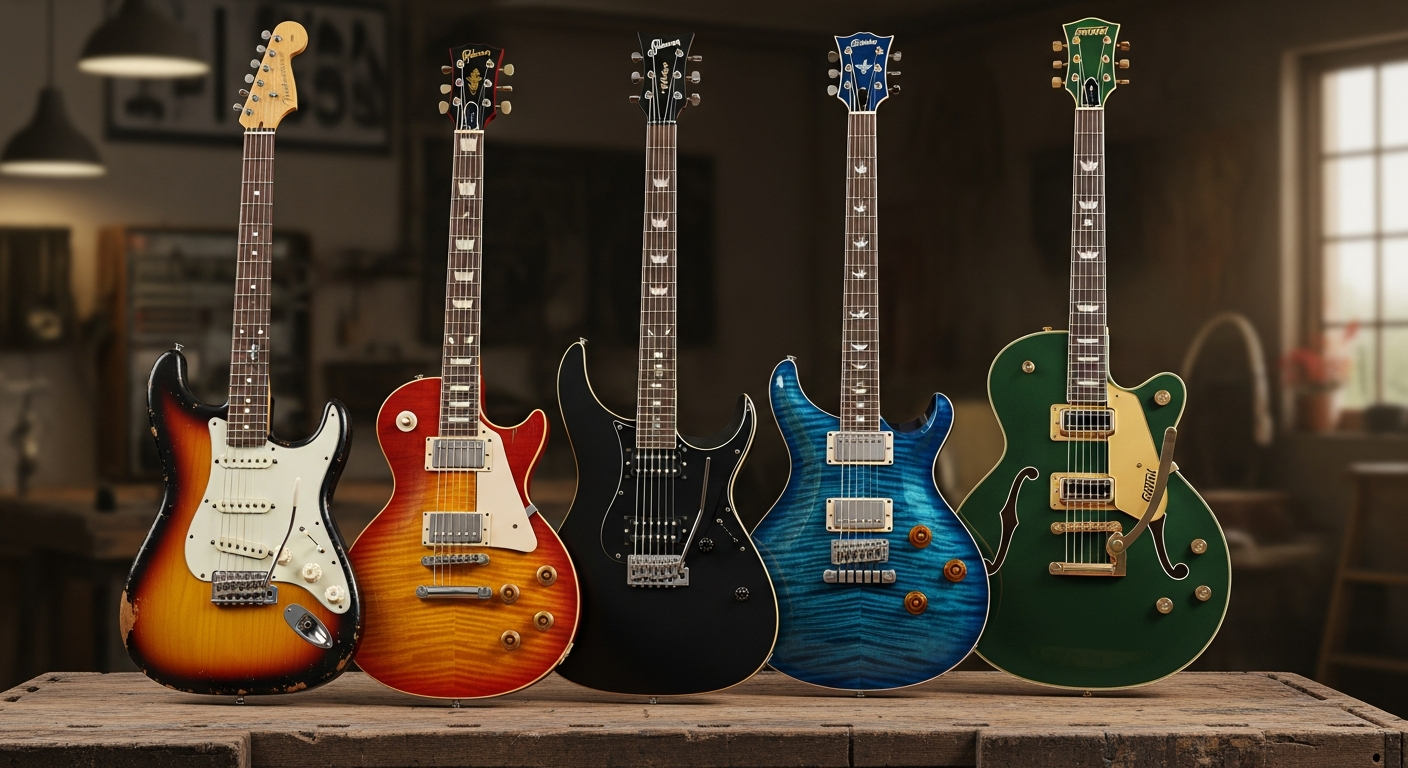
Electric guitar over 2000: is it worth the expense?
Okay, let's get this straight. That €2,000 threshold for a guitar. electric, For many of us, it's a real watershed moment. It's the point where passion starts to clash with our bank account, and rationality screams, "Are you crazy?" I'm not here to lecture you, mind you. I'm Mimmo, and like you, I've spent hours drooling over online storefronts, trying to figure out if that lutherie gem was really worth the crazy price they were asking.I've built, modified, disassembled, and reassembled enough guitars in my garage to tell you one thing: price is never the only indicator of value. Sure, above a certain threshold, quality goes up. And how! But how much of that leap is really How much is it perceptible and useful to a hobbyist, perhaps someone who plays in their bedroom or in a small bar with friends, and how much is it pure marketing or, worse, snobbery? This is the question we ask ourselves. And trust me, I've asked myself many times, perhaps with a soldering iron in hand and a new pickup to install on a €500 guitar that already sounded amazing.
The purpose of this article is precisely that: to clarify. I won't tell you to "buy" or "don't buy," I'm not a salesman. I'll give you the tools to understand what's behind the price tag of a premium model, what the tangible differences are, where the substance ends and the smoke begins. Because if you understand the Why of certain construction and component choices, then decide with your own head. Not with that of the marketing team or the famous guitarist who uses that specific model.
The cards on the table: what do we find in a electric guitar over 2000 euro
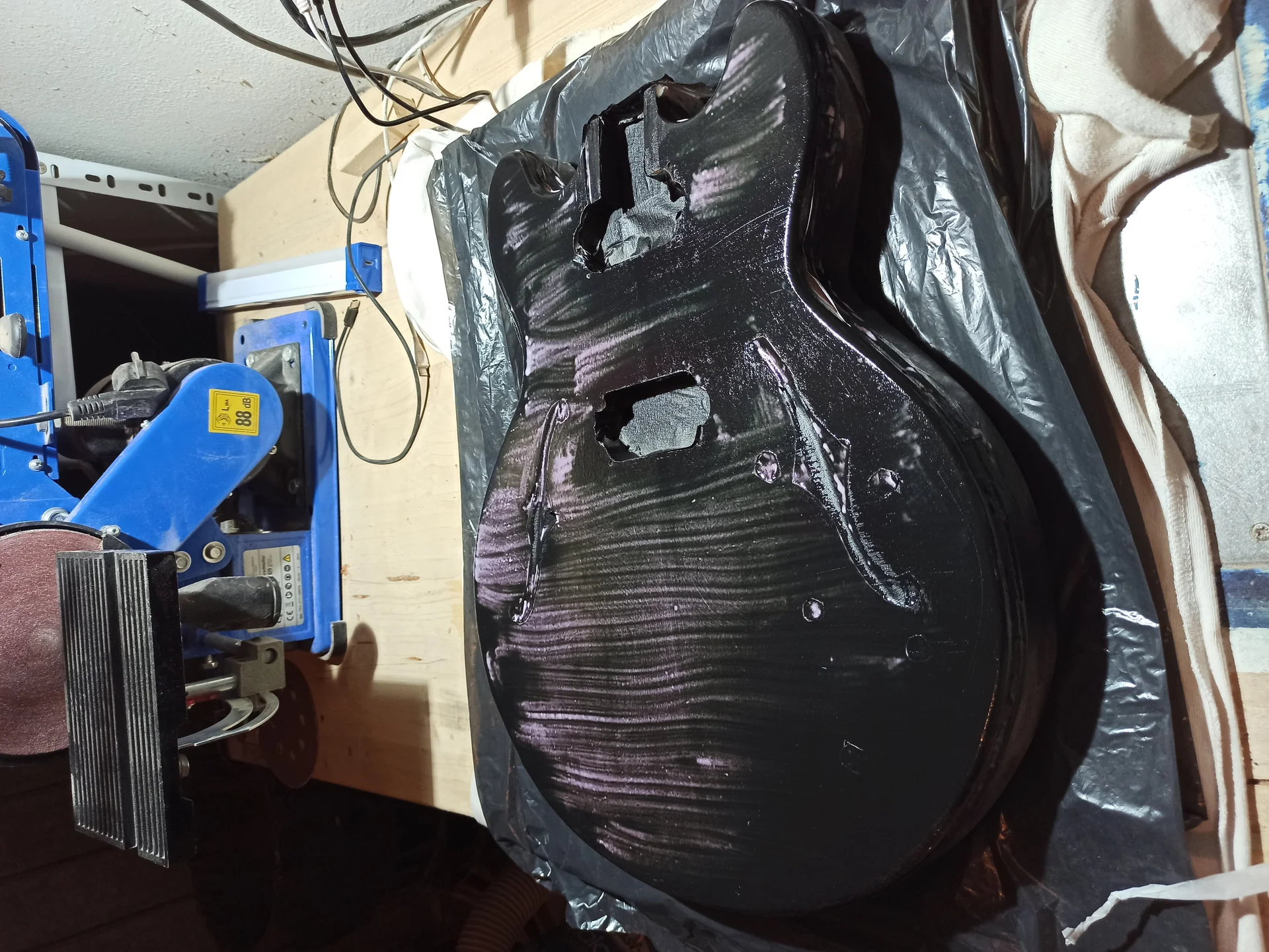
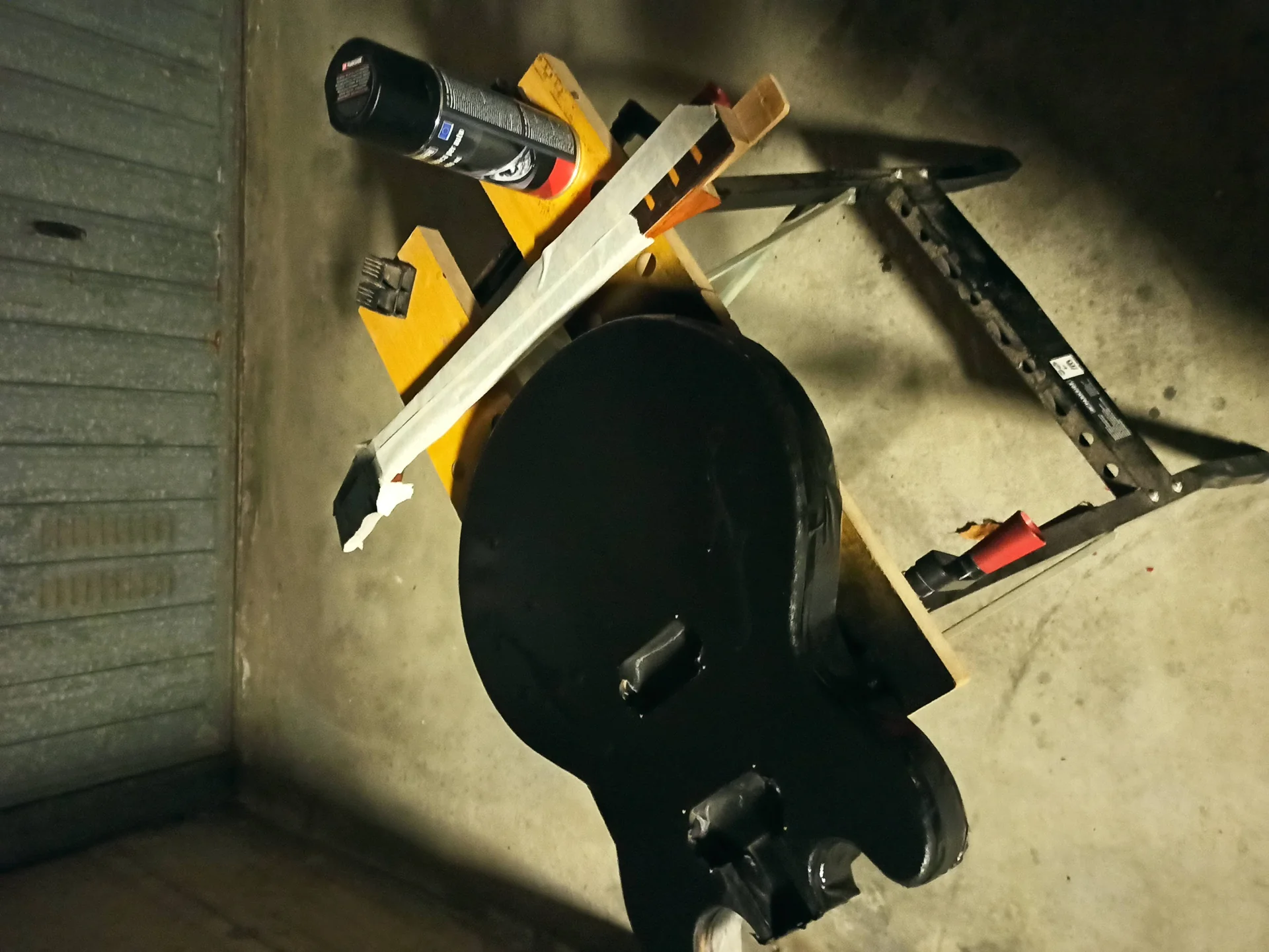
Now, let's get down to business. I've been circulating forums and Facebook groups for years, and I can assure you that the "popular sentiment" about these high-end guitars is a mix of admiration, envy, and healthy skepticism.
On the one hand, there are those who buy a €2,000-plus guitar, try it, and rave about it. They talk about its "incredible playability," its "out of this world," its "feeling you can't find anywhere else." And often, it's true. The perfect fretwork, the neck that fits like a glove, the resonance of the wood you feel vibrating against your belly... these are all sensations a good instrument gives you. There's a sense of precision, of "everything in its place," that's hard to replicate with cheaper instruments.
One point that often comes up is the stability. These guitars, thanks to their well-seasoned woods and precise workmanship, tend to maintain their tuning and setup much better, even with fluctuations in temperature and humidity. For those who play live or record, this is a significant advantage. Not having to waste time retuning every two songs is a luxury.
But there's another side to the coin. And I'm telling you this as someone who's gotten his hands dirty with guitars of all price points: sometimes, marketing is stronger than reality.
The defects (or alleged defects) that the community complains about
Advertisement

ENYA XMARI Smart Electric Guitar, 39" Beginner Kit with Built-in 4 Effects | Carbon Fiber Body, HSS Pickups, USB-C Recording, Built-in DSP Chip, Headphone Output, App Control, Silent Practice, Black
See on Amazon

The point is that the perception of value is highly subjective. There are those who buy it because it's their dream and don't mind the cost, and there are those who buy it for the status symbol. But there are also those who buy it, try it, and realize that their modified guitar For €800, with a good set of pickups and a redone fretboard, it's not that far off. And that, for me, is the heart of the DIY concept.
Pros and Cons of a Premium Model in Relation to Price
Understanding whether such an investment is sensible requires a clear analysis. I've tried to summarize the points I consider most salient, from a practical, hands-on perspective.The Pros: Why an expensive guitar could be worth it
1. Impeccable build quality: We're talking stable necks, perfectly level and polished fingerboards, and flawless body-to-neck joints. This translates into superior playability, less buzz, more intonation across the entire fingerboard, and a comfort that lets you focus solely on the music. You don't have to fight with the instrument. n2. Selection and seasoning of wood: It's not just the type of wood, but how it's selected and treated. Well-seasoned and resonant woods contribute to greater sustain, a wider dynamic response, and a richer, more complex tone. You can feel the guitar "alive" in your hands.n3. High-level components: Precision hardware (machine heads, bridge, nut) ensures stable tuning and optimal vibration transmission. Custom or boutique pickups capture every nuance of the sound. Internal electronics (potentiometers, capacitors) eliminate noise and maintain signal clarity. No need to worry about upgrading; everything is already top-notch. Attention to detail and finishing: Subtle finishes that allow the wood to vibrate, mirror polishes, perfect bindings and inlays. These details aren't just aesthetic, but often reflect an overall care in construction that results in a more refined and reliable instrument.n5. Resale Value: Generally, high-end guitars, especially from well-known brands or limited editions, tend to hold their value better over time, and sometimes even increase. If you were to sell it someday, you'd recoup a good portion of your investment.The Cons: When the price might be excessive
1. Law of Diminishing Returns: This is the key point for many. The leap in quality from a good mid-range guitar (e.g., €800-1200) to a high-end one (€2000+) isn't proportional to the increase in price. The difference is often subtle, perceptible only to highly trained ears or in professional settings. For a hobbyist, the difference might not justify the extra outlay. 2. Psychological cost and “brand tax”: Part of the price is intrinsically linked to the brand, its history, and the prestige of owning a certain instrument. You're not just paying for materials and labor, but also for the "name." This isn't an intrinsic flaw in the instrument, but a factor to consider in your personal budget. 3. Over-engineering for amateur use: Some of the construction refinements (e.g., rare exotic woods, ultra-specific neck profiles, delicate finishes) are intended for those seeking maximum performance and customization. For those playing at home or in the rehearsal room, these features may be excessive or not fully utilized.n4. Gentle maintenance: Some finishes (like thin nitrocellulose) are more delicate and more easily damaged, requiring greater care. Some custom components may be more difficult to replace or repair.n5. Valid and modifiable alternatives: With a lower budget, you can buy excellent mid-range guitars and, with an additional expense for quality pickups and a good setup from a luthier (or by learning to do it yourself, which is our mantra here at Biafax!), get an instrument that comes very close to the performance of a high-end instrument. Often, the real difference is made by the pickups and a well-crafted fretwork.The bottom line is this: a electric guitar over 2000 Euro offers you the best of the best, there's no doubt about that. But the question is: do you have need of all that “best of the best”? And, above all, the you perceive?
Who is it suitable for? electric guitar over 2000 Euro? And who should avoid it?
This is the part where we try to understand who really needs this kind of investment. It's not a question of "better" or "worse," but of "suitable" or "not suitable" for your needs and your musical journey.This guitar is for you if…
Are you a professional or semi-professional? If your guitar is your work tool, if you play live regularly, record in the studio, or tour, the stability, reliability, and sound quality of a high-end instrument are investments that pay off. Every detail matters for your performance and your reputation. You can't afford for your guitar to fail you or sound bad.You already have everything else: You have a quality tube amp, effects pedals you know like the back of your hand, a good sound system, or a decent recording setup. In this context, a high-end guitar can really shine and show off all its nuances. Putting a Ferrari in a Dacia garage doesn't make much sense.
Looking for a “benchmark” or inspiration? If you already have some DIY experience and want to understand "how a top-of-the-line instrument should sound" so you can apply the lessons to your own modifications, having a reference of this level can be enlightening. It helps you understand what to look for in terms of neck feel, resonance, and intonation.
Are you a collector or a demanding enthusiast? If your guitar is not just an instrument but also an art object, a piece of engineering, or an investment, then the intrinsic value, rarity, and impeccable craftsmanship of a premium model may be your primary motivation.
You don't want to compromise: You don't care about the law of diminishing returns. You just want the best. You want the feeling that every detail is taken care of, every note resonates perfectly, and you never want to feel like you've skimped on quality.
Better to avoid it (or think twice) if…
Are you a beginner or occasional guitarist? At first, the differences between a €500 guitar and a €2,500 one are almost imperceptible. It's like giving a racing car to someone learning to drive. It's much better to invest in lessons, a good practice amp, and maybe a basic pedal.Your budget is limited: If buying a guitar over €2,000 puts you in financial difficulty or forces you to sacrifice other important items (like a good amplifier, which is ESSENTIAL), then it's not the right choice. There are a world of fantastic guitars under €1,000 that, with a few tweaks, can sound amazing.
You like to tinker and modify: If you are like me, and your joy is modify the guitar, If you're looking to replace pickups, redo the electronics, or file down frets, then buying a luxury instrument could be counterproductive. Not only could you ruin its resale value, but you'd also be spending money on features you'd later replace. It's better to start with a solid but more affordable foundation and have fun making it your own.
You don't have adequate amplification: An incredible guitar played through a subpar amp or basic simulation software will never reach its true potential. The amp is half (if not more) of your sound. Invest there first, if you haven't already.
You don't notice the difference: If you try an €800 guitar and a €2,500 one and don't hear enough of a difference to justify the price, then trust your ears and your hands. Don't be swayed by the brand or other people's opinions. Your ears are the final judge.
Remember, sound is a combination. It's the guitar, the amp, the effects, and most importantly, the guitarist. A super expensive guitar won't make you a better guitarist if you don't study and put in the effort.
My final advice (from someone who learned the hard way) and sensible alternatives
So, Mimmo, what do you say in the end? Is it worth spending? over 2000 euros for an electric guitar?My answer, as someone who's built and repaired guitars in his garage, is "it depends." And I'll tell you why.
I've had very expensive instruments in my hands, jewels of luthiery that sounded and felt divine. And I've also owned cheap guitars that, with a little love, a good setup, and maybe a pickup swap, started to sing like you'd never expect.
The point isn't the price tag. The point is what you're looking for, what you need, and what your ear and hands perceive. If you already have a mid-range guitar and think spending €2,000 will make you sound like your idols, I'll stop you right now. That's not how it works. The 90% of sound is in your hands, your touch, your technique. And the remaining 10% is a mix of guitar, amp, and effects.
My heartfelt advice is this: 1. Try, try, try: If you're thinking about making this kind of purchase, don't buy blind online. Go to a store, try them out. Play them. Touch them. Feel the neck, the balance, the resonance. Close your eyes and listen. Then pick up your current guitar and play it right away. Can you really hear the difference? It's a difference that justifies... tea that outlay?n2. Don't get GAS (Gear Acquisition Syndrome): It's a common affliction, believe me. That feeling that "only with that guitar will I play better." It's often a trap. A new instrument can give you inspiration, sure, but it won't give you talent. #3. Invest in yourself: Before spending a fortune on a guitar, consider lessons, a good amplifier (if you don't already have one), and a decent audio interface to record your ideas. These investments often yield a greater return on your musical journey.
Sensible alternatives: the DIY route
If your budget is more limited, or you simply like the idea of creating something of your own, there are very valid ways to get closer to that quality without emptying your wallet. 1. Mid-range guitars + upgrades: Get a good foundation. I'm talking about brands like Squier Classic Vibe, Epiphone (the new ones are really good), Yamaha Pacifica, or Ibanez in the €500-€800 range. They often have decent tonewoods and good overall construction.Fretwork: The first step is often a good leveling and polishing of the frets. This transforms the playability. If you're handy, you can do it yourself with the right tools. Otherwise, a luthier can do it for a fair price.
Pick-up: This is the upgrade that makes the biggest difference in sound. For €100-200, you can buy pickups from reliable brands (Seymour Duncan, DiMarzio, Tonerider, Wilkinson) that completely change the guitar's character. Installing them is a garage job that, with a little patience and a soldering iron, can be easily done.
Hardware: Locking tuners, a bone nut, a better bridge. These are all upgrades that improve stability and sustain, and they don't cost a fortune.
Electronics: Quality potentiometers and capacitors. A minimal expense that guarantees smoother tone control and less noise.n2. DIY kit or assembly from scratch: If you're really adventurous, you can buy a quality body and neck from aftermarket suppliers (Warmoth, Allparts, or smaller manufacturers) and assemble your own guitar from scratch. Choose the woods, pickups, and hardware you want. It costs more than a basic kit, but much less than a high-end one, and the result is an instrument that's "yours" at the 100%, with the specifications you choose.
In short, there is no single answer. One electric guitar over 2000 euros It is a magnificent object, often a masterpiece of violin making. But its value for you It depends on many factors. Don't be fooled by the price, but don't underestimate the quality either. Be practical, listen to yourself, and, if you can, get your hands dirty. It's the best way to truly understand what you need.
Useful external source for further exploring the concept of “diminishing returns” in music gear:
* [Does Expensive Gear Make You Sound Better? The Law of Diminishing Returns](https://www.youtube.com/watch?v=FjIu0n75e3M) (Video by Rhett Shull, professional guitarist and reviewer, who explains the concept very clearly and pragmatically.).
See also
Download the Luthier Survival Kit
Free PDF with checklist, problem-cause table and project card template.
 English
  Italiano
Stuck on your build?
If you ran into the same problem or have a question, drop it in the comments. I read and reply to every one.
Write a comment