

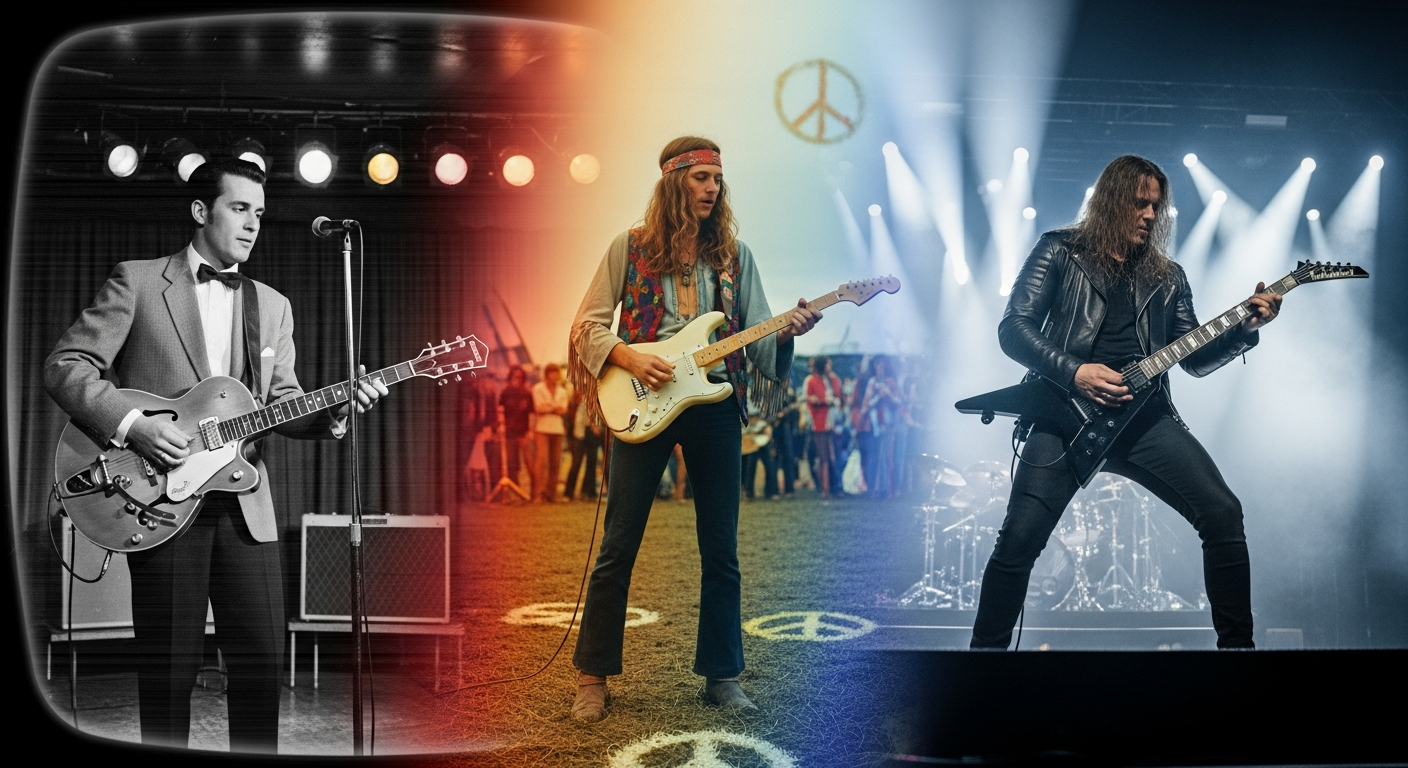
5 70s guitars legendary: models and history
I don't know about you, but the '70s have always held a special fascination for me. I didn't grow up there, but the music of that decade, the sound of those bands, has always struck me straight in the stomach. Think about it for a moment: it was a period of incredible change, from progressive rock to hard rock, from funk to proto-punk. And every genre, every artist, needed something specific under their fingers.
Here, those 70s guitars They weren't just instruments. They were extensions of an idea, of a sound that was emerging. They were the result of choices, sometimes brilliant, sometimes dictated by production logic or changes in ownership that made purists turn up their noses. But in the end, many of them became legendary.
Today I don't want to be an encyclopedia; that's not my style. I want to tell you a few stories, the ones that lie behind the wood and pickups of some of the most iconic guitars of that era. The ones that, when you pick them up, make you feel like you're part of history. And maybe, if you're lucky enough to find one, they'll make you understand why we still seek that sound today.
The 1970s: A crossroads of sounds and controversial decisions
.biafax-photo-grid { display: grid !important; gap: 12px; margin: 24px 0; }
.biafax-photo-grid-3v { grid-template-columns: repeat(3, 1fr) !important; }
.biafax-photo-grid-2h { grid-template-columns: repeat(2, 1fr) !important; }
.biafax-photo-grid a { display: block; overflow: hidden; border-radius: 6px; line-height: 0; }
.biafax-photo-grid img { width: 100%; height: 100%; object-fit: cover; aspect ratio: 4 / 3; transition: transform 0.3s ease; }
.biafax-photo-grid a:hover img { transform: scale(1.03); }
.biafax-photo-grid br { display: none; }
.biafax-photo-grid-caption { text-align: center; font-style: italic; color: #555; margin: -12px 0 24px; }
.biafax-lightbox-overlay { position: fixed; inset: 0; background: rgba(0,0,0,0.92); display: flex; align-items: center; justify-content: center; z-index: 99999; cursor: zoom-out; }
.biafax-lightbox-overlay img { max-width: 92vw; max-height: 92vh; object-fit: contain; border-radius: 4px; }
@media (max-width: 768px) {
.biafax-photo-grid-3v { grid-template-columns: 1fr !important; }
.biafax-photo-grid-2h { grid-template-columns: 1fr !important; }
}
(function() {
if (window.biafaxGridLightbox) return;
window.biafaxGridLightbox = true;
document.addEventListener(‘click’, function(e) {
var a = e.target.closest(‘a[data-lightbox]’);
if (!a) return;
e.preventDefault();
var overlay = document.createElement(‘div’);
overlay.className = 'biafax-lightbox-overlay';
overlay.innerHTML = '‘‘';
document.body.appendChild(overlay);
overlay.addEventListener(‘click’, function() { overlay.remove(); });
document.addEventListener(‘keydown’, function handler(ev) {
if (ev.key === 'Escape') { overlay.remove(); document.removeEventListener('keydown', handler); }
});
});
})();
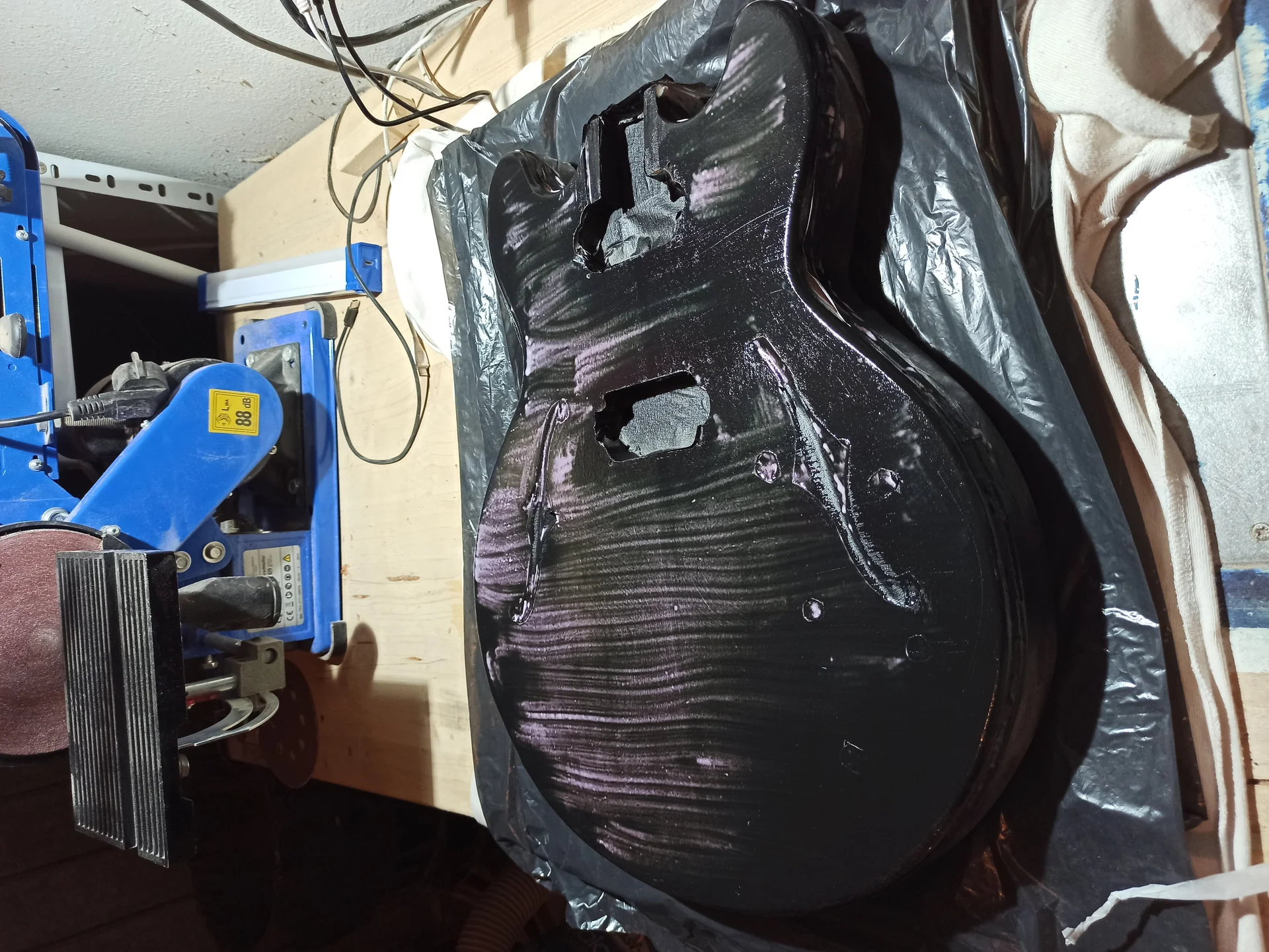
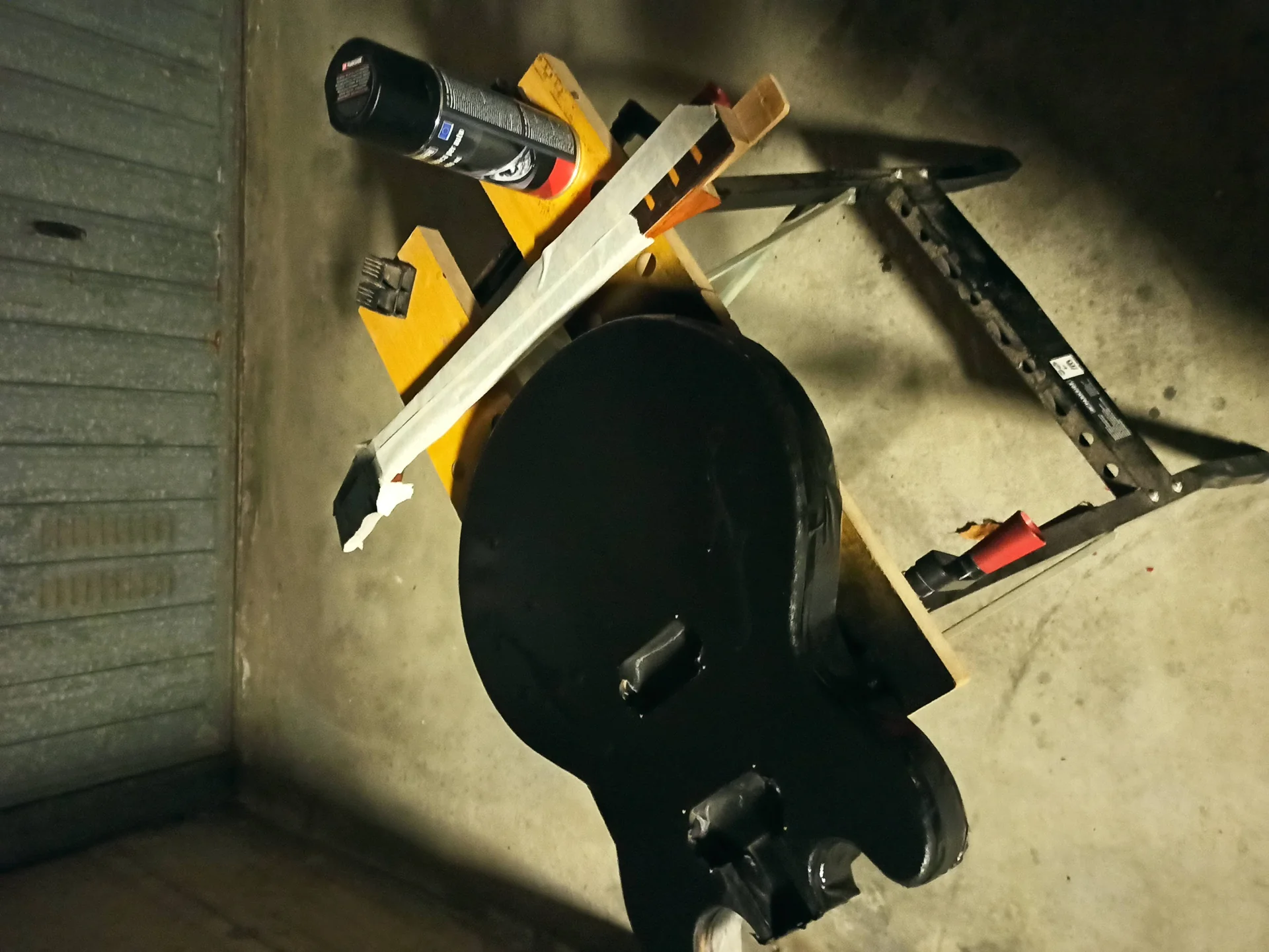
In this gallery: paint, body and electrical.
.biafax-photo-grid { display: grid !important; gap: 12px; margin: 24px 0; }
.biafax-photo-grid-3v { grid-template-columns: repeat(3, 1fr) !important; }
.biafax-photo-grid-2h { grid-template-columns: repeat(2, 1fr) !important; }
.biafax-photo-grid a { display: block; overflow: hidden; border-radius: 6px; line-height: 0; }
.biafax-photo-grid img { width: 100%; height: 100%; object-fit: cover; aspect ratio: 4 / 3; transition: transform 0.3s ease; }
.biafax-photo-grid a:hover img { transform: scale(1.03); }
.biafax-photo-grid br { display: none; }
.biafax-photo-grid-caption { text-align: center; font-style: italic; color: #555; margin: -12px 0 24px; }
.biafax-lightbox-overlay { position: fixed; inset: 0; background: rgba(0,0,0,0.92); display: flex; align-items: center; justify-content: center; z-index: 99999; cursor: zoom-out; }
.biafax-lightbox-overlay img { max-width: 92vw; max-height: 92vh; object-fit: contain; border-radius: 4px; }
@media (max-width: 768px) {
.biafax-photo-grid-3v { grid-template-columns: 1fr !important; }
.biafax-photo-grid-2h { grid-template-columns: 1fr !important; }
}
(function() {
if (window.biafaxGridLightbox) return;
window.biafaxGridLightbox = true;
document.addEventListener(‘click’, function(e) {
var a = e.target.closest(‘a[data-lightbox]’);
if (!a) return;
e.preventDefault();
var overlay = document.createElement(‘div’);
overlay.className = 'biafax-lightbox-overlay';
overlay.innerHTML = '‘‘';
document.body.appendChild(overlay);
overlay.addEventListener(‘click’, function() { overlay.remove(); });
document.addEventListener(‘keydown’, function handler(ev) {
if (ev.key === 'Escape') { overlay.remove(); document.removeEventListener('keydown', handler); }
});
});
})();
Let's talk about Stratocaster. A name, a legend. In the '70s, however, the Strat was a bit like a teenager in the midst of an identity crisis. After the acquisition by CBS in 1965, Fender production underwent a series of changes that, for many purists, marked a decline in quality and design. But that didn't mean the Strat 70s guitars Fender branded ones don't have their charm.
The look had changed, indeed. The "large headstock" logo had become a trademark, with the "STRATOCASTER" wording prominently displayed. I didn't mind it; it gave the instrument a "bigger" look, almost more aggressive, which fit well with the rock music that was gaining traction.
But the changes weren't just aesthetic. There were technical details that sparked discussion:
The “bullet” truss rod: The old truss rod, which was adjusted from the heel of the neck, was replaced by the "bullet" rod, which was adjusted from the headstock. Convenient, sure, but for many, it meant less wood at the crucial point of the neck, potentially causing stability issues. In my testing, I have to say I never had any major problems, but it's true that the neck was sometimes a little more "wobbly.".
The three-bolt neck: The neck attachment went from four to three screws, with a larger metal plate and a "Micro-Tilt" system to adjust the neck's tilt. The idea was good: providing more setup options. The execution? Sometimes it left something to be desired, with necks tending to move sideways if not tightened perfectly. If you own one, a good setup is essential.
The “grey bottom” pickups: The pickups, often with gray bases, had a slightly different sound than their predecessors. Less "bell-like" and more "thrust," perfect for hard rock. They weren't the pickups of the early '60s, but they had their own distinct character.
Despite these "innovations" (or compromises, depending on your point of view), the Stratocaster of the '70s was the companion of legendary musicians. Think Ritchie Blackmore, David Gilmour, Mark Knopfler. Each of them brought out an unmistakable sound from those guitars, proving that, in the right hands, even a controversial instrument can become iconic.
I myself had a replica of a '70s Strat that I completely modified. I redid the wiring, changed the pots, and eventually even removed the Micro-Tilt for a more stable mount. It wasn't easy; it took me a while to figure out how to make it sound really good, but the experience taught me a lot. If you're curious to see how you can breathe new life into an instrument like this, take a look at how I approached the project. modifying a guitar, maybe you'll find some interesting ideas.
Gibson Les Paul Custom '70s: The Return of the Black Beauty
The Les Paul, like the Strat, had a somewhat tortuous path. After a period of decline and the introduction of the SG in the '60s, the Les Paul made a grand comeback in the late '60s and throughout the '70s. And the Les Paul Custom, the "Black Beauty," was its crowning glory.
In the '70s, the Les Paul Custom was a veritable tank. Massive, heavy, with a sustain that seemed never-ending. It wasn't a guitar for everyone, especially if you had to stand for an entire concert! I remember the first time I picked one up, I thought, "Okay, this is a man's guitar, not just a toy!" It was heavy, but it gave you an incredibly solid feeling.
The distinctive features of these six-stringed instruments of that period were:
T-Top Pickup: These pickups, named for the "T" stamped on the top of the coils, were Gibson's standard humbuckers for much of the decade. They had a balanced, warm sound with good clarity, perfect for overdriving amps without getting too muddy. They didn't have the punch of the PAFs of the '50s, but they were great pickups.
The weight: We've said it before, but it bears repeating. Les Paul Customs of the '70s were often very heavy. This was due to the use of dense woods and, sometimes, the lack of "weight relief" (tonal chambers) that would come later. This weight, however, contributed to their legendary sustain.
The finish: Often in Ebony (gloss black), but also in Wine Red or Alpine White, the Customs were elegant instruments, with multiple bindings and mother-of-pearl block inlays on the fretboard. They were guitars that stood out, both for their sound and their aesthetics.
These Les Paul Customs were the inseparable companions of guitarists who wrote rock history: Randy Rhoads, Mick Ronson, Ace Frehley of KISS. Each of them squeezed the full potential of these guitars, delivering powerful riffs and melodic solos.
Despite their weight and the fact that the quality of the woods was sometimes not as consistent as in the golden years, the '70s Les Paul Customs remain coveted instruments. They represent a period in which Gibson tried to balance tradition with the needs of a growing music market. evolution. And, in my opinion, she succeeded remarkably, creating six-string legends.
Rickenbacker 4001: The Bass That Defined an Era (and Its Sister Guitars)
Ok, I know, Rickenbacker is mostly known for its iconic basses. But we can't talk about 70s guitars Without even mentioning their impact and, of course, their guitars, which shared much of the DNA of these unique instruments. The Rickenbacker 4001 is perhaps the most recognizable bass of that decade, and its guitar sibling, the 330 or 360, deserves our attention.
Rickenbacker has always had a unique design, outside the Fender and Gibson mold. Those tapered shapes, semi-hollow bodies (on guitars), and that unmistakable "jangle" sound have won over artists seeking something different, with a clearly defined sonic personality.
Let's talk about the 4001 bass, because it's from there that we can understand the Rickenbacker philosophy of those years:
Unique Design: The maple body with pointed horns, the edge binding, the crescent-shaped pickguard. It's an instrument you can spot from a mile away.
Neck-through construction: The neck is seamless with the body, a feature that contributes to insane sustain and incredible resonance. For a DIYer like me, working on a neck-through is a challenge because there are no joints to hide; everything has to be perfect.
Double truss rod: Yes, you read that right. Two truss rods. This allows for incredible neck stability, but also adjustments that, if you don't know what you're doing, can be a nightmare. I remember the first time I had to adjust a Rickenbacker neck, I felt a bit like a surgeon. You have to go slowly and understand how they work together.
Pick-up: The Toaster (more vintage) and High-Gain (more modern and powerful) pickups gave the Rickenbacker that bright, “jangly” sound but with a nice body, perfect for the progressive rock and pop-rock of the 60s and 70s.
Rickenbacker guitars, such as the 330, 360, and 370 (with three pickups), shared many of these characteristics. They were instruments with strong personalities, used by bands like Yes, Rush, The Who, and, of course, the Beatles and the Byrds in earlier years. Their sound, crystalline yet with a nice punch, was perfect for complex arpeggios and chords rich in harmonics.
The Rickenbacker 4001, and its sister guitars, represent a unique chapter in the history of electric string instruments of the period. They weren't the most versatile guitars, but what they did, they did with inimitable style and sound. And for those seeking that distinctive tone, there's no alternative.
Gretsch White Falcon '70s: Elegance That Never Ages
Let's talk about Gretsch. A brand with a long and glorious history, often associated with rockabilly, country, and a certain type of vintage elegance. In the '70s, Gretsch went through a somewhat turbulent period, with changes in ownership and production that didn't always live up to its golden years. Yet, some models, like the legendary White Falcon, have retained their allure, becoming true guitar icons of the '70s.
The White Falcon has always been the queen of Gretsch. Imposing, luxurious, with a stage presence that few other guitars can match. It's not an everyday guitar; it's an instrument that makes you feel special as soon as you pick it up.
Its main features, which made it a historic model in the 70s, were:
Hollow body: A completely hollow or semi-hollow body, which gave it a resonant acoustic sound and a warm, airy tone. This is the heart of the Gretsch sound, that "box" resonance that distinguishes it from a solid body.
Bigsby vibrato: Almost a must-have on a White Falcon, the Bigsby added a touch of class and allowed for those subtle tonal shifts that are a trademark of many musical genres.
Filter'Tron Pickup: The Filter'Tron pickups were the secret to the Gretsch sound. They were humbuckers, but with a design that made them brighter and more defined than Gibson's classic PAFs, reducing hum while maintaining great clarity. Perfect for rockabilly, of course, but also for blues and lighter rock.
Opulent aesthetics: Bright white finish, gold binding, gold hardware, block inlays on the fretboard. The White Falcon was, and is, a style statement.
The White Falcon has been used by artists across genres, from Stephen Stills to Neil Young (though most often with the Country Gentleman), proving its versatility despite its very specific look.
I remember when a friend lent me his '70 Gretsch White Falcon. It wasn't in perfect condition; it needed a good tune-up. But even so, as soon as I plugged it into a Twin Reverb, I understood why it's so revered. That sound, clean but with incredible depth, that resonance that vibrates in your chest. It's not a guitar for metal, obviously, but for those seeking a warm, bright sound with an unmistakable character, it's one of the sonic wonders of the decade. Working on it was a pleasure; every detail was designed for elegance and sound.
Ibanez Iceman/Artist '70s: When Japan Challenged the Giants
If the '70s were a time of change for historic brands, it was also the decade when Japan began to make its presence felt, and strongly. Ibanez, in particular, played a crucial role, first with high-quality replicas that put the original manufacturers to shame, and then with its own designs that became iconic in their own right. The Ibanez Iceman and Artist are two examples from the era that perfectly represent this rise.
Until then, "Made in Japan" wasn't exactly a compliment in the world of musical instruments. It was associated with cheap, low-quality copies. But Ibanez, and other brands like Tokai, Yamaha, and Greco, changed the rules of the game. They began producing replicas so faithful and well-made (sometimes, let's face it, better than the originals of the time) that they caused legal problems and, more importantly, earned a huge reputation.
Then, Ibanez began to dare with its original designs, and the Iceman and the Artist were born precisely in this context:
Ibanez Iceman: Introduced in the mid-'70s, the Iceman had an aggressive, asymmetrical design that set it apart from the rest. It wasn't a Strat, it wasn't a Les Paul. It was an Iceman. And that unique look, combined with excellent playability and a powerful sound, made it the favorite guitar of artists like Paul Stanley of KISS.
Ibanez Artist: The Artist series, also launched in the 1970s, was a line of solid body guitars that combined elegance with innovation. They often featured mahogany bodies with maple tops, mahogany necks, and Super 70s humbucker pickups. Their design was more traditional than the Iceman, but with the highest-quality details and finishes.
The common features that made them guitars that marked an era:
Super 70s Pickups: These humbuckers were known for their high output and bright yet full-bodied sound. They were perfect for rock and hard rock, with great definition even under distortion.
Solid construction: Ibanez didn't joke about build quality. Well-made necks, precise fretboards, reliable hardware. These Japanese guitars often had an attention to detail that was missing from some American models of the same period.
* Innovation: Ibanez didn't just copy. They introduced the Gibraltar bridge and tailpiece, versatile switching systems, and eye-catching finishes.
My experience with Ibanez guitars from those years was a revelation. I remember buying an old '70s Artist at a flea market, almost out of curiosity, because it was dirt cheap. It was in a bit of a state, but as soon as I cleaned it and fixed the electronics, I was blown away. The neck was incredibly comfortable, the sustain was incredible, and those Super '70s pickups had a character I hadn't expected. It was a guitar that had nothing to envy of much more famous instruments. It was then that I realized that it's not just the name on the headstock that makes the difference, but the care and passion put into crafting it.
These Ibanez guitars aren't just a piece of history, they're proof that quality can come from anywhere, and that innovation isn't anyone's monopoly. They paved the way for an entire generation of guitarists and forced the "big boys" to wake up.
The legacy of the guitar icons of the 70s
What we've seen today is just a small taste of the guitar scene of the 1970s. A complex, sometimes contradictory, but incredibly fertile decade for music and the instruments that accompanied it. 70s guitars that we have explored, with their strengths and weaknesses, all have one thing in common: they helped define the sound of an era.
From the controversial nature of CBS-era Stratocasters to the weight and infinite sustain of Les Paul Customs, through the unique elegance of Gretsch and the bold innovation of Rickenbackers and Ibanez, every instrument tells a story. Stories of engineers, of musicians, of business decisions that shaped wood, metals, and circuitry into something alive.
Today, many of these guitars are collector's items, commanding dizzying prices. But their value isn't just financial. It's historical value, tonal value. These are instruments that speak to you, that tell you stories of legendary riffs and unforgettable solos.
If you're a DIY enthusiast like me, you don't necessarily have to spend a fortune to get close to that sound. Sometimes all it takes is a good, affordable replica, a little research into the right pickups, and a lot of patience to get your hands on the pots and wiring. Understanding the philosophy behind these instruments, the rationale behind certain construction choices, is the first step in trying to replicate or even just draw inspiration from that sound.
The market for replicas and aftermarket components is vast. You can find pickups that faithfully emulate T-Tops or Super 70s models, and you can experiment with different wood and hardware combinations. The important thing is not to be afraid to try, make mistakes, and redo. That's how you learn. And who knows, maybe your next '70s guitar won't be a collector's item, but a masterpiece crafted by your own hands, with a sound that will make you feel part of that history.
For those who want to delve deeper into the technical specifications and history of these models, Reverb.com often offers very detailed databases with production years, specifications, and market data, which is useful for gaining a more complete picture of individual productions. It's a resource I often consult to check technical details and price trends.
 English
  Italiano