

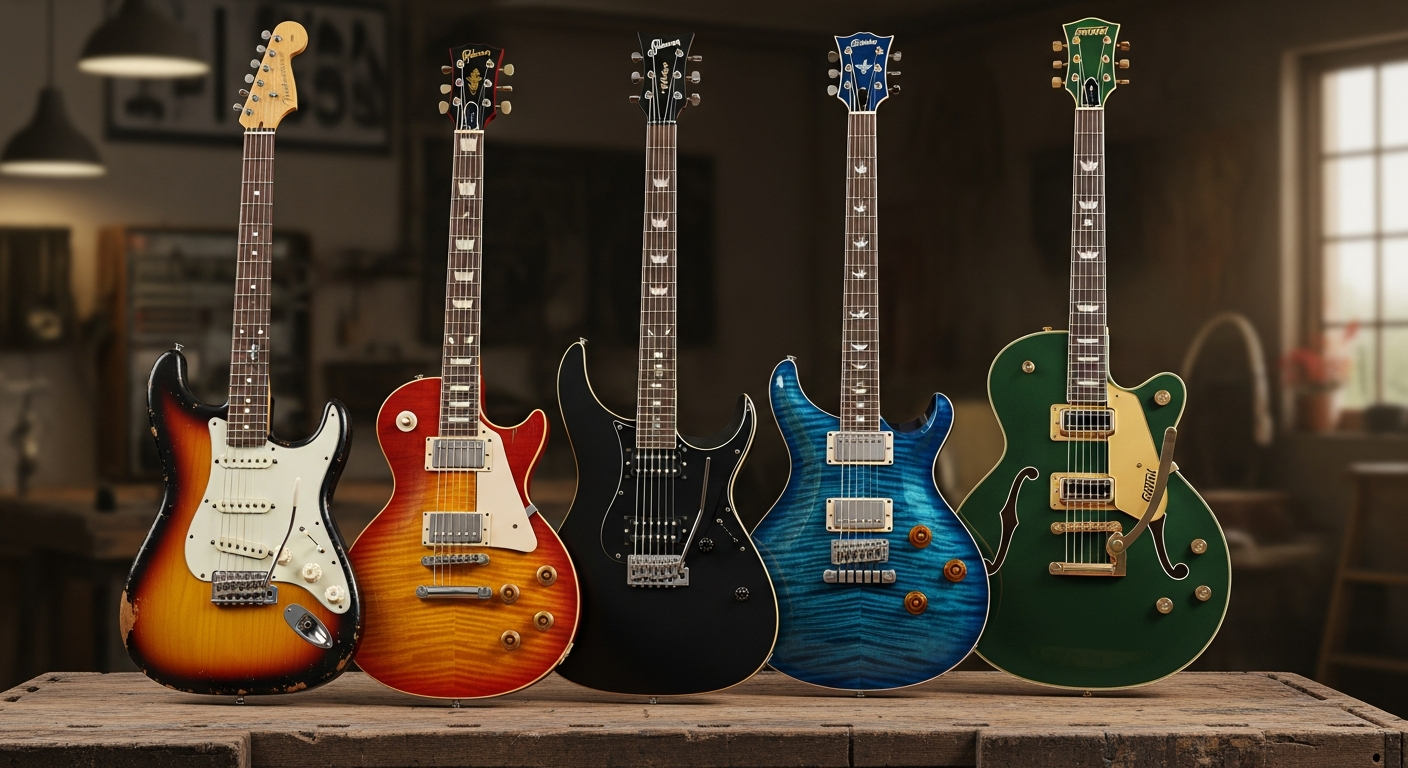
Under €200: Best Electric Guitar Kit
Okay, let's get this straight: if you're looking for a guitar kit electric under 200 euros, you're not aiming for the Custom Shop. Let's not beat around the bush. However, you're about to embark on an experience that, for a DIY enthusiast, is worth much more than the price. And trust me, I speak from experience.When I started tinkering with guitars and a soldering iron in my garage, budget was always the first thing. I didn't have a thousand euros to throw at exotic woods or renowned hardware. I wanted to understand how guitars were made, how they worked, and above all, I wanted to make one my. And this is where budget kits, those often viewed with a bit of suspicion, come into play. They were my springboard.
This article is not an unconditional celebration of low-cost. It's an honest guide for those who, like me back then, want to get involved, have a limited budget, and want to understand what to expect from a budget electric guitar kit. Let's see together if such an option can be your next project, or if it's better to give up.
I promise you that in the end you will have clear ideas about what you are taking home and, above all, about what you can get out with a bit of elbow grease.
Technical characteristics: what you find in a low-cost kit
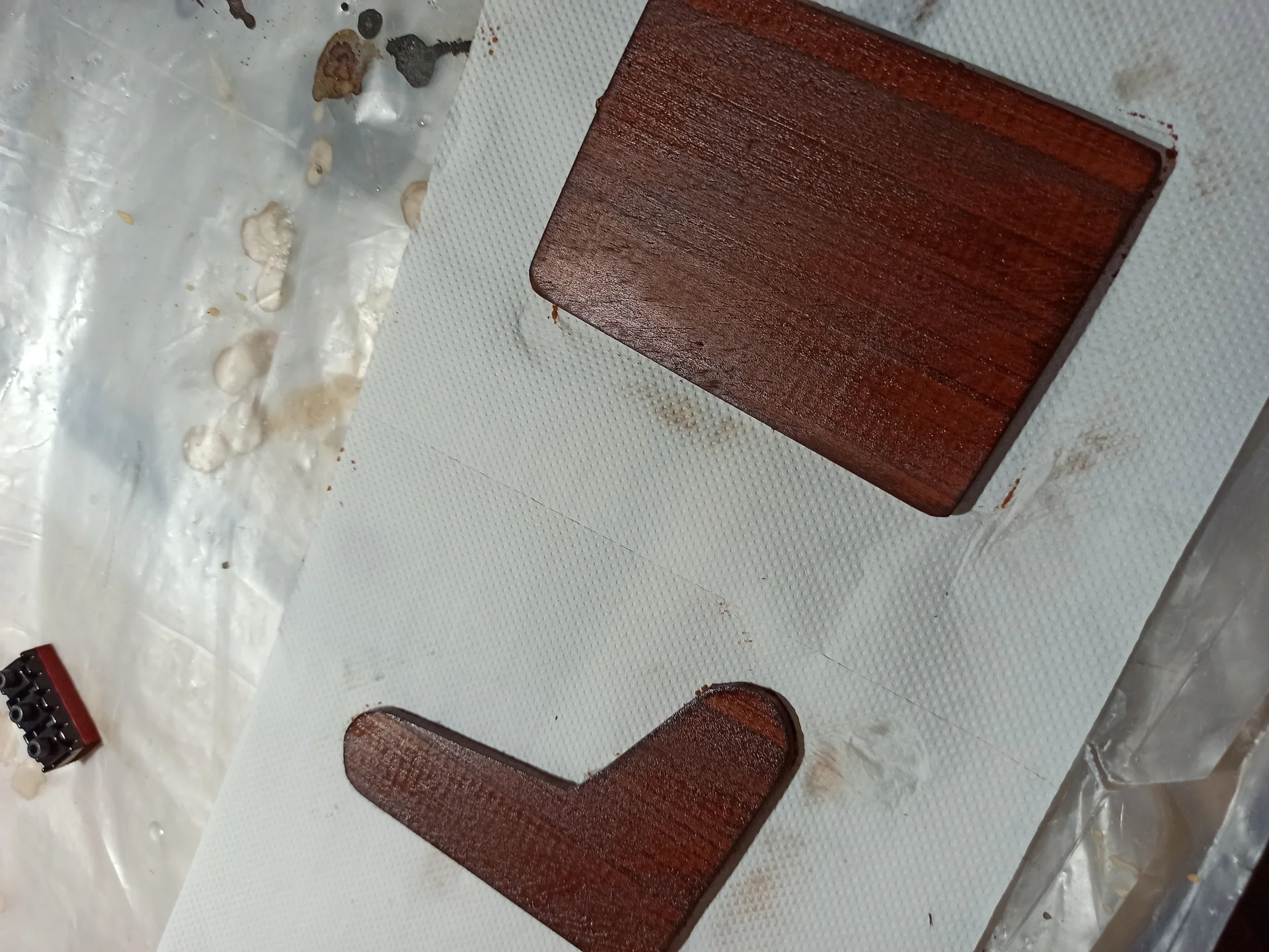
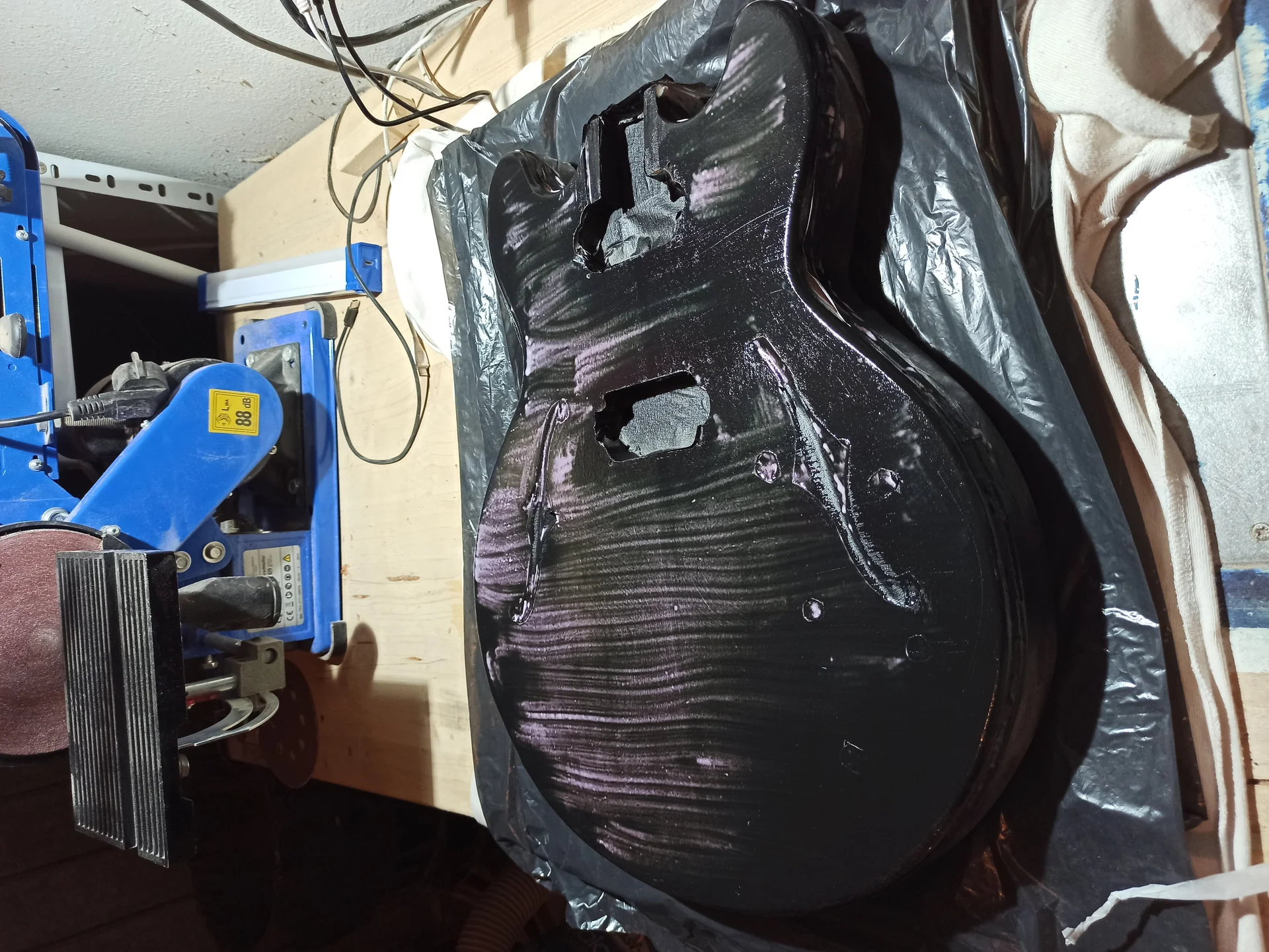
I spent hours reading forums, DIY lutherie Facebook groups, and buyer reviews on various sites. The voice of the community, of those who bought and assembled these cheap electric guitar kits, is quite uniform. And you know what? It reflects my experience exactly. No one says “it's perfect, it sounds like a Fender from 2000 euros”. Whoever says that probably has never played a Fender from 2000 euros. However, the vast majority of buyers, especially those with the right approach, are satisfied. Despite the flaws.
The most common (and expected) complaints
1. “It doesn't hold its tuning!”: This is at the top of the list. Generic tuners are the Achilles' heel. They do their job for a while, but then they loosen or have too much play. It's the first upgrade almost everyone recommends.n2. “Flat/noisy sound”: Pickups and basic electronics are often criticized for lack of dynamics, “boxed” sound, or excessive background noise. This is true, and it's understandable. They are made to work, not to impress.n3. “The frets are a disaster”: Many complain about uneven frets, sharp edges, or different heights. This makes the guitar almost unplayable with a decent action. It's a fine-tuning job that beginners often don't consider, but which is crucial.n4. “The wood is a bit rough/full of imperfections”: Chipping, wormholes (rare, but they happen), not-so-clean routing. It's the price to pay for cheap material. Nothing insurmountable, but it requires extra putty and sanding.n5. “The instructions are missing or terrible”: Many kits arrive with a flimsy leaflet or no instructions. This is not a problem for those who already have some experience or know where to look online, but for beginners, it can be frustrating. (By the way, on our blog you'll find lots of practical guides for assembly and finishing!)

Strengths recognized by the community
1. “Great base for learning”: This is the most frequent compliment. It's a laboratory, a gym. It allows you to understand the anatomy of the guitar, to learn how to solder, to paint, to do a setup. Without the fear of ruining an expensive instrument.n2. “Fun guaranteed”: The building process is rewarding. Seeing raw wood transform into a playable instrument, made with your own hands, is an enormous satisfaction.n3. “Infinite upgrade potential”: Everyone agrees that the kit is a blank canvas. With an extra 100-150 euros, you can change pickups, tuners, and electronics, transforming a “decent” guitar into a “really good” one for the overall price.n4. “The price is unbeatable”: For less than 200 euros, having a body, a neck, all the hardware and electronics, is a bargain. Even if the quality is not excellent, the intrinsic value as a “project” is very high.n5. “The finish is totally customizable”: You are not bound by predefined colors or aesthetics. You can make the guitar of your dreams, aesthetically speaking. And for many, this is a huge plus.The gist is this: whoever buys a electric guitar kit under 200 with the right expectations, knowing that they will have to put in their own effort, comes out happy. Those who expect to assemble four pieces and have a perfect guitar are disappointed. The difference lies entirely in the mindset.
Pros and cons of a kit under €200 (in relation to the price)
Now that we've seen what's inside and what people think, let's sum up with a clear list of pros and cons. Remember, every evaluation is always in relation to the price. We cannot compare a Dacia with a Porsche.PROS (why it's worth considering)
1. Negligible entry cost into the world of DIY: There is no cheaper way to build a guitar from scratch. For less than 200 euros, you have everything you need to start your journey into DIY electric lutherie. It's a minimal investment for a huge experience.n2. Unparalleled practical learning experience: This is the real added value. Every phase, from wood preparation to cable soldering, from fret leveling to final setup, teaches you something. You will understand how a Really guitar works, what influences the sound, playability, stability. It's not theory, it's pure practice.n3. Solid base for future upgrades: The body and neck, although made of inexpensive woods, are generally stable and easy to work with. They are an excellent platform for future replacement of pickups, tuners, bridge, electronics. Transforming an inexpensive kit into a surprisingly good instrument with gradual investment is absolutely feasible and rewarding.n4. Enormous personal satisfaction: There's nothing like playing a guitar you built with your own hands. Every note has a different flavor. It's your artistic expression not only in music, but also in the creation of the instrument.n5. Creative freedom on the finish: Raw wood is a blank canvas. You can paint it, stain it, oil it, relic it, add custom graphics. The possibilities are endless and the result will be unique, exactly as you want it.n6. A stress-free “precious instrument” project: You're not afraid of ruining a Gibson mahogany body or a flamed maple neck. Here you can experiment, make mistakes, redo. It's a learning environment without the pressure of damaging something expensive.CONS (what you need to consider)
1. Often low quality of basic components: Tuners, pickups, potentiometers, bridge… are cheap. This translates into precarious tuning stability, generic sound, and clunky controls. Be prepared to consider upgrades as part of the journey.n2. Requires time, patience, and a minimum of manual skill: It's not a Lego to assemble in an hour. Sanding, finishing, fret leveling, soldering… these are all steps that require time and attention. If you're looking for a “plug and play” solution, this is not the product for you.n3. May require extra tools not included: You'll need sandpaper of different grits, primer, paints, soldering iron, solder, screwdrivers, Allen wrenches, maybe fret files. The initial cost of the kit is only part of the total investment.n4. The final “out of the box” result might not be “stage-ready”: Without upgrades and a careful setup, the guitar assembled from the kit will hardly be your main instrument for concerts. It will be an excellent study instrument, an experiment, or a base to become something more.n5. Almost no resale value: Don't expect to resell your kit guitar for a significant price. Its value is mainly sentimental and educational. Even with upgrades, you'll hardly recover your investment.n6. Possible minor manufacturing defects: As mentioned, not perfectly aligned holes, somewhat rough routing, small imperfections in the wood are common. You must be ready to patch it up, sometimes with a bit of filler, sometimes with a small manual adjustment.In short, a cheap electric guitar kit is not a “defective” product, it's a “raw” product waiting for your hands to bring it to life. If you're ready for this, it's a bargain. If you're looking for effortless perfection, you'll be disappointed.
Who it's suitable for and who should avoid it
Understanding who a product is aimed at is fundamental, especially for a low-cost guitar kit like this. It's not for everyone, and it shouldn't be.This kit is perfect for you if…
You are an absolute DIY beginner and want to learn: You've never laid hands on an instrument, but the idea of building one fascinates you. This kit is your practical school, your test bench. It allows you to make mistakes without crying over your wallet.You have a limited budget but a lot, a lot of desire to do: You want a custom guitar but can't afford a luthier or a high-end kit. Here, your time and passion are the main currency.
Are you looking for a “beater” project or a studio/experimentation guitar: You need an instrument on which to try different pickup configurations, different finishes, or simply a guitar to keep around without worrying too much.
Do you want to understand the anatomy of an electric guitar: Disassembling and reassembling is one thing, building it from scratch is another. You learn every single component, how they interact, and the importance of every detail.
You like the process as much as the final result: The fun is not just playing the finished guitar, but also seeing it take shape under your hands. Patience and manual skill are your best friends.
You are a parent looking for a project to do with your children: A great activity to teach manual skills, patience, and the value of homemade things. And in the end, they have their personalized guitar!
You should think twice (or avoid it altogether) if…
You are looking for a guitar ready to play live without modifications: If your goal is to take the kit out of the box, assemble it in an afternoon, and take it to the stage that same evening, you will be bitterly disappointed. It will require extra work.You don't have patience or time for finishing/setup work: Sanding, painting, fret leveling, intonation… are steps that require hours and precision. If you are hasty, the result will be poor.
You don't have a minimum of tools and don't want to buy them: A soldering iron, sandpaper, screwdrivers, perhaps fret files… are the bare minimum. If you don't have them and don't want to invest, you'll find yourself stuck.
You expect the sound and build quality of a mid-range guitar (300-500€): For 200 euros, you don't buy a Yamaha Pacifica or a Squier Classic Vibe. You buy a base with cheap components. Don't make this misjudgment.
You are not willing to make upgrades in the future: If you want the guitar to sound good and be reliable, you will have to consider changing at least the tuners and pickups. If you don't have the budget or desire for this, the kit will only give you a mediocre sound.
You don't like getting your hands dirty: There's wood dust, paint smell, a bit of sweat. If the idea of sanding for hours gives you hives, maybe it's better to buy a ready-made guitar.
In summary: this type of economic solution for DIY guitar it's for those who see the process as an integral part of fun and learning. If you are more oriented towards the final “ready-to-use” result and effortless perfection, it's better to opt for a used one or spend a little more for an already assembled guitar.
Final advice and alternatives for your project
So, the question is: the best electric guitar kit under 200 euro Does it exist? Yes, it does, but it's not a single product. It's a concept. It's the foundation on which to build your experience. And my advice is clear: if you fall into the category of those who want to do, go for it.Consider this kit not as a finished guitar, but as a practical electric lutherie course at a bargain price. Every euro spent is a euro invested in your knowledge and craftsmanship.
What to do as soon as the kit arrives
When the package arrives, don't rush to assemble it immediately. Take a deep breath, and do these things: 1. Inspect everything: Check every single piece. The body, the neck, the hardware, the pickups. Are there any damages? Serious imperfections? Off-axis holes? Get an idea of what you'll have to deal with.n2. Make a list of tasks: List all the things to do. Wood sanding (body and neck), fret inspection (leveling and crowning, almost certain), routing cleaning, preparation for finishing.n3. Look for online guides: Don't rely solely on the instructions (if any). Look for videos on YouTube, blog articles (like ours, for example!) on how to assemble a kit, how to paint, how to do a setup. The more you know, the better.n4. Don't rush: This is the most important advice. Every step taken calmly and carefully will pay off in the final result. Haste is the worst enemy of the DIY luthier.Where to buy and what to pay attention to
There are several online retailers that offer these kits. The most common names you'll find are Harley Benton (Thomann), Glarry, or generic brands on Amazon and eBay. Read the specific reviews for the model you're interested in carefully. Sometimes, small price differences correspond to slightly better woods or greater attention to detail. A good starting point might be to take a look at sites like Thomann, which often offers entry-level kits at competitive prices and with good customer service. * Recommended external link (illustrative): To give you anSee also
Download the Luthier Survival Kit
Free PDF with checklist, problem-cause table and project card template.
 English
  Italiano
Stuck on your build?
If you ran into the same problem or have a question, drop it in the comments. I read and reply to every one.
Write a comment