

Complete Fender Player II Stratocaster Review
Okay, let's get right to it. If you're here, you probably have a thought in your head: "My Squier is too small for me, but an American Professional costs a kidney. The Fender Player Stratocaster is it the right middle ground?” Or, you are a guitarist who wants a reliable second guitar, perhaps to modify, without breaking the bank. Well, this is the question I asked myself too, more than once, in front of a model from the Player series. I've had in my hands, and on the workbench, quite a few of these “Made in Mexico” guitars, I've disassembled them, adjusted them, modified them. I've seen their pros and cons. And I'll tell you, they're not bad at all, but they're not perfect either. No guitar is, unless you build it piece by piece yourself. And even there, you always find some compromise. The point is that the Fender Player II Stratocaster (which, to be clear, is the most recent evolution of the standard Player series) is positioned at a specific point in the market. It's the gateway to the "real" Fender world, the one that tells you: "Okay, you've grown up, now I'll give you something more solid, but I won't ask you for a mortgage." But is that really the case? Is it worth the money or is it just a prestigious name? Let's take a look together, without frills.
Technical characteristics of the Fender Player Stratocaster (II)
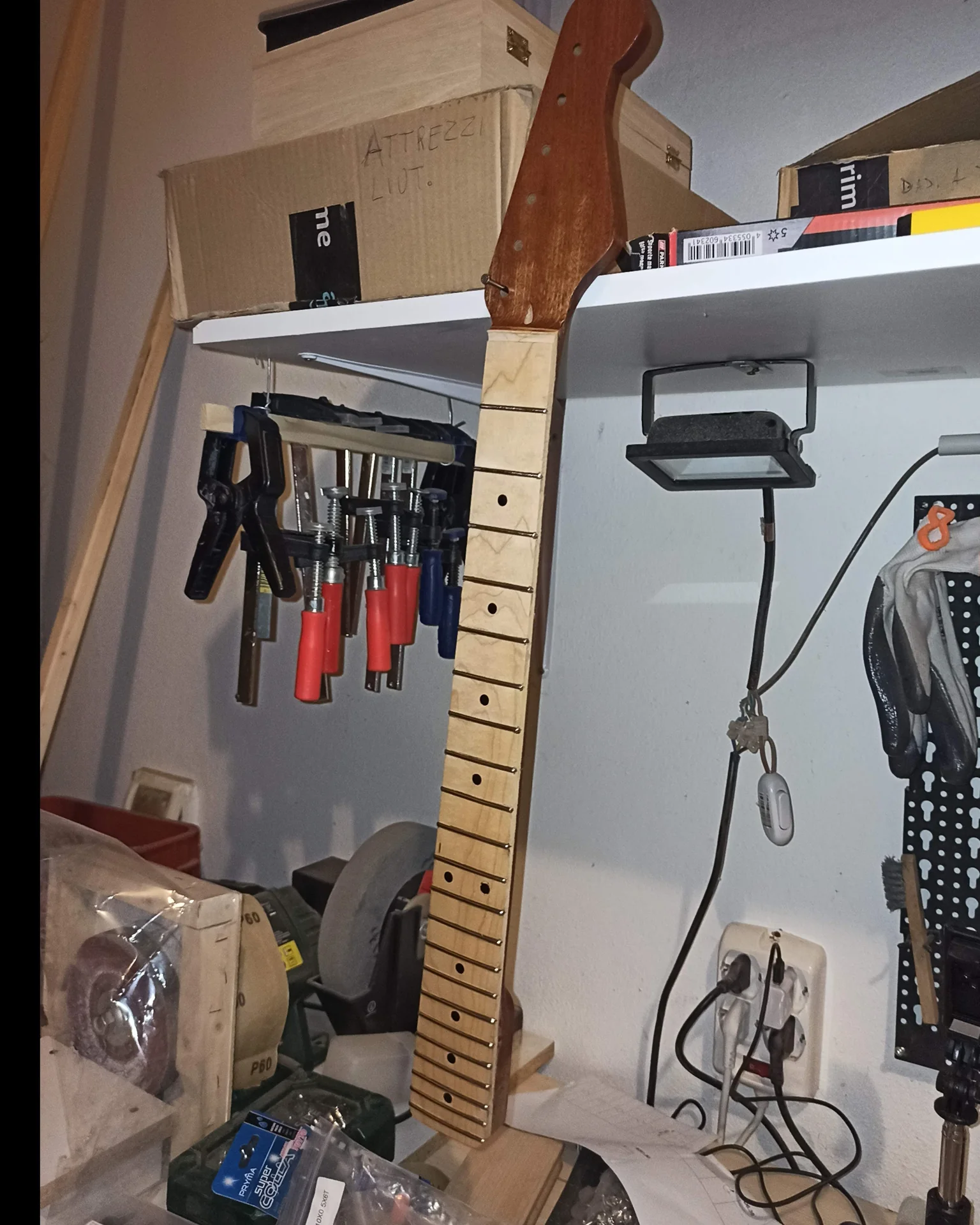
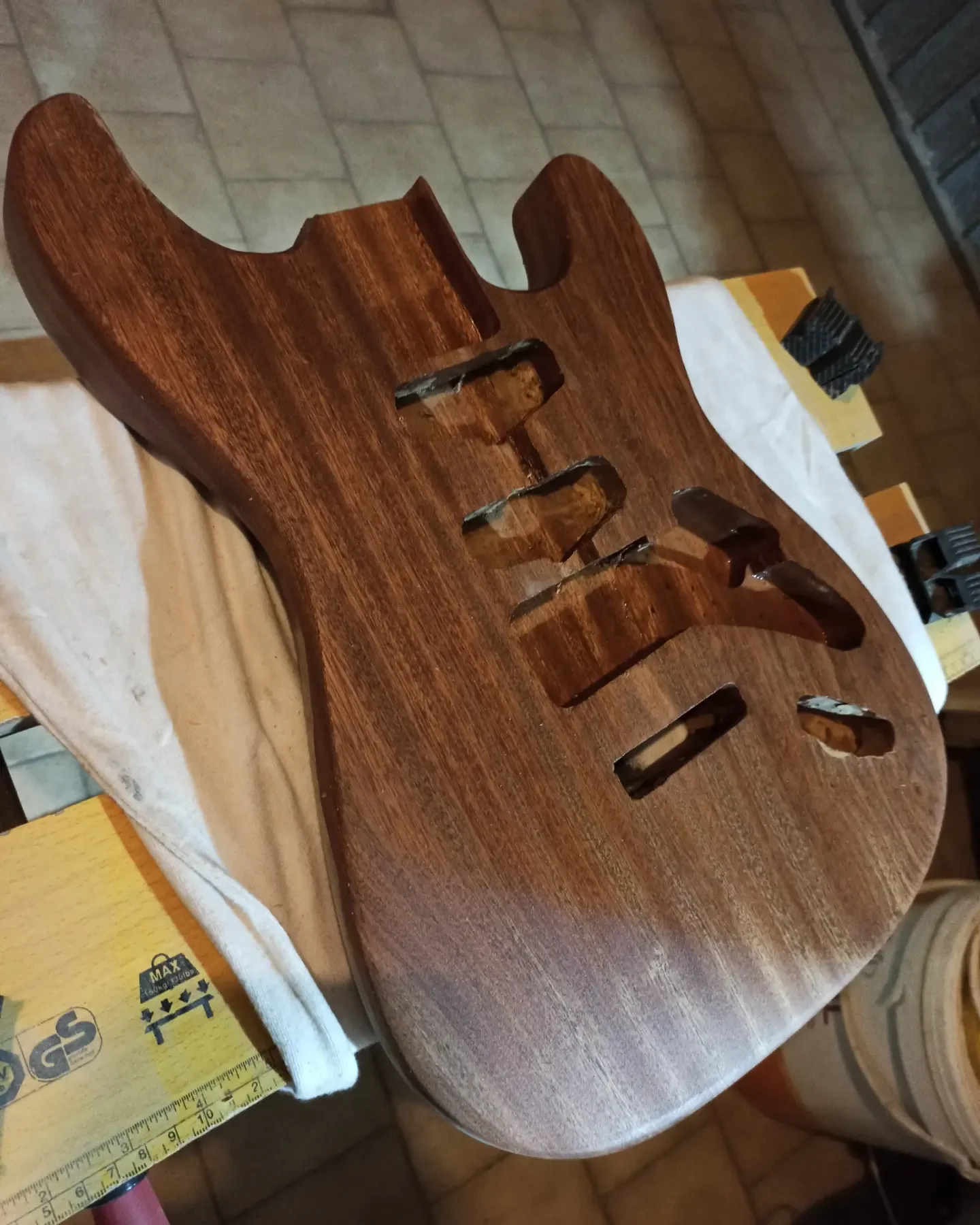
When talking about a Fender Player II Stratocaster, specifications are the starting point. Fender, with the Player series, has tried to condense the essence of the Stratocaster into an accessible but still valid instrument. Let's see what this guitar offers us, model by model, keeping in mind that specifications may vary slightly between different production years and variants (e.g. HSS, HH, etc.).
Body and Neck Wood


The body of the Fender Player II Stratocaster is almost always made of alder. This is a classic wood for Stratocasters, known for its balanced sound, with good lows, present mids, and bright highs. It's not too heavy, which contributes to overall comfort. Alder has been Leo Fender's preferred wood for decades, and for good reason: it offers a resonance and tone that many associate with the 'Strat' sound. The neck is usually made of maple, with a maple or rosewood fretboard depending on the specific model and year of production. Maple fretboards tend to give a brighter attack and more sustain, while rosewood fretboards offer a slightly warmer and softer sound. The neck finish is typically in satin polyurethane on the back, which is very smooth and not sticky, a detail I always appreciate.
Handle Type and Profile
The neck profile of the Fender Player II Stratocaster it's a Modern “C”. This means that it is not
it's too thin
It's too thick, seeking a compromise that is comfortable for most guitarists. It's a versatile profile that adapts well to both those with small hands and those with larger ones. The fretboard curvature (radius) is usually 9.5 inches, which is a modern standard, flatter than old vintage radii (7.25 inches), making it easier to perform bends without “fret out” (the sound stopping when the string is pulled too much).
Pick-up
The pickups mounted as standard on the Fender Player II Stratocaster are the Player Series Alnico 5 Single-Coil Stratocaster. They are designed to offer a classic Stratocaster sound, with that brilliance, that “quack” in the intermediate positions and a good dynamic response. They are not “hot” or super powerful pickups, but they are versatile and cover a wide range of genres, from blues to light rock. The configuration is the classic SSS (three single-coil). Some models offer HSS configurations (humbucker at the bridge and two single-coil) for greater versatility.
Scale and Hardware
The scale is the classic one 25.5 inches, typical of Fender, which contributes to the brilliance and tension of the strings. The hardware is generally chrome-plated. The bridge is a 2-pivot tremolo, which offers good stability and a wide range of motion for vibrato effects. The tuners are standard, non-locking, usually well-made but not top-tier. The nut is made of synthetic material.
Finishing and Relevant Construction Notes
There are several available finishes, often including classic colors such as 3-Color Sunburst, Olympic White, Tidepool, Buttercream, etc. The body finish is typically in glossy polyester, which is resistant to scratches and humidity, but a bit less “organic” compared to nitrocellulose finishes. An important constructive note, which I personally encountered, is that the quality of the fretwork (the processing of the frets) can be a bit variable. Sometimes the frets are perfect, other times slightly rough edges or imperfect sanding are noticeable. It's not a defect that makes the guitar unplayable, but it's a detail on which a luthier or someone with a bit of manual skill can intervene to significantly improve comfort.
Popular Sentiment: What Enthusiasts and Budget-Conscious Buyers Say
Now, specifications are one thing, field experience is another. When it comes to the Fender Player Stratocaster, The web is full of discussions, reviews, and opinions. I've spent hours reading forums like TheGearPage, Reddit, and even the comments under YouTube videos to get a feel for the situation. And the truth is, there's a pretty clear consensus.
What fans and forums say
The first thing that strikes you is that almost everyone agrees that the Player Series represents a excellent value for money. It is considered a solid step up from low- and mid-range Squier guitars, and in many cases, people prefer it to Squier Classic Vibe (while acknowledging the value of the latter) for the “true” Fender feel. Many see it as a ideal platform for modding. Some change the pickups, some the bridge, some the tuners, some the electronics. It's a good enough blank canvas to start customizing without fear of ruining a guitar worth thousands of euros. And this is an aspect I really like, because it's precisely the DIY philosophy. However, not all that glitters is gold. The most common complaints concern: Fretwork: You often hear about frets that aren't perfectly level or have slightly sharp edges, especially toward the ends. This isn't always the case, but it's a recurring problem. This usually requires a good deal of leveling, crowning, and polishing the frets. I've done this on a couple of Players, and the difference has been enormous. Capo: Synthetic bone nuts, while functional, aren't always perfectly cut. This can cause tuning problems or excessively high/low action at the first fret. Swapping for a real bone or TUSQ nut with a precise cut is often one of the first modifications made. Pickups: The stock Alnico 5 pickups are "decent," "passable," and "functional." Rarely do you read any glowing reviews. They're a good starting point, but many guitarists end up replacing them with something more specific to their sound, whether vintage-style, high-output, or noiseless. I myself, on a Telecaster Player, replaced the pickups after a year. Tremolo: The two-point tremolo is stable, but the zamak (zinc) block isn't the best for sustain and resonance. Many replace it with a larger steel or brass block. It's a relatively inexpensive upgrade that can make a big difference. Mechanics: The standard tuners are functional, but not locking. For those who use vibrato a lot or simply want maximum stability, they're another upgrade candidate. The opinion of budget-conscious buyers
Who buys a Guitar Player II often does so because they are looking for the Fender name without reaching the prices of the American Performer or Professional. For them, it's a significant but justified investment. The consensus is that “it feels like a Fender”. The neck feel, body balance, general sound (even with stock pickups) are a clear improvement over many cheaper alternatives. Many buyers with a limited budget, however, expect the guitar to be perfect right out of the box. And here comes the small disappointment for some. As I said, a good setup is almost always necessary. It's not a defect of the guitar itself, but a reality for almost all mass-produced guitars, especially in this price range. And a well-done setup, for those not used to it, costs. In summary, the community sees the Player Stratocaster Like a solid foundation. It's not the guitar of your dreams right out of the box, but with a little care and, if you're willing, a few small adjustments, it can become a faithful and high-performance companion. Pros and Cons in relation to the price
When evaluating a guitar, price is always the most important measure of judgment. It makes no sense to compare a Player with a Custom Shop. We must look at it in its segment. The Fender Player II Stratocaster it is usually positioned in the price range of approximately 800 to 950 euros for a standard model, with some variants that may increase slightly. It is a figure that requires careful evaluation, especially for those who do not have an unlimited budget. PROS of the Fender Player Stratocaster
1. Value for money: It's the strong point. For the cost, you get a guitar with the Fender name, built with solid woods (alder/maple), and with a good level of general manufacturing. It's not cheap, but it's not exaggerated for what it offers either. It gives you a piece of Fender history at a more accessible price. 2. Comfortable Handle: The Modern “C” profile and the satin finish on the back are almost universally appreciated. It's a smooth neck, comfortable for long sessions and suitable for various styles. It doesn't tire your hand, even after hours of practice or concert. 3. Authentic Fender Sound (Basic): Player Series Alnico 5 pickups, while not being the best in the world, offer a recognizable Stratocaster sound. They have a good bell-like tone, decent brightness, and that typical “quack” in the intermediate positions. They are versatile enough for many genres. They give you that “Strat” sound that many are looking for. 4. Great Platform for Modifications: This is my favorite. The alder body and maple neck are an excellent base. Want to change pickups? Easy. Want a better bridge? No problem. Want locking tuners? They fit. You have a solid base on which to build your ideal guitar, spending less than starting from scratch. It's a blank canvas for those who love to customize. 5. Solid Construction: The guitar is sturdy. It's not a toy. The woods are good, the joints solid. It's made to last and to be played. You don't have to worry if you take it around or use it intensely. 6. Resale Value: Being a Fender, it maintains good value over time compared to many other brands. If one day you decide to sell it to switch to something else, you won't lose a fortune. It's an investment that depreciates relatively little. CONS of the Fender Player Stratocaster
1. Inconsistent Fretwork: As mentioned, this is the most common defect. Frets not perfectly leveled or edges a bit rough. It's not an insurmountable problem, but it requires attention during setup or intervention from a luthier (or yours, if you feel adventurous). This is the classic point where an 800-900 euro guitar distinguishes itself from a 2000+ one. 2. “Generic” Pickups: The stock pickups are decent, but they don't have a particularly strong character. They aren't super vintage super modern*. They are a bit of a "jack-of-all-trades" that, for some, might seem a bit anonymous. If you are looking for a specific sound (SRV, Gilmour, Hendrix, etc.), you will probably have to change them. 3. Hardware Can Be Improved: The non-locking tuners and the zamak tremolo block are the first candidates for an upgrade. They are not bad, but they are not even at the top of the Fender range. If you use the vibrato a lot, you might have tuning stability issues. 4. Required Setup: Almost always, the guitar will need a complete setup as soon as it's bought. Action, intonation, pickup height, truss rod… all to be checked. It's not a defect, but an additional cost (of time or money) to consider. 5. Thick Polyester Finish: If you are a tone purist or a lover of thin finishes that let the wood “breathe”, thick glossy polyester might not appeal to you. It's durable, but a bit like armor. In relation to the price (which often ranges between 800 and 950 euros, depending on offers and the specific model), the cons are more “areas for improvement” rather than serious defects. These are the classic compromises made to fit into a certain price range. The good news is that these are all solvable problems with a bit of work and some spare change.
Who is the Fender Player Stratocaster suitable for? And who should avoid it?
Understanding who a product is aimed at is crucial. There's no such thing as a "perfect guitar for everyone.".
Who is this guitar suitable for?
1. The Intermediate Guitarist Who Wants an Upgrade: If you learned to play on a Squier Affinity or Bullet and feel it's time for a step up, the Player Stratocaster It's the right choice. It will give you a more “true” Fender feel, a more solid sound, and a more responsive guitar. It's a significant step without the huge expense of an American. 2. The DIY and Modding Enthusiast: This is where I come in. If you like to tinker, change pickups, improve the hardware, set up your guitar, this is an excellent base. The body and neck are of good quality, and the upgrades you make will truly be valued. It's the perfect guitar for learning to make small modifications without the fear of ruining something very expensive. Think of all the possibilities this instrument offers! 3. Those looking for a reliable second guitar: Maybe you already have a Gibson or another guitar, but want a versatile Stratocaster to complete your arsenal. This Player Strat it can be your “workhorse” for rehearsals, concerts, or simply to have that classic Fender sound at hand. It won't disappoint you. 4. Who Wants the Fender Sound and Feel Without Breaking the Bank: It's simple. Do you want the logo on the headstock, the comfort of a Strat, and a recognizable sound? The Player offers you all this at an accessible price. It's the entry into the “true” Fender world.
For whom is it best to avoid it?
1. The Absolute Beginner: If you’re just starting out with electric guitar, the price might be a bit too high. A good Squier Classic Vibe or a Yamaha Pacifica 112V will give you an excellent foundation to learn on for less money. It’s better to invest the extra money in a good amplifier or lessons. There’s no point starting with an overly expensive instrument if you’re not sure you want to continue. 2. The Vintage Tone Purist Who Doesn't Want to Change: If you are looking for an ultra-vintage and specific Stratocaster sound (like ’50s or ’60s style) and you don't want to modify the guitar in any way, the stock pickups of the Player might not satisfy you. It's better to look at Fender's Vintera series, or the used market for an American Vintage. These guitars offer a more defined character. 3. Those looking for top-of-the-line out-of-the-box products: If you already have an American Professional or a Custom Shop, the Player Stratocaster it won't be an upgrade. It will be a downgrade in terms of component quality, fretwork precision, and attention to detail. It's not the guitar that will make you say “wow” if you're used to luxury. It's a step below, and that's how it should be. 4. Who doesn't want to mess with the setup or make small changes: If you're expecting a perfect guitar right out of the box, without any work, you might be disappointed. As I said, setup is almost always necessary, and small adjustments can improve the experience. If you don't want to do it yourself or pay a luthier, it might not be the best choice.
Final advice and alternatives
So, after having thoroughly examined it, what do I tell you? Fender Player Stratocaster It's a guitar I like. Not because it's perfect, but because it's honest. It gives you a solid foundation, a genuine Fender feel, and invites you to get your hands on it. And that's the beauty of it, isn't it? Transforming a good product into something your. If you are an intermediate guitarist, or a DIY enthusiast, and you have a budget between 800 and 1000 euros, this Guitar Player II it's an excellent choice. Don't expect perfection, but expect a guitar that, with a good setup (maybe done by you!), and some small targeted upgrades, can become a real war machine. Remember, the first step is always a good setup, then maybe a bone or TUSQ nut, and then, if the sound doesn't convince you, a set of pickups that better reflect your style. If you're interested in learning more about modifications, I've written a bit about how to improve your guitar here: guitar modification.
Alternatives to consider
it's not the only guitar on the market in this price range, obviously. If the Player Strat doesn't convince you 100%, here are some alternatives you might consider: 1. Squier Classic Vibe Series: If your budget is tighter (around 400-500 euros), Squier Classic Vibe offer exceptional value for money. They have a surprisingly good feel and sound for their cost, often with attention to vintage aesthetic details. They are also great for modding, but start from a slightly lower base. They are an excellent choice for those who want to spend less but still have a good instrument. 2. Fender Vintera Series: If your budget allows (we are around 1000-1200 euros) and you are looking for a more specific feel and sound, inspired by vintage models from a particular era (50s, 60s, 70s), Vintera are an excellent choice. They offer neck and pickup profiles more faithful to historical models, but with the comfort and reliability of a modern guitar. If you want a more pronounced vintage sound, this is the way. 3. G&L Tribute Series: G&L Tribute (which stands for George & Leo, the founders of Fender who then created G&L) are often underestimated. They offer excellent build quality, high-level pickups (often the same as USA models) and interesting innovations (like the Dual-Fulcrum tremolo system). They are worth every penny and are often comparable or superior to Player models in some aspects. For example, the Magnetic Field Design pickup system is really interesting. You can find a good general comparison on sites like Premier Guitar. 4. Yamaha Pacifica 612 VII FM: If you are looking for versatility and excellent overall build quality, the Yamaha Pacifica 612 is a killer machine. Seymour Duncan pickups (HSS), Grover locking tuners, Wilkinson bridge. It doesn't have the Fender logo, but it's an extremely high-performing and well-made guitar for the price (often similar to the Player). It's a great alternative for those looking for pure performance. 5. Used Market (Fender American Standard/Professional): Never underestimate second-hand items. With a bit of patience and research, you might find a used Fender American Standard or an American Professional in good condition for a price not too far from a new Player. Here, however, you need to be good at evaluating the guitar or get help from someone experienced. The second-hand market is a fascinating world, full of deals. The choice, in the end, is always personal. But I hope this chat has given you the tools to make yours. If the Fender Player Stratocaster It's calling, go for it. You won't regret it, especially if you like the idea of making it your own, piece by piece. That's the beauty of DIY, right?
FAQ
Is the Fender Player II Stratocaster worth its price compared to the Squier Classic Vibe?
Yes, generally the Fender Player II Stratocaster offers a significant step forward in terms of build quality, woods, and overall feel compared to the Squier Classic Vibe. If the budget allows, the Player is a better investment for those looking for a true Fender instrument. The Classic Vibe still remains an’ excellent option for those on a more limited budget.
Is it necessary to change the pickups on the Fender Player II Stratocaster?
It is not strictly necessary, the stock pickups are functional and offer a recognizable Stratocaster sound. However, if you are looking for a more defined, specific, or characteristic tone, replacing the pickups is one of the most common and rewarding modifications to make on this guitar to customize the sound.
See also
Download the Luthier Survival Kit
Free PDF with checklist, problem-cause table and project card template.
 English
  Italiano
Stuck on your build?
If you ran into the same problem or have a question, drop it in the comments. I read and reply to every one.
Write a comment