

Best country guitar: buying guide
Search for the best country guitar è un po’ come cercare il Santo Graal per il chitarrista che ama il twang, il chicken picking e le sonorità pulite, cristalline, che bucano il mix. Magari hai già una Stratocaster o una Les Paul, ma senti che manca qualcosa quando cerchi quel suono alla Brad Paisley o alla Brent Mason. Non sei l’unico, fidati. Ci sono passato anch’io. Quando ho iniziato a smanettare con i primi pezzi country, la mia Les Paul suonava… beh, suonava da Les Paul. Grande, grossa, potente, ma non aveva quel “snap” secco, quella brillantezza quasi metallica che senti nei dischi. Ho provato mille pedali, equalizzatori, ma era chiaro che il problema era alla radice: lo strumento. Non serve per forza svenarsi per avere una buona chitarra per il country. L’importante è capire cosa cercare, perché certe caratteristiche contano più di altre. E, te lo dico subito, spesso non è una questione di spendere cifre folli. È più una questione di scegliere lo strumento giusto e, magari, di saperci mettere le mani sopra per ottimizzarlo.
What makes a guitar “country”? The key points
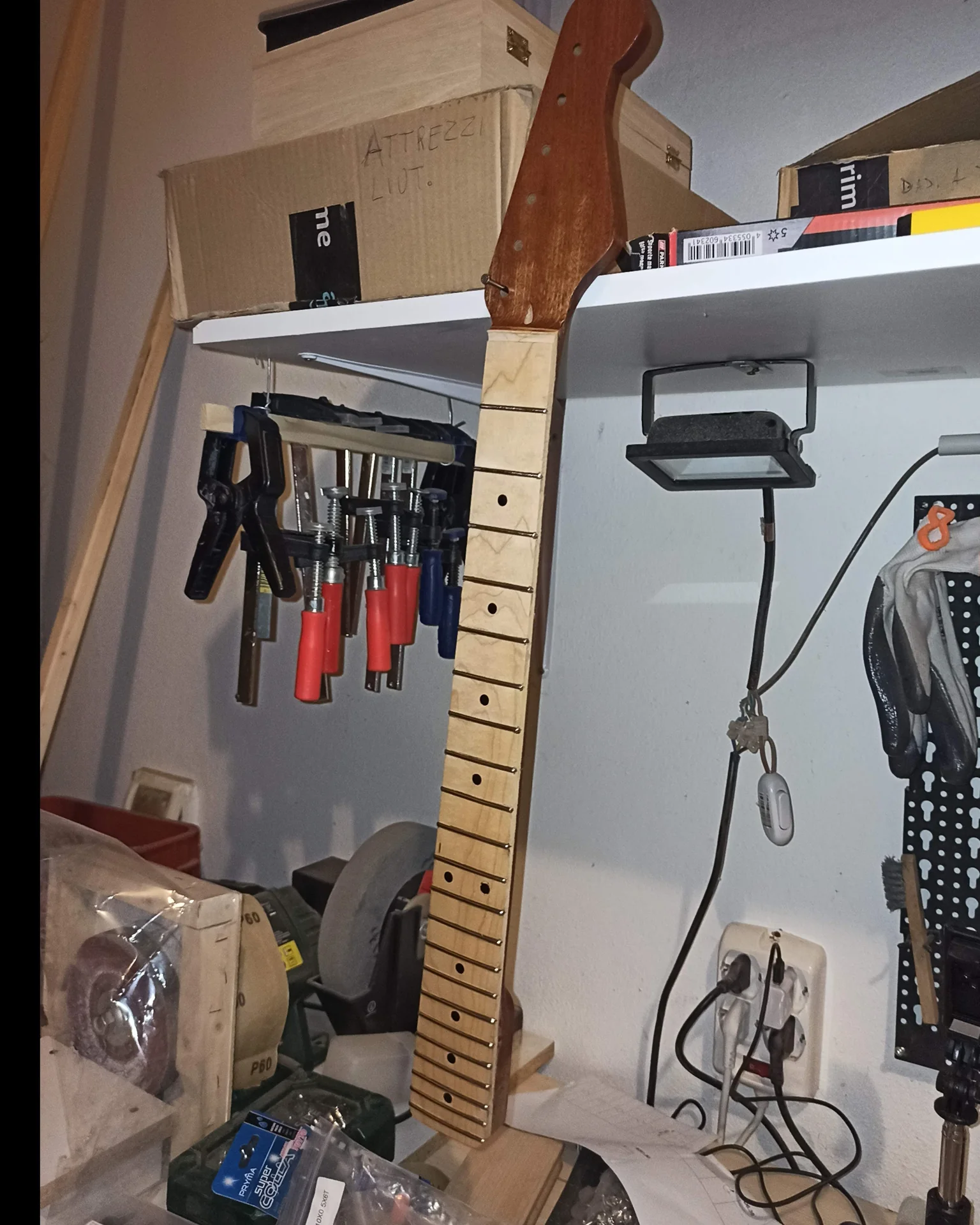
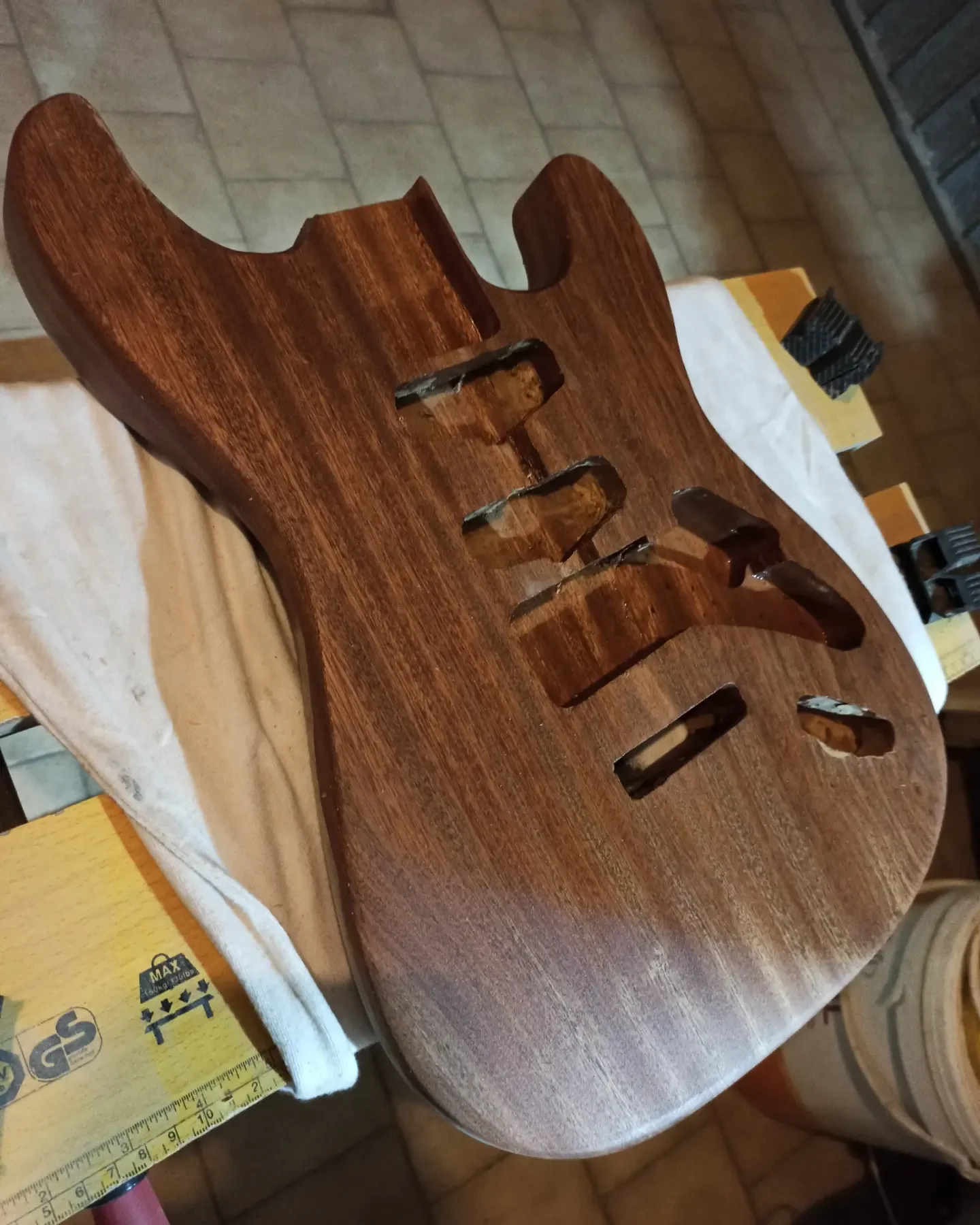
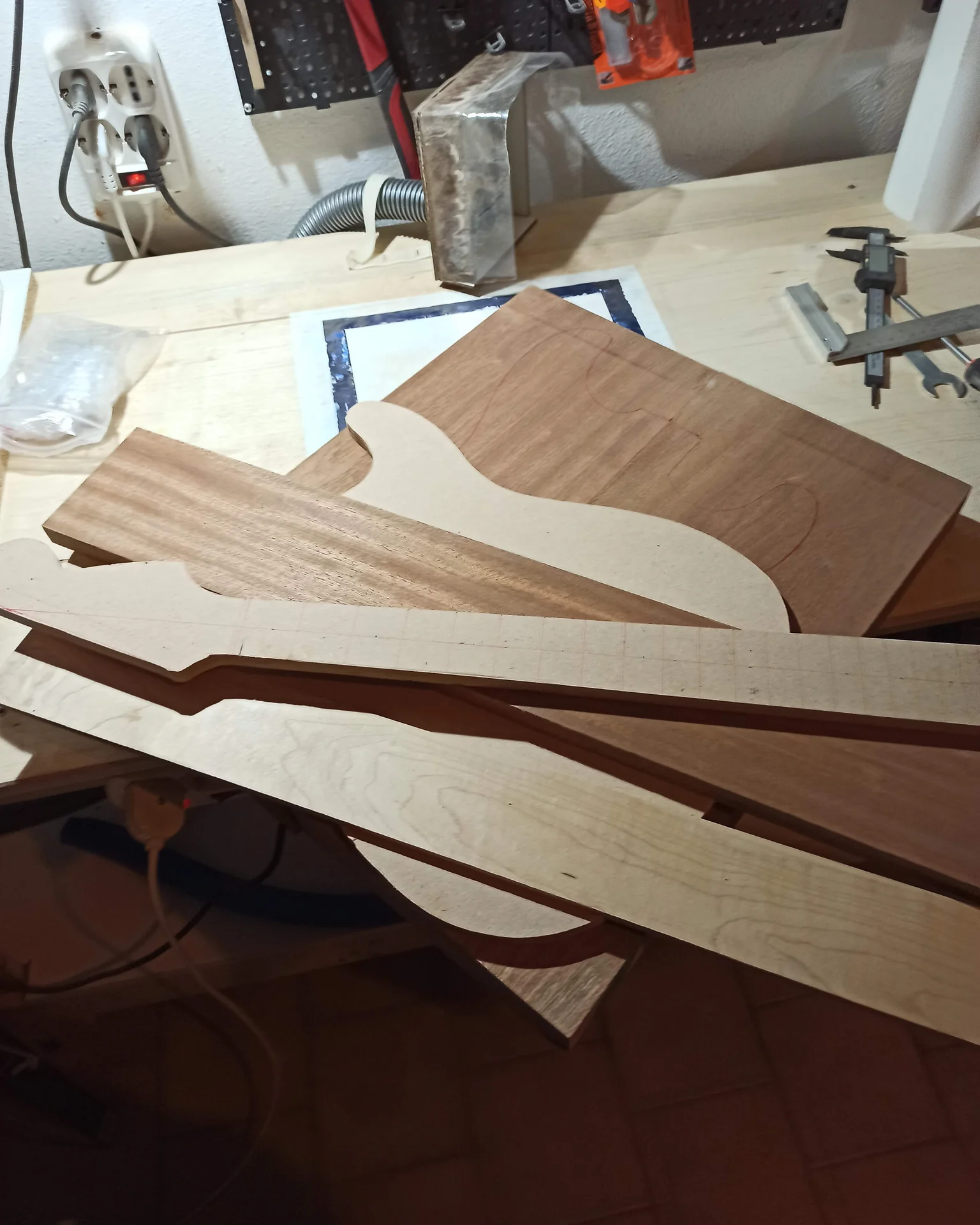
Before diving into purchases, it’s essential to understand what elements define the country sound in a guitar electric. It’s not just the bridge pickup; there’s a set of factors that contribute to that unmistakable tone.
Pickups: the heart of the sound
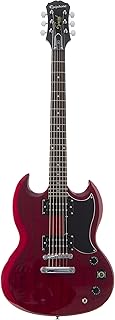

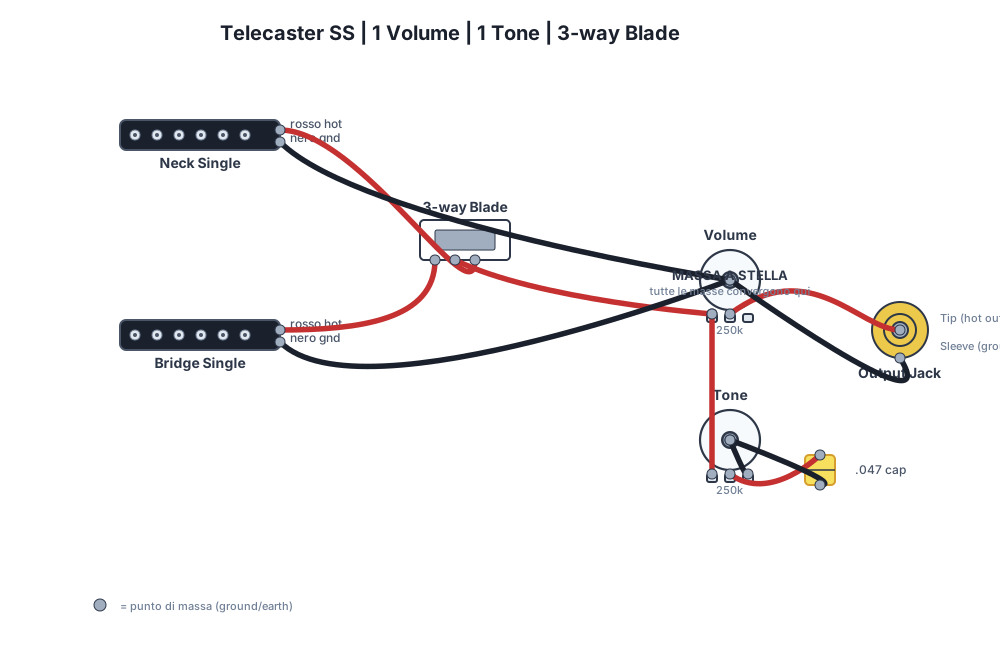
This is where the most important game is played. For country, the single coil sono quasi un must. Parliamo di pickup che offrono chiarezza, brillantezza e una risposta dinamica incredibile. Single-coil Telecaster: The undisputed king. The bridge pickup on a Telecaster, especially those with a metal baseplate, brings out that twang you hear in classics. It's crisp and punchy, with a percussive attack that lets you make notes pop. The neck pickup is rounder but still defined, excellent for clean chords or smoother solos. Single-coil Stratocaster: The Stratocaster can also do a great job, especially in the middle positions (2 and 4) which give it that quacky, crystal-clear sound. It's a little less aggressive than a Telecaster in the bridge position, but it certainly doesn't lack character. P90: A fatter type of single-coil, with a thicker and more mid-range sound compared to a traditional single-coil, but still with clarity and attack. If you like country with blues or rockabilly influences, a P90 can be an interesting choice. Humbucker (with reservations): Humbuckers are usually too hot and dark for more traditional country. However, if you're looking for a more modern, fusion-country sound, or if your guitar has the ability to coil-split (divide the humbucker into two single-coils), then they can make sense. But for pure twang, I'd say no.
Wood and construction: an impact not to be underestimated
Wood matters, even if on an electric guitar, electronics often prevail. For country, we look for woods that favor brightness and sustain. Body: Ash: Very common on vintage Telecasters. Lightweight, with a bright tone, good resonance, and remarkable sustain. It's excellent for country. Alder: Another Fender classic. Less bright than ash but with more pronounced mids and good balance. It sounds great and is found on many Telecasters and Stratocasters. Pine (Pine): Used by Fender in some vintage models and reissues. It has a sound similar to ash, very resonant and bright. Squier Classic Vibe often uses pine. Mahogany: Darker and warmer, typical of Gibson. It's not the first choice for pure country, but on semi-hollow guitars (like some Gretsch) it can give a nice full-bodied and resonant sound, perfect for rockabilly or blues-country. Handle: Maple: The maple neck, especially with a maple fingerboard, is another cornerstone of the country sound. It adds sparkle and attack, contributing to that percussive snap. Rosewood: Warmer and rounder than maple, it slightly dampens the highs. It's fine, but for more classic country, maple is often preferred.
The scale: tension and harmonics
The scale length (the distance between nut and bridge) affects string tension and tone. Long scale (25.5 inches): Typical Fender. Greater string tension, which translates into more brightness, sustain, and a more defined attack. Ideal for twang and precise bending. Short Scale (24.75 inches): Typical Gibson. Lower tension, warmer and rounder sound, easier bending. Less common for pure country, but on some semi-hollows or for a more bluesy country it can work.
The bridge: stability and resonance
The bridge also plays its part, especially for sustain and vibration transmission. Hardtail (fixed bridge): The preferred choice for country. Maximum tuning stability, greater sustain and better transmission of vibrations to the body. The Telecaster “vintage style” bridge with three brass saddles (barrel saddles) is iconic for its contribution to twang. Tremolo (Stratocaster type): It can be used, but it's less common in traditional country. If you love Chet Atkins-style vibratos, a Bigsby on a Gretsch is another story. But for Telecaster-style country, a fixed bridge is the way.
Quick diagnosis: what's your problem?
Ok, hai capito la teoria. Ora, qual è il tuo problema specifico? 1. “I don't have a suitable guitar and I want to start.” Solution: Hai bisogno di una chitarra versatile, economica ma con un buon suono di base. Il rischio è basso, ma vuoi evitare di spendere male. 2. “I already have a guitar but it doesn't sound ‘country’ as I'd like.” Solution: Potresti aver bisogno di una chitarra specifica o di fare delle modifiche. Il rischio è medio, potresti spendere per qualcosa che non risolve il problema. 3. “I want an upgrade, or a second guitar dedicated to country, but I don't want to empty my wallet.” Solution: Cerchi il miglior rapporto qualità/prezzo, magari una base eccellente per futuri upgrade. Il rischio è alto se compri a scatola chiusa senza conoscere i difetti comuni. Il lettore vuole togliersi i dubbi prima di comprare, proprio come farebbe un amico. Quindi, andiamo dritti al sodo. La mia soluzione consigliata, quella che ha il minor rischio e il miglior rapporto qualità-prezzo per iniziare o per avere un’ottima base per il country, è spesso una affordable but well-made Telecaster. And here comes the Squier Classic Vibe ’50s Telecaster. The Squier Classic Vibe ’50s Telecaster: The choice of many
Quando si parla di chitarre economiche che suonano da paura, la serie Classic Vibe di Squier è sempre in cima alla lista. E per il country, la versione ’50s Telecaster è un vero cavallo di battaglia. Ti dà il suono, l’estetica e la sensazione giusta senza farti vendere un rene. Ho avuto diverse Squier in mano, alcune le ho modificate pesantemente, altre le ho solo messe a punto. Le Classic Vibe sono una categoria a parte. Non sono le solite chitarre da battaglia per principianti. Sono strumenti seri, con un rapporto qualità-prezzo che fa impallidire modelli ben più costosi. Technical Specifications (Squier Classic Vibe '50s Telecaster)
These are the data that count, the ones I have verified several times on manufacturers' websites and in stores. Body: Pine (Pine). Yes, pine! It's a light and resonant wood, which contributes to that bright and “airy” sound typical of vintage Telecasters. It's not a scrap wood; on the contrary, it's a return to origins in some ways. Handle: Maple (Maple), with a thin “C” profile. The “C” profile is a classic, comfortable, and versatile. The finish is glossy, a bit “sticky” for some, but many appreciate it for the vintage feel. Keyboard: Maple (Maple), with a 9.5″ (241 mm) radius. A modern radius that makes bending easier and the action can be set nice and low without fret-out. Keys: 21, Narrow Tall type. A good compromise between small vintage frets and modern jumbo frets. They offer good control without being exaggerated. Stairs: 25.5″ (648 mm). The long Fender scale, as we said, is fundamental for sustain, clarity, and twang. Pick-up: 2x Fender Designed Alnico Single-Coil Telecaster. These are not your usual generic pickups. They are designed by Fender to emulate the sound of vintage Telecasters. They have Alnico magnets (often Alnico V at the bridge and Alnico III at the neck, but it can vary between series), which give a warm, dynamic sound with a good dose of twang. Controls: 3-position pickup selector, Master Volume, Master Tone. The standard Telecaster configuration. Hardware: Telecaster vintage-style string-through-body bridge with 3 brass saddles (barrel saddles). This bridge is crucial for sustain and tone. The brass saddles are a vintage touch that many appreciate. The tuners are vintage-style, non-locking. Finish: Gloss Polyurethane for the body, Tinted Gloss Urethane for the neck. Polyurethane finishes are durable, although some prefer nitro for resonance (but here we are in a different price range). The tint on the neck gives a very pleasant aged look. Relevant construction notes: The attention to detail for the price is remarkable. Classic Vibe guitars are known for good care in assembly and wood selection, which is not a given for guitars in this price range. Popular sentiment: what enthusiasts and buyers say
I've spent hours on guitar forums, from The Gear Page to the Telecaster Discussion Forum, as well as reading tons of customer reviews. The consensus on the Squier Classic Vibe '50s Telecaster is almost unanimous: it's one of the best "entry-level" guitars (though it's now outgrown that definition) on the market. The advantages that everyone emphasizes: The sound: This is the most striking thing. Many say it doesn't sound like a Squier, but rather like a Fender Made in Mexico, if not more so. The twang is there, the brightness is there, and the sound is believable and authentic for the genre. The handle: Highly appreciated for its comfort and playability. The gloss finish doesn't bother most guitarists; in fact, it adds to the vintage feel. The quality/price ratio: This is the strong point. You get a tool that competes with higher price ranges. The aesthetics: The Butterscotch Blonde finish with black pickguard is iconic and many find it beautiful. The flaws and areas for improvement (to be honest): The nut: This is a classic on almost all budget guitars. It's often made of plastic and can be poorly cut, causing tuning problems or buzzing. It's the first thing I check and, if necessary, replace with a Tusq or bone one. It's an inexpensive upgrade, but it makes a difference. The mechanics: They work, but they are not the ultimate in precision and stability. They tend to lose their tuning more easily, especially with aggressive bending. Many change them with locking tuners or higher quality vintage-style tuners. The electronics: The potentiometers and the selector are functional, but they are not of the highest quality. Sometimes the selector can be a bit 'scratchy' or not very robust. It can be improved with a few euros, but it's not strictly necessary right away. The fret ends: A volte possono essere un po’ affilate, specialmente sui modelli più economici. Si risolve facilmente con una limetta per fret, ma è un lavoro che richiede un po’ di attenzione. Nella mia esperienza, le Classic Vibe sono sempre state delle ottime basi per modifiche. Se hai voglia di sporcarti le mani, con pochi interventi mirati puoi trasformare una buona chitarra in una chitarra eccezionale. Ho visto gente cambiare pickup, ponte, meccaniche e avere uno strumento che surclassava Fender Made in Mexico da 700-800 euro. Se ti interessa approfondire, qui su biafax.it abbiamo diverse guide su come fare una guitar modification, even starting from scratch. PROS and CONS in relation to the price
Let's analyze the strengths and weaknesses of this guitar, always considering its cost. PROS:
Unbeatable price: For the quality offered, the price is truly competitive. It's hard to find better in this range. Authentic Telecaster sound: The Fender Designed pickups do their job. The twang is there, as is the brightness. It’s exactly the kind of sound you’re looking for for country. Comfortable neck: The “C” profile and modern fretboard radius make it easy to play for hours. Iconic vintage aesthetic: The ’50s look is timeless and appeals to all lovers of the genre. Great base for upgrades: If you want to spend a little more in the future, you can upgrade the tuners, pickups, or nut and have a higher-level instrument. Quality body wood: Pine is an excellent and unexpected choice for this price range, contributing to resonance. AGAINST:
Entry-level hardware: The tuners and potentiometers are functional but not exceptional. They might require a long-term upgrade. Nut often needs adjustment: It's the most common thing to check and, if necessary, replace to improve tuning stability and intonation. Possible small imperfections: Being a low-cost mass-produced guitar, it's possible to find some small blemishes in the finish or on the fret ends. Nothing serious, but to be taken into account. Glossy neck finish: For those accustomed to satin necks, it might feel a bit “sticky” at first. Who is it suitable for / Who should avoid it?
Understanding if an instrument is right for you is the most important step. There is no perfect guitar for everyone. Who is it suitable for:
Beginners and intermediates: If you're starting to play country or want a dedicated second guitar without spending a fortune, this is an excellent choice. Lovers of classic twang: If your reference is the pure ’50s Telecaster sound, the Classic Vibe will give you great satisfaction. Modders and DIY hobbyists: If you like to get your hands on instruments and want a solid base to customize, this guitar is a dream. You can experiment with different pickups, electronics, tuners, without the fear of ruining an expensive instrument. Those with a limited budget but who want quality: Despite the low price, the build and sound quality is surprisingly high. As a backup or battle tool: It's sturdy enough to take some abuse and affordable enough that if it gets scratched, you won't have a heart attack.
Who should avoid it:
Demanding professionals: If you need a stage instrument that is perfect from day one, without a single defect and with top-of-the-line hardware, you will probably have to spend more on a Fender American Performer or Professional. Those who don't want to do any setup or upgrades:If you're looking for a “plug & play” guitar that's perfect right out of the box, you might be disappointed by small imperfections or the need for a professional setup. Who is looking for a modern/fusion country sound: If your country music is more oriented towards rock or jazz fusion sounds, you might prefer guitars with splittable humbuckers or more versatile semi-hollow guitars. Who hates glossy necks: The glossy finish of the neck is a matter of personal taste. If you really can't stand it, you might have to sand it down (but it's an irreversible operation, think carefully!).
Final advice and alternatives
Allora, se mi chiedi: “Mimmo, devo comprare una chitarra per il country, cosa prendo?”, la mia risposta, per la fascia di prezzo media, va quasi sempre sulla Squier Classic Vibe ’50s Telecaster. È un cavallo di battaglia, uno strumento onesto che ti dà un sacco per quello che costa. Quando la compri, mettila subito nelle mani di un buon liutaio per un setup completo. Fagli controllare il capotasto, l’action, l’intonazione e i fret ends. Fidati, un buon setup trasforma qualsiasi chitarra. E se poi, dopo qualche mese, senti che le meccaniche non tengono bene o vuoi un pickup con più “grinta”, sai che puoi intervenire senza problemi. Anzi, è proprio questo il bello del DIY: personalizzare il tuo strumento.
Valid alternatives (if the budget changes or you're looking for something else)
If the Classic Vibe doesn't convince you or you have a slightly different budget, here are some other options: Higher budget range (but still accessible): Fender Player Telecaster (Made in Mexico): A significant leap in quality. More powerful Alnico V pickups, better hardware, impeccable finish. It's a true workhorse. The price is almost double the Classic Vibe, but the quality is palpable. G&L Tribute ASAT Classic: G&Ls are often underrated. The Tribute (made in Indonesia) offers quality construction and MFD (Magnetic Field Design) pickups that are an interesting take on single-coils, with excellent punch and clarity. They're worth every penny. For a different country sound (more rockabilly, bluesy): Gretsch Streamliner G2622T: If you're looking for a semi-hollow, rounder, and warmer sound with a touch of rockabilly, this is a great choice. The Broad'Tron humbuckers are bright and defined. It has a Bigsby pickup, which is a plus for certain styles. Epiphone Casino or Dot: For a more bluesy-rocky country sound, or with a jazzy feel, an Epiphone semi-hollow can be very satisfying. The Casino P90s are fantastic, full-bodied, and dynamic. The DIY option (for the bravest!): If you're obsessed with building your own Telecaster from scratch or assembling it from a kit, well, you know where to find guides and advice. Building your own custom Telecaster can be an incredible experience and allows you to choose every single component. And in the end, you'll have a unique instrument, tailor-made just for you.
FAQ: Common Questions About Country Guitar
Here I answer some questions I often get asked.
Do you absolutely need a Telecaster to play country?
or, not serve per forza. Ma la Telecaster è l’archetipo, il riferimento. Molti chitarristi country usano anche Stratocaster, alcune Gretsch semi-hollow, o persino chitarre con P90. L’importante è che lo strumento permetta di ottenere un suono pulito, brillante, con buon attacco e dinamica. La Telecaster semplicemente eccelle in questo. Diciamo che è la scelta più “sicura” e iconica.
Can I use a guitar with humbuckers for country?
Of course you can. Many modern country guitarists, especially those who blend the genre with rock or blues, use guitars with humbuckers. Think of Albert Lee with his Music Man. However, to get that classic “twang”, you'll have to work more with the amplifier and pedals. Often, splittable humbuckers (coil-split) are used to get a sound more similar to a single-coil, or low-output humbuckers. Don't expect the sound of a bridge Telecaster, though.
Which pedals are essential for country sound?
If we're talking about pedals, there are three that I consider almost indispensable for country:
- Compressor: Fundamental for leveling the sound, increasing sustain, and giving that “pop” to chicken picking. A good compressor is your best friend.
- Light Overdrive: Not for distortion, but to give some push, “grit” and warmth to the sound, especially for solos. A Tube Screamer or a Klon-like are excellent choices.
- Delay: To add depth and spatiality, an analog or digital delay with a short time and few repetitions is perfect for recreating the “slapback” effect typical of many country songs.
With these three, you're already well on your way to covering most country sounds.
Is a tube or transistor amplifier better for country?
Per il country più tradizionale, un buon amplificatore a valvole Fender-style è quasi d’obbligo. Parliamo di Twin Reverb, Deluxe Reverb, Princeton Reverb. Offrono un headroom elevato (rimangono puliti anche a volumi alti), un suono brillante e un riverbero a molla fantastico. Però, anche molti amplificatori a transistor moderni hanno fatto passi da gigante e possono offrire suoni puliti eccellenti. Se il budget è limitato, un buon transistor con un suono pulito cristallino può essere un’ottima base. L’importante è che l’amplificatore non colori troppo il suono e abbia un buon pulito. Per approfondire il gear utilizzato dai grandi del country, ti consiglio di dare un’occhiata a questo articolo di Premier Guitar che parla delle iconiche chitarre country e del loro suono: Iconic Country Guitars & Sound. È sempre utile vedere cosa usano i professionisti per capire le scelte dietro il loro timbro. Spero che questa guida ti abbia chiarito un po’ le idee. Ricorda, il viaggio del chitarrista è fatto di prove, errori e scoperte. Non avere paura di sperimentare e di mettere le mani sul tuo strumento. È così che si impara davvero!
Download the Luthier Survival Kit
Free PDF with checklist, problem-cause table and project card template.
 English
  Italiano
Stuck on your build?
If you ran into the same problem or have a question, drop it in the comments. I read and reply to every one.
Write a comment