

Best Indie Guitar: Buying Guide 2024
Hello everyone, guys from the garage and beyond! Today we're talking about a topic that's close to my heart: best guitar indie. Don't think of ready-made solutions or magic. This is about understanding what to look for, why certain guitars work, and how, if you don't find yours right away, you can build or modify one from scratch. I'm Mimmo, and as you know, I'm not a luthier with a degree, but someone who's spent hours in his workshop disassembling and reassembling, and who's learned that with a little elbow grease and the right information, you can do almost anything.
The "indie" sound is a vast universe, I know. There's no single recipe. But there are recurring ingredients, vibes you recognize. And often, behind that sound, there's a guitar that's not afraid to be a little raw, a little experimental, or simply a revisited classic. Let's see together how to navigate it and, above all, how to not be afraid to get your hands dirty.
1. What Makes a Guitar "Indie"? Understanding Sound and Characteristics
When we talk about "indie," we're not defining a rigid musical genre, but rather an approach, an attitude. Often, we're looking for a sound that's recognizable, with character, perhaps a little...“ jangly, sometimes dirty, other times crystal clear and spacious. The great thing is that you don't have to spend a fortune to get it.
The history of indie music is full of artists who have used "odd" guitars or models considered lesser-known, turning them into icons. Think of Fender's offset-body guitars, like the Jazzmaster and Jaguar, or Epiphone's semi-hollows. They weren't the first choices for classic rock, but in the indie context, they found their voice. This teaches us that there is no hard and fast rule, but plenty of room for experimentation.
However, there are some common characteristics often found in the guitars that define the indie sound. It's not an exact science, but it's a good starting point for understanding what to look for.
Versatile Pickups: People often look for bright, defined single coils, like those found on Telecasters, or P90s, which are a cross between a single coil and a humbucker, with more body and bite. Low-output humbuckers can also work well, especially if splittable, to provide tonal options. Why? Indie guitars often sound clean or lightly overdriven, and clarity is needed.
Offset and Semi-Hollow Bodies: Unconventional shapes like those of the Jazzmaster and Jaguar aren't just for aesthetics. Larger bodies, sometimes with chambers (like semi-hollows), can affect resonance and sustain. A semi-hollow, for example, adds acoustic resonance that can give the sound more warmth and depth, perfect for arpeggios or open chords.
Non-Locking Tremolo Systems: Many indie guitarists love “vintage style” tremolos, like those on Jazzmasters/Jaguars or Bigsbys. They're not made for extreme dive bombs, but for subtle vibrato., shimmer or light pitch bend. This adds a touch of expressiveness and a particular color to the sound, without distorting it.
Short or Long Scale, but with Precise Choices: Scale length affects string tension and tone. The Fender Jazzmaster and Jaguar, for example, have different scales (25.5" for the Jazzmaster, 24" for the Jaguar), which give them different feel and sound. A shorter scale makes the guitar softer to play and produces a denser sound, while a longer scale is tighter and brighter. There's no "best"; there's what suits your sound.
Remember, the point is not to copy, but to understand. If you know why a Jazzmaster sounds a certain way, you can look for guitars with similar characteristics, or think about how to modify your guitar to get closer to that timbre. Don't be afraid; the important thing is to experiment.
2. The Classics That Never Fail (for Every Budget)
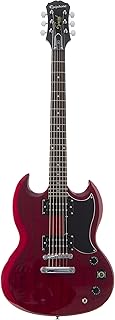

Okay, we've figured out what makes a guitar "indie" in the broadest sense of the word. Now, let's look at the flagships, the models that, if you find them, you know you won't look bad. And, importantly, we'll also talk about how to find them without breaking the bank.
You don't necessarily need the USA Custom Shop model, trust me. I've learned that you can often achieve the 70-80% result with a good base and a 20% of targeted modifications.
Fender Jazzmaster / Jaguar: Why: They are the undisputed queens of indie sound. Their large single coils (not the classic Stratocaster) offer a sound often described as "jangly," bright but with good body. The floating tremolo system is perfect for subtle vibrato and sonic textures. The unique circuitry, with extra switches and knobs, allows for remarkable tonal versatility.
Pros: Iconic sound, distinctive aesthetics, great versatility. Tremolo is addictive if you learn how to use it well.
Against: The tremolo can be a little tricky to get right at first, and the stock bridges (especially the Jaguar's) sometimes aren't the best in terms of stability and sustain. But they can be improved, trust me.
Options for every budget: Entry level: Squier Classic Vibe Jazzmaster/Jaguar. Excellent foundation, with a good setup and maybe a pickup swap in the future, these are powerhouses. They're inexpensive, but they already sound great.
Intermediate: Fender Player Series Jazzmaster/Jaguar. A step up in terms of components and finishes. The Player Jazzmaster features a bridge humbucker for more punch, but there are also pure single-coil versions.
Advanced: Fender Vintera, American Performer, or vintage models. These are safe bets, but the price is also high.
Fender Telecaster: Why: The Telecaster is simplicity itself, but its versatility is legendary. Its single coils, especially the bridge, have incredible attack and clarity that cuts through the mix. Perfect for cutting riffs and open chords, many indie artists have used it precisely for its tonal honesty.
Pros: Simplicity, reliability, bright and direct sound. It's a workhorse, never leaves you stranded.
Against: Fewer onboard sound options than a Jazzmaster, but this can be solved with pedals or electronics modifications.
Options for every budget: Entry level: Squier Classic Vibe Telecaster. Incredible value for money. With a good setup, it does its dirty work beautifully.
Intermediate: Fender Player Telecaster. Solid construction, quality pickups, a timeless classic.
Advanced: Fender American Professional II, or custom shop versions. Money well spent if you're looking for the best.
Semi-Hollow Guitars (e.g. Epiphone Casino, Gretsch Electromatic): Why: If you're looking for a warmer, more resonant sound with a touch of "vintage," semi-hollows are the right choice. The soundboard adds sustain and an openness that solid-body guitars lack. Casino P90s or Gretsch Filter'Trons add a unique character.
Pros: Rich, resonant sound, excellent for arpeggios and complex chords. Aesthetics that won't go unnoticed.
Against: They may be more prone to feedback at high volumes or with a lot of distortion. They are less suitable for genres that require extreme compression or high gain.
Options for every budget: Entry level: Epiphone Casino Coupe, Harley Benton HB-35. Great starting points for exploring the world of semi-hollows.
Intermediate: Epiphone Casino, Gretsch G2622 Streamliner. These are already well-made instruments with a great sound.
Advanced: Gretsch Electromatic Center Block, or Gibson ES-335 models. The best, but the price goes up accordingly.
These are the basics. Don't be afraid to try them, to touch them. The feeling with the guitar is personal, and sometimes the best indie guitar It might not be the one everyone recommends for you.
3. Alternatives and Low-Cost Options: The Potential of DIY
Okay, classical guitars are a benchmark, but everyone's budget isn't limitless. And let's face it, the true indie soul often isn't in having the most expensive guitar, but rather the one that allows you to express yourself best, perhaps with a personal touch. And that's where the wonderful world of alternatives and DIY comes in.
I myself started with cheap guitars that I then modified until they sounded just the way I wanted. It's not magic, just a little knowledge and the willingness to get your hands dirty. If I could do it, you can too.
Budget Guitars as Solid Starting Points: Not all budget guitars are bad. On the contrary. Brands like Squier (especially the recent Classic Vibe or Affinity series), Harley Benton, G&L Tribute, or Yamaha Pacifica offer instruments with often very good construction.
Is the neck decent? Is the body solid wood (or at least not plywood)? Good. Everything else can be modified.
Why: DIY electric guitar making teaches you that the sound isn't just about the brand. A good base wood is important, but the electronics and hardware make a huge difference.
The Art of the Pickup Swap: This is the first, and perhaps most effective, step to radically changing the sound of a budget guitar. The stock pickups are often the weak point.
You can take a Squier Stratocaster and replace the single coils with P90s or mini-humbuckers. Or install “vintage voiced” single coils that emulate the sound of old Jazzmasters.
Why: Pickups are the "microphones" of your guitar. Changing them changes the instrument's voice. There's no need to spend a fortune on boutique pickups; there are excellent pickups from lesser-known brands that sound great.
As: It's not as difficult as it seems. It requires a soldering iron, some solder, and patience. On our website, in the guitar modification, you will find detailed guides on how to do it.
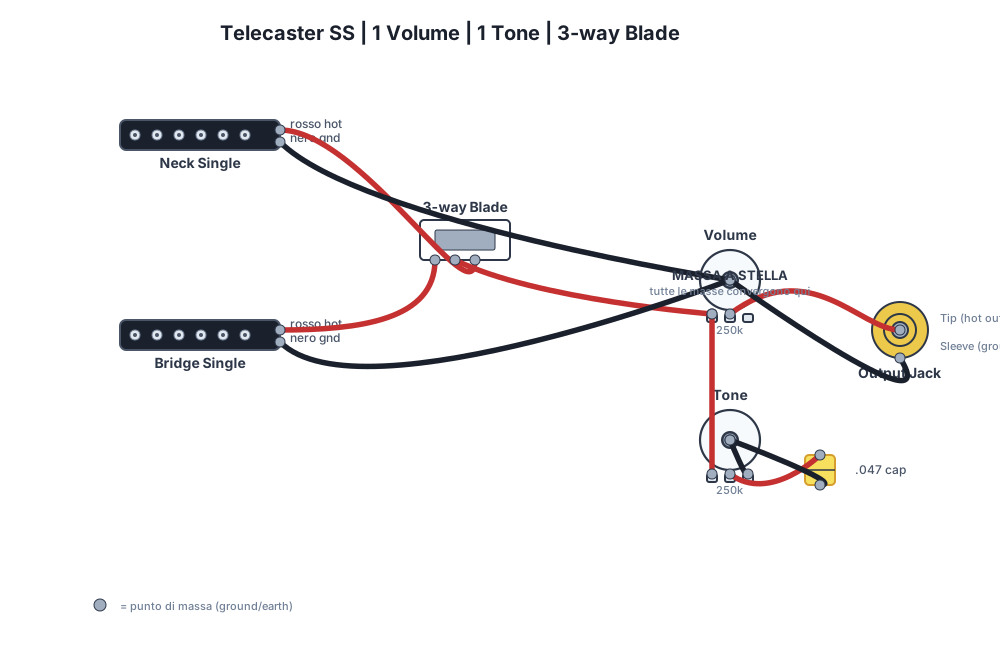
Electronics Modifications (Wiring Mods): It's not just about swapping pickups. Even the way the pickups are connected can make a difference.
Coil Split/Tap: If you have humbuckers, you can install switches to split them into single coils. Two sounds in one!
Series/Parallel Wiring: Changing the wiring from parallel to series can give more volume and body.
Phase Switch: Putting the pickups out of phase creates a nasal, “thin” sound that can be interesting.
Why: These modifications expand your guitar's sonic palette without changing the pickups. They give you more options for finding that unique tone you're looking for.
As: It requires a little more attention than a simple pickup swap, but wiring diagrams are available everywhere online. Study the diagram carefully and proceed slowly.
Hardware Upgrade: Sometimes, stability and sustain are an issue. A set of locking tuners improves tuning. A better bridge (such as a Tune-o-matic fixed bridge or a more stable tremolo) can improve sustain and intonation.
Why: A guitar must be reliable. If it goes out of tune every three minutes, you'll lose the desire to play. These upgrades make your instrument more enjoyable.
Practical example: On a Squier Jazzmaster, swapping out the stock bridge for a Mustang bridge or a Mastery Bridge (more expensive, but effective) can do wonders for stability and sustain.
Never underestimate the potential of an inexpensive guitar. With €100-€200 of modifications, you can transform a €200 guitar into an instrument that sounds like an €800-€1000 one. And the satisfaction of having done it with your own hands is priceless.
4. Practical Tests and Buying Tips: What to Look for and What to Avoid
Well, now that we have an idea of what to look for and the available options, it's time to put it into practice. Buying a guitar, new or used, requires attention. Don't get caught up in haste or aesthetics. best indie guitar for you it's the one that sounds good in your hands.
I've bought guitars online without trying them, and sometimes it worked out well, other times it didn't. The lesson is: if you can, try it. And if you can't, be doubly cautious and be prepared for any minor adjustments.
Try Before You Buy (If Possible): It seems trivial, but it's the golden rule. Every guitar is a little different, even two identical models. The feel of the neck, the weight, the balance... these are personal things.
As: Go to a store and take your time. Don't be afraid to ask to try on several styles. If the clerk rushes you, change stores.
Why: The guitar has to feel right. If you don't feel comfortable, you won't play it. Period.
Check the Neck and Frets: Straight and Intact: The neck should be straight or have a slight relief. Check by looking along the neck from the headstock toward the bridge. The frets should be level and have no sharp edges.
Action and Intonation: The action (height of the strings from the fingerboard) should be comfortable, not too high
It's too low to make the strings "sizzle." Check the intonation at the 12th fret: the open note and the note at the 12th fret should be identical (an octave higher).
Why: A crooked neck or damaged frets make the guitar unplayable or expensive to repair. Good action and intonation are essential for playing well and enjoying yourself.
Check the Electronics: Switches and Potentiometers: Turn all the knobs (volume, tone) and flip the pickup switches. They shouldn't make any strange noises, creaks, or cut-offs.
Output Jack: Insert and remove the cable jack several times. It should make a firm click and not wobble.
Why: Electronics are the heart of the sound. Problems here mean cold solder joints, dirty potentiometers, or worse. These things are repairable, of course, but it's best to know beforehand.
Listen to the Pickups: Compare: If possible, try the guitar with a familiar amp or a setup similar to yours. Listen to the different pickups, clean and with a little overdrive.
Versatility: Consider whether the pickups offer the versatility you're looking for for your indie sound. Are they bright enough? Do they have enough body?
Why: The sound of pickups is subjective, but you have to decide if you like what you hear. There's no "right" way; there's just what works for you.
Don't Be Fooled by Perfect (or Imperfect) Aesthetics: A guitar with some scratches or ding It's not necessarily worse. In fact, sometimes used guitars are already "broken in" and sound better than some new ones.
Conversely, a pristine appearance does not guarantee great playability.
Why: Aesthetics are secondary to playability and sound. Don't buy a guitar just because it looks good.
Request Information and Do Research: If you're buying online or from a private individual, don't be afraid to ask for lots of photos and details. Ask if any changes have been made and if there are any known issues.
Why: Transparency is key. An honest seller will be happy to provide you with all the information you need. If there's something you're not happy with, it's best to leave it alone.
Useful external source: For those looking for detailed information on Fender models, Fender.com is a reliable resource for model specifications and history.
Remember: haste is a bad advisor. Take your time, do your due diligence. The search for the best indie guitar it's a journey, not a race.
5. Our Recommendations by Level and Budget (2024)
Okay, everyone, let's take stock. After exploring the "whys" and "hows," it's time to offer some concrete recommendations. These aren't dogmas, mind you. They're starting points based on experience and what I've seen work well for myself and many other enthusiasts. Remember the golden rule: if I could do it, you can do it too.
For the Enthusiastic Beginner (Budget: €200-400): Squier Classic Vibe Jazzmaster/Jaguar/Telecaster: Why: In my opinion, these are the best entry-level guitars on the market. They offer excellent value, are solidly built, and have pickups that, while not high-end, have good character. The neck is comfortable, and the finish is more than decent.
Pros: Already sounds very close to the original, great base for future upgrades, decent resale value.
Against: The factory setup is sometimes not perfect (but it can be fixed with a little effort), the hardware could be improved in the future.
Epiphone Casino Coupe / Dot Studio: Why: If you're drawn to the semi-hollow sound, these are great options. The Coupe is smaller and more manageable. They offer a warm, resonant sound, perfect for arpeggios or chords that require body.
Pros: Rich, distinct sound, iconic look.
Against: They may be more prone to feedback at high volumes than a solid body.
Mimmo's advice: With a Squier Classic Vibe and a good setup, you're already on your way. And if you ever want to swap out pickups, you'll have a fantastic foundation.
For the Intermediate Who Wants to Get Serious (Budget: €500-1000): Fender Player Series Jazzmaster/Telecaster: Why: They represent the next step up. Better woods, more refined finishes, good-quality Fender pickups. The Player Jazzmaster, in particular, often features splittable humbuckers, offering versatility.
Pros: Superior build and sound quality, “true Fender” feel, reliability.
Against: It may not have the “vintage-accurate” features that some are looking for (e.g. the Jazzmaster’s rhythm circuit).
G&L Tribute ASAT Special: Why: G&L is the company Leo Fender founded after leaving his company. The Tribute (the import versions) offer excellent quality. The ASAT Special, with their MFD (Magnetic Field Design) large-coil pickups, have a powerful and versatile sound, a mix between a Telecaster and a P90.
Pros: Unique and powerful sound, excellent construction, excellent value for money.
Against: Less recognizable than a Fender, the look might not be to everyone's taste.
PRS SE Hollowbody / Semi-Hollow: Why: If you're looking for an alternative to classics with a more modern twist but still a resonant soul, the PRS SE Hollowbody is fantastic. Impeccable finish and versatile sound.
Pros: High build quality, great playability, modern aesthetics.
Against: The sound is “smoother” than a vintage-style, it might not be ideal for those looking for a rawer sound.
Mimmo's advice: A Fender Player is a guarantee. But don't ignore the G&L Tribute, they're true hidden gems.
For the Advanced or Those Who Are Not Satisfied (Budget: €1000+): Fender Vintera / American Performer / American Professional II: Why: Here you enter the world of high-end Fenders, with higher-quality pickups and hardware, and often with finishes and specifications closer to vintage models (Vintera) or with modern innovations (American Performer/Professional II).
Pros: Top of the line Fender quality, exceptional sound and feel, great value.
Against: The price is high, and sometimes the difference in sound with a well-set up Player Series isn't worth the cost for everyone.
Gretsch Electromatic Center Block / Professional Collection: Why: If your indie sound needs that distinctive twang and Gretsch resonance, you'll find magnificent instruments here. The Filter'Tron pickups are unique.
Pros: Unmistakable sound and aesthetics, great personality.
Against: High price for the Professional series, the Electromatic are more accessible but still an investment.
Mimmo's advice: If you have the budget, these guitars are fantastic. But remember, the magic is in your hands, not just the price tag. I've seen €300 guitars sound better than €2,000 ones, just because of the care and modifications. Don't be afraid to customize.
I hope this guide is helpful to you. best indie guitar It's what inspires you, what makes you want to play and experiment. Don't be afraid to make mistakes or try different approaches. That's how you learn, and that's how you find the most interesting sounds. Have fun!
FAQ – Frequently Asked Questions About Best Indie Guitar
Q: Do I have to buy a Jazzmaster or a Jaguar to play indie?
A: Absolutely not. While they're iconic in the genre, the true soul of indie is experimentation and finding your own sound. A Telecaster, a semi-hollow, or even a cheap, modified guitar can give you excellent results. The important thing is your approach and how you use the instrument.
Q: What's the most effective upgrade to make a guitar sound “more indie”?
A: Generally, changing pickups is the most impactful upgrade. Switching to bright single coils or P90s, or installing low-output humbuckers, can transform your guitar's sound. A good setup and the addition of a tremolo (if your guitar allows it) can also make a big difference.
See also
For further technical details you can consult this external resource.
Download the Luthier Survival Kit
Free PDF with checklist, problem-cause table and project card template.
 English
  Italiano
Stuck on your build?
If you ran into the same problem or have a question, drop it in the comments. I read and reply to every one.
Write a comment