

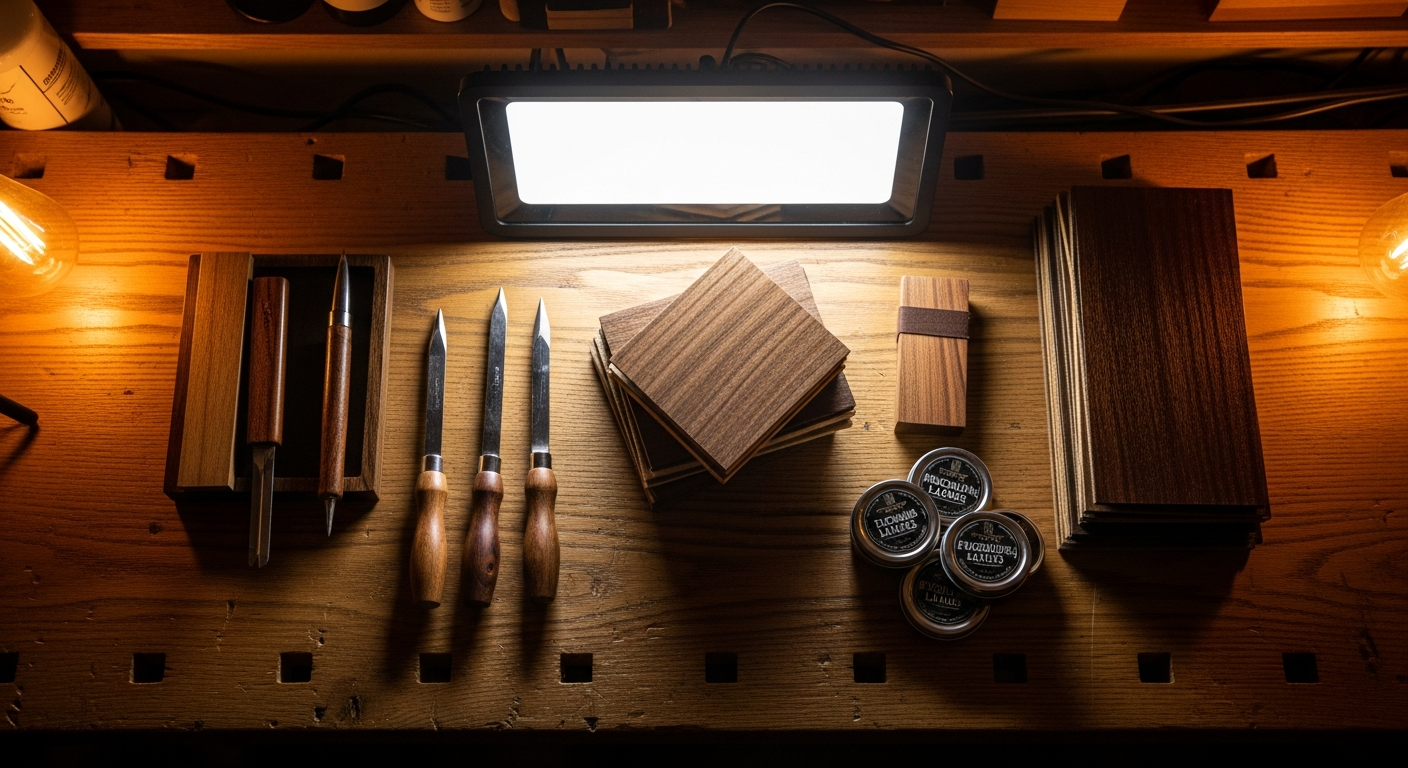
Where to find guitar electronics? 3 essential suppliers.
Building a guitar from scratch, or even just modify the electronics The one you already have is a journey. A journey that, trust me, I've taken a thousand times in my garage. And every time, the first obstacle is always the same: where the hell do I find the right components? I'm not just talking about pickups—those are the tip of the iceberg—but everything else: potentiometers, capacitors, selector switches, jacks, cables. All that stuff that makes the sound.At first, like many others, I got lost in a sea of websites, forums, and online shops promising the world. I bought stuff that wasn't worth a penny, I spent too much on components I didn't need, and I even waited weeks for a package from China containing... well, a potentiometer that made noise from the first turn. You can relate to that, right? It's frustrating, it makes you want to give up.
The point is that the guitar electronics supply It's no easy feat if you don't know where to look. The market is vast, prices vary, and quality... well, that's a lottery if you don't have a few tips. After years of soldering, experimenting, and a few too many short circuits, I've learned to distinguish the smoke from the roast. And today I want to share with you my three "essential" suppliers, the ones I always return to when I need to tackle a new project or simply fix something.
So, enough chit-chat. If you're tired of searching and want to get straight to the point, sit back and relax. I'll explain not only Where buy, but also What search and Why some choices are better than others.
The headache of shopping right (and where to avoid getting scammed)
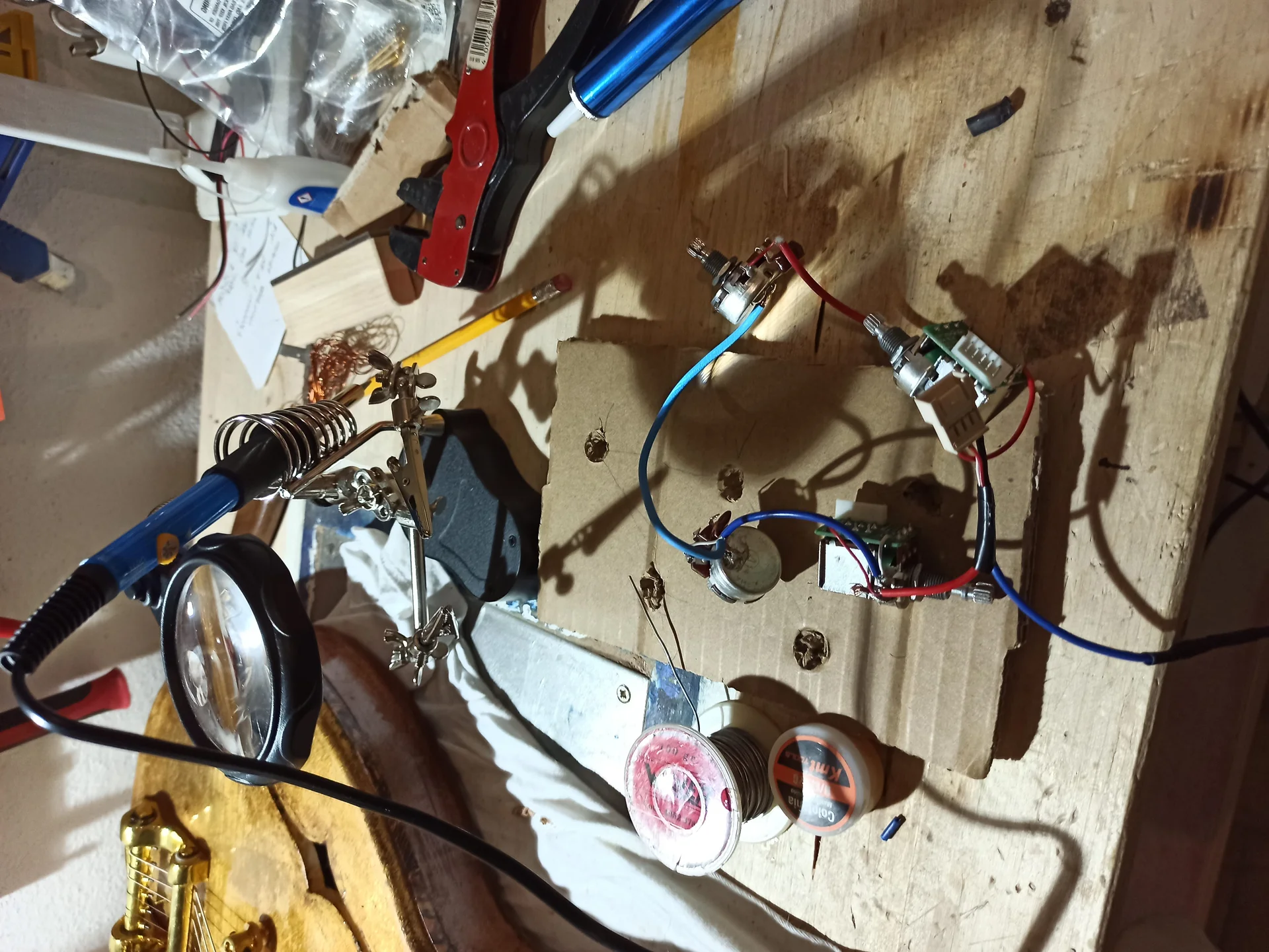
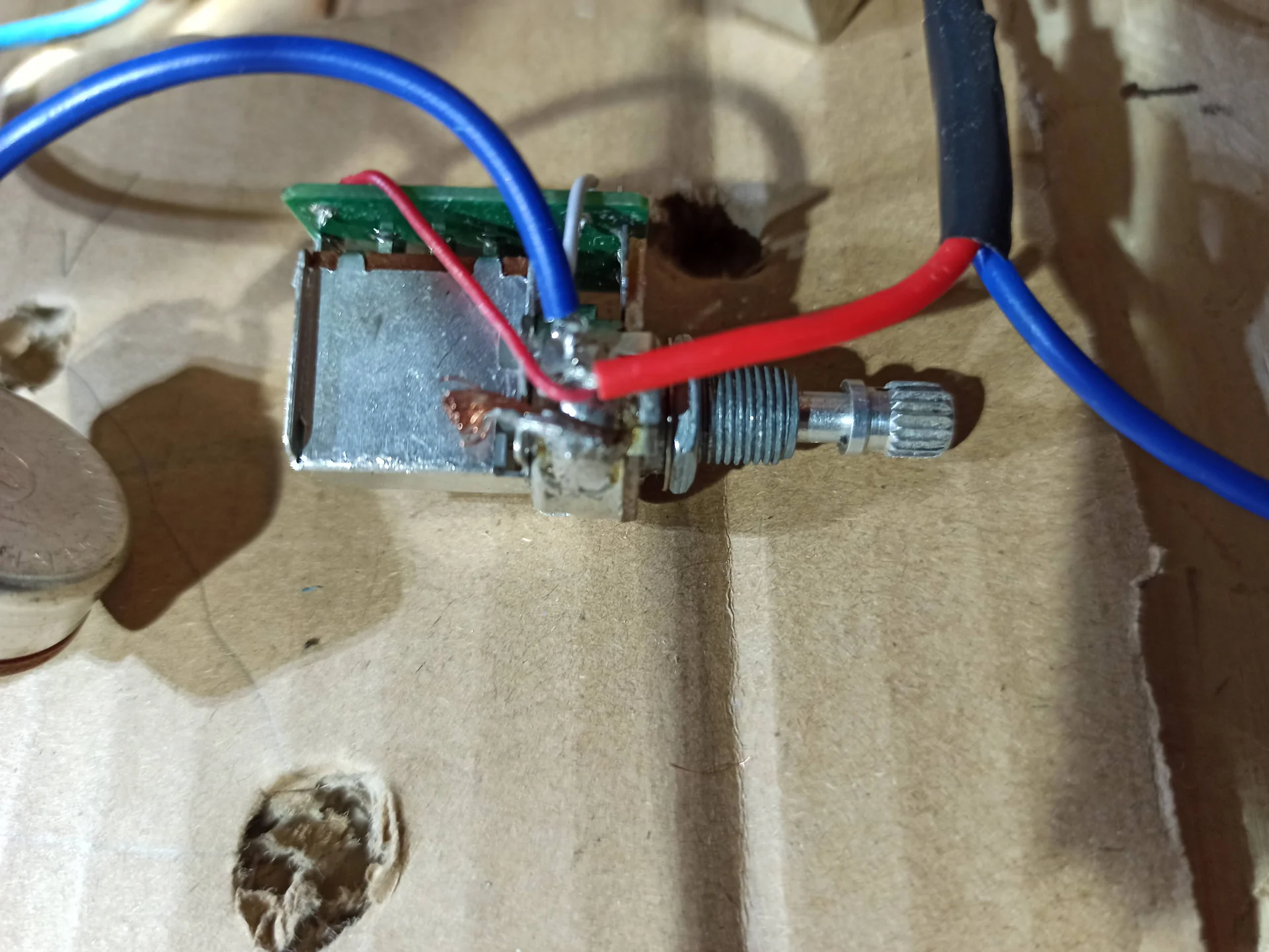
Okay, let's get to the point. After years of browsing websites, misorders, and lost packages, I've narrowed down my list to a few suppliers I consider reliable, offering good value and a product range that covers almost all my hobbyist needs. These aren't the only ones, mind you, but they're the ones that have never disappointed me.
1. Thomann (or other major European retailers)
Yes, I know, Thomann is a giant. Many people only associate it with complete guitars or amplifiers. But their parts and components section is a gold mine, especially for guitar electronics supplies basic and good quality. Why I like it: Wide choice: They have practically everything, from Alpha pots to CTS, from Orange Drop capacitors to Switchcraft switches. You'll also find quality cables, jacks, and a lot of small parts.Competitive prices: For standard components, the prices are excellent. I can often place large orders and save on shipping costs.
Reliability: The customer service is excellent, shipping is fast, and the products always arrive well packaged. I've never had any problems with defects or missing items.
Availability: You are unlikely to find yourself with a component that is “out of stock” for months.
Well-known brands: You can easily find brands like Schaller, Gotoh, Switchcraft, which are a guarantee of a certain quality. What I usually buy there: Alpha potentiometers (for cheaper projects or experiments) and CTS (for upgrades or more serious builds).
Orange Drop capacitors (always reliable and good sounding).
3 and 5 way selectors (Switchcraft or Gotoh type, robust and precise).
Output jacks (Switchcraft mono, they are a classic and last a lifetime).
Shielded and unshielded cables, cable lugs, heat shrink tubing.
Sometimes even pickups from well-known brands like Seymour Duncan or DiMarzio, when they are on sale. An anecdote: I once had to do a complete wiring for a Telecaster and needed a 4-way selector switch to get the "series" option. Thomann had a Gotoh one for a ridiculous price, and it arrived in three days. Soldered on, it worked perfectly and is still there today doing its job. For the electronic parts for guitar in common use, for me it is the first choice.
2. StewMac (or other lutherie specialists)
StewMac is a luthier's paradise. It's not as cheap as Thomann, but the quality and specificity of its products are on another level. If you're looking for something unique, or want to be sure you're getting the best for certain components, this is the place to look. Why I like it: Uncompromising quality: Each component is carefully selected for lutherie. You won't find any "general purpose" stuff.Unique products: They have specialized tools, rare materials, and components you can't find anywhere else, often under their own high-quality proprietary brands.
Documentation and resources: Each product has detailed descriptions, and their website is full of guides and video tutorials. It's an invaluable resource for understanding Why a certain component is made in a certain way.
Innovation: They often introduce clever solutions to common DIY problems. What I usually buy there: Custom CTS potentiometers (e.g. with very tight tolerances or special shafts).
Niche capacitors, such as Paper-in-Oil or vintage replicas.
Very high quality selectors, such as the CRL ones for Stratocasters or the Switchcraft toggle switches.
Vintage “push-back” cotton wiring, giving an authentic feel to the replicas.
Specific tools for electronics, such as crimping pliers or potentiometer extractors.
Sometimes, even hardware like bridges or tuners, when I want the highest quality. An anecdote: I was building a replica of a '59 Les Paul (or at least I tried!) and wanted the electronics to be as faithful as possible. StewMac's CTS "Long Shaft" pots, with their 5% tolerance and vintage-style taper, were perfect. Sure, they cost more, but the feel and tone response were exactly what I was looking for. For the supply of electronic components for guitars high-end, it's my point of reference. External link: I recommend checking out their "Wiring Diagrams" section on StewMac. It's a fantastic resource for understanding how to connect various components, with clear diagrams and detailed explanations. [StewMac Wiring Diagrams](https://www.stewmac.com/how-to/online-resources/wiring-diagrams/)
3. Amazon / eBay (with due precautions)
Advertising

DIY Electric Guitar Kits, okoume Body maple neck & composite ebony fingerboard
See on Amazon

Wide choice: You can find everything from sellers from all over the world.
Speed: If the seller is in Europe, shipping can be very fast.
Niche items: Sometimes you find very specific or less common components that the big retailers don't carry. What I usually buy there (and with what precautions): Small passive components: Resistors, LEDs, pedal diodes, or auxiliary circuits. Quality isn't as critical here as it is with guitar potentiometers.
Generic cables and connectors: For patch cables or power supplies, where top-of-the-range products are not needed.
Small parts: Inexpensive screws, nuts, washers, knobs for prototype projects.
Pedal Components: If you are building a pedal, many components such as transistors, ICs, electrolytic capacitors can be found at rock-bottom prices. Mandatory precautions: Read the reviews: Never buy from a seller with no reviews or a low rating.
Check the description: Make sure the specifications are clear and match what you're looking for. Descriptions are often vague or poorly translated.
Be skeptical of “brands”: Many "brand name" products on these sites are cheap replicas or fakes. If you see a CTS potentiometer for 2 euros, it's almost certainly a rip-off.
Buy in bulk: To reduce shipping costs (which are often free but slow), buy multiple items.
Shipping times: If it's coming from China, be prepared to wait weeks, if not months. An anecdote: I once needed a dozen B50K potentiometers for a custom pedal project. Instead of buying them at full price from a specialized supplier, I found them on eBay in a pack of 20 for a quarter of the price. They were generic, but they worked fine for what I needed to do. However, if I were going to use them on a high-end guitar, I wouldn't have trusted them. The important thing is to know what you're buying and for what purpose. guitar parts search on these channels it's a lottery, but sometimes it pays off.
What to Look for in a Component (and the Numbers That Matter)
Now that you know where to look, it is crucial to understand What Search. The name isn't enough; you need specifics. This is where many get stuck or make costly mistakes.1. Potentiometers: the heart of control
Potentiometers, also called "pots," are the volume and tone controls. They seem simple, but they're crucial. Resistance value (Ohm): 250k Ohm: Typical for single-coil pickups (Stratocaster, Telecaster). They help "roll off" the highs a bit, making the sound softer and less strident.500k Ohm: Standard for humbuckers (Les Paul, SG). They let more high frequencies through, allowing humbuckers to sound more open and bright.
1M Ohm: Sometimes used with very dark humbuckers or for guitars with P90 pickups, to maximize brightness.
Why is it important? The potentiometer forms an RC filter with the pickup and capacitor. A higher value lets more high frequencies through, while a lower value cuts them off. Getting the value wrong can make the sound too dark or too shrill.
Taper (Resistance Curve): Audio (Logarithmic): “Log” or “A” (e.g., A500K). This is the standard choice for volume and often tone. The resistance does not change linearly, but follows a logarithmic curve that mimics the way the human ear perceives volume. This means that most of the volume change occurs in the first half of the rotation.
Linear: “Lin” or “B” (e.g., B500K). Resistance changes proportionally to rotation. Less common for volume, sometimes used for tone or special controls (e.g., blend).
Why is it important? A linear potentiometer used as a volume control will give you a very abrupt "all or nothing" feel. A logarithmic one offers a more gradual and musical progression.
Tolerance: A 500k Ohm potentiometer with a 20% tolerance can vary between 400k and 600k Ohms. That's a huge range!
Look for potentiometers with tighter tolerances (5-10%), such as CTS or Bourns. This ensures that the nominal value is closer to the actual value, and that if you install two of them (e.g., volume and tone), they behave similarly.
Shaft: Length, diameter, type (knurled, smooth). Must match the knobs you want to use and the thickness of the body/pickguard.
2. Condensers: The Tone Shapers
Capacitors are responsible for “rolling off” high frequencies in the tone circuit. Value (Farad): .022uF (microFarad): The most common for humbuckers. It cuts a good amount of highs, but still leaves the sound well defined..047uF: Typical for single coils. It cuts higher frequencies than the .022uF, giving a darker, mellower sound.
.1uF: Very dark, sometimes used for passive “wah” effects or bass.
Why is it important? A higher capacitor value cuts higher frequencies when you turn the tone control. Choosing the right value is a matter of personal taste and balance with the pickups.
Type: Ceramics: Inexpensive and small, but can be a bit harsh on frequency cutoff. They're fine for basic projects.
Orange Drop: Polypropylene. They're my favorites for the price. They offer a soft, musical cut.
Paper-in-Oil (PIO): Often considered "vintage." They can be expensive. Some swear they have a "sweeter," more organic sound, but the difference is often subtle and controversial.
Why is it important? The type of dielectric (the internal insulating material) can slightly influence how the capacitor interacts with the signal. For starters, an Orange Drop is always a safe choice.
3. Switches: the conductor
The selector switch determines which pickup is active. Robustness is key here. Type: Blade (blade): Stratocaster/Telecaster type. Usually 3- or 5-way. Look for brands like CRL or OAK Grigsby for quality.Toggle (lever): Les Paul style. Usually 3-way. Switchcraft is the undisputed king of reliability.
Mini toggle: For extra options (coil split, phase reverse).
Contacts: They must be sturdy and well-welded. A poor-quality selector makes noise, becomes loose, and can interrupt the signal.
Why is it important? A low-quality selector switch is a source of noise and frustration. Don't skimp on this component.
4. Output jack: the connection point
The jack is where you connect the cable to the amplifier. It's the component that's subjected to the most mechanical stress. Type: Almost always mono for electric guitar.Quality: Look for brands like Switchcraft. Their jacks are virtually indestructible. They have solid contacts and a sturdy construction that can withstand thousands of insertions and removals.
Why is it important? A cheap jack will loosen, lose contact, make noise, and eventually break. It's one of the first things to fail on cheap guitars.
5. Wiring: the veins of sound
The internal cable seems trivial, but it has its role. Gauge (AWG): AWG22 is the standard for internal guitar wiring. It's thick enough to be strong yet flexible.Shielding: For pickup and jack connections, a shielded cable (with an outer metal braid) helps reduce noise and interference.
Type: PVC: The most common, economical and easy to work with.
Push-back (cotton): Typical of vintage guitars. It doesn't need to be stripped; just push back the cotton sheath. Aesthetically pleasing and practical for those who love the vintage look.
Why is it important? Good cabling minimizes noise and ensures a clean signal. Thin or unshielded cables can cause problems.
Assembly: Mistakes to Avoid (and How to Get Out of Them Alive)
Ok, you have all your electronic components for guitar. Now comes the best part (or worst part, depending on how your day goes): assembly. This is where the hobbyist builder trembles, because a mistake can mean hours of debugging or, worse, a burned component. But fear not, I've made every mistake imaginable, and I'll tell you how to avoid them.1. Plan, plan, plan
This is my mantra. Before you pick up the soldering iron, draw the wiring diagram. Don't just go off the cuff. There are tons of free schematics online (StewMac, Seymour Duncan, DiMarzio, etc.). Pick the one that works for you and follow it to the letter.PAIN POINT: “I don’t know where to start, I’m afraid I’ll make a mess with the wires.”
SOLUTION: Grab a piece of paper, a pen, and the schematic. Follow each connection, one by one. If you don't understand something, search on Google or YouTube. Don't just solder randomly.
2. The right tools: don't improvise
You don't need a soldering station costing thousands of euros, but a good soldering iron (at least 30-40W, or with adjustable temperature), good quality solder (60/40 or 63/37 with flux), a multimeter, and a set of screwdrivers and pliers are essential.PAIN POINT: “My soldering iron is a piece of junk and won’t touch solder.”
SOLUTION: Invest €30-50 in a decent soldering iron. Always clean the tip and tin it (add a little solder) before and after use. Good soldering is half the battle.
3. Welding: the art of joining
A good solder joint is shiny, conical, and free of solder "balls." It must be mechanically sound before it can be electrically conductive.PAIN POINT: “My welds are bad and peeling off.”
ADVISE:
1. Clean: Make sure the parts to be soldered are clean and free from oxide.
2. Heat: Heat at the same time the component terminal and the wire with the soldering iron tip.
3. Apply the tin: Apply the solder to the hot spot, not the tip of the soldering iron. The solder should flow onto the connection.
4. Remove: Remove the solder and then the soldering iron. Don't move the part until it has cooled.
5. Practice: Practice on some scrap wire. It seems trivial, but it's the foundation of all electronics.
4. Grounding: the enemy of noise
Background noise is every guitarist's fear. Most of the time, it's the result of poor grounding.PAIN POINT: “My guitar whistles like a train!”
SOLUTION: All components grounded: All metal components (potentiometers, selectors, shields, bridges, strings) must be connected to common ground.
Star or daisy chain: You can connect everything to a central point (star grounding) or in series (daisy chain). The important thing is continuity.
Shielding: Shielding cavities with conductive paint or copper/aluminum foil is a good practice for reducing noise.
Test the continuity: Use the multimeter in continuity mode (the "beep" sound). Place one probe on the jack's ground wire and the other on each metal component. It should "beep" everywhere. If it doesn't, you've found the problem.
5. Troubleshooting: when something goes wrong
It happens. The guitar doesn't sound, or sounds bad. Don't panic.PAIN POINT: “I finished soldering, plugged in the guitar, and it made no sound. Panic!”
MIMMO'S CHECKLIST (in order of probability):
1. Output jack: Is it soldered correctly? Is there continuity between the tip and the signal, and between the sleeve and ground? Is it screwed on tightly?
2. Grounding: Have you checked all the ground points with a multimeter? This is the most common problem.
3. Pick-up: Are they connected correctly? Positive to signal, negative to ground.
4. Selector: Does it work in all positions? Are the wires soldered securely?
5. Potentiometers and capacitors: Are they the right value? Are the solder connections good? A short circuit on a tone pot can mute everything.
6. Short circuits: Make sure no bare wire is touching another wire or ground where it shouldn't be. Use a magnifying glass if necessary.
7. Cable: Have you tested your guitar cable? Sometimes it's the cable's fault!
Remember, every mistake is an opportunity to learn. The first guitar I wired only played at half volume and buzzed like a bumblebee. I had to disassemble everything twice before I realized I'd swapped the wires on a pickup and that a potentiometer wasn't grounded. But from that experience, I learned more than I could from a thousand guides. If I could do it, with a little patience and the right tools, you can too. guitar electronics supply This is just the beginning. The real fun is putting it together!
See also
Download the Luthier Survival Kit
Free PDF with checklist, problem-cause table and project card template.
 English
  Italiano
Stuck on your build?
If you ran into the same problem or have a question, drop it in the comments. I read and reply to every one.
Write a comment