

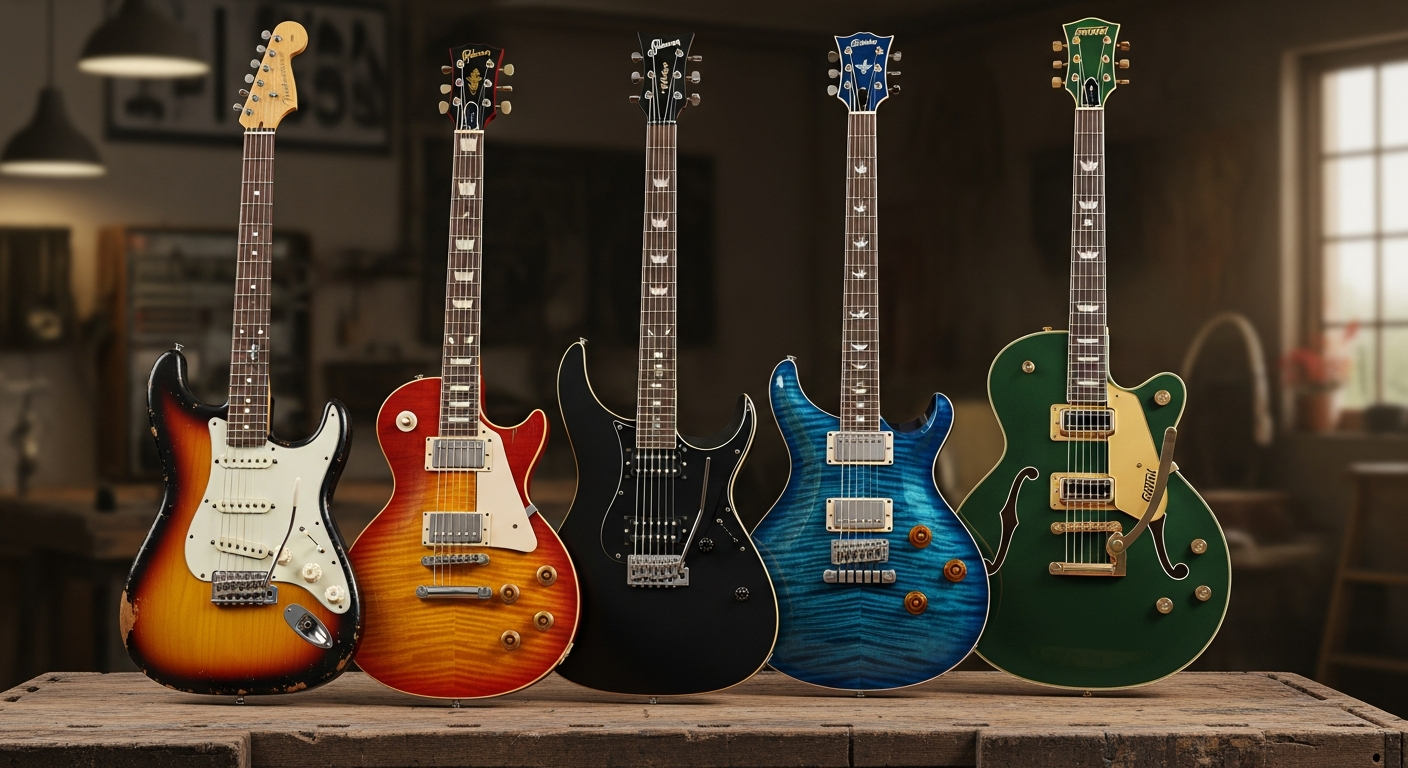
Ibanez GRGM21 Mikro: Review Complete
If there's one type of guitar that sparks debate, it's the “mini”. Small, often economic, and sometimes a bit snubbed by purists. But I, who have disassembled and reassembled more guitars than I've played decently, tell you that there's a very particular charm to these instruments. Today we're talking about one of the most famous models in this category: the Ibanez GRGM21 Mikro. It's no secret that Ibanez is a giant, capable of producing instruments for every budget and style. The Mikro series is their answer to those looking for a compact guitar, both for size and budget reasons. And the GRGM21 Mikro is somewhat the archetype of this philosophy. I've had it in my hands, I've seen more than one pass through the garage workbench, and I assure you that, while not being a JEM worth thousands of euros, it has its dignity and, above all, a hidden potential just waiting to be discovered.This model, or “compact instrument” as I like to call it, is often the first love for younger guitarists, or the trusted travel companion for those who don't want to give up a few chords even on vacation. But it is also, and here we enter my field, a fantastic base for those who want to get their hands dirty and experiment with modifications. If you're here, you're probably thinking of buying one and asking yourself: “Will it be the right choice for me? Or is it just a toy?”. Let's try to understand it together, without mincing words.
Technical specifications of the Ibanez GRGM21 Mikro
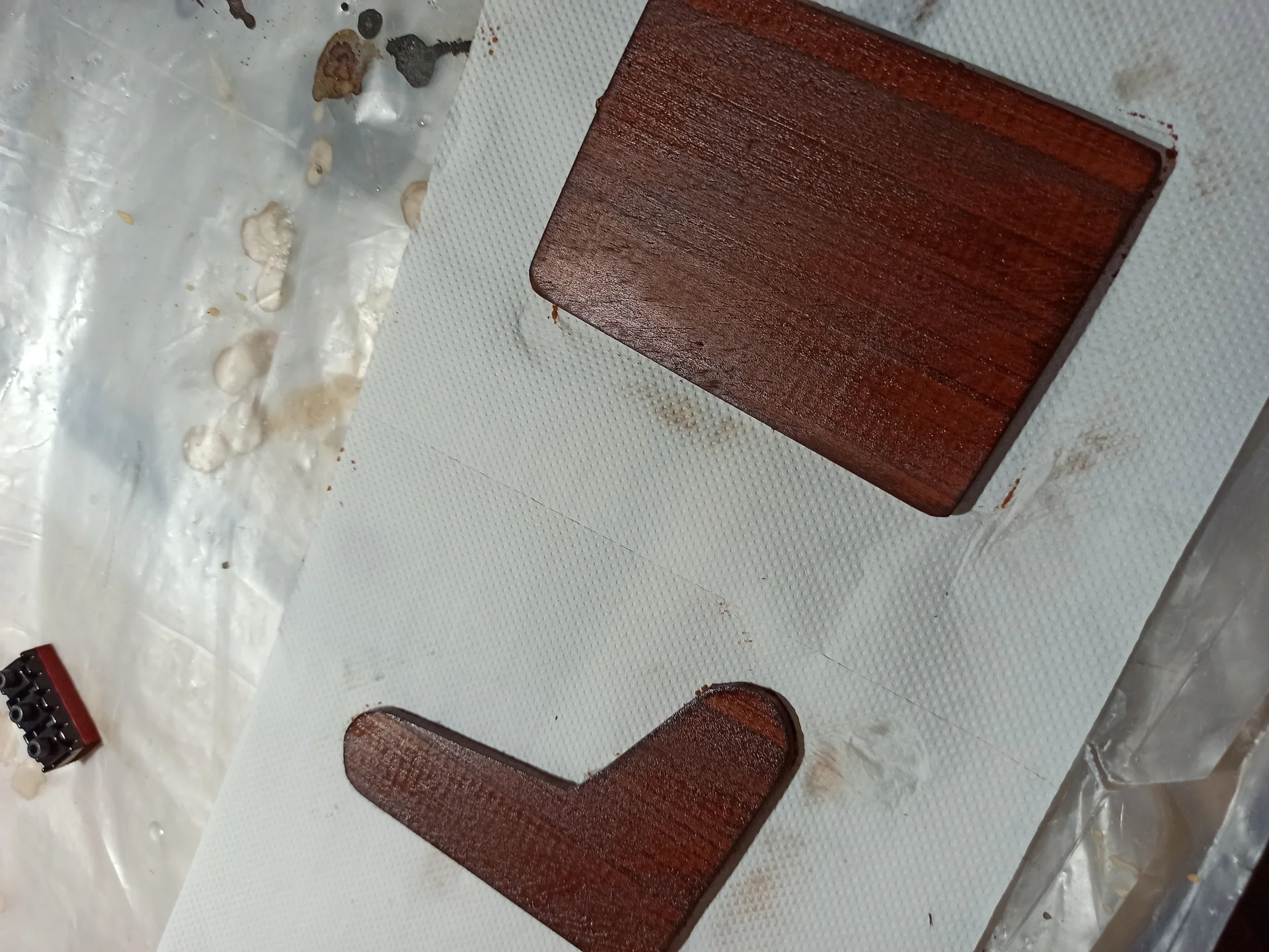
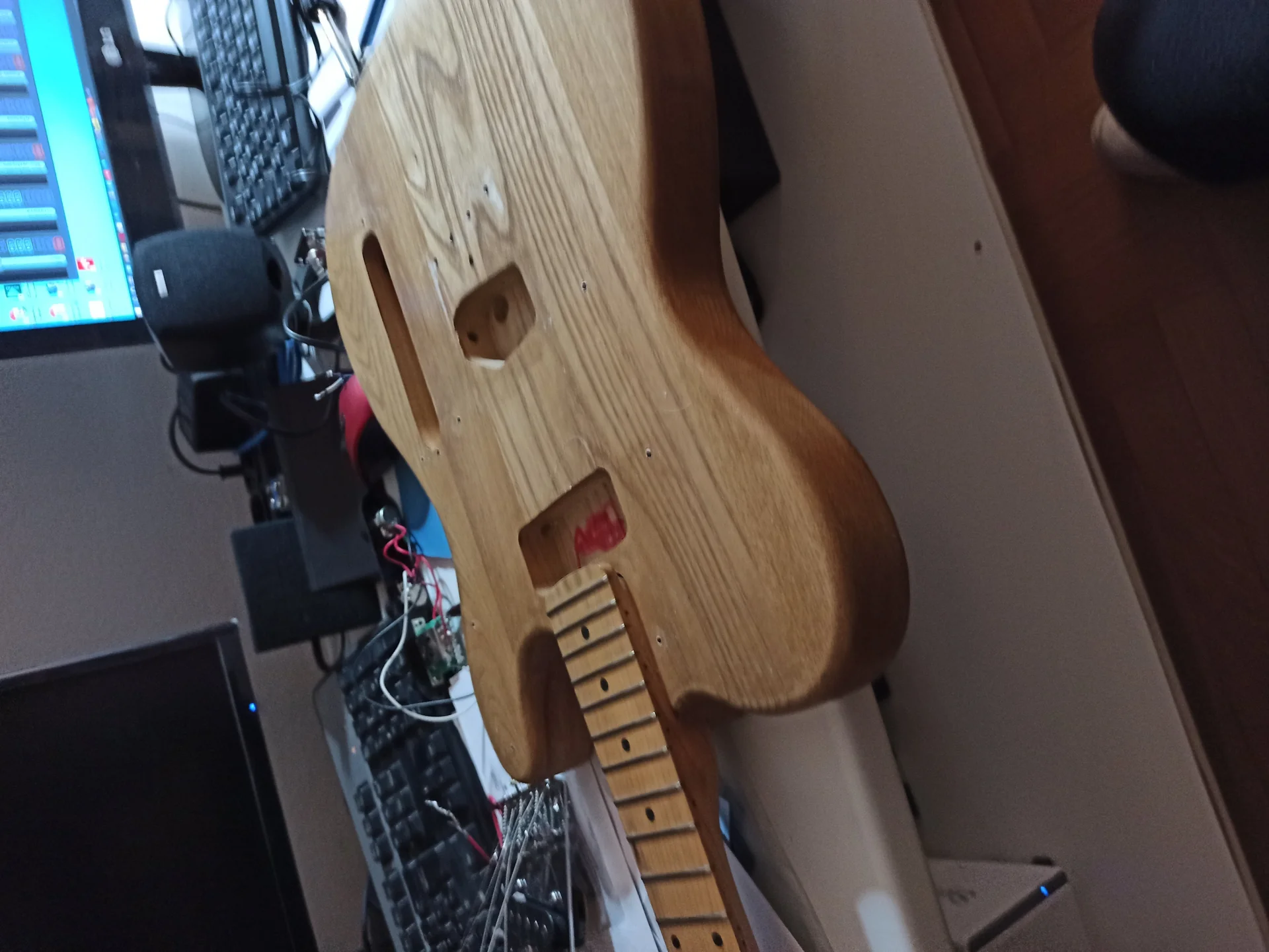
When it comes to budget guitars, the voice of the community is fundamental. No marketing can stand against the experience of hundreds of guitarists who have bought, played, and perhaps modified the instrument. And on the Ibanez GRGM21 Mikro, popular sentiment is quite clear and, I dare say, consistent.
The chorus of enthusiasts (and realists)
Advertising

Electric Guitar Neck for Ib Style, 25.5 Inch Maple Wood with Rosewood Fingerboard, 24 Frets, Natural Wood Finish, Right-Handed Replacement Parts
See on Amazon

Then there are the travelers. Imagine wanting to take a guitar on a plane without having to pay extra for special boarding, or wanting to play while camping without bulk. The Mikro guitar is perfect for this. It fits comfortably in the back seat of a car or in a luggage compartment, and you don't worry too much if it gets a few bumps. A truck driver friend of mine has one for breaks, and he told me it was one of the best purchases he ever made.
Another large group are the modders and DIY hobbyists. And here I fully agree. For those who love to disassemble, solder, sand, and reassemble, this is a low-cost blank canvas. Changing pickups, improving electronics, replacing tuners, refining frets... the Mikro becomes a portable laboratory. It's a great way to learn without fear of ruining an expensive instrument. “If I succeeded, you can too,” is the motto, and with the Mikro, it's truer than ever. I've seen absurd modifications, from one with a single active EMG pickup to one transformed into a kind of mini-baritone with extreme tunings.
Common (and justified) complaints
All that glitters is not gold, and the community is honest about the flaws. The biggest and most common is the factory setup. Almost everyone complains about high action, imperfect intonation, and sometimes not perfectly leveled frets. This is classic for inexpensive guitars, and it's not a structural defect of the instrument, but a lack of care in the final quality control. If you buy it, expect a good setup, or have a luthier do it. Or even better, do it yourself! It's a great opportunity to learn.Then there are the pick-up. The stock Ibanez Infinity R pickups are, let's face it, a bit generic. They lack character, dynamics, and don't shine
on clean tones
on heavy distortions. Many find them “weak” or “soulless”. This is the main reason why so many modders immediately rush to change them.
The mechanics are another sore point. They tend to lose tuning, especially if the instrument is used with a bit of enthusiasm. They are not precise and the feeling of robustness is not there. Here too, an upgrade is almost a must if you want stable tuning.
Finally, the plastic nut. It's cheap, and contributes to tuning instability and suboptimal sustain. Replacing it with a Tusq or bone nut is one of the first and most effective modifications to make.
In short, the Ibanez GRGM21 Mikro is seen as an excellent base, an inexpensive workhorse to have fun with. It's not a “plug and play” guitar for the stage, unless you invest some time and money to improve it. But for its price, it offers a lot. The message is clear: don't expect a perfect guitar right out of the box, but if you're willing to get your hands on it, it will give you great satisfaction.
PROS and CONS in relation to the price
When evaluating an instrument like the Ibanez GRGM21 Mikro, the price is the discriminating factor. We are talking about a guitar that falls into the entry-level range, often under 200 euros, sometimes even less on offer. Therefore, the pros and cons should always be read from this perspective. You cannot expect the quality of a 1000 euro guitar, but you can and should expect good value for money and potential for use.The PROS that weigh on the scale
1. Affordable Price: This is the biggest and most obvious pro. It allows anyone, even with a limited budget, to have a working electric guitar. It's perfect for parents who want their children to try an instrument without breaking the bank, or for those who want a “beater guitar” without worries.n2. Reduced Size and Weight: The 22.2-inch scale and poplar body make it incredibly light and compact. This is a huge advantage for children, for those with physical problems (back, shoulders), or simply for those looking for a comfortable instrument to play on the couch or take around. I will never tire of saying how comfortable it is to have a guitar that doesn't “get in your way” while you're sitting.n3. Surprising Playability (after a good setup): The thin neck and short scale mean less string tension. This facilitates bending, vibrato, and chord pressing. Once the action has been lowered and the intonation set, the Ibanez mini guitar becomes really pleasant to play, much more than one would expect from such an inexpensive instrument. I remember the first time I adjusted a friend's: his face lit up, he seemed to have discovered another instrument!n4. Excellent Base for Modifications (Modding): For me, this is the real strong point. It's the ideal playground for those who want to learn how to do luthier work. The low cost reduces the fear of “doing damage”, and the simple construction (bolt-on, fixed bridge) makes it easy to disassemble and reassemble. You can change pickups, tuners, electronics, nut, and have an instrument that sounds infinitely better by spending relatively little.n5. Ibanez Durability: Despite the price, Ibanez is not a brand that produces “toys”. The construction is solid and resistant. The maple neck and fixed bridge contribute to good overall stability, and the finish is robust. It withstands daily use well, even if a bit mistreated.The CONS that make themselves felt
1. Mediocre Factory Setup: This is almost a certainty. High action, imprecise intonation, sometimes frets not perfectly leveled or sharp on the edges. It requires immediate intervention to be optimally playable. If you are not familiar with setup, you will have to take it to a luthier, adding a significant cost to the purchase price.n2. Economical Components: Pick-up: The Infinity R are functional but anonymous. They lack dynamics, clarity, and personality. Don't expect an inspired sound. For a beginner, they might be okay, but if you already have a trained ear, you'll immediately feel the need for an upgrade.Mechanics: They tend not to hold tuning perfectly. They are a bit imprecise and feel fragile. This can be frustrating, especially for a beginner who hasn't yet developed the ear to retune quickly.
Capo: Made of plastic, not smooth. Contributes to tuning problems and limits sustain.
Electronics: Cheap potentiometers and selector. They can introduce hums or be less responsive.n3. Sound Limitations: Due to the pickups and short scale, the overall sound can be a bit 'small' or less full-bodied compared to a standard scale guitar. This is particularly evident on clean and more complex distorted sounds. It's not made to produce a Mississippi bluesman sound or a devastating metal riff without modifications.n4. Not for All Guitarists: If you have large hands, you might find the neck too narrow and the fret spacing too small. If you're looking for a professional sound or a 'boutique' experience, this guitar is not for you. It doesn't have that intrinsic 'mojo' that we sometimes look for in an instrument.
In conclusion, the Ibanez GRGM21 Mikro It's a successful compromise. It offers an excellent base at a negligible price, but requires an investment of time (or money) to be brought to its full potential. If you are willing to take this step, it will reward you with fun and versatility. If you are looking for 'out of the box' perfection, you might be disappointed.
Who is the Ibanez GRGM21 Mikro suitable for? And who should avoid it?
Understanding who a product is intended for is essential to avoid wrong purchases and to maximize satisfaction. The Ibanez GRGM21 Mikro has a well-defined audience, but it's not universal. Let's see who should seriously consider it and who, instead, would do better to look elsewhere.Who is it suitable for:
1. Children and Young Beginners: This is the main and most obvious target. The reduced scale, thin neck, and light weight make it incredibly easy for small hands to handle. The lower string tension facilitates pressing and makes learning less frustrating. It's a minimal investment to see if the passion for guitar takes hold. Many parents I know bought it for their children, and I must say that most had a positive response, precisely because of its ease of use.n2. Traveling or 'Couch' Guitarists: If you are often on the go, on vacation, camping, or simply want a guitar to keep handy on the couch without taking up too much space, the GRGM21 Mikro is perfect. It's compact, lightweight, and won't make you feel guilty if it takes a few bumps. It's not the guitar you'll use for your next arena concert, but it's ideal for keeping your fingers trained or jotting down some ideas.n3. Modding and DIY Luthier Enthusiasts: This is my field, and here the Mikro shines. It's an exceptional platform for learning to make modifications, solders, setups, and for experimenting with pickups and electronics. The low cost eliminates the anxiety of 'ruining' an expensive instrument. You can transform it into something unique, personalized, and surprisingly high-performing with a still contained total investment. I've seen people install active pickups, aftermarket tremolo bridges (with a bit of routing, obviously!), and complex circuits. It's like a model to build, but one that really plays.n4. Guitarists with Specific Needs: Those with very small hands, or who suffer from joint or back problems, might find the Mikro a more comfortable and less tiring alternative to a standard scale guitar. The lightness and short scale reduce physical effort.n5. Musicians Looking for Specific Sounds: Although the stock pickups are basic, with a pickup change and perhaps a setup for particular tunings (like Nashville tunings with thinner strings, or open tunings), the Mikro can become a very interesting instrument for unconventional sound textures.Who should avoid it:
1. Guitarists Looking for a Professional 'Plug and Play' Instrument: If you expect to take it out of the box, plug it into the amp, and get a stage sound, you'll be disappointed. It requires a setup and, probably, modifications to sound its best. It's not a professional guitar and doesn't have the attention to detail or material quality of high-end instruments.n2. Those who do not intend to make modifications or a precise setup: If you are not willing to get your hands on it (or have it set up by a professional), factory defects (high action, imperfect intonation, wobbly tuners) could ruin the ’experience. It is not an instrument that “settles” for being left as it is.n3. Guitarists with Large Hands: The short scale and neck width might be uncomfortable for those with large hands. The fret spacing is reduced, which could lead to errors or a feeling of “crowding” on the fretboard.n4. Those Looking for a Full and Rich Basic Sound: Due to the reduced scale and inexpensive pickups, the basic sound may lack depth and resonance. If your genre requires a powerful sound rich in harmonics, and you don't want to modify the guitar, this might not be the right choice.n5. Collectors or Those Looking for Value Over Time: The Mikro is a consumer instrument. It is not intended to become a collector's item, and its resale value will always be very low. Buy it to use and enjoy, not as an investment.In short, the Ibanez GRGM21 Mikro it's a smart purchase for those who know what they are buying: an economical and versatile base with enormous customization potential. If, on the other hand, you are looking for a high-quality “ready-to-use’ guitar, you will have to spend more.
Final advice and alternatives
So, at the end of the day, what do I think of the Ibanez GRGM21 Mikro? My advice is clear: buy it, but do so with the awareness that it is not the perfect guitar right out of the box. It's an excellent starting point, an open-air workshop for DIY enthusiasts, and a faithful companion for those seeking portability.If you are parents and want to give a guitar to your child, it is one of the best choices on the market for the ’initial approach. If you are experienced guitarists and want a travel guitar or a fun and low-cost modding project, go for it. You won't regret the minimal investment, especially if you are willing to get your hands on it.
The truth is that, with a good setup (which you can easily do yourself, learning the basics of adjusting a truss rod, action, and intonation) and perhaps some small targeted upgrades, this mini electric guitar can turn into a surprisingly valid and fun instrument to play. Think about how much you can learn by modify a guitar starting from such an economical base! I've seen people transform these small Ibanez into true “sleeper guitars”, instruments that appear harmless but, once plugged into an amp, produce a sound that rivals much more renowned guitars.
The first modifications to consider (if you feel like it):
1. Complete Setup: This is the first thing. Truss rod adjustment, string height (action), intonation. If you don't know how to do it, there are many tutorials online. It's a fundamental skill for every guitarist.n2. Improved Nut: A Tusq or bone nut works wonders for tuning stability and sustain. It's inexpensive, and installation is relatively simple.n3. Quality Tuners: A good set of locking tuners or even just good quality ones (like inexpensive Gotoh or Grover) will greatly improve tuning stability. Pickup Gearbox: If the sound doesn't satisfy you, this is the most impactful upgrade. You can opt for mid-range humbuckers (like Seymour Duncan Designed, Wilkinson, or GFS) which are inexpensive but sound much better than the originals. If you want to experiment, you can try an active pickup for a more modern and powerful sound.Alternatives to the GRGM21 Mikro:
If for some reason the Mikro doesn't convince you, or you want to explore other options in the compact guitar category, here are some that deserve attention: Squier Mini Strat/Tele: Fender has its Mini series. These are guitars with a similar scale (22.75 inches for the Strat, 22.5 for the Tele) and similar prices. They have the classic Fender look, and the Mini Strat, with its single coil pickups, offers a sonic alternative. Here too, expect inexpensive components and the need for a good setup. They are equally valid as a base for modifications, especially for those who prefer the Fender aesthetic.Jackson JS1X Dinky Minion: If you're looking for a more aggressive look and a “mini-metal machine” feel, the Dinky Minion is an excellent choice. This one also has a reduced scale (2/3, so about 22.5 inches), two humbuckers, and a fixed bridge. It's designed for young rockers and offers excellent value for money for those looking for a more “heavy” aesthetic.
Yamaha Pacifica 012 / 112 (used): If your budget stretches a bit and you want a standard scale guitar of superior quality as a first instrument, a used Yamaha Pacifica is always a winning bet. It's not a mini, but it's one of the best entry-level guitars ever for value for money and “out of the box” playability. You can find a great deal at prices similar to or slightly higher than a new Mikro.
Ultimately, the Ibanez GRGM21 Mikro it's not the guitar of dreams, but it's a little gem that, with a bit of love and some attention, can become a faithful and fun musical companion. Give it a chance, get your hands dirty, and you might discover that even the humblest instruments can bring great satisfaction. And if I succeeded, who made more holes in the body than solos, you can do it too. To delve deeper into the technical specifications and models, you can take a look at the official Ibanez website.
See also
Download the Luthier Survival Kit
Free PDF with checklist, problem-cause table and project card template.
 English
  Italiano
Stuck on your build?
If you ran into the same problem or have a question, drop it in the comments. I read and reply to every one.
Write a comment