

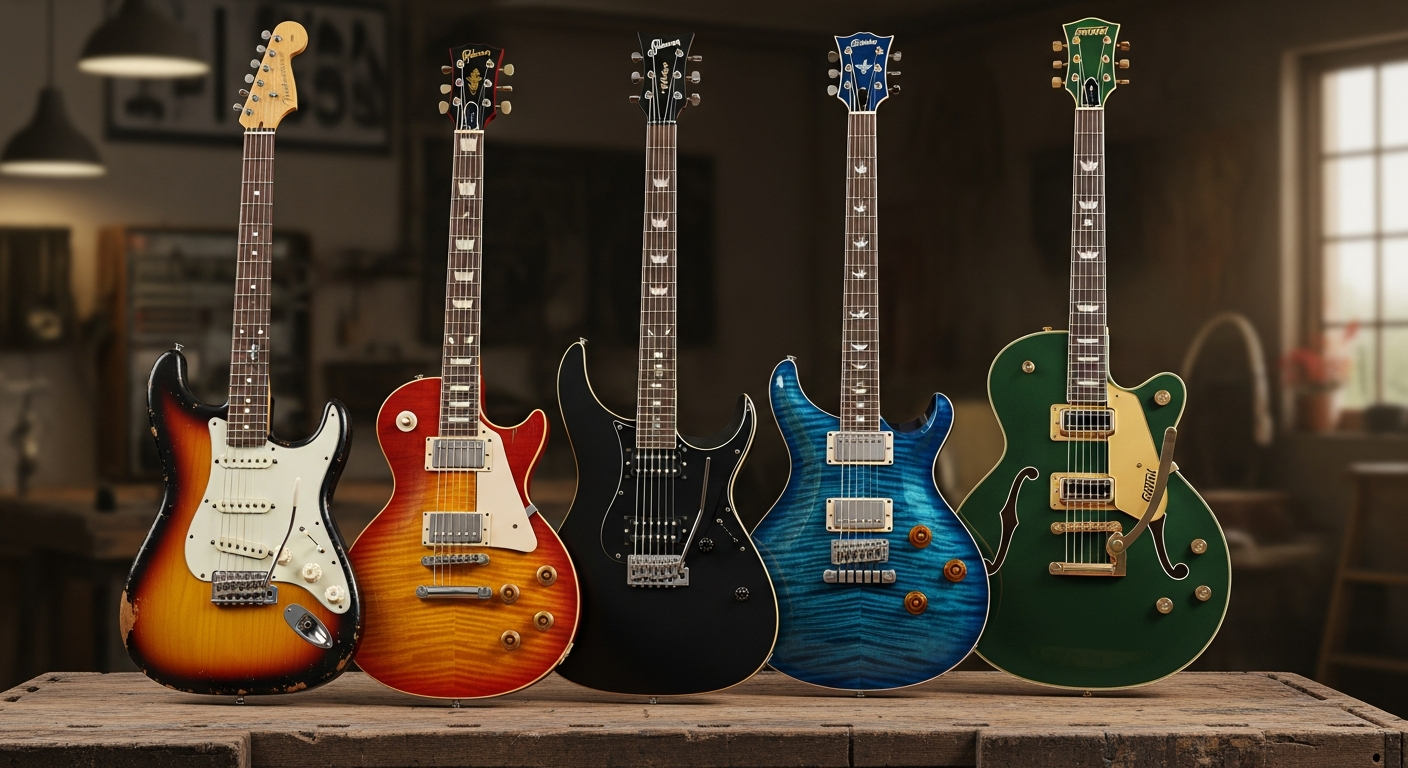
Ibanez Prestige RG652AHM: Review Complete
So, let's be clear: when it comes to guitars, especially those above a certain price point, the risk is always that of getting carried away by marketing hype. "Heavenly sound," "self-playing fretboard," "woods selected by the gods"... you know what I mean, right? Well, it doesn't work that way here at Biafax. We pick up guitars, disassemble them, set them up, and sometimes throw them off the stage (metaphorically, of course, we're not that crazy).Today we put under the magnifying glass a model that, for better or for worse, is the subject of much discussion in the niche of shredders and metal lovers: the Ibanez Prestige RG652AHM. It's not a guitar for everyone, and I'm not saying that out of snobbery. I say it because it has a strong, precise identity, which you either love or leave. And, as usual, there's a downside.
I've tried it, fiddled with it, set it up several times, and chatted with quite a few people who own or have owned one. The idea is to give you an honest, unfiltered review to help you figure out if this guitar is the next great guitar. purchase right for you, or if it's better to look elsewhere. I'm not a professional luthier, you understand. I'm someone who's built and repaired guitars in my garage, made mistakes, redid them, and now I'm trying to save you a few headaches.
This review from the Ibanez Prestige RG652AHM It's designed for those who aren't exactly beginners, for those who already have a few guitars hanging on the wall and are perhaps thinking about making the leap. I won't bore you with the basics, but I'll try to delve into the details that make all the difference, especially when it comes to an instrument that doesn't cost a dime.
Technical Features: The Identity Card
Before we launch into praise and criticism, let's clear things up a bit. When buying a guitar, especially online, the technical specifications are crucial. You need to know them to understand what you're getting and, above all, what to expect.There RG652AHM It's part of Ibanez's Prestige series, which means it's made in Japan. And trust me, that alone is a good sign of quality control.
Here are the salient details:
- Body: Ash. This wood is known for its resonance, scooped mids, and a nice, present attack. It's not mahogany, so don't expect that kind of meatiness, but it has its own character.
- Handle: Super Wizard HP 5-piece maple and walnut. This is the heart of the guitar, the reason so many choose Ibanez. Thin, lightning-fast, designed for extreme shredding.
- Keyboard: Birdseye Maple. Not only is it beautiful to look at, but maple also offers a quick, crisp response.
- Keys: Jumbo with Prestige Fret Edge treatment. This means the fret edges are rounded and hand-polished, which makes a huge difference in the smoothness of the neck.
- Stairs: 25.5″ (648mm). The classic Fender scale, versatile and responsive.
- Pick-up: DiMarzio Air Norton (neck) and DiMarzio The Tone Zone (bridge). A historic and well-tested combination for Ibanez, designed for a modern, powerful, and defined sound.
- Bridge: Edge Tremolo. Ibanez's floating tremolo system, considered by many to be one of the best available for its stability and ability to hold tuning even under wild dive bombs.
- Mechanics: Gotoh. Reliable, precise, they do their job without frills.
- Finish: Nebula Green Burst (or other variants, but this is the most iconic for the model). A subtle finish that lets the wood breathe.
- Construction: Made in Japan, with AANJ (All Access Neck Joint) neck joint. This design allows for easy access to the upper frets, essential for those who play complex solos.
These are the specs on paper. But, as we know, paper is patient. What matters is how these features translate into practice, when the guitar is in your hands.
Popular Sentiment: What's being said?
Listening to the community, the forums, and the comments on videos is crucial. We're not here to sell you anything, but to help you choose. And the chorus of enthusiasts is often more trustworthy than any glossy brochure.

On the RG652AHM The general consensus is quite high, but there are some fixed points, both positive and negative, that constantly emerge.
The strengths that everyone recognizes:
The first thing that catches the eye, or rather the hands, is the Super Wizard HP handle. It's incredibly fast, almost embarrassing for those who aren't used to it. Shredders absolutely love it. "It feels like there's nothing under your fingers," a friend told me. And indeed, it feels like a ten-lane highway for your fingers.
Then there is the Prestige fretwork. Ibanez is keen to point this out, and rightly so. The frets are impeccably finished, the edges perfectly chamfered. This translates into a smoothness you won't find on less expensive guitars. There are no sharp edges, no burrs, everything is silky smooth. For someone like me who's spent hours leveling and polishing frets on cheaper guitars, it's a real relief.
The Edge Tremolo bridge It's another standout. It's an Ibanez workhorse, and for good reason. It holds its tuning incredibly well, even after abusing the lever. Its stability is almost legendary. Sure, setting it up the first time can be a pain, but once you do, you forget about it.
There Japanese build quality It's another mantra. There's a sense of solidity and precision you can feel. The wood pairings, the subtle paint job, the attention to detail... it's all on a whole different level compared to Indonesian or Chinese production (which, mind you, are improving a lot).
The “buts…” and perceived defects:
Of course, all that glitters is not gold. The first "problem" for many is the price. We're in the mid-to-high range, and not everyone is willing to spend that kind of money. Some wonder if the price difference compared to an Ibanez Premium (made in Indonesia) is really justified. The answer, as is often the case, is subjective. For some, the "Made in Japan" label and Prestige finishes are worth every extra penny. For others, the Premium already offers an excellent package at a lower cost.
THE stock DiMarzio pickups, Air Norton, and The Tone Zone are great, don't get me wrong. But they're also very distinctive. They're designed for modern, hard rock, and metal sounds. If you're looking for a more vintage, bluesy sound, or a more rounded crunch, they might not be the right choice for you. Many people end up buying them after... modify the guitar and install different pickups, more suited to their tastes. This, of course, adds a significant cost.
The Super Wizard HP handle, while being a strength, is also a potential weakness for some. It is Very Thin. Those with large hands or accustomed to fatter necks (like a '50s Les Paul) might find it uncomfortable or tiring after a while. It's not a question of quality, but of personal ergonomics. Try it out, if you can, before buying.
Finally, the’aesthetics. The Nebula Green Burst finish is distinctive. Some love it, some hate it. The color options for this model aren't endless, so if you don't like Ibanez's aggressive, modern look, you might not like it.
My Field Tests: Dirty Hands and Attentive Ears
When a guitar comes into my hands, the first thing I do is check it out as if I'd just taken it out of the box, even if it's probably already been used. Why? Because I want to understand what you can expect from a standard setup and what, instead, you need to consider to make it "yours.".There Ibanez Prestige RG652AHM The one I tried was, as per Prestige tradition, already set up pretty well from the factory. The action was low, with no noticeable buzz, and the intonation was nearly perfect. This is a significant plus, especially for those unfamiliar with setting up a floating bridge.
The Handle: Highway for Fingers
The Super Wizard HP neck is exactly what I expected: lightning-fast. For someone like me who loves to run across the fretboard, it's a joy. Bending is fluid, and slides glide effortlessly. The Prestige Fret Edge treatment is truly noticeable. There's none of that "scratchy" feel you sometimes get with poorly finished frets. It's a detail that, over time, makes a huge difference in playing comfort.
I tried playing for extended sessions, and I have to admit, my hands had to get used to the thinness a bit. It's not a problem for me, but I understand those who might feel tired after an hour of solos. It's a matter of habit and technique. It's not a neck for everyone, but it's perfect for its target audience.
The Sound: Versatile, but with Character
The DiMarzio Air Norton and The Tone Zone pickups are a proven combination. At the neck, the Air Norton is warm and rounded, yet very clear. Perfect for melodic leads or clean arpeggios that don't get lost in the mix. It's not a jazz pickup, but for modern, fusion, or lead rock sounds, it's a great choice.
At the bridge, The Tone Zone is a monster of power. It has high output, a nice midrange punch, and an aggressive response. Ideal for metal riffing, powerful power chords, and screaming solos. It's not a "bad" pickup in the mosquito-like sense; it has plenty of definition even at high gain. In my tests, I found it very responsive to picking dynamics.
With a tube amp pushed hard, the sound becomes full and full-bodied, without losing articulation. Of course, if you're looking for the "quack" of a Strat or the warmth of a vintage PAF, this isn't the way to go. But for what it was designed to do, that is, sound modern and aggressive, the RG652AHM excels. The maple fingerboard and ash body contribute to a bright sound with a clean attack.
The Tremolo: A Faithful Companion
The Edge Tremolo bridge is, in my opinion, one of the best floating systems ever created. Once properly set up (and yes, it took me hours the first few times, with all the locks and micro-tuning), it holds the tuning like a rock. I did extreme dive bombs, flutters, and pull-ups, and the guitar stayed in tune. This is essential for those who use the tremolo a lot and don't want to have to retune every two minutes. The feel under the hand is solid and precise. There's no play, no uncertainty.
A word of advice: if you've never had a floating tremolo, be prepared for a learning curve. Changing strings is more laborious, and the initial setup requires patience. But once you get the hang of it, you'll never go back. And if you need a tip on how to best manage these modifications, we have plenty of material on our website, such as this guide on how to modify a guitar, which may be useful to you.
PROS and CONS vs. Price: Is It Worth It?
Let's get to the point. Ibanez Prestige RG652AHM It's not cheap. We're in the price range where you start to pay attention to every single detail. So, the question is: is the price justified?The PROs that justify the investment:
- Japanese Build Quality: This is the key point. The precision, attention to detail, choice of wood, and assembly are top-notch. This is a guitar built to last and perform at the highest levels. It's no coincidence that many professionals rely on these series.
- Super Wizard HP Neck and Prestige Fretwork: If speed and comfort are your top priorities, this neck is unmatched. The impeccable fretwork eliminates any impediments to your technique. There are no compromises here.
- Edge Tremolo Bridge: If you use leverage, there's not much better. Stability and reliability are guaranteed. It's a system that's been proven for decades.
- Quality Components: From the DiMarzio pickups to the Gotoh tuners, everything is top-notch. There are no bottlenecks that limit performance.
- Resaleability: Ibanez Prestige guitars maintain good value over time, precisely because of their reputation for quality and reliability.
The CONS that might make you think:
- The Price: It's objectively high for many. If you're on a budget, every euro counts, and here the price is steep. There are excellent guitars in lower price ranges.
- DiMarzio Pickups as standard: They're excellent, but very specific. If your ideal sound isn't what they offer, you'll have to factor in an additional investment to replace the pickups. And replacing pickups on a guitar costing nearly €2,000 isn't something everyone takes lightly.
- Extremely Thin Handle: As mentioned, it's not for everyone. If you prefer fuller handles, you might find it uncomfortable. A handle that doesn't fit your hand can ruin the experience.
- Specific Aesthetics: The Ibanez look is distinctive. If you don't like the aggressive design, flashy finishes, or modern lines, there's not much you can do.
- Tremolo Learning Curve: If you're used to fixed bridges or vintage tremolos, the Edge takes some time to master, both in setup and use.
Who is it suitable for / Who should avoid it?
This is the most important part, in my opinion. Buying a guitar is not just a matter of specifications, but of understanding if the instrument is suitable for the your way of playing, with the your sound, with the yours hands.Who should seriously consider the Ibanez Prestige RG652AHM:
- The Hardened Shredder: If your life consists of sweep picking, alternate picking at crazy speeds, legato and tapping, this handle is your best friend.
- The Modern Metalhead: If you play genres like progressive metal, djent, or anything that requires power, definition, and a tremolo that won't let you down, the RG652AHM is an excellent choice.
- The Fusion Guitarist: Even in fusion, where cleanliness and speed are essential, this guitar holds its own very well, especially with the Air Norton on the neck.
- Those looking for the top of the line Ibanez (not Custom Shop): If you want the ultimate Ibanez quality without going for the J-Custom models (which cost twice as much), the Prestige is the series for you.
- Who's Not Afraid of the Floating Tremolo: If you are an expert on Floyd Rose or similar, or you want to learn how to tame an Edge, you will be rewarded with insane stability.
Who should think twice, or avoid it altogether:
- Those looking for vintage or bluesy “box” sounds: Stock pickups aren't designed for that. If your thing is blues, classic rock, or jazz, there are better (and probably cheaper) options.
- Those on a tight budget: Price is a major obstacle. For the same amount of money, you could buy two good-quality guitars or a mid-range one and a great amplifier.
- Who Doesn't Love Thin Handles: If your hands prefer sturdier, fuller necks, this guitar may tire you out or make you feel uncomfortable.
- Who Hates Floating Tremolos: If you don't want to deal with the setup and maintenance of a floating bridge, stay away. There are Ibanez RGs with a fixed bridge, which might be right for you.
- The Absolute Beginner: It's not a beginner's guitar. It's too expensive, and its specific features (thin neck, floating tremolo) might be more frustrating than fun. Better to start with something more forgiving and less expensive.
Final Advice and Alternatives
So, at the end of the day, the Ibanez Prestige RG652AHM It's an excellent guitar. It's not perfect, of course, but no instrument is. It's a precision instrument, crafted with meticulous care and with a very specific goal: to offer maximum performance for modern, fast-paced genres.If you fit the profile of the guitarist it's intended for, and your budget allows it, then yes, it's worth it. It's a reliable, high-performance guitar that will give you great satisfaction for years. I'm not telling you this because it's "beautiful," but because works, and it does it damn well.
But be careful: if you're not sure if the 100% is the guitar for you, try it out. Go to a store, pick it up, and play it for a while. Feel the neck, the balance, and the sound. Don't buy blind just because of the brand or the positive reviews.
Alternatives to consider:
- Ibanez Premium: If budget is a concern but you still want a great Ibanez, the Premium series (like the RG1120PB or similar) offer exceptional value. They're made in Indonesia, but quality control is high, and they often come with DiMarzio pickups as standard.
- Ibanez Genesis: The Genesis series brings back classic Ibanez models from the '80s at a more affordable price, still Made in Japan. They may have different necks, but they're still high quality.
- Charvel Pro-Mod Series: Hot-rodded guitars with fast necks, powerful pickups, and quality hardware. They often offer a similar package at a competitive price.
- Jackson Pro Series: Another great option for those looking for fast, aggressive guitars with a focus on metal.
- Schecter Banshee/Hellraiser: Schecter produces guitars with excellent build quality, often with active pickups and a darker aesthetic, at attractive price points.
- The Used: Never discard used guitars. A used Ibanez Prestige in good condition can save you hundreds of euros and offer the same quality. Be sure to check the bridge and frets carefully, though.
In conclusion, the Ibanez Prestige RG652AHM It's a war machine. If its arsenal suits your battlefield, then you're in for a ride. If you're unsure, don't be afraid to explore other options. The world of guitars is vast, and the perfect guitar is the one that makes you want to play every day.
For more detailed technical specifications of the Ibanez Prestige series, please consult the Ibanez official website.
See also
Download the Luthier Survival Kit
Free PDF with checklist, problem-cause table and project card template.
 English
  Italiano
Stuck on your build?
If you ran into the same problem or have a question, drop it in the comments. I read and reply to every one.
Write a comment