

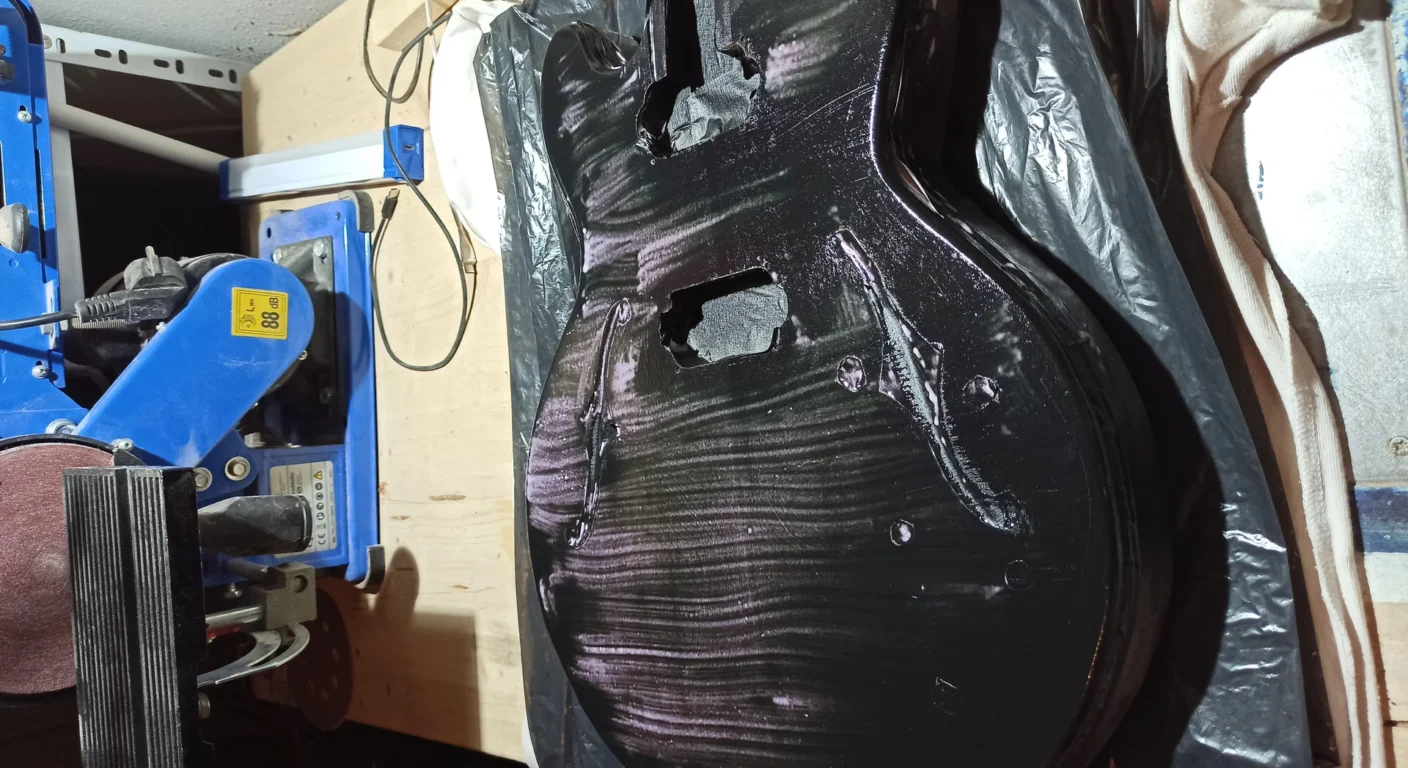
3 mistakes when making an electric guitar body
Ci siamo passati tutti. Quella sensazione di adrenalina quando decidi: “Ok, stavolta mi metto lì e mi costruisco la mia chitarra electric da zero”. Non è come modify an existing guitar, qui si parla di partire da un blocco di legno e tirarne fuori uno strumento che suona. È un viaggio, e come ogni viaggio, è pieno di buche. Quando si tratta di making the body of an electric guitar, le insidie sono tante. Non parlo di quelle ovvie, tipo il taglio storto o il buco fuori asse. Parlo di quelle che ti fregano perché non le hai viste arrivare, quelle che ti fanno dire “Ma come ho fatto a non pensarci prima?”. Io ne ho fatte di tutti i colori, credetemi. Ho buttato via più pezzi di legno di quanti ne ricordi. Ma proprio da quegli errori ho imparato, e oggi voglio condividerne tre che, se evitati, vi faranno risparmiare tempo, soldi e, soprattutto, un bel po’ di frustrazione. Non sono un liutaio professionista, lo sapete. Sono uno che, come voi, ha un garage, un po’ di attrezzi e tanta voglia di far suonare qualcosa fatto con le proprie mani. Quindi, bando alle ciance, vediamo dove si tende a inciampare quando si tratta di dare forma al fusto della nostra futura sei corde.
1. The Rough Draft Fallacy: “I'll Fix It Later”
Questo è il peccato originale, la radice di quasi tutti i problemi futuri. Iniziare a build the guitar body senza un progetto dettagliato è come partire per un viaggio senza mappa e senza meta. Ti trovi a navigare a vista, e la probabilità di finire fuori rotta è altissima. Mi è capitato. Tante volte. La fretta di vedere il legno prendere forma, l’entusiasmo di iniziare a tagliare. “Ma sì, ho un disegno di massima, le misure le prendo al volo”. Grosso errore. Un errore che ti costa caro in termini di legno sprecato e ore buttate.
The Temptation of “I Eyeball”
When you decide to modeling the body of an electric guitar, la prima cosa che salta in mente è la forma. Strat, Tele, Les Paul, o qualcosa di originale. Ma la forma è solo la punta dell’iceberg. Sotto c’è un mondo di misure critiche: Neck scale (scale length): Fundamental. It determines the position of the bridge and, consequently, the intonation. Getting it wrong here means having a guitar that sounds out of tune. Neck heel width: Deve combaciare perfettamente con la tasca del manico (neck pocket). Anche un millimetro di gioco è un problema. Pickup location: Non è solo estetica. Influenza il suono. I pickup hanno posizioni “standard” per un motivo. Profondità delle cavità (routing): Troppo poco profonda e il pickup non entra. Troppo profonda e indebolisci la struttura. Io, le prime volte, mi affidavo a disegni trovati online, stampati e incollati sul legno. Funziona, ma solo se il disegno è accurato e se la stampante non ha “stirato” le proporzioni. Controllate sempre con un calibro, non fidatevi solo della vista.
Come Evitare il Disastro: Il Template è Tuo Amico
The secret to a good carpentry work for the guitar body It's in the preparation. And preparation means templates. Lots of templates.
- Digital Design and Accurate Printing: Iniziate con un buon progetto digitale. Esistono software gratuiti o a pagamento (tipo CAD) che permettono di disegnare la chitarra con precisione millimetrica. Verificate sempre la scala prima di stampare. Io uso un righello per controllare che le misure di riferimento (tipo la scala del manico) siano corrette sulla stampa.
- Material for the Templates: Non usate cartone sottile. Il MDF da 6mm o 10mm è perfetto. È stabile, facile da lavorare e abbastanza robusto da durare per più progetti. Il compensato di betulla è un’ottima alternativa.
- Precision Cutting: Il template deve essere perfetto. Usate una sega a nastro o un seghetto alternativo per i tagli grossolani, poi rifinite con una levigatrice a nastro o a rullo. La costa del template deve essere liscia e perpendicolare alla superficie. Questo è cruciale per la fresatura successiva. Ricordo una volta che il mio template aveva un’ondulazione quasi impercettibile, e me la sono ritrovata replicata sul body. Che rabbia!
- Cross-check: Prima di tagliare il legno definitivo, appoggiate il manico sul template del body. Verificate che il neck pocket sia della misura giusta, che il ponte si posizioni correttamente in base alla scala. Controllate la distanza dei pickup. Fate un check-list. È noioso, ma vi assicuro che è meno noioso che buttare via un pezzo di frassino da 50 euro.
Un’ottima risorsa per trovare piani e specifiche dettagliate è il sito della StewMac. Hanno blueprint per i modelli più comuni, che sono un punto di partenza eccellente. Oppure, se vi sentite più avventurosi, potete cercare sui forum di liuteria DIY, dove spesso gli utenti condividono i loro progetti. Un link utile per chi cerca piani dettagliati e affidabili è il StewMac's catalog of templates and plans. I've often used them as a base, and they've always been a solid reference.
Mimmo's Tip: Non sottovalutare l’importanza di un template ben fatto. È il tuo riferimento per tutto il processo. Spendici tempo. Se è fatto bene, ti ripagherà con precisione e meno stress.
2. The Unforgiving Milling Cutter: Poorly Made Routing and Cavities
Ah, la fresatrice. Uno strumento meraviglioso, capace di trasformare un blocco informe in un capolavoro. Ma anche capace di trasformare un capolavoro in un mucchio di trucioli in un battito di ciglia. Questo è il secondo errore comune, e spesso è figlio del primo. Se il template non è perfetto, la fresatrice non farà altro che replicare quell’imperfezione. Ma anche con un template impeccabile, ci sono mille modi per rovinare il lavoro. Quando si tratta di carving wood for the guitar case, la paura di sbagliare è palpabile. Il rumore, la polvere, la velocità della fresa… È facile farsi prendere dal panico o, al contrario, diventare troppo sicuri di sé.
My First Neck Pocket: A Painful Memory
Ricordo la prima volta che ho affrontato il neck pocket. Avevo il template, avevo la fresatrice, avevo anche la fresa con cuscinetto. Pensavo: “Facile, basta seguire il bordo”. Invece, ho fatto un disastro. Ho spinto troppo forte, la fresa ha strappato il legno. Poi, per rimediare, ho inclinato leggermente la macchina e il bordo del pocket è venuto smussato. Risultato: il manico ballava come un budino. Ho dovuto riempire con stucco e rifare, ma non è mai stato perfetto. Il problema non era la fresa o il template. Ero io, la mia inesperienza e la mancanza di rispetto per la macchina e per il legno.
Routing Techniques for a Precise Body
For making a guitar body con precisione, il routing delle cavità (pickup, controlli, neck pocket, tremolo) è fondamentale. Ecco alcuni punti chiave:
- Solid Fixing: Il pezzo di legno e il template devono essere fissati al banco di lavoro in modo assolutamente immobile. Morsetti, nastro biadesivo robusto (quello per moquette è ottimo), o viti attraverso fori che poi verranno coperti (tipo sotto il battipenna). Qualsiasi movimento, anche minimo, rovinerà il lavoro.
- Router Bit with Bearing: Per seguire i template, le frese con cuscinetto sono indispensabili. Assicurati che il cuscinetto sia pulito e scorra liberamente. Un cuscinetto bloccato può graffiare il template o, peggio, il legno.
- Profondità di Taglio graduale: Non cercare di fare tutto in una passata. Specialmente con legni duri come il mogano o il frassino, e per cavità profonde come il neck pocket.
- Read more: Fai passate di 3-5mm alla volta. Questo riduce lo stress sulla fresa, evita strappi nel legno e ti dà più controllo.
- Imposta la profondità: Usa il sistema di regolazione della profondità della fresatrice. Alcune hanno anche una torretta con stop preimpostati, utilissima per passate multiple.
- Cutting Direction (Climb Cut vs. Conventional Cut): Questo è un dettaglio che pochi hobbisti conoscono, ma che fa una differenza enorme.
- Conventional Cut (conventional cut): The cutter rotates so that the cutting edge goes against il senso di avanzamento del pezzo. È il metodo più comune e sicuro, perché la fresa tende a “tirare” verso il pezzo.
- Climb Cut (cut against the grain): The cutter rotates so that the cutting edge goes in the same sense di avanzamento del pezzo. Questo è un taglio più aggressivo e pericoloso, perché la fresa tende a “strappare” via il pezzo.
- The trick: To avoid tear-outs, especially on woods with difficult grain or on outer edges, many luthiers use a mixed technique. They make a light initial "climb cut" pass (1-2 mm) to cut the surface fibers without tearing them, and then follow with conventional passes. This requires caution and a steady hand. I learned this after ruining a couple of bodies on the edges.
Mimmo's Tip: Pratica su scarti di legno. Non iniziare mai sul pezzo buono senza aver fatto qualche prova. Regola la profondità, prova la direzione di taglio. Ogni legno si comporta in modo diverso.
Milling Machine Maintenance
Una fresa smussata non taglia, strappa. Assicurati che le tue frese siano sempre affilate. Le frese al carburo di tungsteno durano di più, ma anche loro si consumano. Una fresa affilata è più sicura e ti darà un taglio più pulito. Ascolta il suono della fresatrice: se fatica o il legno fuma, la fresa è smussata o stai spingendo troppo. Quando si tratta di working wood for the guitar, la fresatrice è uno strumento potente. Usala con rispetto e intelligenza.
3. The Drama of the Finish: “But the Scratches Hadn’t Disappeared?”
Hai tagliato il body, hai fresato tutte le cavità. Il legno ha una forma meravigliosa. Ti senti un eroe. Ora è il momento di levigare e preparare per la finitura. Ed è qui che arriva il terzo errore, uno dei più subdoli e frustranti: la preparazione della superficie fatta male. Ho passato ore, hours a levigare, convinto di aver fatto un lavoro impeccabile. Ho usato la levigatrice orbitale, poi ho rifinito a mano con carta sempre più fine. Mi sembrava liscio come la seta. Poi, ho dato il primer, e magicamente, come per incanto, sono riapparsi tutti i graffi più profondi, le piccole imperfezioni, le ombre delle venature che non avevo notato. Un incubo. Ho dovuto carteggiare tutto da capo. Questo errore non è solo una perdita di tempo; è una perdita di morale. Ti fa dubitare di tutto il lavoro fatto.
The Law of Smoothing: Patience and Progression
When it comes to shape the body of a guitar e prepararlo per la verniciatura, la levigatura non è un optional, è una scienza.
- Start Big, Finish Small: Non saltare i passaggi. Inizia con una grana più grossa (tipo 120 o 150) per rimuovere i segni degli attrezzi (fresa, sega). Poi procedi in modo graduale: 180, 220, 320. Alcuni si spingono fino a 400 o 600 prima del primer, specialmente per finiture trasparenti.
- Perché non saltare? Ogni grana rimuove i graffi lasciati dalla grana precedente. Se salti dal 120 al 320, i graffi del 120 saranno ancora lì, solo un po’ meno evidenti. E il primer li farà risaltare.
- Raking Light and Denatured Alcohol: Questo è il trucco che ho imparato dopo troppi errori. Dopo ogni passaggio di grana, pulisci la superficie con un panno e un po’ di alcol denaturato (o nafta per sgrassare). L’alcol scurisce temporaneamente il legno e ti permette di vedere i graffi o le imperfezioni che altrimenti sarebbero invisibili. Poi, guarda il pezzo con una luce radente (di lato, quasi parallela alla superficie). Ogni singolo difetto salterà fuori. È un po’ deprimente all’inizio, ma ti salva da un sacco di lavoro extra dopo.
- Sanding Block: Per le superfici piane, usa sempre un blocco rigido per la levigatura a mano. Non usare solo la mano, perché la pressione delle dita creerà avvallamenti e irregolarità. Un pezzo di MDF o un blocco di gomma dura vanno benissimo. Questo è cruciale per la parte posteriore e anteriore del body.
- Follow the Vein: When sanding by hand, always try to follow the grain of the wood. This helps prevent cross-scratches, which are very difficult to remove and show through the paint.
The Mystery of Grain Filling
Alcuni legni, come il mogano, il frassino, il rovere, hanno pori aperti e visibili. Se li vernici direttamente, la finitura avrà un aspetto irregolare, con piccoli buchi. Per una finitura liscia e a specchio, devi fare il “grain filling”, ovvero riempire i pori.
- Specific Products: There are specific products for grain filling, thick pastes that are applied, left to dry and then sanded.
- Do-it-yourself technique: Io a volte ho usato anche stucco per legno molto diluito, o anche una miscela di colla vinilica e polvere di levigatura dello stesso legno. L’importante è applicare, far penetrare nei pori, rimuovere l’eccesso e levigare fino a ottenere una superficie perfettamente liscia.
- Patience: Lascia asciugare bene il grain filler. A volte, dopo la prima mano, i pori si aprono di nuovo. Ripeti il processo. È noioso, ma fondamentale per una finitura professionale.
Mimmo's Tip: Non avere fretta con la levigatura. È il 90% della finitura. Ogni minuto speso qui ti risparmia un’ora di frustrazione dopo. La luce radente e l’alcol denaturato sono i tuoi migliori amici in questa fase.
Project Roadmap: From Board to Guitar
Costruire il corpo di una chitarra elettrica è un progetto che, se ben pianificato, diventa estremamente gratificante. Capire le fasi, i tempi e i potenziali intoppi è la chiave per arrivare alla fine con uno strumento suonabile e, perché no, anche bello da vedere. Ecco una roadmap che ti guiderà passo passo, pensando a chi ha già qualche esperienza ma vuole fare il salto di qualità costruendo da zero.
Fase 1: Progettazione e Preparazione (Dura di più di quanto pensi!)
Questa è la fase più critica, quella che ti salverà da tanti mal di testa futuri. Non avere fretta qui. Milestone 1.1: Scelta del Legno. Decidi il tipo di legno (frassino, ontano, mogano, tiglio, acero). Ogni legno ha caratteristiche sonore e di lavorazione diverse. Ricerca bene le proprietà. Costi indicativi: 30€ – 150€ a seconda del tipo e della dimensione. Milestone 1.2: Disegno Dettagliato. Crea o scarica un piano accurato. Se lo disegni tu, usa software CAD o anche carta millimetrata, ma sii preciso. Definisci tutte le misure: sagoma esterna, posizione del manico, cavità pickup, vano elettronica, ponte, jack. Costi indicativi: Gratuiti (software CAD free, piani online) o 10-30€ per piani professionali. Milestone 1.3: Creazione dei Template. Trasferisci il disegno su MDF o compensato di buona qualità. Taglia e rifinisci i template con la massima precisione. Sono la tua guida per tutto il processo. Costi indicativi: 10€ – 30€ per il materiale del template. Milestone 1.4: Acquisto Materiali e Attrezzi. Fai una lista completa di ciò che ti serve: legno, colle, viti, finitura, attrezzi specifici (se non li hai già). Costi indicativi: Variabili, ma considera almeno 100-200€ per i materiali di consumo e finitura, oltre al costo del legno.
Fase 2: Lavorazione del Legno Grezzo
Qui si inizia a vedere il legno prendere forma. Precisione e pazienza sono fondamentali. Milestone 2.1: Taglio della Sagoma. Trasferisci il template sul pezzo di legno scelto. Usa una sega a nastro o un seghetto alternativo per il taglio esterno. Rifinisci con fresatrice e template o levigatrice. Estimated time: 2-4 ore. Milestone 2.2: Routing del Neck Pocket. Questa è una delle lavorazioni più delicate. Usa la fresatrice con il template appropriato. Procedi per passate leggere. Estimated time: 1-2 ore. Milestone 2.3: Routing delle Cavità. Esegui i tagli per i pickup, il vano elettronica e il jack. Verifica sempre le profondità. Estimated time: 2-5 ore. Milestone 2.4: Sagomatura del Contorno (Chamfers, Rounds). Molti corpi hanno smussi o raggi sui bordi. Questi vanno realizzati con frese specifiche o levigatura. Estimated time: 2-3 ore.
Fase 3: Levigatura e Preparazione per la Finitura
Il corpo sta prendendo la sua forma definitiva. Ora è il momento di renderlo liscio come la pelle di un bambino. Milestone 3.1: Levigatura Iniziale. Elimina i segni della fresatrice e della sega con grane medie (120-180). Estimated time: 2-3 ore. Milestone 3.2: Levigatura Fine. Procedi con grane sempre più fini (220, 320, 400). Usa un sanding block per le superfici piane. Controlla con luce radente. Estimated time: 4-8 ore (dipende dalla pazienza!). Milestone 3.3: Grain Filling (se necessario). Se usi legni porosi, applica e carteggia il filler. Ripeti se serve. Estimated time: 2-4 ore (per mano, inclusi tempi di asciugatura).
Fase 4: Finitura (Verniciatura o Olio)
La fase che dà il “look” finale allo strumento. Milestone 4.1: Applicazione Primer/Sealer. Se vernici, applica un primer o un sealer. Carteggia leggermente tra una mano e l’altra. Estimated time: 1-2 ore (per mano, inclusi tempi di asciugatura). Milestone 4.2: Applicazione Vernice/Colore. Applica il colore desiderato in più mani sottili. Estimated time: 2-4 ore (per mano, inclusi tempi di asciugatura). Milestone 4.3: Applicazione Trasparente/Lucido. Se desideri una finitura lucida, applica diverse mani di trasparente. Estimated time: 2-4 ore (per mano, inclusi tempi di asciugatura). Milestone 4.4: Finitura a Olio (Alternativa). Se preferisci una finitura più naturale, applica olio per legno (es. tung, danese) in più mani, lucidando tra una mano e l’altra. Estimated time: 1-2 ore (per mano, inclusi tempi di asciugatura). Milestone 4.5: Polishing e Buffing. Una volta che la finitura è completamente asciutta (potrebbero volerci giorni o settimane per la polimerizzazione completa), puoi lucidare per ottenere una finitura specchio. Estimated time: 2-4 ore.
Fase 5: Assemblaggio Finale
Il momento della verità. Milestone 5.1: Installazione Hardware. Monta il ponte, le meccaniche (se la paletta è da fare), il jack, i potenziometri, lo switch, i pickup. Estimated time: 2-4 ore. Milestone 5.2: Collegamenti Elettrici. Cabla i pickup con i controlli seguendo uno schema elettrico. Estimated time: 1-2 ore. Milestone 5.3: Montaggio Manico. Inserisci il manico nel neck pocket e fissalo con le viti. Estimated time: 0.5 – 1 ora. Milestone 5.4: Setup Iniziale. Regola l’altezza delle corde, l’intonazione, la curvatura del manico. Estimated time: 1-2 ore. Estimated Total Time: Dalle 30 alle 70 ore di lavoro effettivo, distribuite su settimane o mesi, a seconda della disponibilità e della complessità della finitura. Indicative Total Cost: Da 200€ a 500€ (escluso il costo degli attrezzi che già possiedi). ## Materiali Essenziali per Costruire il Tuo Body Se stai pensando di costruire il corpo di una chitarra da zero, la scelta dei materiali è il primo passo concreto. Non si tratta solo di prendere un pezzo di legno a caso; ogni scelta influenzerà peso, suono, lavorabilità e, ovviamente, estetica. ### Il Cuore dello Strumento: Il Legno del Body La scelta del legno per il corpo è cruciale. I più comuni per chitarre elettriche sono: Alder: Leggero, risonante, con un buon bilanciamento tra medi, alti e bassi. È il legno classico per molte Stratocaster e Telecaster. Facile da lavorare e da verniciare. Costo indicativo: 40€ – 80€ per un body pre-tagliato o una tavola grezza. Ash: Più pesante dell’ontano, offre un suono brillante con ottima definizione sulle note alte e una buona risposta sui bassi. Può avere venature molto belle, ideali per finiture trasparenti. Costo indicativo: 50€ – 100€ (il frassino di palude, più leggero e risonante, costa di più). Mahogany: Legno più denso e pesante, dona calore, sustain e una risposta corposa sui medi e bassi. È il legno principe delle Les Paul. Tende ad avere pori aperti che richiedono riempimento per una finitura liscia. Costo indicativo: 60€ – 120€. Basswood: Leggero e relativamente economico, offre un suono abbastanza neutro con una buona risposta sui medi. È facile da lavorare ma può essere più delicato. Ottimo per chi inizia. Costo indicativo: 30€ – 60€. Maple: Usato più spesso per manici o top, ma a volte anche per corpi interi (soprattutto in versioni “solid body” più pesanti). Offre brillantezza e attacco. Molto duro e pesante. Costo indicativo: 70€ – 150€ (per corpi interi, più comune come top). Where to find them: Puoi acquistare tavole grezze o, per semplificare, body già sagomati e parzialmente lavorati presso rivenditori specializzati in liuteria online (es. ItalianGuitarParts, Amazon, eBay, o siti internazionali come StewMac, Warmoth). ### Componenti Elettronici e Hardware Oltre al legno, avrai bisogno di: Pick-up: Il cuore sonoro. Scegli in base al genere musicale e al tipo di chitarra che vuoi emulare. Humbucker, single coil, P90? Costo indicativo: 30€ – 200€ a seconda della qualità e marca. Bridge: Fissato sul corpo, influisce su intonazione e sustain. Fisso (Tune-o-matic, Hardtail) o mobile (Tremolo tipo Strat, Floyd Rose). Costo indicativo: 30€ – 250€. Mechanics: Se stai costruendo anche il manico o hai un body che prevede un headstock. Costo indicativo: 30€ – 150€. Hardware Varie: Piastre manico, viti, sellette, capotasto, piastra jack, battipenna (se previsto), manopole, selettore pickup, potenziometri, condensatore. Costo indicativo: 50€ – 100€. ### Materiali di Consumo per Lavorazione e Finitura Questi sono i materiali che usi durante il processo: Wood Glue: Vinilica (PVA) di buona qualità, resistente e trasparente una volta asciutta. Sandpaper: In grane diverse (da 80/120 per sgrossare fino a 400/600 per finitura, e anche oltre per lucidatura). Primer / Sealer: Per preparare il legno alla verniciatura. Vernice / Olio: Poliuretanica, nitrocellulosa, acrilica, o oli naturali come tung o danese. Stucco per Legno / Grain Filler: Per riempire i pori dei legni più aperti. Panni e Tamponi: Per applicare finiture e lucidare. Alcol Denaturato o Nafta: Per sgrassare e controllare la levigatura. La scelta dei materiali è un viaggio di scoperta. Inizia con legni più facili da lavorare e hardware standard se sei alle prime armi. Man mano che acquisisci esperienza, potrai sperimentare con legni esotici e componenti più complessi. ## Attrezzi Indispensabili per la Costruzione del Body Per lavorare il legno per il corpo della chitarra, non serve un laboratorio da liutaio professionista, ma alcuni attrezzi sono davvero fondamentali. Altri ti faciliteranno enormemente il lavoro. ### Attrezzi Manuali Essenziali Questi sono quelli che ti serviranno quasi sicuramente: Digital Caliper: Indispensabile per misurare con precisione millimetrica. Non fidarti solo del metro a nastro. Squadra Combinata: Utile per tracciare linee rette e angoli. Clamps: Di varie dimensioni e tipi (a barra, a G, a vite). Ti serviranno per tenere fermi i pezzi, incollare, fissare template. Meglio averne tanti che pochi. Martello e Punteruolo: Per segnare i punti di foratura. Files and Rasps: Per sagomare e rifinire a mano. Carta Vetrata e Blocchi per Levigatura: Come già detto, fondamentali. ### Attrezzi Elettrici e a Motore (La Vera Differenza) Questi attrezzi richiedono un investimento maggiore, ma fanno una differenza abissale in termini di tempo e precisione: Seghetto Alternativo (Jigsaw): Per tagliare la sagoma esterna del body. Scegli un modello con velocità variabile e una buona impugnatura. Random Orbital Sander: Fa gran parte del lavoro di levigatura delle superfici piane. È molto più veloce ed efficace della levigatura a mano per le aree ampie. Router: Questo è forse l’attrezzo più importante per la costruzione del body. Ti servirà per: Creare il neck pocket. Fresare le cavità per pickup e elettronica. Arrotondare i bordi (con frese apposite). Usare i template per definire le forme precise. Consiglio: Una fresatrice con controllo elettronico della velocità e la possibilità di usarla sia fissa (sul banco) che portatile è l’ideale. Sega a Nastro (Bandsaw): Se devi tagliare forme complesse o curve con precisione, una sega a nastro è imbattibile. Molti hobbisti la saltano per motivi di spazio e costo, ma se puoi permettertela, fa miracoli. ### Attrezzi Specifici per Liuteria (Opzionali ma Utili) Fresa per Neck Pocket: Esistono template e frese specifiche per creare neck pocket perfetti. **Fresa per Contorni (Roundover/Chamfer Bits): Per dare un bordo arrotondato o smussato al corpo. Fresa per Battipenna/Cavità Pickup: Per creare guide precise. Dove acquistarli: Negozi di bricolage e fai-da-te (Leroy Merlin, Brico, Obi), negozi online (Amazon, eBay), negozi specializzati in attrezzi (es. Würth, Fein per chi cerca il top). Per attrezzi da liuteria specifici, rivolgiti a siti come StewMac o negozi italiani di ferramenta professionale. Ricorda che la sicurezza è la priorità assoluta. Usa sempre occhiali protettivi, maschera antipolvere e guanti quando necessario. Familiarizza con ogni attrezzo prima di usarlo sul tuo prezioso pezzo di legno. ## Tempi e Costi Indicativi: Quanto Devi Mettere in Preventivo? Affrontiamo il lato pratico: quanto tempo e quanti soldi ti serviranno per making the body of an electric guitar? È una domanda comune, ma la risposta è… dipende! ### Fattori che Influenzano Costi e Tempi 1. Complessità del Design: Un corpo Stratocaster è più semplice di un corpo con contorni elaborati, binding o intarsi. 2. Tipo di Legno: Come abbiamo visto, alcuni legni costano molto di più di altri. 3. Finish: Una finitura a olio richiede meno tempo e materiali di una verniciatura a più strati con lucidatura a specchio. 4. Attrezzi a Disposizione: Se hai una fresatrice CNC, i tempi si riducono drasticamente (ma il costo iniziale è proibitivo per molti). Se lavori solo a mano con seghetto e lime, ci vorrà molta più pazienza. 5. Esperienza Personale: La prima volta impiegherai il doppio del tempo, perché dovrai ricercare, pensare, rifare. 6. Acquisto di Parti Pre-lavorate: Comprare un body già sagomato e fresato ti farà risparmiare ore di lavoro, ma aumenterà il costo iniziale. ### Stima dei Costi Facciamo una stima per un corpo di chitarra elettrica “standard” (tipo Stratocaster o Telecaster) fatto da zero, escludendo il costo degli attrezzi che già possiedi: Body Wood: 40€ – 150€ (a seconda del tipo e della qualità). Legno per Template (MDF/Compensato): 10€ – 20€. Viti, Piastra Manico, Jack Plate: 15€ – 30€. Pickup (set base): 50€ – 150€. Ponte (fisso base): 30€ – 80€. Elettronica (potenziometri, condensatore, selettore): 20€ – 50€. Carta Vetrata, Stucco, Primer, Vernice/Olio: 50€ – 100€. Frese e punte per legno (se devi comprarle): 30€ – 100€. Totale Indicativo per Materiali di Consumo e Componenti: Da circa 250€ a 680€. Se acquisti un body già sagomato e fresato (ma non finito), potresti spendere da 150€ a 400€ solo per quello, più hardware ed elettronica. ### Stima dei Tempi Per un hobbista con una buona manualità e gli attrezzi giusti, ma senza fretta: Progettazione e Template: 10-20 ore. Taglio Sagoma e Routing Cavità: 10-25 ore. Levigatura e Preparazione Superficie: 15-40 ore (molto variabile a seconda della finitura). Finitura (verniciatura o olio): 10-30 ore (considerando tempi di asciugatura tra le mani). Assemblaggio e Setup: 5-10 ore. Totale Indicativo per il Lavoro: Da circa 50 a 125 ore. Questo tempo è distribuito su giorni, settimane o anche mesi, a seconda di quanto tempo puoi dedicare. Considerazioni Finali: Costruire da zero è un investimento di tempo e denaro, ma la soddisfazione di suonare uno strumento fatto con le proprie mani è impagabile. Non scoraggiarti se i costi sembrano alti; pensa che stai creando qualcosa di unico. Se il tuo budget è limitato, puoi iniziare con legni più economici, hardware di base e una finitura a olio. L’importante è iniziare e imparare.
FAQ: Risposte ai Tuoi Dubbi più Frequenti
Qual è il modo migliore per trasferire il disegno sul legno?
Il metodo più preciso è usare un template in MDF o compensato. Una volta che hai il template, puoi fissarlo saldamente sul pezzo di legno con nastro biadesivo forte o morsetti, e poi usare una fresatrice con una fresa a cuscinetto per seguire il bordo del template. In alternativa, puoi tracciare il contorno con una matita a sufficienza, ma questo metodo è meno preciso, specialmente per le cavità.
Posso usare legno di recupero o pallet?
È possibile, ma sconsigliato per il primo progetto. Il legno di recupero può essere instabile, contenere chiodi nascosti, o avere venature irregolari difficili da lavorare. Se decidi di usarlo, assicurati che sia legno massello di buona qualità, stagionato, e preparalo con cura (rimuovi chiodi, leviga bene). Per il tuo primo body, è meglio investire in un legno nuovo e affidabile per evitare frustrazioni inutili.
Realizzare il corpo di una chitarra elettrica è un percorso affascinante che, se affrontato con la giusta preparazione, può portare a risultati sorprendenti. Gli errori sono parte integrante del processo di apprendimento, ma conoscere i tranelli più comuni ti permetterà di evitarli, risparmiando tempo, denaro e, soprattutto, la frustrazione di dover ricominciare da capo. Dalla precisione del progetto alla meticolosa levigatura, ogni fase richiede attenzione e cura. Ricorda che non sei solo: la comunità di appassionati di liuteria fai-da-te è vasta e ricca di consigli. Non aver paura di chiedere e, soprattutto, di mettere le mani nel legno. La soddisfazione di suonare uno strumento creato da te è un’esperienza che vale ogni sforzo.
Download the Luthier Survival Kit
Free PDF with checklist, problem-cause table and project card template.
 English
  Italiano
Stuck on your build?
If you ran into the same problem or have a question, drop it in the comments. I read and reply to every one.
Write a comment