

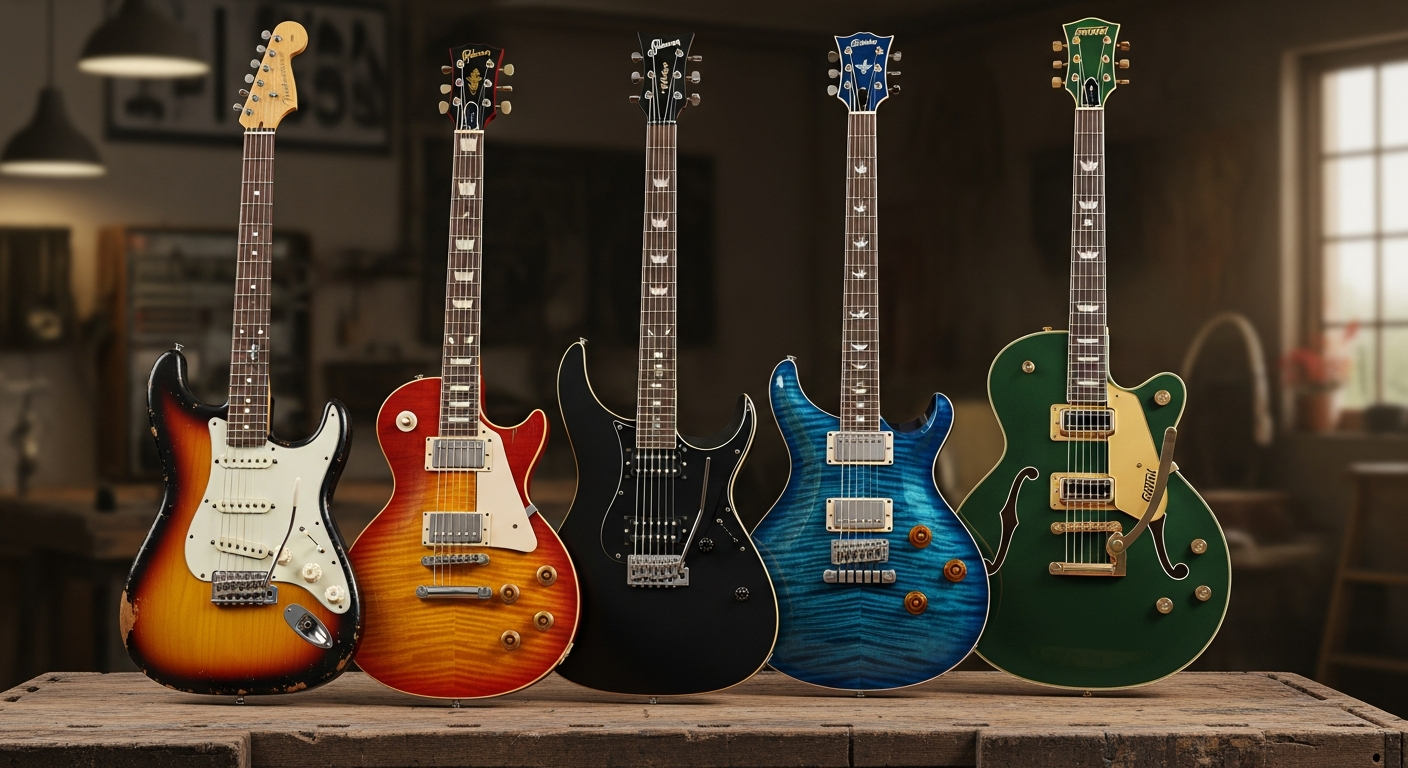
Electric guitar under 2000: Buying Guide
So, let's face it right away: when we talk about a guitar electric under 2000 euros, non siamo più nel territorio delle “prime chitarre da battaglia” che compravi per vedere se ti piaceva suonare. E non siamo neanche ancora nel regno delle Custom Shop da migliaia di euro dove ogni venatura è un’opera d’arte e il prezzo è quasi un numero casuale. No, qui siamo nel mezzo. E il mezzo, ve lo dico, è un posto bellissimo per chi, come me, ha le mani sporche di segatura e lo stagno sulla punta del saldatore. In questa fascia di prezzo, trovi strumenti che sono davvero dei cavalli di battaglia. Chitarre che ti porti in giro, ci suoni live, ci registri, e magari, se sei come me, ci metti le mani sopra per farle tue, per spingerle un po’ oltre. Non è roba perfetta, sia chiaro, ma è roba che works. E funziona bene, spesso molto bene. L’obiettivo di questa guida è proprio questo: capire cosa aspettarsi, cosa cercare e, soprattutto, come non farsi fregare quando si investe una cifra del genere. Perché 2000 euro non sono pochi, e non vogliamo buttarli via. Ho passato anni a smontare, rimontare, saldare e riverniciare chitarre che, magari, erano nate proprio in questa fascia di prezzo. Ho visto cose fatte bene e cose fatte malissimo. Ho imparato che a volte basta un buon setup per trasformare uno strumento “così così” in una macchina da guerra, e che altre volte, nemmeno il pickup più costoso del mondo può salvare un pezzo di legno nato male. Quindi, prepariamoci, perché qui non parliamo di brochure patinate, ma di legno, metallo e cavi.
Cosa aspettarsi da una electric guitar under 2000 euro?
Quando si sale di prezzo, la qualità media dei componenti e della costruzione fa un salto notevole. Non si tratta più solo di marchi, ma di sostanza. In questa fascia, le case produttrici iniziano a mettere sul piatto legni selezionati, hardware più robusto e, spesso, pickup di marca che non sono solo “generici”. L’attenzione ai dettagli costruttivi aumenta. Parliamo di fretwork più curato, manici più stabili e finiture applicate con maggiore precisione. Non aspettatevi la perfezione assoluta di uno strumento da 5000 euro, ma la differenza con un modello da 500 euro è abissale. Questo è il terreno dove un bravo liutaio amatoriale può davvero fare la differenza con un buon setup o qualche mod mirata.
Le Caratteristiche Tecniche: Dove i Dettagli Contano
Quando investi in una chitarra elettrica nella fascia sub-2000, è fondamentale sapere dove vanno i tuoi soldi. Non è solo il logo sulla paletta a fare la differenza, ma l’insieme di tutti i componenti.
Woods
I legni del corpo e del manico sono la base di tutto. In questa fascia di prezzo, le aziende hanno accesso a lotti di legno più stagionati e di qualità superiore rispetto ai modelli entry-level.
- Body: Spesso troviamo mogano (Mahogany) per un suono caldo e ricco di sustain, ontano (Alder) per un timbro bilanciato e risonante, o frassino (Ash) per un attacco più brillante e un sustain prolungato. Non è raro trovare anche top in acero fiammato o quilted (Flame/Quilted Maple) che, pur essendo estetici, contribuiscono a un leggero aumento di brillantezza.
- Handle: L’acero (Maple) è il più comune, spesso con un rinforzo in grafite o acero “roasted” per maggiore stabilità e resistenza ai cambi di umidità. A volte si trova anche il mogano per un feeling più corposo e un suono più scuro.
- Fretboard: Palissandro (Rosewood) per morbidezza e toni caldi, ebano (Ebony) per un attacco veloce e brillantezza, o acero (Maple) per un suono più scattante e un look distintivo. La qualità dell’ebano o del palissandro in questa fascia è generalmente superiore, con venature più dense e meno porose.
Tipo di Manico e Fretwork
Il manico è il punto di contatto principale con lo strumento, e la sua ergonomia è cruciale.
- Profile: Si passa dai profili “C” moderni, più sottili e veloci, a profili “D” o “U” più pieni, che offrono maggiore comodità per chi ha mani grandi o preferisce una presa più solida. Alcuni marchi offrono profili asimmetrici o con finiture satinate per una scorrevolezza superiore.
- Radius: Spesso troviamo tastiere con radius composto (Compound Radius), che è più curvo al capotasto per facilitare gli accordi, e più piatto verso il corpo per i bending senza che le corde “friggano”. È una soluzione intelligente che migliora la suonabilità su tutta la tastiera.
- Frets: L’acciaio inossidabile (Stainless Steel) è sempre più comune in questa fascia, offrendo durata eccezionale e una scorrevolezza impareggiabile. Altrimenti, troviamo nickel-silver di alta qualità, spesso lavorato con maggiore precisione. Il fretwork, cioè la lavorazione e il livellamento dei tasti, è generalmente molto buono, riducendo la necessità di interventi post-acquisto.
Pick-up
Qui le cose si fanno interessanti. Raramente si trovano pickup generici.
- Configurazioni: Le combinazioni classiche SSS (tre single coil), HSS (humbucker al ponte, due single coil), HH (due humbucker) sono la norma. Spesso sono presenti anche P90 o configurazioni più particolari.
- Marca e Modello: Molte chitarre in questa fascia montano pickup di marchi noti come Seymour Duncan, DiMarzio, Fishman Fluence, o proprietari di alta qualità sviluppati internamente (es. Gibson Burstbucker, Fender V-Mod/V-Mod II, PRS 85/15 “S”). Questi pickup offrono una sonorità ben definita e un’ottima risposta dinamica.
- Electronics: Potenziometri di qualità (es. CTS), selettori affidabili (es. Switchcraft) e talvolta circuiti di split coil, phase reversal o boost integrati offrono una versatilità tonale notevole.
Scale (Scale Length)
La lunghezza della scala influenza la tensione delle corde e il timbro.
- Standard: Le più comuni sono 25.5″ (Fender-style) per un suono brillante e definito, e 24.75″ (Gibson-style) per maggiore calore e sustain.
- Baritone/Multi-scale: In questa fascia si trovano anche modelli con scale più lunghe (es. 27″) o multi-scala (fanned frets) per chi cerca accordature ribassate o una maggiore uniformità nella tensione delle corde.
Hardware
La qualità dell’hardware è un indicatore chiave.
- Mechanics (Tuners): Meccaniche autobloccanti (Locking Tuners) sono quasi uno standard, garantendo stabilità dell’accordatura e velocità nel cambio corde. Marchi come Gotoh, Grover, o Hipshot sono comuni.
- Bridge: Ponti fissi (Hardtail) di alta qualità (es. Gotoh Tune-o-matic, string-through-body) o tremoli a due punti (Two-point Tremolo) con sellette in acciaio o ottone. I Floyd Rose originali o licenziati di alta qualità sono presenti su modelli orientati al metal. L’attenzione alla massa e al materiale del ponte è importante per il sustain e la risonanza.
- Nut: Spesso in osso (Bone), Graph Tech TUSQ o materiali compositi avanzati che migliorano il sustain e la stabilità dell’accordatura. Addio capotasti in plastica cheap!
Finish
La finitura non è solo estetica, ma influenza anche il “respiro” del legno.
- Types: Le finiture in poliuretano (Polyurethane) sono le più comuni, offrendo durata e resistenza. A volte si trovano finiture più sottili o a poro aperto (Open Pore) che permettono al legno di vibrare di più. Alcuni marchi offrono anche finiture alla nitrocellulosa (Nitrocellulose) che “invecchiano” meglio e sono spesso preferite per il loro impatto minimo sul suono.
- Quality: La precisione nell’applicazione è elevata, con meno imperfezioni o “arance” rispetto alle fasce più economiche.
Popular Sentiment: What the Community Says
Come redattore di biafax.it, ho passato ore a leggere forum, gruppi Facebook e recensioni online. Non mi fido solo delle schede tecniche, ma di quello che dicono i chitarristi che queste chitarre sotto 2000 euro le comprano e le suonano ogni giorno. E il quadro è abbastanza chiaro: in questa fascia, si trovano veri gioielli, ma non senza qualche caveat. La maggior parte degli appassionati concorda sul fatto che questo sia il “sweet spot” per il rapporto qualità-prezzo. Non stai pagando il nome esagerato di un Custom Shop, ma stai ottenendo un livello di artigianato e componentistica che ti permette di suonare a livelli professionali.
Il “Modern Workhorse”: L’affidabilità per il Musicista Attuale
Pensiamo a chitarre come le serie Ibanez Prestige/Premium, Schecter Hellraiser/Banshee, o alcune PRS SE Custom 24. Sono macchine da guerra, spesso con un’estetica aggressiva ma pulita.
Technical specifications (archetype)
- Body wood: Mogano con top in acero fiammato o quilted, talvolta ontano o tiglio.
- Handle: Acero (spesso 5-pezzi acero/noce) con profilo sottile e veloce, tastiera in ebano o palissandro, 24 tasti jumbo in acciaio inossidabile, radius composto.
- Pick-up: Humbucker potenti (es. DiMarzio Fusion Edge, Fishman Fluence, Seymour Duncan Sentient/Pegasus). A volte con coil-split.
- Stairs: 25.5″ o multi-scala.
- Hardware: Ponte tremolo a due punti (Gotoh 510, Ibanez Edge Zero II) o fisso (Hipshot style), meccaniche autobloccanti Gotoh, capotasto Graph Tech TUSQ.
- Finish: Poliuretanica sottile o satinata, a volte finiture a poro aperto.
- Construction notes: Spesso neck-through o set-neck per maggiore sustain e accesso agli ultimi tasti.
Popular sentiment
Gli utenti le amano per la loro suonabilità eccezionale e la versatilità. Sono chitarre che “si suonano da sole”, perfette per generi moderni, shredding e performance live. Molti apprezzano la stabilità dell’accordatura e la robustezza generale. Il punto più discusso è spesso l’estetica, che per alcuni è troppo “moderna” o “generica”. A volte si segnala che i pickup di serie, pur essendo buoni, possono essere un po’ “freddi” o privi di carattere per chi cerca sonorità più vintage. C’è chi lamenta una finitura troppo spessa che “soffoca” un po’ il legno, ma è una minoranza.
Pros and Cons (in relation to price)
- Pros:
- Playability: Manici veloci, fretwork impeccabile, radius composto.
- Versatility: Pickup con split coil, configurazioni HSS/HH che coprono molti generi.
- Affidabilità: Hardware di qualità, stabilità dell’accordatura.
- Rapporto qualità/prezzo: Specifiche da chitarra di fascia superiore a un prezzo accessibile.
- Against:
- Carattere sonoro: Alcuni trovano i pickup di serie un po’ generici o troppo “puliti” per certi generi.
- Aesthetics: Il look moderno non piace a tutti.
- Weight: A volte possono essere un po’ pesanti, soprattutto i modelli in mogano.
Per chi è adatto / Per chi è meglio evitarlo
Questi strumenti sono perfetti per musicisti di rock, metal, fusion, progressive. Ideali per chi cerca una chitarra da palco affidabile, veloce e versatile, pronta per essere usata intensamente. Chi dovrebbe evitarla? Chi cerca un suono vintage puro, un feeling più “tradizionale” o un manico più corposo. Non è la scelta migliore per il bluesman purista o l’amante delle sonorità anni ’60.
La “Classic Reinterpretation”: Il Fascino del Vintage con un Tocco Moderno
Qui parliamo di chitarre che si ispirano ai grandi classici, ma con miglioramenti moderni. Pensiamo a modelli come le Fender Player Plus Stratocaster/Telecaster, G&L Tribute Legacy/ASAT, o le Epiphone Les Paul/SG Custom Shop.
Technical specifications (archetype)
- Body wood: Ontano o frassino per Fender-style, mogano per Gibson-style.
- Handle: Acero con profilo “Modern C” o “Deep C”, tastiera in palissandro o acero, 22 tasti medium jumbo, radius 9.5″ o 12″.
- Pick-up: Single coil o humbucker ispirati ai PAF (es. Fender V-Mod II, Epiphone ProBucker, G&L MFD).
- Stairs: 25.5″ (Fender) o 24.75″ (Gibson).
- Hardware: Tremolo a 2 punti con sellette in acciaio (Fender), ponte Tune-o-matic e stopbar (Gibson), meccaniche autobloccanti o vintage-style di qualità (es. Gotoh), capotasto in osso sintetico o TUSQ.
- Finish: Poliuretanica lucida, talvolta nitrocellulosa su alcuni modelli specifici.
- Construction notes: Spesso bolt-on per Fender-style, set-neck per Gibson-style.
Popular sentiment
La community apprezza queste chitarre per il loro feeling familiare e il timbro iconico, ma con una suonabilità migliorata rispetto agli originali vintage. Sono viste come ottime basi per upgrade futuri. Le critiche più comuni riguardano a volte le meccaniche non bloccanti (quando presenti) o l’elettronica standard che, pur essendo buona, non è sempre “boutique”. Alcuni puristi del vintage potrebbero trovare le modernizzazioni eccessive o il suono non Exactly come quello degli originali, ma per il 90% dei musicisti sono più che adeguate.
Pros and Cons (in relation to price)
- Pros:
- Iconic sound: Timbri classici e riconoscibili.
- Feeling familiare: Ergonomia e profili manico che richiamano i grandi classici.
- Base for upgrade: Ottime piattaforme per personalizzazioni (pickup, elettronica, hardware).
- Aesthetics: Il look senza tempo che non passa mai di moda.
- Against:
- Non “perfetta” out of the box: A volte richiede un setup accurato per esprimere il massimo.
- Componenti migliorabili: Sebbene buoni, alcuni elementi (es. potenziometri, condensatori) possono essere un target per upgrade.
- Weight: Alcuni modelli in mogano possono essere pesanti.
Per chi è adatto / Per chi è meglio evitarlo
Ideale per blues, rock classico, pop, country, o chiunque voglia il suono e il feeling di una chitarra iconica senza spendere cifre da capogiro. Ottima per chi ama sperimentare con i pickup e le modifiche. Chi dovrebbe evitarla? Chi cerca suoni estremi, un’ergonomia ultra-moderna per lo shred o un’estetica più aggressiva.
La “Boutique-ish Budget”: L’Innovazione a Prezzo Contenuto
Questa categoria include marchi che si sono fatti un nome offrendo specifiche da boutique a prezzi competitivi, spesso grazie a modelli di business innovativi o produzioni in paesi con costi inferiori. Pensiamo a Chapman Guitars, Solar Guitars, o alcuni modelli Charvel Pro-Mod.
Technical specifications (archetype)
- Body wood: Mogano, ontano, o frassino con top in acero fiammato o radica di pioppo, spesso con finiture uniche.
- Handle: Acero roasted (spesso con rinforzi in carbonio), profilo Thin C o D, tastiera in ebano o acero, 24 tasti jumbo in acciaio inossidabile, radius composto.
- Pick-up: Humbucker custom-wound o di marca (es. Seymour Duncan, Fishman Fluence, propri pickup di alta qualità), spesso con coil-split.
- Stairs: 25.5″, 26.5″ o multi-scala.
- Hardware: Ponte fisso (Hipshot style) o tremolo (Gotoh 510, Floyd Rose 1000 Series), meccaniche autobloccanti (Hipshot, Gotoh), capotasto Graph Tech TUSQ o in osso.
- Finish: Poliuretanica satinata o lucida, spesso con colori o burst particolari.
- Construction notes: Spesso neck-through o set-neck, con smussature ergonomiche per il comfort.
Popular sentiment
C’è un grande entusiasmo per queste chitarre. La community le celebra per le specifiche di alto livello, i legni esotici e il design innovativo che si trovano a un prezzo incredibile. Sono viste come la dimostrazione che non serve spendere una fortuna per avere uno strumento “boutique”. Le critiche, quando ci sono, sono generalmente legate a piccole imperfezioni estetiche (spesso dovute a una produzione su larga scala che non permette il controllo qualità maniacale di una piccola liuteria) o a una rete di distribuzione meno capillare. A volte si discute sul valore di rivendita, che non è sempre paragonabile a quello dei marchi storici.
Pros and Cons (in relation to price)
- Pros:
- Specifiche da boutique: Legni, hardware e pickup di altissimo livello per la fascia di prezzo.
- Unique aesthetics: Design moderni e finiture distintive.
- Suonabilità eccezionale: Manici veloci, fretwork in acciaio, ergonomia curata.
- Innovation: Spesso incorporano le ultime tendenze in fatto di design e componentistica.
- Against:
- Quality control: Piccole imperfezioni estetiche possono capitare più frequentemente.
- Resale Value: Potrebbe non tenere il prezzo come un marchio più blasonato.
- Availability: A volte più difficili da provare prima dell’acquisto.
Per chi è adatto / Per chi è meglio evitarlo
Perfette per musicisti moderni, che cercano un look distintivo e specifiche da “boutique” senza dover sborsare 3000+ euro. Ottime per chi vuole un cavallo di battaglia con un tocco di esclusività. Chi dovrebbe evitarle? Chi preferisce marchi storici con una comprovata reputazione di decenni, o chi cerca un suono ultra-tradizionale.
L’Importanza del Setup e la Via del Modding
Ho visto con i miei occhi come un buon setup possa trasformare una chitarra da “così così” a “wow”. Anche una chitarra elettrica sotto 2000 euro, pur essendo già di buon livello, può beneficiare enormemente di un’accurata regolazione. Altezza delle corde, intonazione, curvatura del manico, altezza dei pickup: sono tutti parametri che, se settati alla perfezione, rendono lo strumento più suonabile e risonante. Non date per scontato che una chitarra nuova sia già settata al top; spesso, una visita da un buon liutaio (o un pomeriggio di studio e pratica nel vostro garage) fa miracoli. E poi c’è il modding. Questa fascia di prezzo è il terreno fertile per chi, come me, ama mettere le mani in pasta. Le basi sono solide: buoni legni, buona costruzione. Magari si possono cambiare i pickup stock con qualcosa di più specifico per il proprio genere, o migliorare l’elettronica con potenziometri di precisione e condensatori di alta qualità. A volte basta un capotasto in osso o un set di meccaniche autobloccanti di un marchio diverso per elevare ulteriormente lo strumento. È un modo per rendere la chitarra veramente “tua”, adattandola perfettamente alle tue esigenze e al tuo sound. Ricordo ancora una volta che ho preso una chitarra di fascia simile, un modello ispirato a una T-style, e ho sostituito i pickup di serie con un set hand-wound, ho cambiato l’elettronica e ho rifatto il setup. Il risultato? Uno strumento che suonava e risuonava come un modello da migliaia di euro, ma con una frazione della spesa iniziale e il valore aggiunto di averci messo le mani. Questa è la bellezza di queste chitarre: sono tele bianche pronte per la tua arte.
Final Advice and Alternatives
Se hai un budget di quasi 2000 euro per una chitarra, il mio consiglio è di non accontentarti. Prova il maggior numero possibile di strumenti. Vai nei negozi, tocca, senti, suona. Ogni chitarra è diversa, anche due modelli uguali della stessa serie. Il feeling del manico, il peso, la risonanza a secco: sono tutti fattori personali che solo tu puoi valutare. Non farti influenzare solo dalle specifiche o dal marketing. Considera che in questa fascia di prezzo, il mercato dell’usato è un’altra miniera d’oro. Puoi trovare strumenti che costavano ben oltre i 2000 euro nuovi, ora disponibili a un prezzo più che ragionevole. L’importante è saper valutare bene lo stato dello strumento e, se possibile, provarlo di persona o affidarsi a rivenditori fidati. A volte, un piccolo difetto estetico può farti risparmiare centinaia di euro su una chitarra altrimenti perfetta.
Per approfondire ulteriormente le specifiche tecniche e confrontare i modelli, puoi consultare database affidabili come Sweetwater, che offre schede prodotto molto dettagliate e guide all’acquisto.
In definitiva, investire in una chitarra elettrica sotto 2000 euro significa accedere a un mondo di strumenti seri, affidabili e con un potenziale enorme. Scegli con cura, non aver paura di sporcarti le mani con un buon setup o qualche modifica, e avrai tra le mani un compagno fedele per anni di musica.
FAQ
Qual è la differenza principale tra una chitarra da 1000 euro e una da 2000 euro?
La differenza principale risiede nella qualità dei materiali e nella cura costruttiva. A 2000 euro, si ottengono legni più selezionati e stagionati, hardware di marca (es. meccaniche autobloccanti Gotoh, ponti Hipshot, capotasti in osso o TUSQ) e pickup di produttori rinomati come Seymour Duncan o DiMarzio. Il fretwork è generalmente più preciso e rifinito, riducendo la necessità di interventi di liuteria post-acquisto.
È meglio comprare una chitarra nuova da 2000 euro o un usato di fascia superiore?
Dipende dalle tue priorità. Una chitarra nuova offre garanzia e la certezza di essere il primo proprietario, spesso con un setup di fabbrica decente. Un usato di fascia superiore (magari un modello che da nuovo costava 3000-4000 euro) può offrire legni e artigianato ancora migliori, ma richiede un’attenta valutazione delle condizioni. Spesso, l’usato necessita di un buon setup o di piccole riparazioni, ma il potenziale di valore è altissimo.
Download the Luthier Survival Kit
Free PDF with checklist, problem-cause table and project card template.
 English
  Italiano
Stuck on your build?
If you ran into the same problem or have a question, drop it in the comments. I read and reply to every one.
Write a comment