

Gibson SG Standard Review: Pros and Cons
So, let's be clear: the Gibson SG Standard è un’icona. Punto. Non c’è molto da discutere su questo. È quella chitarra che vedi in mano a Angus Young, Tony Iommi, e un’infinità di altri che hanno scritto pagine di storia del rock. Ha un look inconfondibile, un sound che buca il mix e una leggerezza che, almeno sulla carta, la rende super comoda. Ma qui su biafax.it, non ci limitiamo a guardare le foto patinate. Noi le chitarre le prendiamo in mano, le smontiamo, ci mettiamo le mani, e soprattutto, ascoltiamo quello che dice la gente che le compra e le suona davvero. Non sono un liutaio professionista, l’ho detto mille volte. Sono uno che in garage si è fatto le ossa, ha sbagliato, ha rifatto, e alla fine ha capito che, con un po’ di pazienza e le dritte giuste, si possono fare grandi cose anche senza un laboratorio super attrezzato. Quando uno pensa alla Gibson SG, spesso ha in mente l’immagine di una chitarra perfetta, senza difetti. La verità è un po’ più complessa. Come ogni strumento, ha i suoi pregi che la rendono unica, ma anche qualche lato oscuro che è giusto conoscere prima di tirare fuori i soldi. Specialmente quando parliamo di cifre importanti. Questo articolo è per te che stai pensando di fare il grande passo, di mettere le mani su una vera Gibson SG Standard. Magari hai già qualche chitarra, hai smanettato un po’ con pickup e ponticelli, e ora vuoi capire se questo modello fa al caso tuo. Ti dico subito: non è una chitarra per tutti. E non perché sia difficile da suonare, ma perché ha un carattere tutto suo, con cui devi imparare a convivere. Andiamo a sviscerare questa diavoletta dal manico sottile, cercando di capire cosa c’è sotto quella vernice nitro e se vale davvero l’investimento.
Gibson SG Standard Technical Features
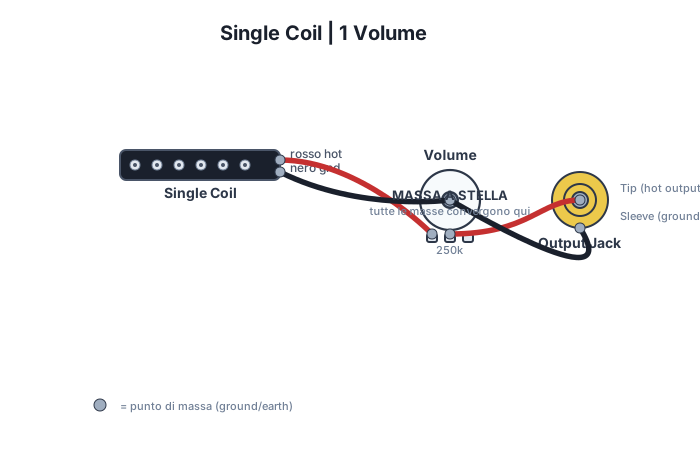
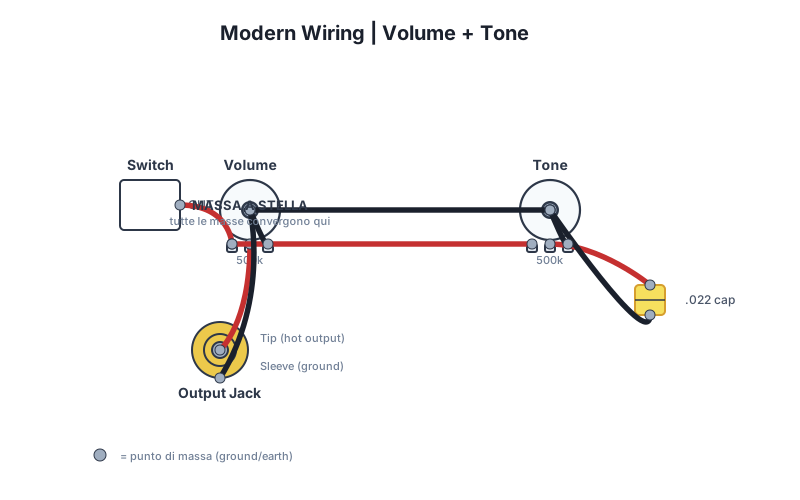
Before we dive into feelings and opinions, let's clarify the technical specifications. It's essential to know what you're buying. Gibson SG Standard of recent years (we are talking about the current models, let's say from 2019 onwards, those of the “Original Collection” series) have quite defined characteristics. Body: The body is solid mahogany. This is one of the key elements of the SG sound. Mahogany is a medium-light, resonant wood that contributes to a warm tone, with good sustain and a nice emphasis on the midrange. It's also the reason why the SG is generally lighter than a Les Paul. Neck: The neck is also mahogany. The join to the body is at the 19th fret, not the 22nd as on many guitars, and this is a crucial detail for access to the upper frets (we'll talk about that later). The profile is usually a "Slim Taper," which is thinner than the fatter profiles of some Les Pauls or SGs from the '60s. For me, with not exactly gigantic hands, it's a comfortable, fast profile. Fretboard: Made of rosewood, with 22 medium jumbo frets. Rosewood is a classic, offering a good feel and contributing to the roundness of the sound. The fingerboard radius is 12 inches, a standard that is well suited to bending and vibrato without fretting out. Scale (Scale Length): 24.75 inches. The short scale is a Gibson trademark. It means less tension on the strings, easier string bends, and a slightly softer, mellower sound than a Fender with a 25.5-inch scale. Nut: Often made of Graph Tech, a synthetic material that ensures good string glide and tuning stability. The width is approximately 1.695 inches (43.05 mm), a classic Gibson measurement. Pick-up: It usually features a pair of Burstbucker 61R (neck) and Burstbucker 61T (bridge) humbuckers. These pickups are designed to replicate the sound of the original PAF (Patent Applied For) pickups from the late 1950s, but with a slightly higher output. The 61R in the neck position is warm and defined, while the 61T in the bridge position is more aggressive, with a nice bite. Controls: Two separate volumes and two separate tones (one for each pickup), with a 3-way selector switch. The wiring is typically hand-wired with Orange Drop capacitors, a quality touch that many appreciate for tone control. Hardware: The ABR-1 Tune-O-Matic bridge and aluminum stopbar are classic Gibson components. The tuners are Grover Rotomatics, reliable and precise. All the hardware is nickel-plated. Finish: Gloss Nitrocellulose Lacquer. Nitro is a thinner finish than modern polyurethane, allowing the wood to breathe better and, theoretically, resonate more. It also wears differently, developing a patina that many love. Relevant construction notes: Spesso le Gibson moderne sono Plek’d in fabbrica, un processo di scansione e livellamento dei tasti che assicura un’action bassa e senza buzz. La SG Standard ha anche il binding crema su manico e corpo, e intarsi a trapezio sulla tastiera. Queste sono le basi. Ogni dettaglio contribuisce al carattere unico di questa chitarra. Ma le specifiche sono una cosa, l’esperienza di suonarla è un’altra.
Popular Sentiment: Voices from the Battlefield


Ok, now that we've got the raw data down, let's see what's being said. When it comes to Gibson SG Standard, the debate is always heated. It's not a guitar that leaves anyone indifferent.
The Bright Sides, the ones that make you fall in love
Many enthusiasts, myself included, feel an immediate attraction when they pick up an SG. The Sound: La prima cosa che colpisce. Il mogano e i Burstbucker 61 producono un suono grosso, potente, con un midrange che taglia il mix come un bisturi. Per rock, blues, hard rock, è semplicemente perfetta. Il pickup al manico è cremoso e caldo per i soli, quello al ponte ha un attacco pazzesco per i riff. Ho provato un sacco di chitarre, ma quel roar tipico della SG è difficile da replicare. Access to the High Keys: This is an undeniable strength. The body design with the two "horns" and the neck joint at the 19th fret makes the upper frets incredibly accessible. If you're someone who ventures into those areas of the fretboard often, the SG is a joy. I remember the first time I tried a 22nd-fret bend on an SG: something that on my Strats felt like I was going to sprain my wrist. Lightness: Compared to a Les Paul, the SG is a featherweight. This makes it very comfortable for those who play on their feet for hours, or for those with back problems. When you strap it on, you barely feel it. This is something I really appreciate, especially after spending entire evenings with heavy guitars. Iconic Aesthetics: There's not much to say, it's beautiful. That aggressive yet elegant look, those two pointed horns. It's a guitar with enormous stage presence. And what about the Cherry red, a timeless classic that always makes a statement?. Simplicity: It's a no-frills guitar. Two humbuckers, four pots, a selector switch. Plug and play. You focus on the music, not on a thousand switches and settings. The Dark Sides, the Hidden (or Almost) Scams
Then there are the flaws, the ones that forums and communities often bring up. And these aren't just barroom chatter; they're real problems that can turn many people's noses up. Neck Dive (Imbalance): This is THE problem of the Gibson SG. Because of the lightweight body and relatively long, heavy neck, the headstock tends to point downward when you strap it. It's annoying, I assure you. You have to hold it up with your left hand while playing, and that tires you out. I've tried countless solutions: suede straps that "chafe," moving the strap button (a classic DIY fix, but it doesn't completely solve the problem), but the problem remains. It's an intrinsic design feature. If you can't stand neck dive, the SG might not be the guitar for you. Palette Fragility: The neck-to-headstock joint on Gibsons has historically been a weak point. Mahogany is a soft wood, and the angle of the headstock, combined with the lack of "volutes" (a reinforcement at the base of the headstock that Gibson used and then removed on some models), makes it vulnerable to drops. One impact and it cracks. I've seen too many SGs with repaired headstocks. It's not a manufacturing defect, it's a structural weakness in the design. Construction Quality and Quality Control (QC): This has been a sore point for Gibson for years. Many users complain about small imperfections on instruments in this price range: imperfect paint, smudged binding, imperfectly finished fret ends. Sure, Gibson has made progress in recent years, but the feeling is that sometimes you're paying for the brand name rather than the craftsmanship. It's not uncommon to find a high-end Epiphone or Squier with better QC on certain details. Thin Handle (for some): The Slim Taper profile is comfortable for many, but some prefer a fatter, fuller handle. If you're used to a '50s-style handle or a baseball bat, the SG's Slim Taper will feel too thin. It's a matter of personal preference, but it's good to know. Shoulder Strap Button Position: Il bottone della tracolla sul retro del corpo, dietro al tacco del manico, è un altro fattore che contribuisce al neck dive e a volte rende la chitarra un po’ “avanti” rispetto al corpo. Alcuni lo spostano sulla “corna” superiore, ma questo richiede di fare un buco nel body, e non tutti se la sentono. Insomma, la Gibson SG Standard It's a bit like a friend with a strong character: either you love him with all his flaws, or he's not for you.
Pros and Cons in Relation to Price
Now we come to the sore point for many: the price. A Gibson SG Standard These days, a new one costs around €1,800-2,000 (always check current prices, as they can vary). It's a significant sum, which begs the question: is it worth it?
The PROs that Justify the Price (in Part)
The Unmistakable Tone: Let's not beat around the bush, the Gibson sound is a Gibson sound. Those Burstbuckers on mahogany, the short scale, the nitro finish. It's a package that gives you a tone that no other guitar perfectly replicates. If you're looking for that specific, iconic sound, then you're paying for it. And that sound, for certain genres, is gold. Resale Value:Gibsons, in general, hold their value well. It's not an investment that will make you rich, but if you ever decide to sell it, you'll recoup a good portion of your money, especially if you take good care of it. It's a brand with a history and prestige that comes at a price. Status Symbol and Stage Presence: Ammettiamolo, suonare una Gibson ha il suo fascino. Sul palco, la SG attira gli sguardi. È una chitarra che parla da sola, che trasmette una certa attitude. Se per te questo è importante, allora il prezzo include anche questo “valore aggiunto”. Comfort (if you adapt): Despite the dive neck, its light weight and access to the upper frets make it an extremely comfortable guitar for extended playing. If you learn to handle it, you'll find it's a very ergonomic instrument.
The CONS that Make You Think (A Lot) About the Price
Quality Control vs. Price: This is the most critical point. Spending almost €2,000 and finding small imperfections in the finish, fret ends, or factory setup is frustrating. You expect perfection at that price. I've personally seen SGs with misaligned binding or small paint defects. These aren't defects that compromise playability, but for the price you pay, you expect more. The Neck Dive:It's a design flaw that's never been fixed. For a high-end guitar, it's a significant compromise. If you can't stand it, you'll feel that unbalanced feeling every time you pick it up. Limited Versatility: The SG is a rock guitar. It does what it's supposed to do in that context, and it does it divinely. But if you're looking for a super-versatile instrument that can go from clean jazz to extreme metal with a pickup change, you might be disappointed. Burstbuckers are great, but they have a very defined character. Valid Alternatives: A quella cifra, o anche a meno, ci sono un’infinità di alternative valide. Chitarre di altri marchi (e anche alcune di Gibson stessa, come le Tribute o le Studio) che offrono un ottimo rapporto qualità-prezzo, con meno difetti e magari più versatilità. Ci sono Epiphone che, pur non essendo Gibson, hanno fatto passi da gigante nel controllo qualità e offrono un’esperienza simile a un costo decisamente inferiore. Per me, che ho sempre avuto un occhio al portafoglio e uno al cacciavite, il prezzo di una Gibson SG Standard It's a bit high for what it offers in terms of construction "perfection." You're paying a lot for the brand and its history. This doesn't mean it's a bad guitar, absolutely not. It just means you need to be aware of what you're buying and the trade-offs it entails.
Who is the Gibson SG Standard suitable for? And who should avoid it?
Ok, let's put together a sort of checklist to understand if this guitar is right for you.
The Gibson SG Standard is Your Guitar If:
You're a Rocker at Heart: You love the sound of Angus Young, Tony Iommi, Pete Townshend. You're looking for that iconic crunch, that raging sustain, and that midrange that gives you goosebumps. SG guitar it was born for this. Live Sounds for Hours:Lightness is a factor for you. You don't want to break your back after three sets. The SG allows you to move freely on stage without feeling weighed down. You Need Space for the Alone: Access to the higher frets is a priority. If your solos often extend beyond the 17th fret, you'll love how easily the SG lets you reach them. Neck Dive Doesn't Scare You (or You Know How to Handle It): You're aware of the problem and already have a solution in mind, or it simply doesn't bother you that much. Maybe you play mostly seated, or you have a super-grip strap. You appreciate Design and History: For you, owning a real Gibson is important. It's not just an instrument, it's a piece of rock history to hang on your wall and play. Want a Sound with Character: You're not looking for a "neutral" or ultra-versatile guitar. You want a tone with a strong personality that makes itself heard.
You Should Avoid the Gibson SG Standard If:
Are You Sensitive to Neck Dive? If the mere thought of a guitar pointing downward at your head gives you hives, forget it. There are too many other fantastic guitars that don't have this problem. Your Budget is Tight and You're Looking for Perfection:If €2,000 is the maximum you can afford and you expect an instrument impeccable in every detail, you might be disappointed by the quality control. At that price, there are guitars from other brands (or even lower-end Gibsons) that offer more consistent build quality. Looking for Maximum Versatility: If you need to go from light jazz to clean pop, from funk to modern metal with the same guitar, the SG might not give you all the nuance you're looking for. Burstbuckers are great, but they're not chameleonic. Do you prefer “Chubby” Handles? Se hai mani grandi o semplicemente ti trovi meglio con manici più pieni, il profilo Slim Taper della SG potrebbe sembrarti troppo sottile e poco confortevole. * You are an absolute beginner: Not that the SG is difficult to play, but for your first experiences, it might be better to start with something less expensive, which will allow you to understand what you're looking for without the anxiety of having spent a fortune.
Final Advice and Alternatives
So, at the end of the day, the Gibson SG Standard è una chitarra pazzesca. Ha un’anima, un suono, una storia che pochi altri strumenti possono vantare. Ma non è perfetta. Ha i suoi difetti, e sono difetti che, per certi versi, sono parte del suo DNA. Se sei innamorato del suono e del look, e sei disposto a convivere con il neck dive o a trovare un modo per mitigarne gli effetti (una buona tracolla in pelle scamosciata a volte aiuta, o spostare il bottone posteriore – anche se questa è una guitar modification che va fatta con cognizione di causa), allora la SG ti darà anni di gioia. Non c’è niente come il feeling di una vera Gibson. Però, se il budget è una preoccupazione o se i difetti che ho elencato ti fanno storcere il naso, ci sono alternative eccellenti che vale la pena considerare: 1. Epiphone SG Standard / SG Prophecy: Le Epiphone hanno fatto passi da gigante. Le SG Standard sono ottime repliche, con un rapporto qualità-prezzo eccellente. Le Prophecy, con pickup attivi e hardware più moderno, offrono un’esperienza diversa ma altrettanto valida, specialmente per chi cerca sonorità più aggressive. Non avrai il “logo”, ma avrai un grande strumento. 2. Gibson SG Tribute / SG Special: Se vuoi rimanere in casa Gibson ma risparmiare, questi modelli sono un’ottima via di mezzo. Spesso hanno finiture satinate, hardware meno pregiato (ma comunque funzionale) e pickup diversi, ma mantengono il feeling e il suono di base della SG a un costo inferiore. 3. Similar Guitars from Other Brands: Molti marchi producono chitarre in stile SG. Penso a LTD (ESP), Schecter, o anche Harley Benton per chi ha un budget super-ridotto. Spesso risolvono il problema del neck dive e offrono un controllo qualità più consistente a prezzi più bassi. Non avranno il “mojo” di una Gibson, ma possono essere strumenti molto validi. Un esempio interessante è la linea di chitarre della Duesenberg, che pur avendo un costo elevato, offre una qualità costruttiva e un’attenzione ai dettagli impeccabili, spesso superando le aspettative anche dei chitarristi più esigenti. Un’occhiata al loro catalogo può far capire come si possano interpretare design classici con un tocco di modernità e una qualità superiore. 4. The Used: Don't underestimate the second-hand market! You can find some Gibson SG Standard in ottime condizioni a prezzi più accessibili. Però, qui l’occhio del falegname (o dell’hobbista esperto) ci vuole: controlla bene il manico, i tasti, l’elettronica, e soprattutto la paletta per eventuali riparazioni. In conclusione, la Gibson SG Standard It's a guitar with a strong character, an unmistakable sound, and an aesthetic that won't go unnoticed. It's not a guitar to buy blind. Try it, pick it up, play it for a while. See if its strengths outweigh its weaknesses. tea. Solo così potrai capire se è la compagna giusta per le tue avventure musicali. E se decidi di prenderla, sappi che avrai tra le mani un pezzo di storia che ti farà divertire un mondo.
FAQ
La Gibson SG Standard ha problemi di accordatura?
Generalmente, le Gibson SG Standard moderne hanno meccaniche Grover Rotomatics che sono molto stabili. I problemi di accordatura, se si verificano, sono spesso legati a un capotasto non ben lavorato o a un setup non ottimale. Con un buon setup e magari un capotasto in Graph Tech o Tusq, l’accordatura dovrebbe essere solida.
Il neck dive della SG è davvero così grave?
Il neck dive è una caratteristica intrinseca della SG, dovuta al bilanciamento tra il corpo leggero e il manico. Per alcuni è un problema insormontabile che rende la chitarra scomoda, per altri è una piccola seccatura gestibile con una buona tracolla o con piccoli accorgimenti. Molti chitarristi famosi hanno suonato e suonano SG senza apparenti problemi, quindi dipende molto dalla sensibilità individuale e dalla tecnica di chi suona.
For further technical details you can consult this external resource.
See also
In definitiva, la Gibson SG Standard è uno strumento iconico con un suono inconfondibile e un’estetica che fa girare la testa, ma non è priva di compromessi. Se il suo carattere deciso e i suoi difetti intrinseci non ti spaventano e sei pronto a farli tuoi, allora questa SG potrebbe davvero essere la chitarra che hai sempre sognato.
Download the Luthier Survival Kit
Free PDF with checklist, problem-cause table and project card template.
 English
  Italiano
Stuck on your build?
If you ran into the same problem or have a question, drop it in the comments. I read and reply to every one.
Write a comment