

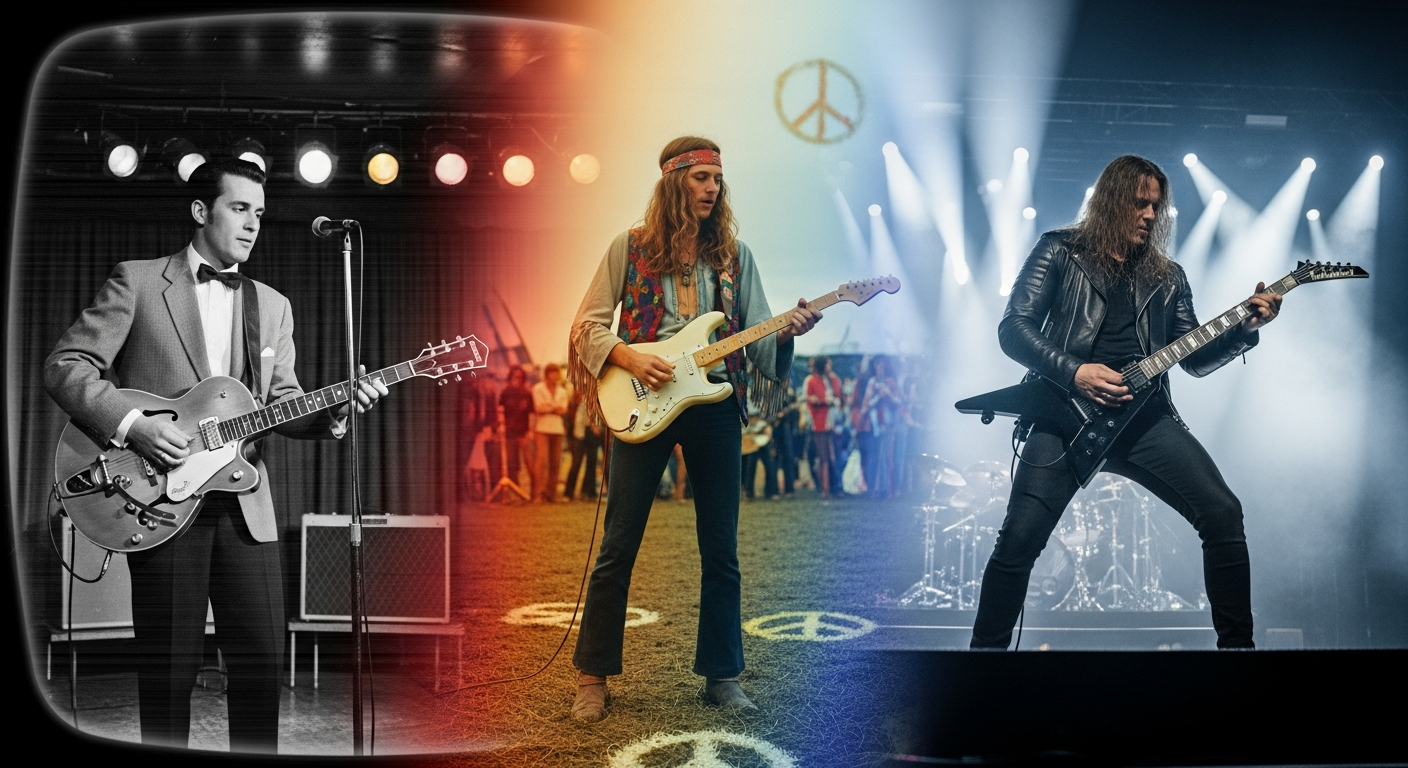
90s Guitars: Evolution and Iconic Models
Ah, the '90s. A strange decade, musically speaking. If you think about it, it was a real crossroads. On one hand, the echoes of the brash '80s sounds were still there, with their shredders and over-the-top looks. On the other, a wave of "back to the raw" with grunge, Britpop, and then, towards the end, the explosion of nu-metal.In the midst of all this, we, perhaps kids with our first guitar in hand, were trying to figure out what the hell sounded good and what didn't. For me, who was taking my first steps in the world of six-strings and DIY, those guitars 90s They were a universe to explore. It wasn't as easy as it is today, with YouTube and forums at your fingertips. You learned by watching videos on MTV, reading magazines, and above all, by dismantling and reassembling whatever came to hand in your garage.
The point is this: the '90s weren't an era of aesthetic revolutions or extravagant shapes like the '70s or '80s. Rather, it was a period of consolidation, technical refinement, and a quiet but profound evolution. Manufacturers began to understand that guitarists wanted instruments that were reliable, versatile, and, above all, sounded good without too many frills.
This article is not intended to be an encyclopedia, but a journey for an enthusiast to understand how 90s guitars they shaped the sound of an era and why even today so many of us look for those very models, perhaps to modify them and make them even more our.
The Context: A Decade of Contrasts and Silent Innovations
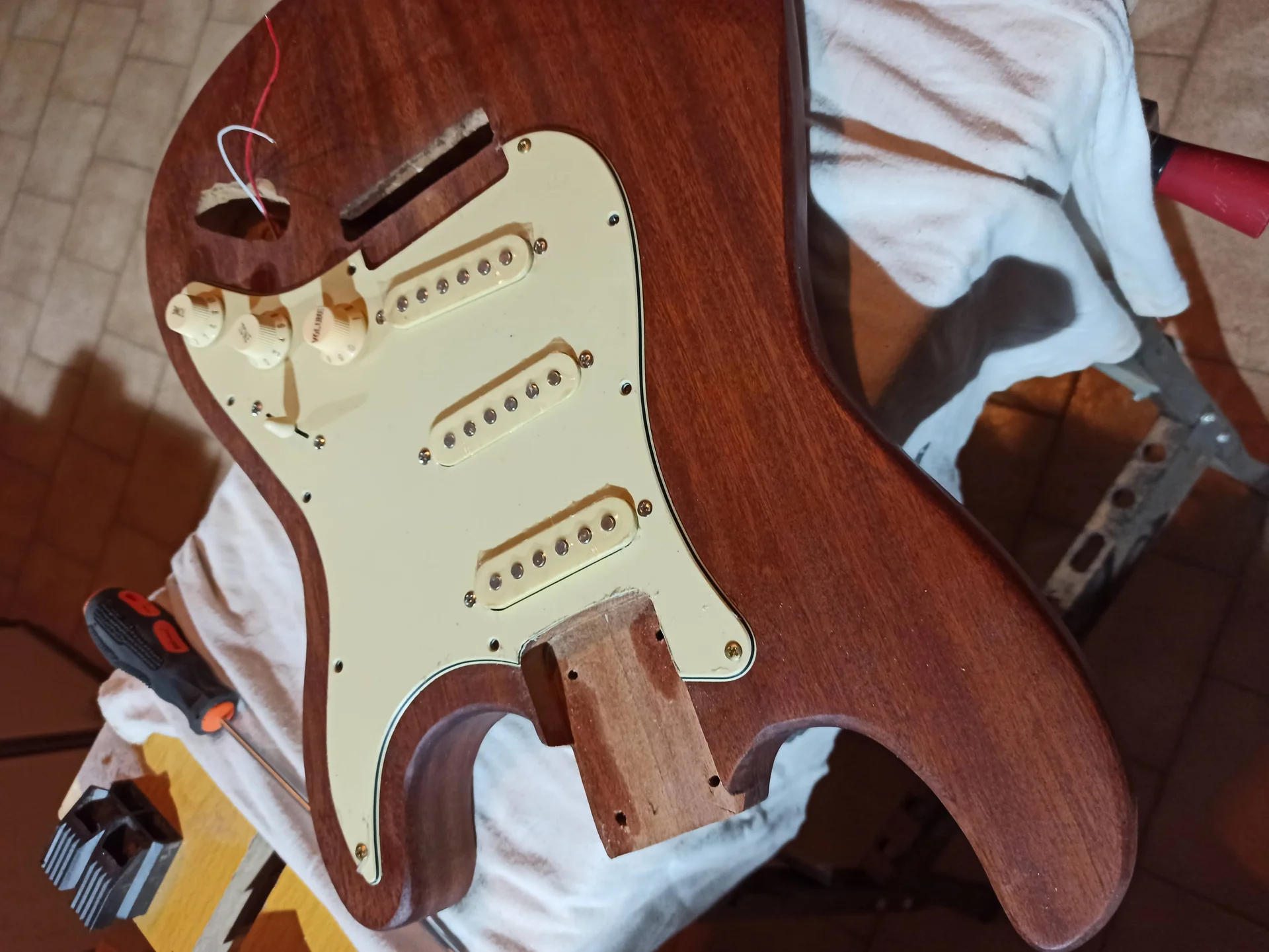
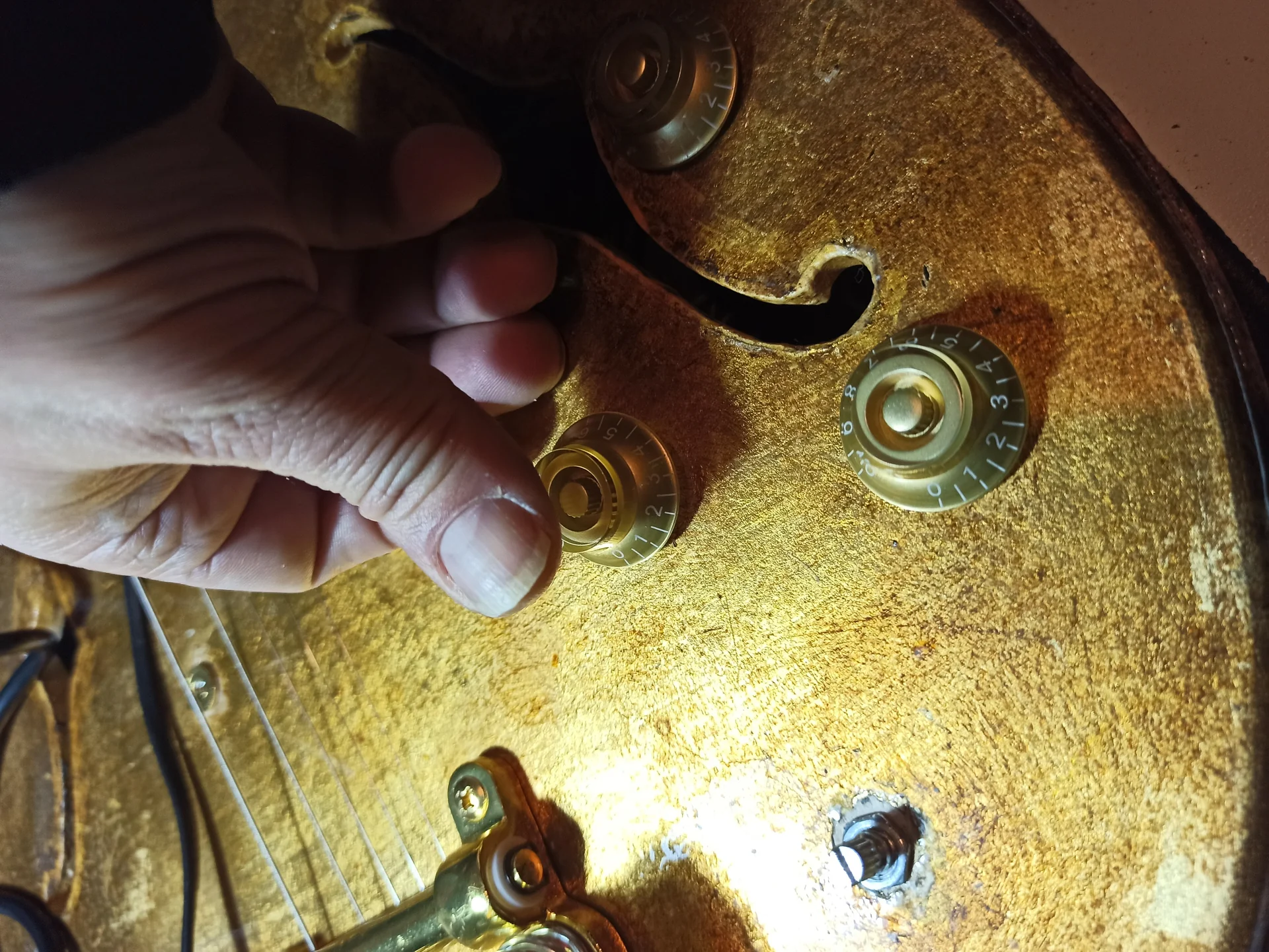
After the dark days of CBS management, the 1990s were a decade of rebirth and consolidation for Fender. The Fender Musical Instruments Corporation, which was acquired by a group of employees in 1985, had a clear goal: to reaffirm the brand's quality and legacy. And they succeeded remarkably.
The 90s Fender guitars, especially the American Standard series, became true workhorses. The Stratocasters and Telecasters of that period were modern instruments but with a strong connection to tradition.
American Standard Stratocasters: The Perfect Balance
Advertising

Enhon 30FT Cloth Covered Pushback Guitar Wire Set, Vintage Style Waxed Braided Guitar Wiring Kit, 22AWG Pre-tinned Stranded Copper Wire for Electric Guitars (10ft Black/White/Yellow)
See on Amazon

What made her so special? Double pivot bridge: Goodbye to the old six-bolt tremolo. The new two-pivot bridge offered greater tuning stability and smoother vibrato action. For someone like me who was trying to dive bomb a few strings without wrecking everything, it was a godsend.
Modern C Handle: A comfortable profile,
it's too often
It's too thin, with a 9.5-inch radius fingerboard and medium jumbo frets. This made it fast and comfortable to play, suitable for both riffs and solos.
Improved Pickups: The stock Alnico V single coils offered a bright, clear sound, but with a little more body than vintage pickups. Some models, such as the American Standard Stratocasters produced from 1998 onwards, also featured the Delta Tone system, with a ’no-load“ tone pot that completely bypassed the tone circuit when set to 10, for a more direct and aggressive output.
Polyurethane painting: Sturdy and durable, although the nitrocellulose coating was sometimes lacking to allow the wood to breathe. But for a battle instrument, it was perfect.
American Standards were, and still are, fantastic bases for all kinds of modifications. I've seen and tried several of these. 90s guitars, and their structural strength makes them ideal for swapping out pickups, electronics, or even the bridge. If you find a used one for a good price, you've got a great starting point for a DIY project.
American Standard Telecasters: Doing the Dirty Work in Style
The American Standard Telecaster also had its moment of glory. Less flashy than the Strat, but just as effective. It was the guitar of choice for many alt-rock and country guitarists seeking a rawer, more direct sound.The features were similar to the Strat: a Modern C neck, medium jumbo frets, but with its unmistakable six-saddle bridge in brass or steel. The pickups were classic Telecaster single-coils, but again, with an eye to modernity, offering slightly more output and less background noise than more vintage models.
A personal anecdote: a friend of mine back then had a '95 American Standard Telecaster. It was his go-to guitar. He played everything on it, from blues to punk. I remember one time his volume knob broke mid-show. With some duct tape and a screwdriver, we fixed it backstage. Those guitars were indestructible, built to last. Tip for the hobbyist: If you're looking for a solid foundation for a modification project, a '90s Fender American Standard is a great choice. Check the serial number (usually starting with "’
” followed by a number, and then the year digits (e.g. N9XXXXX for 1999) to ensure it’s from the correct decade. The build quality is superb, allowing you to focus on electronics or hardware modifications without worrying about the base.
Gibson: Between Tradition and Heavy Experimentation
The '90s were also an interesting time for Gibson. While Fender focused on perfecting its classics, Gibson, while maintaining its tradition, had to deal with the need for more aggressive and modern sounds, especially in metal.The Gibson guitars from the 90s They were a mix of timeless classics and new interpretations. Les Pauls, in particular, saw the introduction of models that met different budget and sound needs.
Les Paul Classic and Studio: New Workhorses
The Les Paul Standard was always there, a benchmark. But Gibson introduced models like the Les Paul Classic and the Les Paul Studio that had a huge impact. Les Paul Classic: Introduced in 1990, it was intended to recall the Les Pauls of the 1960s. It had a thinner neck, the famous ’slim taper“ of the 1960s, and 496R (neck) and 500T (bridge) ceramic pickups. These pickups were hot Seriously, with high output and an aggressive sound, perfect for hard rock and metal. I remember a friend of mine had a Classic in Honeyburst, and the sound it produced was truly hammer-driven. It had a distinctive tone, with a percussive attack and a huge midrange punch. They often had the words “1960 Les Paul Classic” on the headstock.Les Paul Studio: Launched in the '80s but exploding in popularity in the '90s, the Studio was the "essential" Les Paul. With no binding on the body or fingerboard, and with simpler finishes, it offered the essence of the Les Paul at a more affordable price. This made it perfect for those who wanted the Gibson sound without spending a fortune, and for those, like me, who loved modify a guitar without hesitation. Removing the stock pickups and replacing them with Seymour Duncans or DiMarzios was almost a rite of passage.
These Gibson guitars from the 90s they demonstrated that the Les Paul was not just a relic of the past, but a living instrument capable of adapting to new sounds.
The Influence of Metal and Aggressive Pickups
You can't talk about '90s Gibsons without mentioning the impact of metal. While active EMG pickups were more associated with brands like ESP and Jackson, many Gibsons were also modified with these pickups to achieve the compressed, punchy sound required by nu-metal and extreme metal.Gibson's standard pickups, like the 498T and 500T, were already a step in that direction: ceramic magnets, tighter windings, and an aggressiveness that PAFs couldn't offer. This pickup evolution was crucial in defining the sound of many bands of the decade. Practical Insight: If you're working on a '90s Les Paul and want a more modern and aggressive sound, the stock ceramic pickups are a good place to start. However, if you're looking for something even more punchy, consider swapping them for a Seymour Duncan JB/Jazz set or a DiMarzio Super Distortion/PAF Pro. The difference is huge and relatively simple to make. I did this swap on an old Epiphone Les Paul (which was the affordable but sturdy version of the Gibson back then) and the result blew me away.
The Other Protagonists: Ibanez, Jackson, PRS and Japanese Innovations
The panorama of the 90s guitars It wasn't just about Fender and Gibson. Rather, it was a decade in which other brands consolidated their position or emerged as dominant forces, often pushing for innovation and specialization.Ibanez: The Kings of Shred, But Not Only
Ibanez, already established in the 80s with the RG series and Steve Vai (JEM) signature models, has continued its rise. Ibanez guitars from the 90s they were synonymous with speed, precision and versatility. RG Series: Ibanez's flagship model. Super-thin Wizard necks, flat fingerboards (often with a 16-inch radius or more), jumbo frets, and Floyd Rose-style tremolo bridges (Edge or Lo-Pro Edge). These bridges, though complex to set up, offered unparalleled tuning stability for extreme vibrato use. I remember spending hours trying to balance the spring tension and saddle height on one of my RGs. A nightmare at first, but once I got the hang of it, it was a breeze.JEM/Universe Models: Steve Vai's signature JEM and the seven-string Universe (which Korn pioneered) were icons. The Universe, in particular, pioneered the widespread use of seven-strings in nu-metal and progressive metal, forever changing the sonic landscape of metal.
Ibanez has managed to maintain its identity while adapting to new demands. They've introduced new finishes, exotic woods, and increasingly varied pickup configurations (HSH, HSS).
Jackson and Charvel: The Heavy Sound That Endures
Jackson and Charvel, despite being the queens of metal in the 80's, continued to produce 90s guitars top-notch. Models like the Soloist and Dinky, with their super-fast neck-through or bolt-on necks, were still the preferred choice of many metal guitarists.While grunge wasn't their bread and butter, the sturdiness and build quality of these guitars made them suitable for any genre requiring a powerful sound and great playability. Their aesthetic, featuring bright colors and pointed shapes, may have suffered a bit from changing fashions, but the essence was still there.
PRS: The Rise of a New Classic
Paul Reed Smith Guitars, founded in the mid-80s, had its real boom in the 90s. PRS guitars from the 90s They were perceived as luxury instruments, with impeccable build quality and obsessive attention to detail.Models like the Custom 24 and the McCarty offered a unique fusion of Gibson warmth and Fender sparkle, all with breathtaking aesthetics (those flamed maple tops!). The Wide Thin or Wide Fat neck, PRS tremolo bridge, and proprietary pickups (Dragon, Vintage Bass/Treble) all contributed to a distinctive and versatile sound.
PRS proved that innovation could be achieved without revolutionizing, creating instruments that were instantly recognizable and desirable. Many guitarists, from Carlos Santana to John Mayer (although the latter came later), have embraced PRS. To learn more about their history and iconic models, I recommend checking out the official PRS Guitars website, a wealth of information. I've always had a soft spot for their finishes, a true dream for anyone who appreciates the art of guitar making.
Gretsch and Rickenbacker: The Hidden Treasures
Let's not forget brands like Gretsch and Rickenbacker. Although they were more niche, their 90s guitars They found fans in specific genres. Gretsch saw a small resurgence thanks to rockabilly and alt-country, with its twangy sounds and vintage aesthetics. Rickenbacker, with its unmistakable sound, was the choice of many Britpop bands (think R.E.M. or Oasis, even though Liam Gallagher often used a semi-acoustic Epiphone, the sound that was it).These brands remind us that music and guitars don't always follow mainstream trends, but create niches of excellence and sonic identity.
Technology and Materials: What's Changed Under the Hood
As I was saying, the real change in 90s guitars It was often less visible, but more felt. It wasn't about inventing the wheel, but about making it more efficient, faster, and better suited to the new needs of musicians.Pickups: More Output, More Definition
The 1990s saw the rise of high-output pickups, both humbuckers and single-coils. Guitarists craved more gain, more sustain, and better definition, especially with the increasingly high distortion of amplifiers. Humbucker: The Seymour Duncan JB (Jeff Beck) and DiMarzio Super Distortion became true standards. The JB, in particular, was incredibly versatile, capable of powerful crunch but also acceptable clean tones. Gibson responded with its 498T and 500T, aggressive and full of character.Single Coil: Here, too, Fender introduced its more powerful Alnico V pickups, and Seymour Duncan offered variations like the SSL-5 for those looking for a fatter Stratocaster sound.
Active Pickups (EMG): Although they existed before, EMG 81/85s hit their peak in the '90s, becoming almost mandatory for metal. Their compressed, quiet, and powerful sound was perfect for ultra-distorted, fast-paced riffs.
For those who get their hands dirty in the garage, understanding the differences between these pickups is essential. A ceramic pickup typically has more output and a brighter, more aggressive sound than an alnico V, which is warmer and rounder. When you decide to modify your guitar, this is one of the first decisions you need to make based on the sound you're looking for.
Hardware: Stability and Fluidity
The bridge and tuners were another battleground for innovation. Tremolo Bridges: Fender's two-pivot bridge significantly improved tuning stability and vibrato feel compared to the vintage design. Ibanez, with its Edge and Lo-Pro Edge, gave metal guitarists the ability to use the tremolo to their full potential without worrying about losing their tune.Locking Tuners: While they weren't standard on all guitars, locking tuners began to gain popularity. They were a godsend for those who used a lot of vibrato or did extreme bending, drastically reducing tuning problems. I installed a set of Schaller locking tuners on a Stratocaster I built in the 2000s, and the difference was enormous.
These hardware innovations weren't just a luxury, they were a necessity. Musicians played louder, faster, and more aggressively, and the instruments had to keep pace. DIY Tip: When are you modifying a guitar, Don't underestimate the importance of hardware. A good set of locking tuners, or a well-made, modern bridge, can transform a frustrating experience into pure pleasure. You don't have to spend a fortune; there are excellent aftermarket alternatives that do the job just fine.
Necks and Fingerboards: Speed and Comfort
Neck feel is a very personal thing, but in the 90s there was a clear trend towards faster necks. Slim Profiles: Fender's "Modern C" neck, Gibson's '60s "Slim Taper" neck, and Ibanez's "Wizard" necks were all designed for speed. They were thinner, allowing for a more comfortable grip for players with their thumb behind the neck, and making it easier to move quickly across the fretboard.Flat Keyboard Radii: Fingerboards with flatter radii (9.5″, 12″, 16″, or compound) were now the norm, especially on shred guitars. This reduced the risk of “fretting out” (strings sticking on the higher frets during bending) and made it more comfortable to play fast solos.
Jumbo/Medium Jumbo Keys: The larger frets offered greater control over the string and made bending easier, although they required a lighter touch to avoid pressing too hard and altering the intonation.
Understanding the profile and radius of your keyboard that you prefer is crucial. If you have the opportunity, try different ones. 90s guitars from different brands. You'll find that an Ibanez Wizard neck is one thing, and a Gibson '50s neck is another, and that there's no absolute "best" neck, just the one that best suits your hand and your playing style.
Conclusions: The Legacy of '90s Guitars for DIY
The 90s guitars They were, ultimately, a bridge between two eras. They took the best of tradition, refined it, and projected it into the future, without excess, but with great attention to functionality and playability. They weren't revolutionary in form, but they were evolutionary in substance.For us DIY electric guitar makers, these guitars are a treasure trove. Many models are still relatively affordable on the used market and offer a solid, quality foundation for modification projects. Whether you want to swap out the pickups on a Les Paul Studio, install a double-pivot bridge on a '90s Stratocaster, or breathe new life into an old Ibanez RG, you're holding sturdy, well-made instruments ready to be customized.
The message that the 90s guitars They leave us is this: you don't always need the latest technological wizardry to get a great sound. Sometimes, all it takes is a good instrument, a few small, targeted tweaks, and, above all, the desire to experiment and make them sound the way we want. If I could do it, with my mistakes and my attempts in the garage, you can do it too. Pick up one of these old glories, and you'll discover they still have so much music to give.
See also
Download the Luthier Survival Kit
Free PDF with checklist, problem-cause table and project card template.
 English
  Italiano
Stuck on your build?
If you ran into the same problem or have a question, drop it in the comments. I read and reply to every one.
Write a comment