

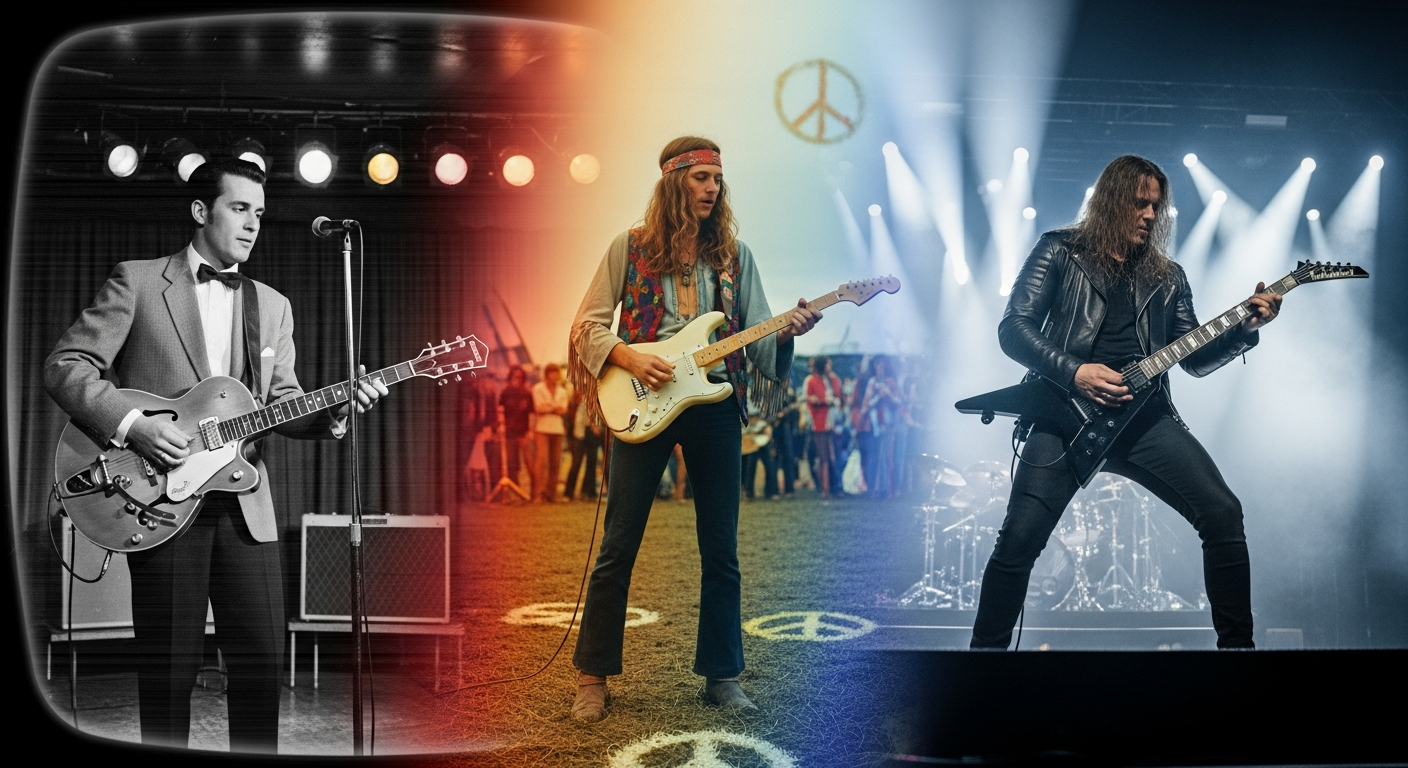
Les Paul: 5 Models That Made History
If there is one guitar who, more than any other, has been able to strike the chords of legend and rock'’‘'Roll, that's the Les Paul. It's not just an instrument; it's an icon, a piece of history, a cult object for musicians and enthusiasts. And, let's face it, for someone like me who gets their hands dirty in the garage installing pickups and milling bodies, it's also a real headache, but one of those that really do give you satisfaction.
I've always had a weakness for the stories behind guitars. It's not enough for me to know that a certain model sounds a certain way. I want to understand. Why It was born, who thought of it, what mess they made to get there. Because often, behind a brilliant innovation, there's a lot of sweat, a few glaring errors, and the tenacity of people who don't give up. The story of Les Paul That's exactly it: a mix of brilliant intuitions, risky business decisions, and a rediscovery that catapulted it into the Olympus of tools.
On this journey, I don't want to be a walking encyclopedia of the guitar. I want to tell you, as one enthusiast to another, five things. Les Paul guitar models which, in my opinion, have truly left their mark. We'll see how each evolution wasn't just aesthetic, but technical, and how it shaped the sound of generations of musicians. And maybe, who knows, it will give you some ideas for your next modifying a guitar existing or for a new project from scratch.
Before diving headfirst into specific models, let's take a step back. Because the Les Paul would never have existed without Les Paul. And his story is movie material.nn
Les Paul, the man, the myth, the inventor with the soldering iron in his hand
nn nnnnnn
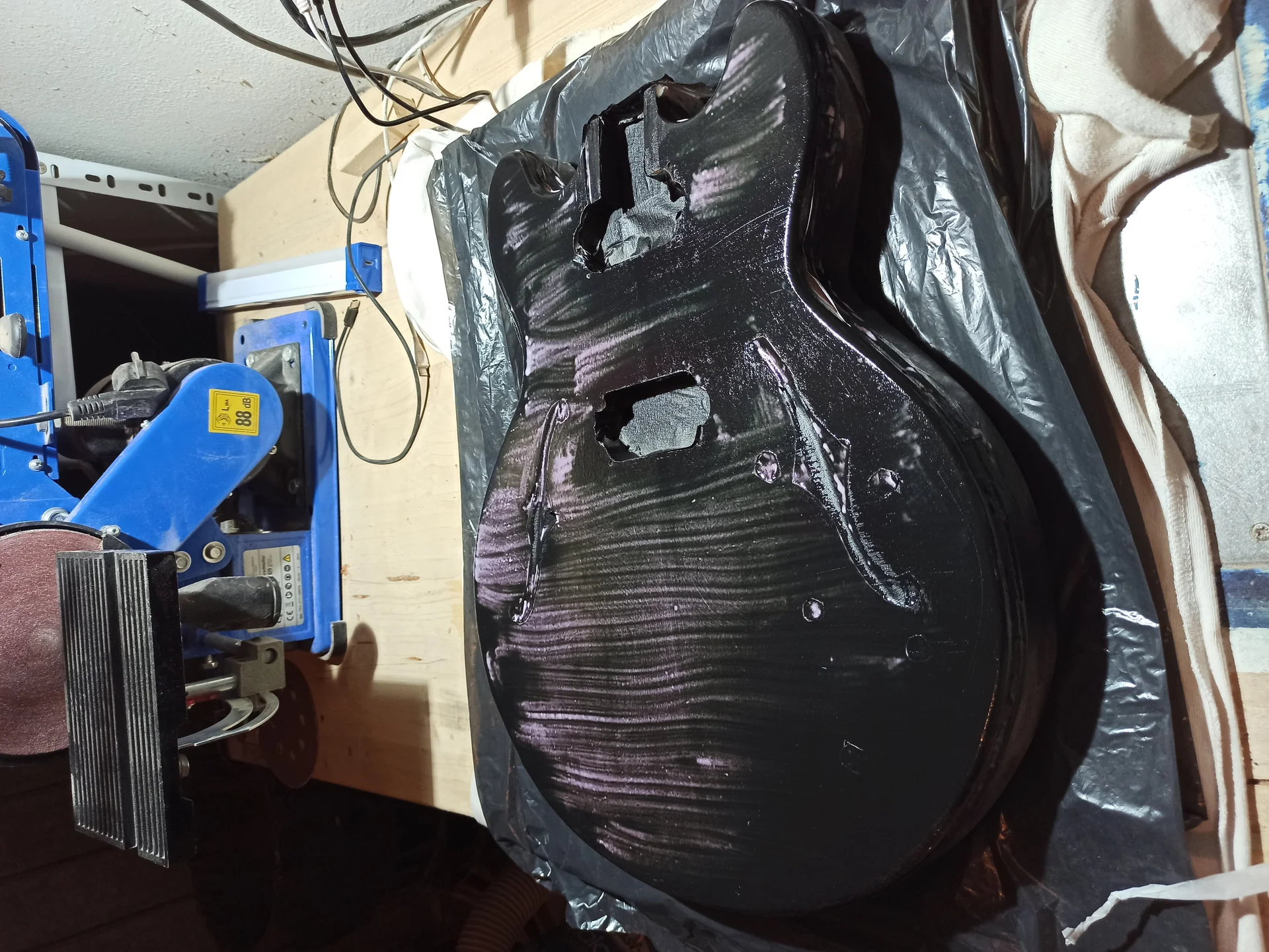
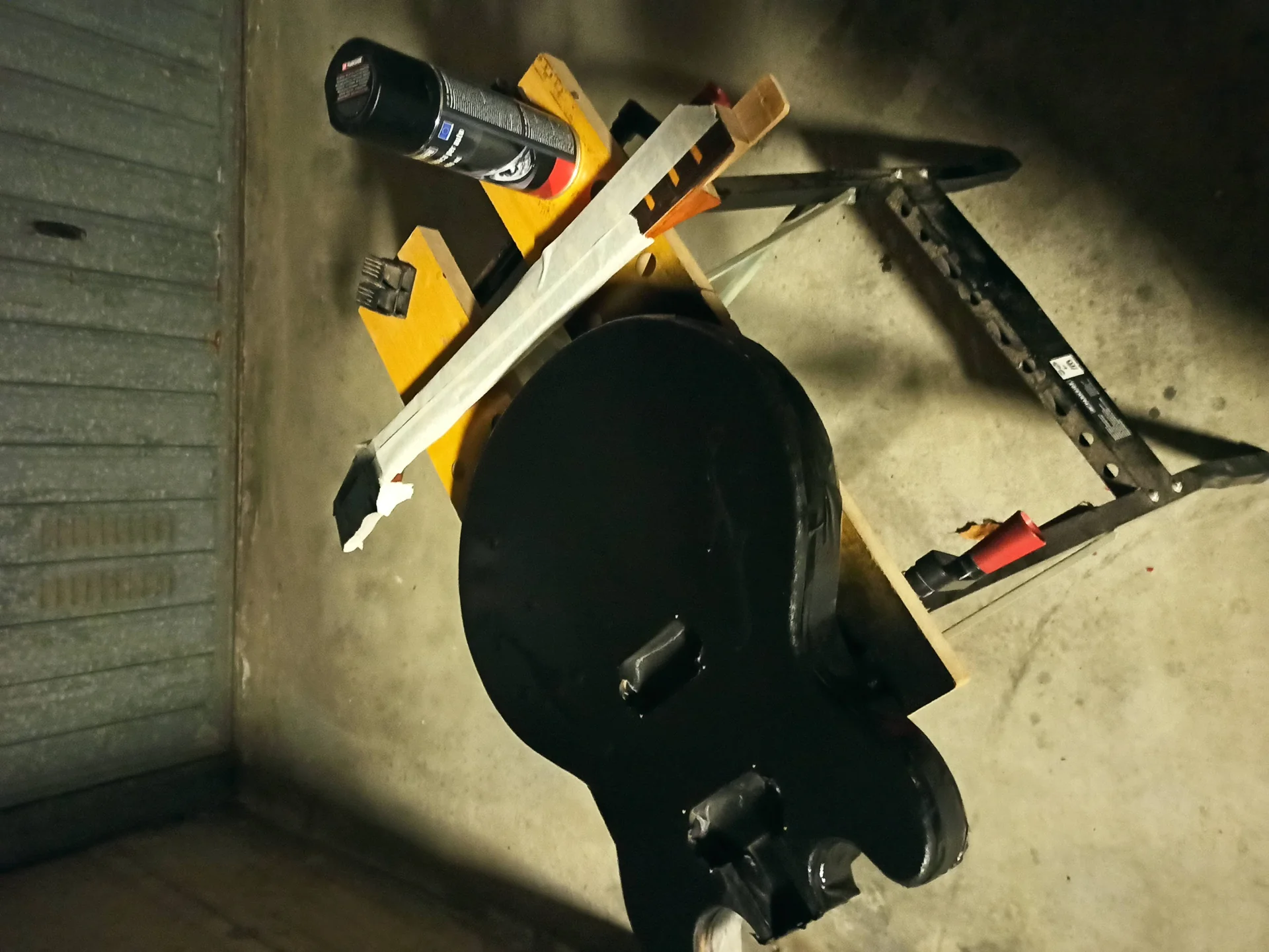
Here we are at the first real model, the one that started it all. Les Paul Goldtop of 1952. When it came out, it was a statement. Gibson didn't just want to make a solid body, he wanted to make there solid body. And it had to be elegant, different from Fender's “plank”.nn
Essential technical sheet (and why it was important)
nnnn
nnn Body and handle: Mahogany with a maple top. The arched, carved maple top was a touch of class that Fender didn't have. It wasn't just beautiful: the maple provides brightness and attack, the mahogany body and sustain. A winning combination.Finish: Gold, hence the name Goldtop. Les Paul himself wanted it to be "gold," to convey the idea of a luxurious, precious instrument. It was a remarkable sight.
Pick-up: Two single-coil P-90s. Ah, P-90s! These pickups have incredible character. They're single-coil, so they're a little loud, but they have a punch and a sonic openness that Fender pickups didn't have. They're powerful, punchy, with plenty of midrange. Perfect for the blues and jazz-rock that were popular back then.
Mimmo's tip: I've always had a soft spot for P-90s. They're pickups that make you sweat, forcing you to control every note, but when you push them, they unleash a raw, honest sound that gets to your core. If you're thinking of a DIY project, a P-90 in the bridge position on a mahogany body is a combination that won't disappoint. Don't expect the silence of a humbucker, but the character is priceless.
Bridge/Tailpiece: A particular system, the trapezoid tailpiece, which allowed the strings to be wound under the bridge. It wasn't the most comfortable or stable, and it was soon replaced. This is an example of how even the greats make mistakes, and we learn from errors.nn
The sound and the impact
The sound of this Les Paul guitar It was powerful, mid-range, with a crisp attack thanks to the P-90s and the mahogany/maple body. It wasn't the crystalline brilliance of a Stratocaster (that would come later), but a darker, rounder voice, yet with considerable bite.Many jazz and blues guitarists immediately adopted it. It was a sturdy, reliable instrument, with a sustain that made all the difference. Think of people like Sister Rosetta Tharpe, who used it for her energetic gospel rock, or Hubert Sumlin. They weren't yet the rock monsters we know today, but they were laying the groundwork.
The '52 Goldtop was the first brick of a building that would become imposing. A building made of wood, gold, and a lot of rock.’
‘roll.nn
2. The 1957 Les Paul Goldtop: The Humbucker Era (PAF)
nnnnnnIf the '52 Goldtop paved the way, the 1957 one cemented it. Here we are not talking about an evolution, but about a true sonic revolution: the introduction of the “Patent Applied For” (PAF) humbucker.nn

The Noise Problem and Seth Lover's Solution
In the 1950s, single coils had a big problem: background noise, the infamous 60-cycle “hum”. With amplifiers becoming more and more powerful, this noise had become a real nightmare for guitarists. Enter Seth Lover, a Gibson engineer. His intuition was simple but brilliant: place two single coils side by side, with the coils wound in opposite phase and with opposite magnetic polarity. The noise cancelled out (hum-bucking), and the useful signal doubled.The result was the pickup we all know as “humbucker”. The first of these, produced by Gibson, had a sticker on the back with the words “Patent Applied For” (patent requested), hence the iconic name: PAF.nn Mimmo's take: Background noise was a nightmare for anyone, like me, who played with pushed amps or recorded at home. The PAF changed everything. I remember the first time I tried wiring an humbucker on one of my builds: the cleanliness of the sound, even at high volumes, was unbelievable. Understanding how the humbucker works, with its coils and polarities, is fundamental for those who want not only to install it, but perhaps also to modify it. A little theory on magnets and windings never hurts!nn
What changed in 1957?
nn Pick-up: Goodbye P-90 (at least for this model). Hello PAF! The sound became fatter, warmer, with more sustain, and, above all, quieter. It was a sound that could be pushed through tube amps without ending up in a cacophony of hum.Bridge: Finally, the trapezoid tailpiece was replaced by the Tune-o-matic bridge with a stopbar tailpiece. A perfect combination. The Tune-o-matic allowed for precise intonation adjustment on each string, and the stopbar increased sustain and stability. It was a huge leap in playability and reliability.
Practical tip: Whether you're restoring an old guitar or building one from scratch, don't underestimate the importance of a good Tune-o-matic bridge. A quality, properly installed bridge makes a huge difference in sustain and intonation. I've seen people spend a lot of money on pickups and then install cheap bridges, ruining half the work. Don't make this mistake!
Finish: Still the classic Goldtop.nn
The sound that shaped rock
The sound of the PAFs on the Les Paul The '57 was fat, creamy, with impressive sustain. It was perfect for the evolving electric blues and rock.'’‘'roll was starting to take shape. Guitarists like Eric Clapton (even though his was a '59, the principle was the same), Peter Green, and Keith Richards would later make that sound immortal.
This guitar was not just a step forward; it was a leap forward. It set the standard for the sound of rock and blues electric guitars for decades to come. And it showed that sometimes, to improve a classic, you just need to find the right solution to an annoying problem.nn
3. The Les Paul Standard “Burst” (1958-1960): the Holy Grail
And then there's her. The Les Paul Standard from 1958 to 1960, universally known as the “Burst”. It's not just a guitar, it's an obsession, a museum piece, the Holy Grail for collectors and guitarists worldwide. And the most incredible thing is that, when it came out, it was almost a commercial failure.nnWhat made her so special (and misunderstood)?
nn Finish: The Goldtop was replaced by a sunburst finish, which revealed the maple top's flame pattern. It was Gibson's attempt to make the guitar more "modern" and attractive, following the fashions of the time. Each Burst is unique because the wood's flame pattern is unrepeatable and the finishing process was initially done by hand.Figured Maple Top: This is where the aesthetic magic lies. Under the sunburst, Gibson began using flamed or figured maple tops, with distinctive grain patterns that create unique three-dimensional effects. This detail, initially almost ignored, has become the hallmark of the Bursts.
Mimmo's anecdote: Who would have thought that a nearly failed guitar would become an icon? It's a lesson I learned in my garage: sometimes a "defect" or an initially misunderstood aesthetic choice becomes a distinctive feature over time. I tried to replicate a sunburst on a DIY body. What a pain! It takes patience, steady hands, and a good spray gun. The secret is to take it gradually, and don't be afraid to make mistakes the first few times.
Pick-up: They continued to use the legendary PAFs, which had since undergone slight changes in windings and magnets, making each unit slightly different from the next. This contributes to the "magic" of the sound of each individual Burst.
Neck Profiles: Over the years, the neck profile varied. The '58s had thicker necks (“baseball bat”), the '59s a thinner and more comfortable profile, and the '60s even slimmer. This detail is fundamental for guitarists, because it enormously influences playability.nn
From failure to legend
Between 1958 and 1960, Gibson produced approximately 1,700 Les Paul Standards with figured maple tops and sunburst finishes. This was a small number, especially compared to Fender's sales. The guitar didn't sell well, and Gibson discontinued it in 1961, replacing it with the Les Paul/SG (which later became just the SG).But then, in the 1960s, something changed. English blues-rock guitarists like Eric Clapton, Jeff Beck, Peter Green, and Jimmy Page, and Americans like Mike Bloomfield, began to rediscover these used guitars, which could be purchased for very little money. Their powerful, sustained sound was perfect for the new musical genre that was exploding.
The rest is history. The Burst became the symbol of rock, the instrument with which some of the most iconic riffs of all time were written. The price of these original instruments has skyrocketed, making them inaccessible to most. But their influence on sound and collective imagination is inestimable.nn
4. The 1968 Les Paul Custom “Black Beauty”: The Return of the Queen
After the commercial flop of the Burst and its replacement by the SG, it seemed the Les Paul story was over. But the music world is unpredictable. And so, in the late '60s, with the explosion of blues-rock and the rise of guitarists who had rediscovered the old Les Pauls, Gibson realized he had made a huge mistake. People wanted the Les Paul back. there Les Paul.So, in 1968, Gibson decided to reintroduce the Les Paul into its catalog. And it did not do so with a Standard, but with its most luxurious and flashy version: the Les Paul Custom, nicknamed “Black Beauty” (black beauty).nn
A return in style
The Custom was first introduced in 1954 as a deluxe version of the Goldtop. It had a more elegant look, with a black finish, gold hardware, and multiple binding (the black and white stripes on the body and headstock). It was the “Black Hurry,” as Les Paul himself called it, an evening instrument for the big stage.The 1968 reintroduction brought back many of those features, but with some crucial differences:nn Body: Often, for production reasons, the early models from '68 and later featured a "sandwich" or "pancake" body, with a thin layer of maple sandwiched between two layers of mahogany. This detail, initially a construction solution, became a hallmark of the period.
Handle: The neck was made of mahogany, often with a thinner profile than the 1950s. The fingerboard was made of ebony, a very dense, dark wood that offers a quicker attack and a slightly different sustain than rosewood.
Pick-up: The '68 Custom featured two, or more often, three PAF humbuckers (or their successors, the T-Tops). The three-humbucker configuration offered more tonal options, although many guitarists tended to use just the bridge and neck pickups.
Mimmo's thoughts: When Gibson realized that people wanted him back that guitar, she's back on track. It's a lesson for all of us who make things in the garage: sometimes the old is the new that works. Innovation at all costs isn't always the right path. Sometimes you just need to listen to the player. I've always admired the Custom for its elegance. I've never had the courage to tackle multiple bindings on one of my projects, but one day... one day I'll try!
Hardware: All gold, as per Custom tradition.nn
The Sound and the Legacy
The '68 Les Paul Custom had a darker, thicker sound than the Standard, partly due to the ebony fretboard and the often "warmer" pickups. It was a powerful guitar, with endless sustain, perfect for the hard rock and hard rock that were emerging.Guitarists like Randy Rhoads, Mick Ronson, and Ace Frehley (of KISS) made the Black Beauty a rock icon, proving that the Les Paul was back, stronger and more glam than before. The 1968 reintroduction was not just a commercial act; it was the rebirth of an entire line of guitars that would continue to define the sound of music for decades.nn
5. The '70s Les Paul Deluxe: Mini-humbuckers and an era of change
After the great comeback of '68, the '70s were a period of great change for Gibson, both at the corporate and production levels. The Les Paul continued to evolve, and one of the most representative models of this era was the Les Paul Deluxe. It was not a revolutionary guitar like the Burst, but it represented an interesting variation on the theme and an attempt by Gibson to offer something different.nnWhat defined Deluxe?
nn Pick-up: The Deluxe's defining feature was its mini-humbuckers. These pickups weren't entirely new; they came from Epiphone guitars, a brand acquired by Gibson. They were smaller than PAFs or T-Tops and were mounted in P-90 housings (often with an adapter ring).Mimmo's take: Mini humbuckers are a different story. They don't have the punch and low-end of a PAF, but they have a clarity and sparkle that surprises. They're a cross between single-coils and full-size humbuckers: less noise than P-90s, but more attack and definition than PAFs. I tried installing one on one of my guitars, and the result wasn't bad at all for certain styles, especially if you're looking for a twangier yet still full-bodied sound. For DIYers, the advantage is that they're sometimes available at more affordable prices and can add an interesting twist to a project.
Body: The Deluxe, like many Les Pauls of the '70s, often featured a "pancake" body construction, with layers of mahogany and maple. This was due to wood sourcing and production efficiency reasons of the time. Not everyone loved it, but it was a characteristic of the period.
Finishes: The Deluxe was available in a variety of colors, not just Goldtop (which was the most common for this model), but also Cherry Sunburst, Wine Red, and others.nn
The sound and the impact
The sound of the Les Paul Deluxe was different from that of its bigger siblings. The mini-humbuckers offered a brighter, zingier tone, with a more pronounced attack and greater definition of individual notes than the full-size humbuckers. They were less "fat" but more "airy.".This made it a versatile guitar, suitable for genres that required more clarity, such as classic rock, pop-rock, and even funk. Pete Townshend of The Who is perhaps the guitarist most iconicly associated with the Deluxe, using it for its powerful yet articulate sound. Thin Lizzy also made it a workhorse.
The Deluxe of the '70s is an example of how Gibson sought to innovate and adapt to the times, while maintaining the shape and soul of the Les Paul. Despite criticism from some purists regarding the production choices of the time, it remains a model with its own distinctive character and a place in the history of the Les Paul guitar.nn
The Les Paul Legacy: A Story of Evolution and Rediscovery
We had a nice trip through five Les Paul guitar models that have marked history. From the baptism of the Goldtop P-90s, through the silent revolution of the PAF on the '57 Goldtop, to the unexpected icon of the '58-'60 Burst. Then the triumphant return of the '68 Black Beauty and the versatility of the '70s Deluxe mini-humbuckers. Each model was not just an object, but a catalyst for sounds and musical genres.nnWhat do we learn from this story?
nn1. Innovation arises from a problem: Les Paul wanted more sustain and less feedback. Seth Lover wanted to eliminate noise. Every great leap forward was born from a concrete need.n2. “Failure” can be the springboard to success: The Burst is a prime example. Initially overlooked, it was rediscovered and loved by subsequent generations. Don't give up if your first prototype isn't perfect! #3. Sound is everything: Ultimately, what makes a guitar great isn't just how it looks, but how it sounds. Every modification, every choice of wood or pickup, has had a direct impact on the tone and ability to express music.n4. Context matters: Guitars are not born in a vacuum. They are children of their time, of musical trends, available technologies, and musicians' needs. Understanding the “why” behind certain choices helps you understand the “how”.nnAnd what about us garage luthiers?
Knowing the history of these legendary instruments isn't just general knowledge. It's pure inspiration. It helps you understand the logic behind design choices, distinguish one pickup from another, and understand how a particular type of wood or bridge can influence the final sound.When you decide to build your next guitar or modify your existing one, think about these stories. Want a more aggressive and direct sound? Maybe P-90s are your path. Looking for sustain and power without noise? A humbucker is a must. Want a brighter but still full-bodied sound? Mini-humbuckers might surprise you.
The history of the Les Paul It's a bit like ours, made of trial and error (even on Gibson's part, mind you!), and a few flashes of genius that change the game. And in the end, it's always the sound that counts, the sound that makes you vibrate and makes you feel part of a larger story.
So, don't be afraid to experiment. Grab a soldering iron, a piece of wood, and try. Your next creation might not end up on stage with Jimmy Page, but it will give you the same joy as the person who made it for the first time. And that, believe me, is a priceless feeling.
To delve deeper into the history of Gibson and its innovations, I recommend checking out Gibson's official page on the history of the Les Paul; it's a fantastic resource full of details and vintage photos: [Gibson – The History of the Les Paul](https://www.gibson.com/en-US/Electric/Les-Paul-History). It's always useful to hear the story directly from the source, even if everyone then adds their own touch, right?nn
nnnn
See also
nnDownload the Luthier Survival Kit
Free PDF with checklist, problem-cause table and project card template.
 English
  Italiano
Stuck on your build?
If you ran into the same problem or have a question, drop it in the comments. I read and reply to every one.
Write a comment