

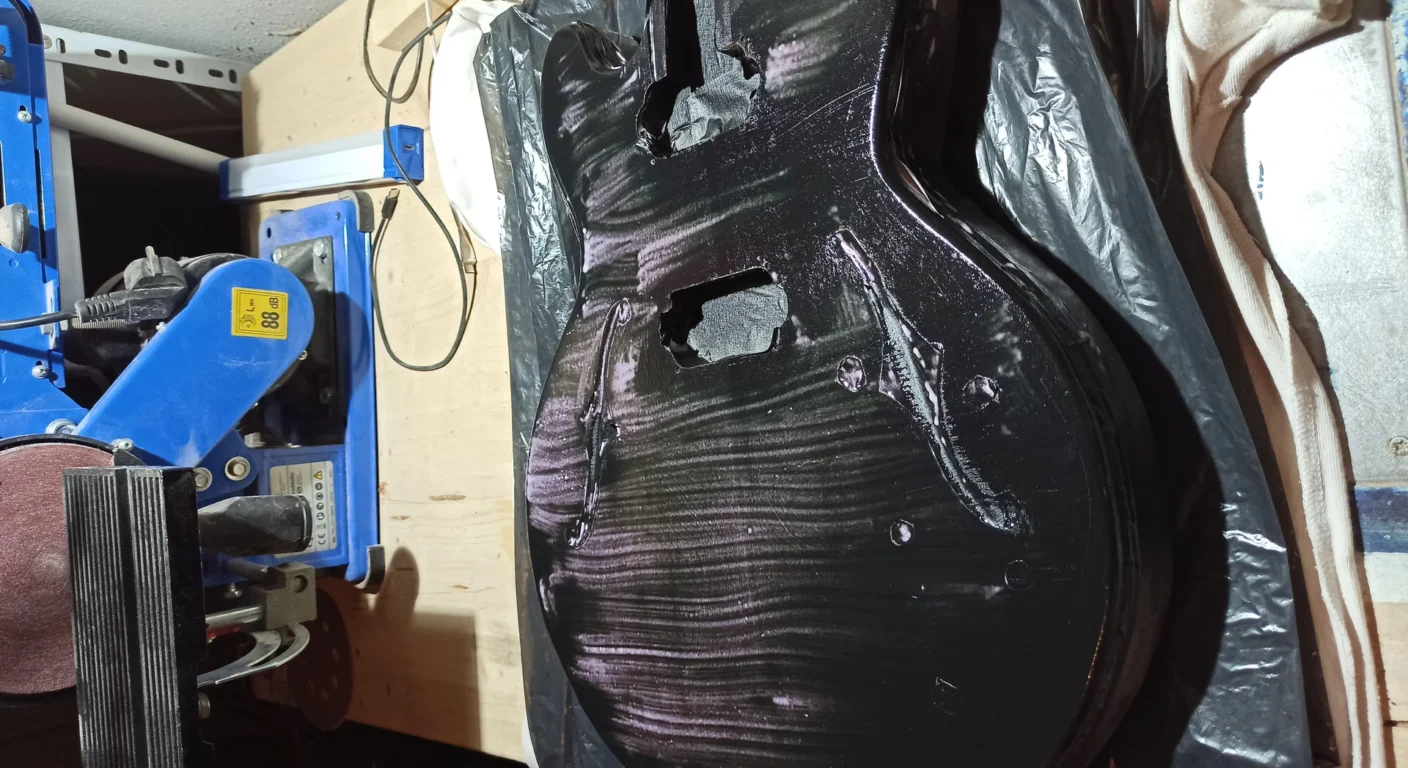
Repainting an Electric Guitar: A 5-Step Guide
Okay, let's be honest. That guitar you have in the garage, maybe your first DIY project or a hastily purchased old one, has seen better days. The paint is scratched, maybe chipped, the color just doesn't mean anything to you anymore. And there, in the back of your mind, the thought starts to swirl: "What if the I repainted?”. Ti capisco benissimo. Ogni volta che guardo uno dei miei primi esperimenti, penso subito al caos di colori e alle finiture goffe. Il pensiero di dare una new paint job a un body è un misto di eccitazione e pura, semplice paura. Paura di rovinare tutto, di fare un pasticcio irreversibile, di spendere soldi e tempo per un risultato peggiore di prima. L’ho provato sulla mia pelle, fidati. Ma la verità è che repaint an electric guitar non è una missione impossibile. Non serve essere un liutaio professionista con una cabina di verniciatura da migliaia di euro. Serve pazienza, gli strumenti giusti (o quasi), e la voglia di sporcarsi le mani. E, soprattutto, la consapevolezza che qualche errore si farà. Fa parte del gioco. L’importante è imparare e andare avanti. In questa guida, ti porto passo dopo passo attraverso il processo che ho affinato nel mio garage, tra un caffè e un imprecazione. Vedremo come affrontare ogni fase, quali materiali usare, e soprattutto, quali trappole evitare. Se ce l’ho fatta io, che ho fatto più errori di quanti ne possa contare, puoi farcela anche tu.
La Roadmap del Tuo Progetto: 5 Tappe Fondamentali
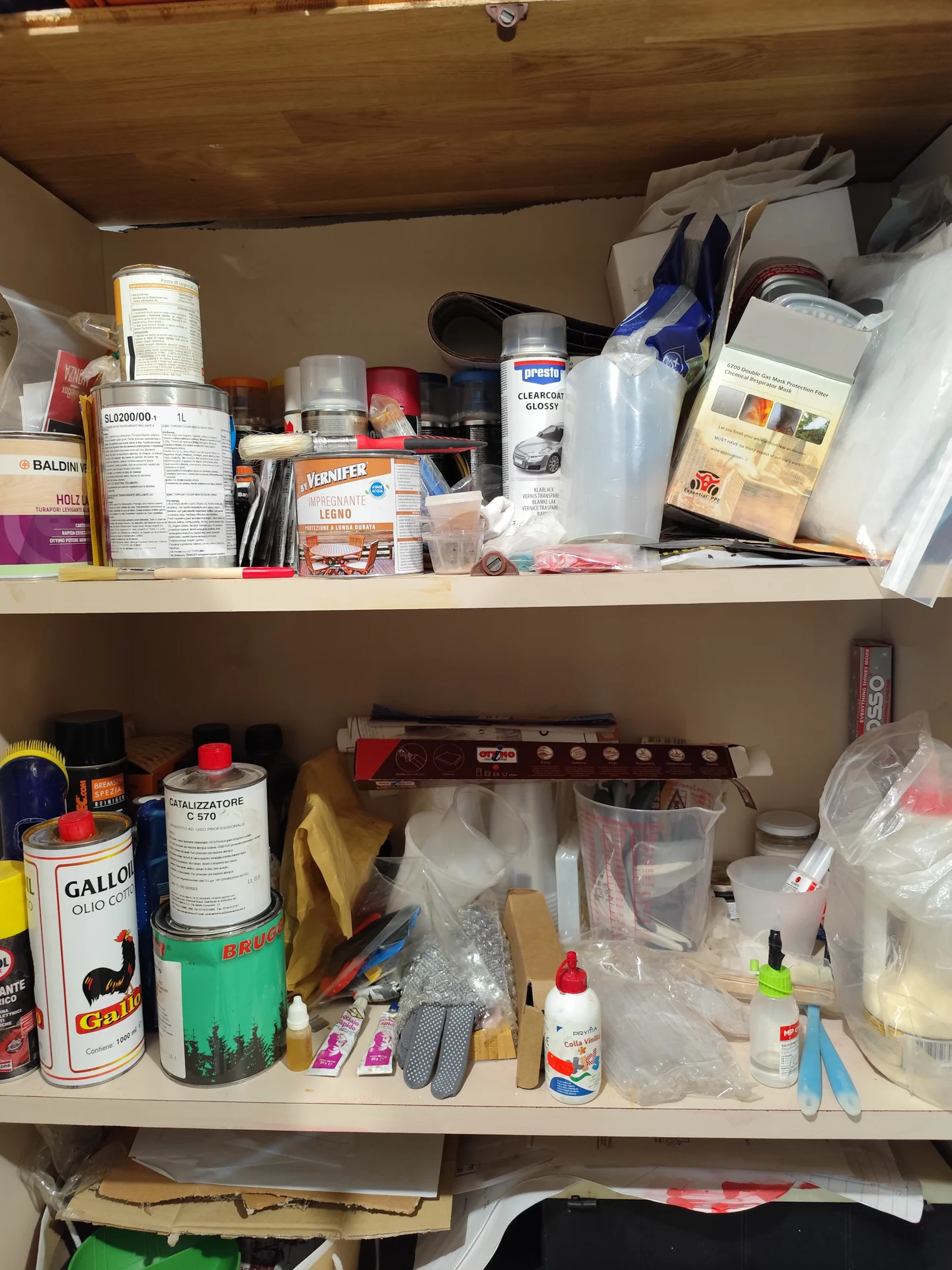

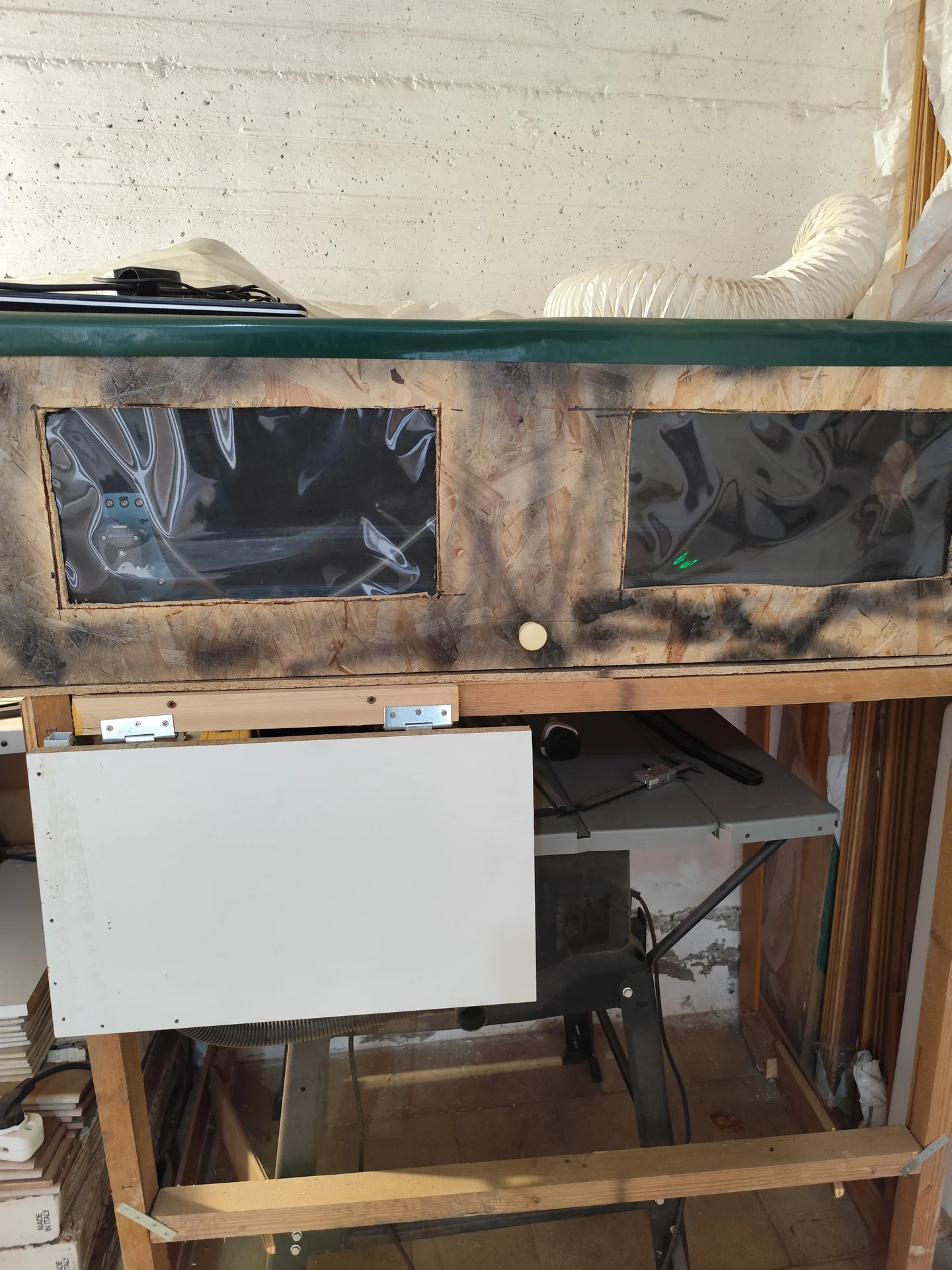
Prima di iniziare a smontare la tua chitarra, facciamo un attimo il punto. Riverniciare uno strumento richiede un piano. Non si tratta solo di spruzzare colore a caso. Ho suddiviso il processo in 5 macro-fasi, che ti serviranno da spina dorsale per tutto il progetto.
- Preparazione e Smontaggio: La fase più noiosa, ma cruciale. Togliere tutto, proteggere ciò che non va verniciato, e iniziare a pensare al futuro look.
- Rimozione della Vecchia Vernice: Qui si fa sul serio. Decidere se carteggiare a fondo o lavorare sulla finitura esistente, e come farlo senza distruggere il legno.
- Stuccatura e Livellamento: Piccoli difetti, graffi profondi? È il momento di correggerli. Un body liscio è la base per una finitura professionale.
- Applicazione della Nuova Vernice: Il cuore del progetto. Primer, colore, trasparente. Ogni strato conta, e la tecnica fa la differenza.
- Finitura e Rimontaggio: Lucidatura, assemblaggio, setup. Riportare la chitarra a nuova vita, pronta per suonare.
Ogni fase ha le sue insidie, e ti guiderò attraverso ognuna di esse, con consigli pratici e avvertimenti basati sulle mie (molteplici) disavventure.
Fase 1: Preparazione e Smontaggio – L’Arte del “Tutto Via”

Questa è la fase che spesso viene sottovalutata. Si pensa subito al colore, alla vernice, ma dimentichiamo che la base di tutto è un corpo pulito e pronto. Se non fai un buon lavoro qui, tutto il resto sarà compromesso. Non c’è modo di girarci intorno: devi smontare tutto.
Cosa Smontare?
La risposta è semplice: tutto ciò che non è legno e che non deve essere verniciato.
- Bridge: A meno che tu non voglia verniciarlo (cosa che sconsiglio vivamente per non compromettere il contatto con il corpo), va rimosso completamente. Tieni a portata di mano un sacchetto per le molle, le viti, e qualsiasi altra piccola parte.
- Mechanics (Tuners): Stessa logica del ponte. Vanno via.
- Pickguard: Se presente, toglilo. Spesso sotto il battipenna ci sono piccole aree non verniciate, che potrebbero diventare visibili dopo il rimontaggio.
- Potenziometri, selettori, jack: Rimuovi le ghiere e i dadi per liberare i componenti dal body.
- Pick-up: Scollega i cavi e rimuovi i pickup dai loro alloggiamenti.
- Viti e Piastre: Tutte le viti che tengono insieme i vari componenti vanno rimosse.
- Handle: Questo è un punto delicato. Se il manico è avvitato (bolt-on), svitalo. Se è incollato (set-neck o neck-through), devi essere estremamente cauto. Per la verniciatura, è sempre meglio separare manico e corpo se possibile. Se non puoi o non vuoi separarlo, dovrai mascherare in modo impeccabile il punto di unione.
Protezione: Il Nastro è Tuo Amico
Una volta smontato tutto, ci sono parti che non vanno toccate. Il tasto del manico (se non lo hai smontato), i blocchi del ponte (se fissi), e soprattutto i blocchi dei pickup e il vano elettronica. Usa un buon nastro da carrozziere (quello blu o verde, che non lascia residui appiccicosi). Applica con cura, premendo bene sui bordi per evitare che la vernice si infiltri. Ricorda: la pazienza in questa fase ti risparmierà ore di lavoro di rifinitura dopo.
Etichettatura: Non Fare il Supereroe
Ho una pila di sacchetti con viti e componenti che, a distanza di anni, ancora mi guardano con aria di sfida. Non fare il mio errore. Etichetta ogni sacchetto: “Ponte”, “Meccaniche”, “Battipenna”, “Vano Elettronica”. Se hai smontato parti che sembrano identiche ma non lo sono (tipo viti del ponte che potrebbero essere di lunghezze leggermente diverse), mettile in sacchetti separati e annota la loro posizione originale.
Il Corpo Nudo: Dove Inizia la Magia (e la Paura)
Ora hai il corpo della tua chitarra, spoglio, pronto per la trasformazione. Prima di passare alla fase successiva, dai una bella pulita. Una passata di panno in microfibra per togliere polvere e ditate.
Fase 2: Rimozione della Vecchia Vernice – La Battaglia del Fondo
Questa è la fase che spaventa di più. Togliere la vernice originale può sembrare un lavoro titanico, e ci sono diverse scuole di pensiero. Cerchiamo di fare chiarezza.
Due Strade Possibili: Carteggiare o Stratificare
Hai principalmente due opzioni:
- Carteggiare fino al legno: Questo significa rimuovere completamente la vecchia finitura fino ad arrivare al legno nudo. È il metodo più pulito e ti dà la massima libertà per applicare nuove finiture, ma è anche il più faticoso e potenzialmente distruttivo se non fatto con attenzione.
- Carteggiare solo per creare aggrappaggio: Se la vecchia vernice è in buone condizioni (senza sbeccature profonde o crepe), puoi semplicemente carteggiare leggermente la superficie per renderla ruvida. Questo permette alla nuova vernice (soprattutto il primer) di aderire meglio. A volte, se la finitura è buona, si può persino verniciare sopra senza carteggiare, ma è una scelta rischiosa e non sempre consigliata per un risultato duraturo.
Io, per i miei progetti, preferisco quasi sempre la prima opzione: arrivare al legno. Mi dà la certezza di partire da una base pulita, senza sorprese nascoste sotto strati di colore.
Gli Strumenti del Mestiere (o Quasi)
Per carteggiare, avrai bisogno di:
- Sandpaper: Di diverse grane. Inizia con grane più grosse (tipo 80 o 100) per rimuovere la vernice più ostinata, e poi scala gradualmente fino a grane molto fini (220, 320, 400) per preparare il legno.
- Tampone per carteggiare: Utile per mantenere una pressione uniforme e non creare solchi nel legno.
- Sverniciatore chimico (opzionale): Esistono prodotti che ammorbidiscono la vernice, rendendo più facile la rimozione con una spatola. Attenzione: sono prodotti aggressivi, usali in un’area ben ventilata e con guanti.
- Levigatrice orbitale (con cautela): Può velocizzare enormemente il processo, ma è facile esagerare e rovinare la sagoma del body. Usala solo se sei sicuro di quello che fai e sempre con grane fini. Io preferisco la carta a mano.
La Tecnica: Lento e Costante
Se scegli la carteggiatura manuale, lavora sempre seguendo le venature del legno. Non esercitare troppa pressione, lascia che sia la carta a fare il lavoro.
- Coarse grits (80-120): Usale per rimuovere la maggior parte della vernice. Potrebbe volerci tempo, soprattutto se ci sono molti strati. Non avere fretta.
- Medium grits (150-220): Dopo aver rimosso la vernice più spessa, passa a queste grane per iniziare a levigare il legno e rimuovere i segni lasciati dalle grane più grosse.
- Fine grains (320-400): Queste sono fondamentali per preparare il legno alla verniciatura. Una superficie liscia è essenziale.
Se usi uno sverniciatore, segui scrupolosamente le istruzioni del produttore. Applica il prodotto, aspetta il tempo indicato, e poi rimuovi la vernice ammorbidita con una spatola di plastica (evita quelle di metallo che graffiano il legno). Dopo aver rimosso la vernice, dovrai comunque carteggiare per pulire i residui e preparare il legno.
Il Body Nudo: L’Aspetto Reale
Una volta terminato, avrai un corpo di chitarra in legno nudo. Potrebbe non essere perfetto: qualche graffio profondo, qualche ammaccatura. Non preoccuparti, la prossima fase serve proprio a questo.
Fase 3: Stuccatura e Livellamento – Correggere gli Errori del Tempo
Ora che sei arrivato al legno, puoi vedere tutti i piccoli difetti che la vecchia vernice nascondeva. Graffi, piccole ammaccature, persino piccole imperfezioni nel legno stesso. È il momento di intervenire.
Cosa Serve?
- Wood filler: Scegli uno stucco bicomponente di buona qualità. Ce ne sono di diversi colori, ma per la maggior parte delle finiture, uno neutro o leggermente colorato andrà benissimo. Assicurati che sia adatto per la levigatura successiva.
- Spatole: Di varie dimensioni, preferibilmente in plastica o metallo flessibile.
- Sandpaper: Di nuovo, grane medie (180-220) e fini (320-400).
- Panno umido: Per pulire i residui.
La Tecnica: Piccoli Passi, Grande Differenza
La regola d’oro qui è: meno è meglio. Applica lo stucco solo dove serve.
- Cleaning: Assicurati che le aree da stuccare siano pulite e prive di polvere.
- Miscelazione (se bicomponente): Segui attentamente le istruzioni per miscelare lo stucco. Non esagerare con la quantità, lavora in piccole porzioni.
- Application: Usa una spatola per applicare lo stucco nei graffi o nelle ammaccature. Premi bene per farlo penetrare. Cerca di lasciare la superficie il più possibile piana, evitando accumuli eccessivi.
- Drying: Lascia asciugare lo stucco per il tempo indicato dal produttore. Non avere fretta, uno stucco non asciutto renderà la carteggiatura un incubo.
- Sanding: Una volta asciutto, carteggia delicatamente l’eccesso di stucco. Lavora con grana 180-220 per rimuovere il grosso, poi passa alla 320-400 per rendere la superficie perfettamente liscia e a livello con il resto del body. Dopo la carteggiatura, pulisci bene con un panno leggermente umido per rimuovere tutta la polvere. Lascia asciugare completamente.
Controllo Finale: La Superficie Ideale
Passa la mano sulla superficie. Dovrebbe essere liscia come seta, senza avvallamenti o rigonfiamenti. Se noti ancora qualche difetto, ripeti il processo di stuccatura e carteggiatura. Ricorda, una base perfettamente liscia è il segreto per una finitura di verniciatura professionale.
Fase 4: Applicazione della Nuova Vernice – Il Momento della Verità
Eccoci al cuore del progetto. Qui le cose si fanno più tecniche e, diciamocelo, un po’ più rischiose. Ma con la giusta preparazione e un po’ di pazienza, puoi ottenere risultati sorprendenti.
Scegliere il Tipo di Vernice
Ci sono diversi tipi di vernici per chitarre:
- Nitrocellulose: La vernice “vintage”, usata sui primi strumenti. Ha un look e un feeling fantastici, ma è difficile da applicare, richiede molte mani e un ambiente controllato. È anche tossica e infiammabile.
- Poliuretanica (PU): Molto resistente, lucida, e relativamente facile da applicare. È la scelta più comune per le chitarre moderne. La versione a base acqua è meno tossica.
- Acrylic: Un’altra opzione valida, a volte più facile da trovare in bombolette spray. Offre una buona finitura ma potrebbe essere meno resistente nel tempo rispetto al poliuretano.
Per un progetto DIY, ti consiglio caldamente le vernici poliuretaniche o acriliche, possibilmente in bombolette spray di buona qualità. Sono più gestibili in un garage.
Primer, Colore, Trasparente: La Triade della Verniciatura
Ogni progetto di verniciatura di successo segue questa sequenza:
- Primer (o Fondo): Serve a creare una base uniforme per il colore e a sigillare il legno. Applicane 2-3 mani leggere, lasciando asciugare il tempo necessario tra una e l’altra. Dopo il primer, è buona norma carteggiare leggermente con grana 400-600 per ottenere una superficie ancora più liscia.
- Colore: Qui puoi dare sfogo alla tua creatività. Applica il colore scelto in mani leggere e uniformi. È meglio dare più mani leggere che una mano spessa che potrebbe colare. Lascia asciugare bene tra le mani. Il numero di mani dipenderà dall’opacità del colore.
- Clear Coat: Questo è lo strato protettivo finale. Serve a dare lucentezza (se vuoi una finitura lucida) e a proteggere il colore da graffi e usura. Applica 3-5 mani di trasparente, sempre leggere e uniformi.
L’Ambiente Giusto: La Tua Cabina di Verniciatura DIY
Questo è il punto dolente per molti hobbisti. La verniciatura richiede un ambiente il più possibile pulito e privo di polvere.
- Ventilation: Fondamentale, soprattutto se usi vernici solventi. Lavora in un’area aperta o con un buon sistema di aspirazione. Una maschera antigas è obbligatoria.
- Cleaning: Spazza e aspira bene l’area prima di iniziare. Puoi anche bagnare leggermente il pavimento (se non è un problema) per abbattere la polvere.
- Umidità e Temperatura: Evita di verniciare in condizioni di estrema umidità o freddo. La vernice potrebbe non asciugare correttamente o creare difetti. La temperatura ideale è tra i 18°C e i 25°C.
- Stand: Sospendi il corpo della chitarra in modo che tu possa verniciarlo da tutti i lati senza toccarlo. Puoi usare fil di ferro, supporti improvvisati, l’importante è che sia stabile e accessibile.
La Tecnica Spray: Movimenti Lenti e Costanti
Quando usi le bombolette spray:
- Shake well: Per almeno 2 minuti, e agita frequentemente durante l’uso.
- Distance: Tieni la bomboletta a circa 20-30 cm dal corpo.
- Movement: Muoviti con un movimento fluido e continuo, sovrapponendo leggermente ogni passata. Evita di fermarti su un punto.
- Mani leggere: Meglio tante mani leggere che una pesante.
Common Mistakes to Avoid
- Verniciare troppo spesso: Causa colature e una finitura irregolare.
- Non lasciare asciugare abbastanza: Le mani di vernice si mescoleranno, creando problemi.
- Non carteggiare tra le mani (se necessario): Imperfezioni nel primer o nel colore rimarranno visibili.
- Usare bombolette di bassa qualità: La finitura sarà probabilmente scadente.
- Ignorare la ventilazione e la protezione: Le vernici sono tossiche.
Fase 5: Finitura e Rimontaggio – L’Ultimo Sprint
La vernice è asciutta, il colore è quello che volevi. Ora inizia la fase finale, quella che trasforma il tuo lavoro in una chitarra suonabile.
La Lucidatura: Il Tocco da Maestro
Se hai optato per una finitura lucida, ora dovrai lucidare. Questo processo richiede pazienza e diversi passaggi.
- Asciugatura completa: Lascia che la vernice trasparente “maturi” per almeno 24-48 ore (a volte anche di più, a seconda del tipo di vernice). Non avere fretta!
- Carteggiatura fine (Wet Sanding): Usa carte vetrate finissime (1000, 1500, 2000, 2500, 3000) bagnate in acqua saponata. Carteggia delicatamente la superficie per rimuovere qualsiasi imperfezione, polvere intrappolata o leggera colatura. Questo passaggio renderà la vernice opaca, ma è fondamentale per la lucidatura successiva.
- Compound e Polish: Inizia con un compound più aggressivo (un polish “tagliente”) per rimuovere i segni della carteggiatura fine. Poi passa a polish sempre più fini fino ad ottenere una brillantezza speculare. Puoi usare panni in microfibra puliti per ogni passaggio.
Questo processo, chiamato “wet sanding and polishing”, è quello che i professionisti usano per ottenere finiture da specchio. Richiede tempo e olio di gomito, ma il risultato è incredibile.
Rimontaggio: L’Arte di Rimettere Insieme
Ora che il corpo è pronto, è il momento di rimontare tutti i componenti.
- Handle: Se lo avevi smontato, riavvitalo con cura. Assicurati che sia dritto e ben allineato.
- Bridge and Tuners: Rimonta ponte e meccaniche. Se hai dovuto rimuovere i vecchi fori delle viti, potresti doverne rifare di nuovi con attenzione.
- Electronics: Ricollega i pickup, i potenziometri, il selettore e il jack. Assicurati che tutti i collegamenti siano saldi. Se hai fatto un lavoro pulito, questa fase dovrebbe essere relativamente semplice.
- Pickguard: Rimonta il battipenna.
Il Setup Finale: Accordare e Suonare
Dopo aver rimontato tutto, dovrai fare un setup completo della chitarra:
- Tuning: Tune it and check stability.
- Action: Regola l’altezza delle corde.
- Intonation: Verifica che l’intonazione sia corretta su tutta la tastiera.
- Truss Rod: Se necessario, regola il truss rod per ottenere la curvatura del manico desiderata.
Se non hai mai fatto un setup, ci sono tantissime guide online (anche sul nostro sito, dai un’occhiata alla nostra sezione dedicata guitar modification) che possono aiutarti.
Costi Indicativi e Tempi di Realizzazione
Parliamo di cifre e di quanto tempo potresti impiegare. Ovviamente, questi sono solo stime, e i costi possono variare enormemente a seconda dei materiali scelti e di quanto già possiedi.
Materiali: Quanto Spendere?
- Carte vetrata e abrasivi: 10-30€ (se devi comprare set completi)
- Wood filler: 10-20€
- Primer, colore, trasparente (in bombolette spray di buona qualità): 50-100€ (per un set completo)
- Nastro da carrozziere, panni in microfibra, guanti: 15-25€
- Polish e compound per lucidatura: 20-40€
- Eventuale sverniciatore chimico: 10-20€
Totale stimato per i materiali: 105€ – 235€
Attrezzi: Cosa Potresti Dover Comprare?
Se sei già un appassionato di fai-da-te, potresti avere già molti di questi attrezzi.
- Precision screwdrivers: 10-20€
- Pliers and wire cutters: 15-30€
- Maschera antigas e filtri: 30-50€
- Supporti per verniciatura: Possono essere improvvisati, ma se vuoi comprare qualcosa di specifico, considera 20-50€.
Totale stimato attrezzi (se devi comprare tutto): 75€ – 150€
Tempo: La Tua Pazienza Sarà Ricompensata
Questo è il fattore più variabile. Dipende dalla tua manualità, dalla complessità della finitura scelta, e dalla tua disponibilità di tempo.
- Fase 1 (Smontaggio e preparazione): 2-4 hours
- Fase 2 (Rimozione vernice): 4-12 ore (molto variabile a seconda del metodo)
- Fase 3 (Stuccatura e livellamento): 2-6 ore
- Fase 4 (Verniciatura): 6-15 ore (considerando i tempi di asciugatura tra le mani, che possono richiedere giorni)
- Fase 5 (Finitura e rimontaggio): 8-20 ore (la lucidatura da sola può richiedere molte ore)
Tempo totale stimato: 22-57 ore, distribuite su più giorni o settimane. È un impegno, non c’è dubbio. Ma pensa al risultato finale: una chitarra unica, fatta con le tue mani.
Consigli Extra per un Risultato da Pro
Prima di salutarti, ecco qualche chicca che ho imparato a mie spese:
- Pazienza è la Virtù Suprema: Non avere fretta. Ogni fase richiede il suo tempo, soprattutto l’asciugatura.
- Fai delle Prove: Se non hai mai usato un certo tipo di vernice o tecnica, fai delle prove su un pezzo di legno di scarto prima di metterti all’opera sulla tua chitarra.
- Illuminazione Adeguata: Lavora sempre in un ambiente ben illuminato. È l’unico modo per vedere i difetti e applicare la vernice uniformemente.
- Non Aver Paura di Chiedere: Se hai dubbi, cerca forum, guarda video tutorial (ci sono ottimi canali su YouTube dedicati alla liuteria DIY). La community è spesso molto disponibile.
- La Sicurezza Prima di Tutto: Guanti, maschera, occhiali protettivi. Non lesinare sulla sicurezza.
Riverniciare una chitarra elettrica è un progetto impegnativo ma incredibilmente gratificante. Ti permette di dare nuova vita a uno strumento, personalizzarlo a tuo piacimento e, cosa più importante, di imparare tantissimo. Se sei arrivato fin qui, spero di averti dato le informazioni necessarie per iniziare. Ricorda, l’importante è mettersi in gioco. Gli errori sono inevitabili, ma sono anche i tuoi migliori maestri. In bocca al lupo per il tuo progetto!
FAQ: Le Domande Più Frequenti
Posso riverniciare una chitarra senza smontare il manico?
Sì, è possibile, ma richiede una mascheratura estremamente accurata del punto di giunzione tra manico e corpo per evitare che la vernice penetri. Smontare il manico è sempre la soluzione migliore per garantire una finitura pulita e uniforme su tutto il corpo.
Quanto tempo deve asciugare la vernice tra una mano e l’altra?
Dipende dal tipo di vernice e dalle condizioni ambientali (temperatura e umidità). In genere, si consigliano almeno 20-30 minuti per mani leggere di vernice spray, ma è sempre meglio controllare le istruzioni del produttore. Per la fase di “maturazione” del trasparente finale, possono essere necessarie 24-72 ore prima di procedere con la lucidatura. Per approfondire le tecniche di personalizzazione e modifica, dai un’occhiata a questa guida sulle guitar modifications. Per consigli sulle vernici e le loro proprietà, un ottimo punto di partenza è la documentazione tecnica fornita dai produttori di vernici per legno e auto, che spesso offrono schede tecniche dettagliate sui loro prodotti.
For further technical details you can consult this external resource.
Download the Luthier Survival Kit
Free PDF with checklist, problem-cause table and project card template.
 English
  Italiano
Stuck on your build?
If you ran into the same problem or have a question, drop it in the comments. I read and reply to every one.
Write a comment