

Best Reggae Guitar Guide: Choosing and Buying
When we talk about reggae, the first thing that comes to mind is the pulsating bass, the rhythmic drums and that chank Of guitar in levare che ti entra nelle ossa. Suonare reggae non è solo una questione di tecnica, ma anche di trovare lo strumento giusto che ti dia il suono pulito, caldo e percussivo che serve. E fidati, non è sempre una passeggiata, specialmente se il portafoglio non è quello di Bob Marley ai tempi d’oro. Ho passato anni a cercare di far suonare “reggae” un po’ di tutto, dalla Stratocaster più anonima recuperata a un mercatino all’Epiphone Les Paul Junior che avevo modificato per l’heavy metal. Risultato? Tanti tentativi, qualche frustrazione, ma anche la scoperta che non serve per forza una chitarra da migliaia di euro per ottenere quel vibe giusto. Serve la chitarra giusta, certo, ma soprattutto la voglia di capirla e, se serve, di metterci le mani sopra. Se ci sono riuscito io, con un po’ di pazienza e qualche attrezzo da garage, puoi riuscirci anche tu. In questa guida, non ti dirò solo “compra questa e sei a posto”. Vediamo piuttosto cosa cercare, quali compromessi accettare e, soprattutto, come fare in modo che la tua prossima chitarra, anche se economica, possa diventare una vera macchina da reggae.
Perché una Chitarra da Reggae è Diversa?
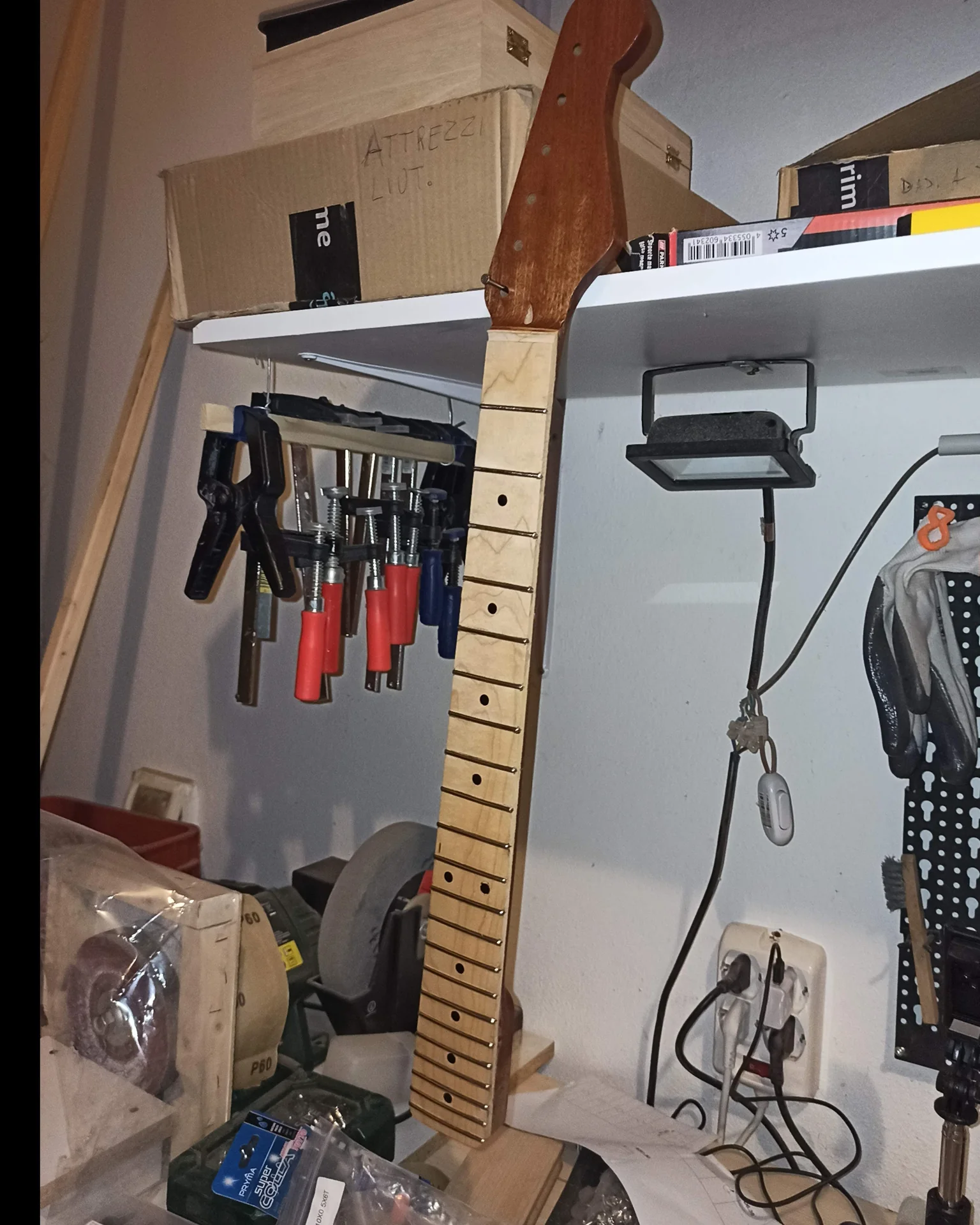
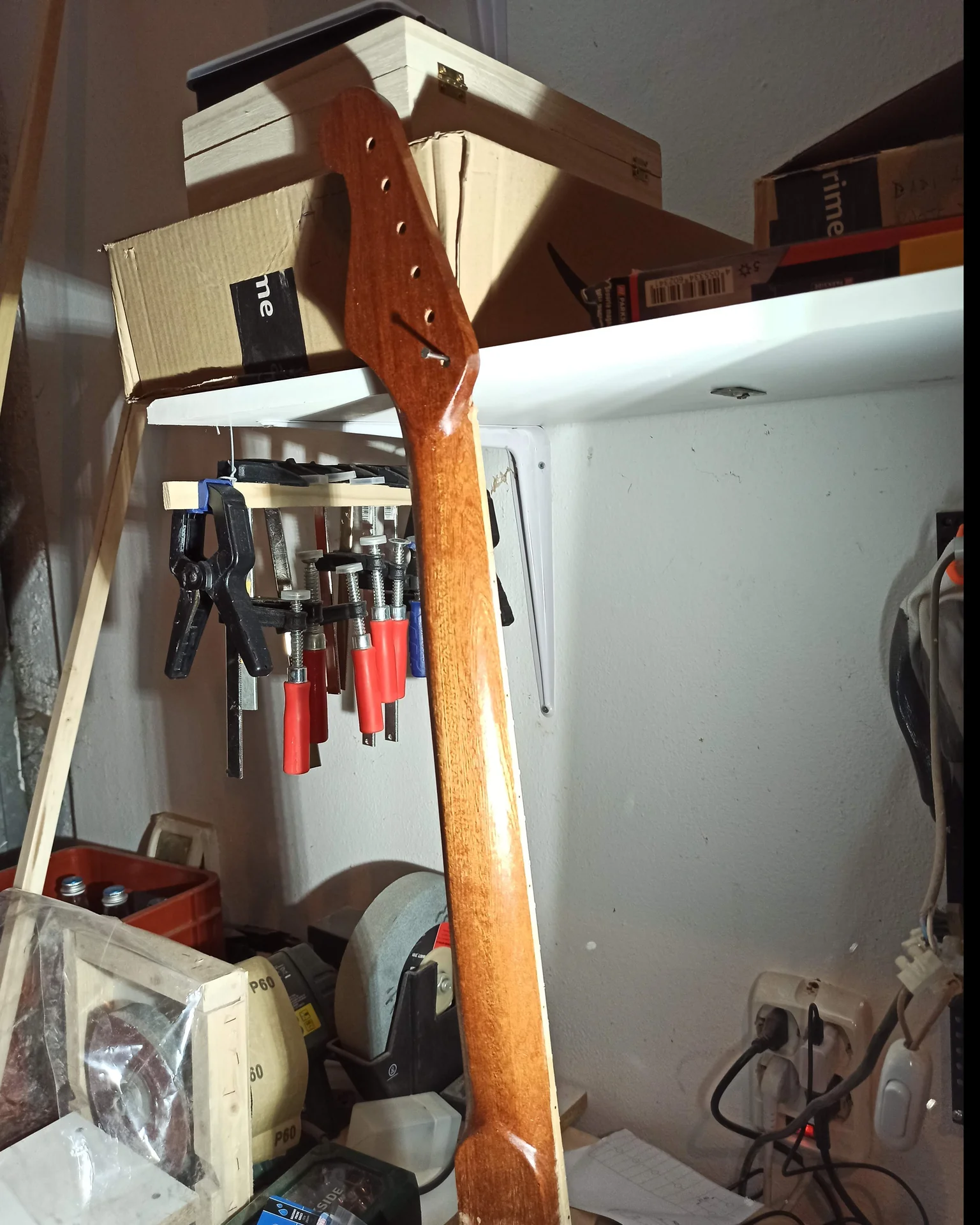
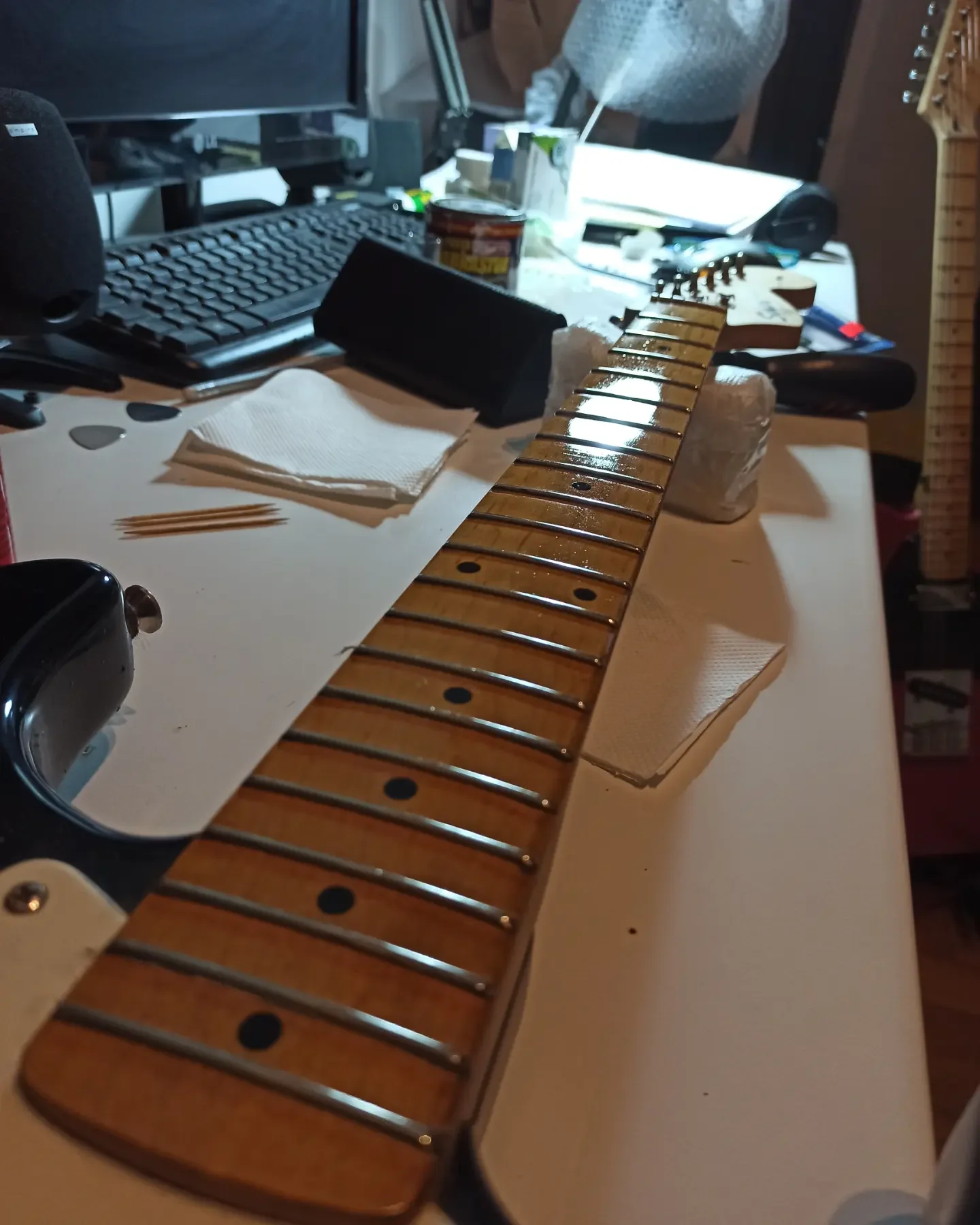
Il suono distintivo del reggae è quasi sempre caratterizzato da un attacco netto e percussivo, con un sustain controllato e un timbro brillante ma caldo. Questo suono si ottiene spesso con un approccio specifico all’accordatura della chitarra, ma è fondamentale anche lo strumento stesso. Le chitarre più usate nel reggae, storicamente, sono quelle con pickup single-coil, come le Stratocaster o le Telecaster, ma anche modelli che, pur avendo humbucker, offrono una certa chiarezza e definizione. Non si tratta solo di avere una chitarra “pulita”. Il reggae richiede dinamica, presenza e quella capacità di “tagliare” nel mix, specialmente nelle ritmiche in levare. Questo significa che la scelta dei pickup è cruciale, così come la costruzione generale dello strumento. Un corpo risonante, un manico ben settato e un hardware affidabile contribuiscono a creare quella base sonora solida che è il marchio di fabbrica del genere.
Cosa Cerca il Reggae in una Chitarra?
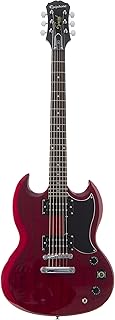

Se stai pensando di acquistare una nuova chitarra o di modificarne una esistente per il reggae, ci sono alcuni elementi chiave da considerare. Non è solo una questione di estetica, ma di come lo strumento interagisce con l’amplificatore e l’effetto che vuoi ottenere.
I Pickup: Il Cuore del Suono Reggae
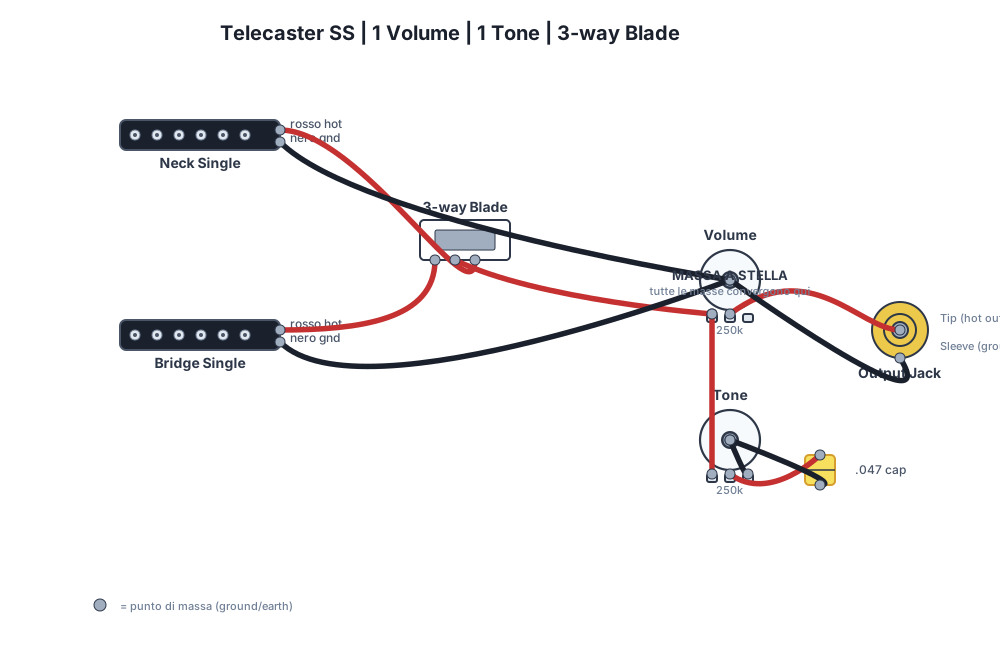
Quando parliamo di suono reggae, i pickup sono probabilmente l’elemento più importante. Per quel tipico suono brillante e percussivo, i pickup single-coil sono spesso la scelta preferita. Offrono quella chiarezza e quel twang che si sente in tantissime registrazioni classiche. Stratocaster-style: Tre single-coil offrono una versatilità incredibile. Le posizioni intermedie (manico+centrale, centrale+ponte) sono famose per il loro suono “quacky” e pulito, perfetto per il chank in subtraction. Telecaster-style: Un single-coil al manico, più caldo, e uno al ponte, più brillante e tagliente. La posizione del ponte è leggendaria per il suo suono percussivo. Humbucker con Splitting: Se preferisci il suono più corposo degli humbucker, cerca modelli che offrano la funzione “coil split”. Questo ti permette di disattivare una bobina dell’humbucker, ottenendo un suono simile a un single-coil, più brillante e definito. Molti chitarristi reggae preferiscono pickup con un output non eccessivamente alto. Un suono troppo distorto o compresso di base non è l’ideale. Si cerca chiarezza e risposta dinamica. Il Corpo: Legno e Risonanza
Il legno del corpo influisce sulla risonanza generale dello strumento e sul sustain. Alder: È un legno classico per molte chitarre iconiche (Stratocaster, Telecaster). Offre un buon equilibrio tra bassi, medi e alti, con una buona risonanza. È una scelta sicura per un suono versatile. Ash: Spesso usato per le Telecaster, il frassino tende a dare un suono più brillante, con medi pronunciati e un attacco deciso. Perfetto se cerchi quella brillantezza in più. Mahogany: Più comune nelle Les Paul, il mogano offre un suono più caldo, con più sustain e medi enfatizzati. Sebbene meno comune per il reggae “tradizionale”, può funzionare bene con pickup adeguati o se cerchi un suono più “moderno” o con un po’ più di corpo. La costruzione del corpo (solida, semi-hollow) può anche influenzare il suono, ma per il reggae, le chitarre con corpo solido sono le più diffuse e versatili.
Il Manico: Profilo e Tastiera
Il manico è fondamentale per il comfort e la suonabilità, ma anche per il timbro. Neck Wood: L’acero è quasi sempre la scelta per il manico nelle chitarre da reggae. Dona brillantezza e attacco allo strumento. Neck Profile: I profili più “comodi” sono quelli che si adattano bene alla mano. Un profilo a “C” è molto comune e versatile. Un manico più sottile può favorire un feeling più veloce, mentre uno più spesso potrebbe offrire un po’ più di sustain. Keyboard: L’acero è la scelta più diffusa per la tastiera. Offre un suono più brillante e un attacco più netto. Il palissandro (rosewood) è più caldo, mentre l’ebano è molto liscio e brillante. Per il reggae, l’acero è spesso preferito per la sua brillantezza. Stairs: La lunghezza della scala (la distanza tra capotasto e ponte) influisce sulla tensione delle corde e sul timbro. Le scale Fender (25.5 pollici) tendono ad avere una maggiore brillantezza e un attacco più deciso rispetto alle scale Gibson (24.75 pollici). Per il reggae, la scala Fender è spesso considerata ideale per quel suono definito.
Hardware: Stability and Intonation
on sottovalutare l’importanza dell’hardware. Mechanics: Devono essere stabili per mantenere l’accordatura, specialmente se usi accordature alternative o fai molti bend. Bridge: Un buon ponte, specialmente se è un tremolo, deve essere stabile. Per il reggae, spesso si usano accordature aperte o drop, e un ponte fisso (come un Tune-o-matic o un ponte stile Telecaster) è generalmente più stabile. Se usi un tremolo, assicurati che sia ben settato per evitare problemi di accordatura. Nut: Un capotasto ben fatto (in osso o materiale sintetico di qualità) aiuta a mantenere l’accordatura e la corretta intonazione. Il Sentimento Popolare: Cosa Dicono gli Appassionati e gli Acquirenti Attenti al Budget
Quando si cercano consigli su chitarre per generi specifici come il reggae, è fondamentale ascoltare quello che dice la community. Non sempre le recensioni professionali o il marketing del produttore riflettono la realtà sul campo, specialmente quando si parla di strumenti economici. Nei forum e nei gruppi dedicati alla liuteria e alla musica reggae, emergono alcuni temi ricorrenti. Molti appassionati concordano sul fatto che non è necessario spendere una fortuna. Ci sono strumenti, spesso di produzione asiatica, che offrono un’ottima base di partenza. Cosa si dice spesso degli strumenti economici? Electronics: Questo è quasi sempre il primo punto dolente. Pickup di serie su chitarre sotto i 300-400 euro sono spesso il componente più debole. Sono spesso “morbidi”, con poca definizione e un suono un po’ indistinto. La buona notizia è che i pickup sono una delle modifiche più semplici ed efficaci che si possano fare. Finishes: A volte le finiture possono presentare piccoli difetti, come sbavature di vernice, imperfezioni nel legno o assemblaggi non perfetti. Nulla che comprometta la suonabilità, ma qualcosa da controllare. Hardware: Meccaniche che non tengono bene l’accordatura, ponti che faticano a mantenere l’intonazione, switch che gracchiano. Sono problemi comuni che spesso richiedono una sostituzione per ottenere prestazioni ottimali. Settaggio di Fabbrica: Molti strumenti economici escono dalla fabbrica con un settaggio non ottimale (action troppo alta, truss rod non regolato, intonazione da rivedere). Questo è uno dei motivi per cui molti liutai consigliano un “setup” professionale appena acquistata una chitarra, specialmente quelle più economiche. Ma ci sono anche molti commenti positivi: Manici Stabili: Sorprendentemente, molti manici su chitarre economiche sono ben fatti e stabili. Questo è fondamentale perché un buon manico è la base su cui costruire tutto il resto. Legni Solidi: Anche in fasce di prezzo basse, si trovano spesso corpi in ontano o frassino, che sono ottimi legni. Modification Potential: La maggior parte degli acquirenti attenti al budget vede una chitarra economica come una piattaforma per modifiche. L’idea è quella di comprare uno strumento con un buon potenziale (manico, corpo) e poi migliorarlo gradualmente sostituendo pickup, elettronica, hardware. La sensazione generale è che, con un po’ di ricerca e, se necessario, qualche modifica, si possano ottenere chitarre con un ottimo rapporto qualità-prezzo, capaci di affrontare generi come il reggae senza sfigurare.
Caratteristiche Tecniche: Cosa Cercare in una Chitarra da Reggae
Per essere più concreti, analizziamo le specifiche tecniche che rendono una chitarra adatta al reggae. Prendiamo ad esempio un modello di riferimento, come una Fender Stratocaster, e vediamo quali caratteristiche possiamo cercare in alternative più economiche. Body: Wood: Ontano (Alder) o Frassino (Ash) sono ideali. Sono legni tonali che offrono la brillantezza e la risonanza necessarie. Eviterei legni troppo densi o troppo “chiusi” se si cerca il suono classico. Construction: Corpo solido (Solid Body). Handle: Wood: Acero (Maple). Questo conferisce attacco e brillantezza. Profile: Profilo a “C” è una scelta classica e confortevole. Altri profili vanno bene se ti trovi comodo. Keyboard: Acero (Maple) per la massima brillantezza, ma anche Palissandro (Rosewood) può funzionare se bilanciato con pickup più brillanti. Fretboard Radius: Solitamente tra 7.25″ e 12″. Un raggio più piatto (es. 9.5″ o 12″) può rendere più agevoli le pieghe delle corde, ma i raggi più classici (7.25″ o 9.5″) sono perfettamente adatti al reggae. Stairs: 25.5″ (scala Fender) è spesso preferita per la sua brillantezza e definizione. Pick-up: Type: Single-coil (SS) o configurazioni HSS/HSH con possibilità di coil-splitting. Configuration: SSS (tre single-coil) è il classico per Stratocaster-style. SS (manico e ponte) per Telecaster-style. Output: Preferibilmente medio-basso. Si cerca chiarezza, non potenza bruta. Hardware: Bridge: Fisso (es. ponte stile Telecaster, Tune-o-matic con stop bar) o un tremolo sincronizzato ben funzionante. Per chi usa accordature alternative, un ponte fisso è più stabile. Mechanics: Stabili, preferibilmente con un rapporto di ingranaggio adeguato (es. 14:1 o superiore) per un’accordatura fine e precisa. Capo: Osso o materiale sintetico di buona qualità. Electronics: Controls: Volume, Tono (spesso uno per i pickup al manico e centrale, uno per il ponte o un tono generale). Uno switch a 3 o 5 posizioni per selezionare i pickup. Wiring: Un cablaggio pulito e componenti di qualità possono fare una differenza udibile nel suono, anche con pickup economici. Note Costruttive Rilevanti per il Reggae: Action Bassa e Intonazione Precisa: Fondamentale per la suonabilità e per far suonare bene le note, specialmente quelle più alte sulla tastiera. Stable Tuning: Essenziale, sia che si suoni in accordatura standard, sia che si usino accordature aperte o drop. Suono Pulito e Dinamico: La chitarra deve rispondere bene al tocco del chitarrista. ## Pro e Contro in Relazione al Prezzo Quando si valuta una chitarra per il reggae, il prezzo è quasi sempre un fattore determinante. Cerchiamo strumenti che offrano il massimo bang for your buck. ### Strumenti Economici (sotto i 300€) Pros: Accessibility: Perfette per chi inizia o per chi vuole una chitarra da “moddare” senza spendere una fortuna. Good Starting Base: Spesso hanno manici stabili e corpi in legni decenti, che sono la base per future modifiche. Variegata Offerta: Ci sono molti marchi che offrono chitarre con look ispirato ai classici, a prezzi stracciati. Against: Pickup Deboli: Quasi sempre il punto più critico. Suono piatto, poco definito. Low Quality Hardware: Meccaniche che non tengono l’accordatura, ponti che non intonano bene. Finiture Imperfette: Possibili sbavature, verniciatura non uniforme. Standard Electronics: Switch, potenziometri e condensatori spesso di scarsa qualità, che possono introdurre rumore o un suono meno pulito. Necessità di Setup: Richiedono quasi sempre un setup professionale per essere suonate al meglio. ### Strumenti di Fascia Media (300€ – 700€) Pros: Qualità Costruttiva Migliorata: Finiture più curate, assemblaggio più preciso. Pickup Più Performanti: Spesso i pickup di serie sono già più che accettabili, offrendo un suono più definito e dinamico. Hardware Più Affidabile: Meccaniche e ponti più stabili, che mantengono meglio l’accordatura e l’intonazione. Superior Playability: Spesso escono dalla fabbrica con un settaggio più curato. Against: Prezzo Maggiore: Richiedono un investimento più consistente. Ancora Spazio per Modifiche: Anche qui, i pickup possono essere migliorati, e l’elettronica di alta gamma può fare la differenza. Meno “Progetto”: Se ti piace l’idea di mettere mano sulla chitarra, potresti trovare meno stimoli rispetto a uno strumento economico. ### Strumenti di Fascia Alta (oltre i 700€) Pros: Qualità Eccezionale: Materiali pregiati, lavorazione artigianale, componentistica di altissimo livello. Suono Superiore: Pickup di marca, legni selezionati, cura dei dettagli che si traducono in un suono eccezionale. Massima Affidabilità: Hardware di prima scelta, finiture impeccabili, suonabilità da professionista. Minore Necessità di Modifiche: Sono strumenti pronti all’uso, che suonano benissimo “out of the box”. Against: High Cost: Un investimento significativo, che potrebbe non essere giustificato se non si è professionisti o appassionati molto esigenti. Meno Adatte per Modifiche “Aggressive”: Raramente si mettono mano su strumenti di questa fascia, se non per upgrade minimi. ## Per Chi è Adatta Questa Guida? / Chi Dovrebbe Evitarla? Questa guida è pensata per un musicista che: Ama il Reggae e i suoi sonorità: Che tu voglia suonare cover di Bob Marley, esplorare il dub o creare il tuo sound reggae, qui troverai indicazioni utili. Ha un Budget Limitato ma Vuole Qualità: Il focus è su come ottenere il massimo spendendo il meno possibile, sia comprando uno strumento economico che modificando uno esistente. È Aperto alle Modifiche: Se ti piace l’idea di “fare tua” la chitarra, sostituendo pickup o migliorando l’hardware, sei nel posto giusto. È un Hobbista o un Musicista Intermedio: Se hai già una certa familiarità con le chitarre e vuoi approfondire la scelta per un genere specifico. Chi dovrebbe forse cercare altrove? Professionisti che Cercano Strumenti Top di Gamma: Se il tuo budget non ha limiti e cerchi una chitarra custom shop o vintage di altissimo livello, questa guida potrebbe essere troppo “terra terra”. Chi Non Vuole Mettere Mano sulla Chitarra: Se cerchi uno strumento che suoni perfettamente senza alcun intervento, potresti dover puntare su fasce di prezzo più alte, o accettare i compromessi degli strumenti economici. Chitarristi che Cercano Suoni Estremi: Se il tuo genere principale è il metal estremo, il punk veloce o altri generi che richiedono distorsioni pesanti e attacco aggressivo, le chitarre tipiche del reggae potrebbero non essere la tua prima scelta. ## Consigli Finali e Alternative Se sei all’inizio del tuo percorso nel mondo del reggae e hai un budget ristretto, il mio consiglio è di cercare una chitarra stile Stratocaster o Telecaster di marche affidabili ma economiche. Marchi come Squier (in particolare le serie Classic Vibe o Affinity), Yamaha (serie Pacifica), o anche chitarre di marchi meno noti ma con buone recensioni, possono essere ottimi punti di partenza. La mia strategia personale è stata spesso questa: 1. Acquisto di uno strumento economico: Ho cercato una chitarra che avesse un buon manico e un corpo solido, magari con un look che mi piaceva. Spesso ho trovato ottimi affari sull’usato. 2. Upgrade dei Pickup: Questo è il primo passo. Sostituire i pickup di serie con un set di single-coil di buona qualità (anche usati, ci sono ottime offerte) fa una differenza enorme nel suono. Cerca pickup progettati per chiarezza e attacco. 3. Miglioramento dell’Hardware (se necessario): Se le meccaniche o il ponte non tengono l’accordatura, li ho sostituiti con modelli più affidabili. A volte, anche solo un capotasto nuovo in osso può fare miracoli. 4. Electronics: Un buon set di potenziometri, condensatori e uno switch di qualità può migliorare ulteriormente la risposta e ridurre il rumore. Alternatives to consider: Chitarre Semi-Hollow: Modelli come le Epiphone Sheraton o modelli simili, con pickup single-coil o P90, possono offrire un suono interessante per il reggae, con un po’ più di corpo e risonanza. Richiedono però un’attenzione particolare all’intonazione e alla stabilità dell’accordatura. * Chitarre con Humbucker e Coil Split: Se preferisci il suono degli humbucker, cerca chitarre che offrano la funzione coil split. Questo ti darà la versatilità per passare a un suono più brillante e single-coil quando serve. Ricorda, la chitarra perfetta per il reggae non è necessariamente quella più costosa, ma quella che riesci a far suonare bene per te, con le tue mani e il tuo amplificatore. E spesso, un po’ di lavoro fai-da-te può trasformare uno strumento modesto in una vera macchina da reggae. ## FAQ
Quali accordature sono comuni nel reggae?
Molti chitarristi reggae utilizzano accordature aperte, come l’accordatura aperta in Sol (Open G, DGDGBD) o in La (Open A, EAEAC#E), o accordature drop come il Drop D. Questo permette di ottenere sonorità particolari e di facilitare certi passaggi ritmici. L’uso di accordature alternative richiede però una chitarra con un hardware affidabile e un manico stabile.
È possibile ottenere un buon suono reggae con una chitarra acustica?
Mentre il suono classico del reggae è dominato dalle chitarre elettriche, una chitarra acustica con un buon attacco e un suono brillante può essere utilizzata per certe sonorità, specialmente in contesti più intimi o per parti ritmiche specifiche. Tuttavia, per il tipico “chank” in levare, la chitarra elettrica rimane lo strumento di elezione. Spero questa guida ti sia utile per scegliere la tua prossima chitarra da reggae. Ricorda, la passione e la voglia di sperimentare sono gli ingredienti più importanti. Buon divertimento!
For further technical details you can consult this external resource.
Download the Luthier Survival Kit
Free PDF with checklist, problem-cause table and project card template.
 English
  Italiano
Stuck on your build?
If you ran into the same problem or have a question, drop it in the comments. I read and reply to every one.
Write a comment