
Guitar frets: 3 materials compared
I still remember the first time I had to tackle a retouching job. It wasn't for a guitar Not a collector's item, but an old Stratocaster neck I'd found at a flea market. It was in terrible condition, the frets as flat as a highway after a bombing. I was so afraid of ruining it, I assure you. I wasn't a luthier, I was just someone like you, with a few tools in the garage and a strong desire to succeed. But it was right there, among the wood dust and scattered fretwire, that I understood the importance of choosing the right material for the guitar keys. Non è solo una questione di dimensione, credetemi. C’è un mondo intero dietro a quelle piccole barrette di metallo che determinano in gran parte come suona e come si sente la vostra chitarra. E non parlo solo del sustain o della brillantezza, ma proprio della sensazione sotto le dita, della facilità di bending, della resistenza all’usura. Insomma, un bel casino, specialmente se è la prima volta che ci mettete le mani. In questo articolo, voglio farvi un po’ di chiarezza, attingendo a quello che ho imparato sul campo, anche sbagliando. Parleremo dei tre materiali principali che si usano per i fretwire Today, looking at the pros and cons of each, and trying to figure out which might be the best choice for your next project, or for the guitar you already have that maybe needs a refresh.
The Key Dilemma: Why Material Choice Matters (and Not a Little)
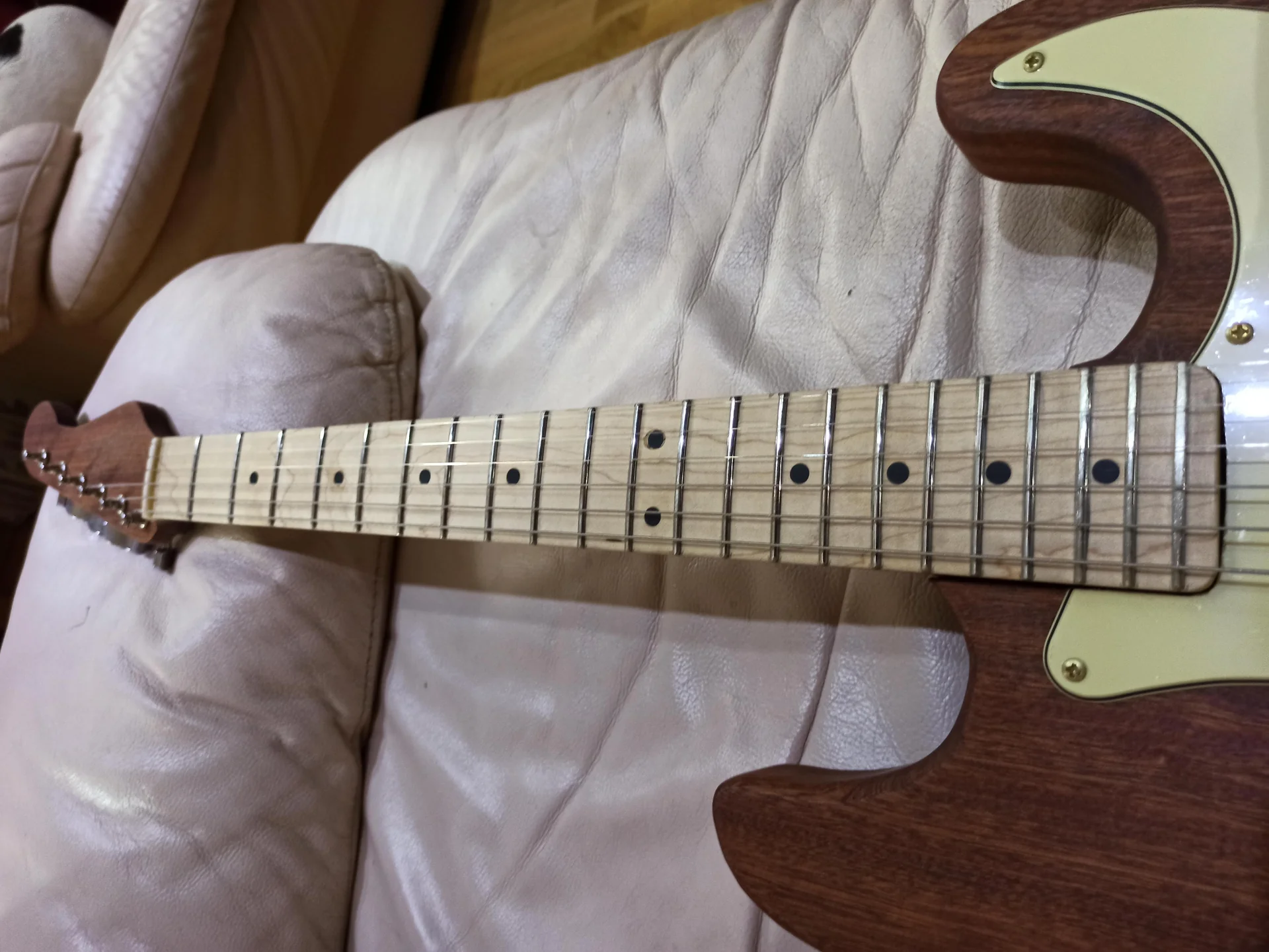
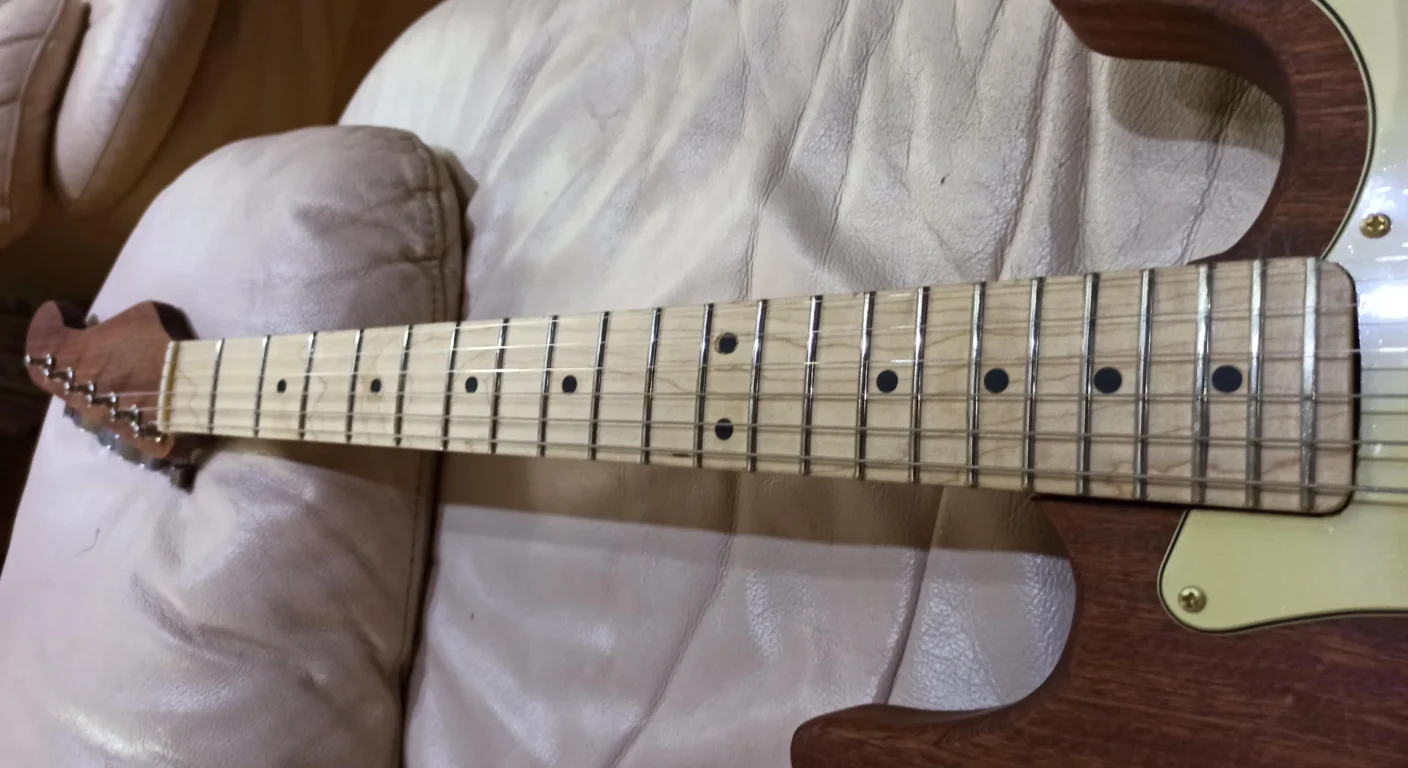
Let's start with the basics, with the material you find on the vast majority of guitars on the market, from entry-level to high-end professional models. Let's talk about the nickel silver, che in italiano chiamiamo nichel-argento. Piccola curiosità (che mi ha fregato la prima volta che l’ho letto): nonostante il nome, questo materiale non contiene absolutely Silver. It is an alloy of copper (approximately 60-65 TP3T), nickel (12 TP3T to 18 TP3T), and zinc. The name "silver" comes only from its bright color, which resembles real silver.
Main features:
Composition: An alloy of copper, nickel, and zinc. The percentage of nickel determines its hardness. The most common are 18%, but there are also 12% for a softer, more traditional feel, but these also wear out more quickly. Hardness:

It's the least hard of the three materials we'll be analyzing. This makes it relatively easy to work with, but also more prone to wear. Cost: Generally the cheapest, making it a popular choice for both makers and hobbyists like us. If you are venturing into a major modification to your guitar, remember that the choice of keycap material is a detail that makes the difference.Pros of Nickel-Silver:
1. Ease of Processing: This is its strong point for DIYers. It's relatively soft, so it's easy to saw, bend, insert into the handle, level, and crown. Your files for fret they won't wear out at the speed of light, and you won't need special tools to diamond polish them profiles. Per un principiante, o per chi non ha un’officina attrezzata come un liutaio professionista, è una benedizione. 2. Traditional Feel: Molti chitarristi amano il “grip” che offre il nichel-argento. Non è scivoloso come l’acciaio inox, e questo può dare un maggiore controllo nei bending e nel vibrato. È il feeling a cui la maggior parte di noi è abituata. 3. Warm and Full Tone: Sonically, nickel silver is often associated with a warmer, rounder tone, with good sustain. It doesn't add excessive brightness, allowing the wood and pickups to express their full character. Cons of Nickel-Silver:
1. Wear: This is the downside of its softness. keys in nichel-argento tendono a consumarsi più velocemente, sviluppando solchi sotto le corde, specialmente se suonate molto o con corde particolarmente dure. Questo significa rettifiche più frequenti o, alla lunga, una nuova retastatura. 2. Oxidation: Over time, nickel silver can oxidize and become dull. This isn't a functional problem, but aesthetically it may not be to everyone's liking. My experience (and some tips):
My first retouching, as I was telling you, I did it with some fretwire Nickel-silver 18%. I chose a Dunlop 6105 profile, which is a rather tall and narrow medium-jumbo. It was a controlled disaster, but I got there. I learned to cut the segments to the right length, curve them to fit the fingerboard (a common mistake is not curving them enough, leaving the ends sticking up), and press them in properly (with a hammer). fret e tanta pazienza, senza una pressa apposita). Il livellamento e la coronatura sono stati i passaggi più difficili. Ho usato una lima da liutaio standard e un tool per coronare a doppia faccia. Il nichel-argento si tagliava bene, ma bisognava stare attenti a non esagerare. Il consiglio che vi do è: andate per gradi. Non cercate la perfezione al primo colpo. Ogni passata di lima è definitiva. Durability is Everything: Stainless Steel
Se la durata è la vostra priorità assoluta, allora l’acciaio inox è il materiale che fa per voi. Negli ultimi anni, la sua popolarità è cresciuta a dismisura, e non è un caso. Molti chitarristi professionisti e non, sono passati a questo materiale per i loro strumenti. L’acciaio inox è una lega di ferro, cromo (almeno il 10.5%), nichel e talvolta altri elementi. Il cromo forma uno strato passivo sulla superficie che lo rende estremamente resistente alla corrosione e all’ossidazione. Main features:
Composition: An alloy of iron, chromium, nickel, and other metals. There are various stainless steel alloys (e.g., 304, 410, 430), some harder than others. Hardness: Extremely hard, much harder than nickel silver. It is virtually indestructible for guitar use. Cost: Generally the most expensive of the three materials, both for the material itself and for the tools needed to work it.
Pros of Stainless Steel:
1. Extreme Duration: This is his superpower. I stainless steel fret sono quasi immuni all’usura. Solchi e appiattimenti sono una rarità, anche dopo anni di uso intensivo. Significa meno rettifiche, meno manutenzione e una durata di vita della tastiera molto più lunga. Per chi suona molto o con un tocco pesante, è un game-changer. 2. Smooth and Sliding Surface: L’acciaio inox ha una finitura molto più liscia e lucida rispetto al nichel-argento. Questo si traduce in una sensazione di estrema scorrevolezza sotto le dita. I bending sono fluidi, i vibrati facili e veloci. Per i shredder o chi ama la velocità, è un vantaggio notevole. 3. Oxidation Resistance: It does not oxidize, it does not become opaque. Your keys rimarranno sempre brillanti e lucidi, come nuovi. 4. Bright Shade: Sonically, stainless steel tends to add a little more sparkle and clarity to the sound, with a very pronounced sustain. Some love it, others find it a bit "cold" or "sterile" compared to the warmth of nickel-silver.
Cons of Stainless Steel:
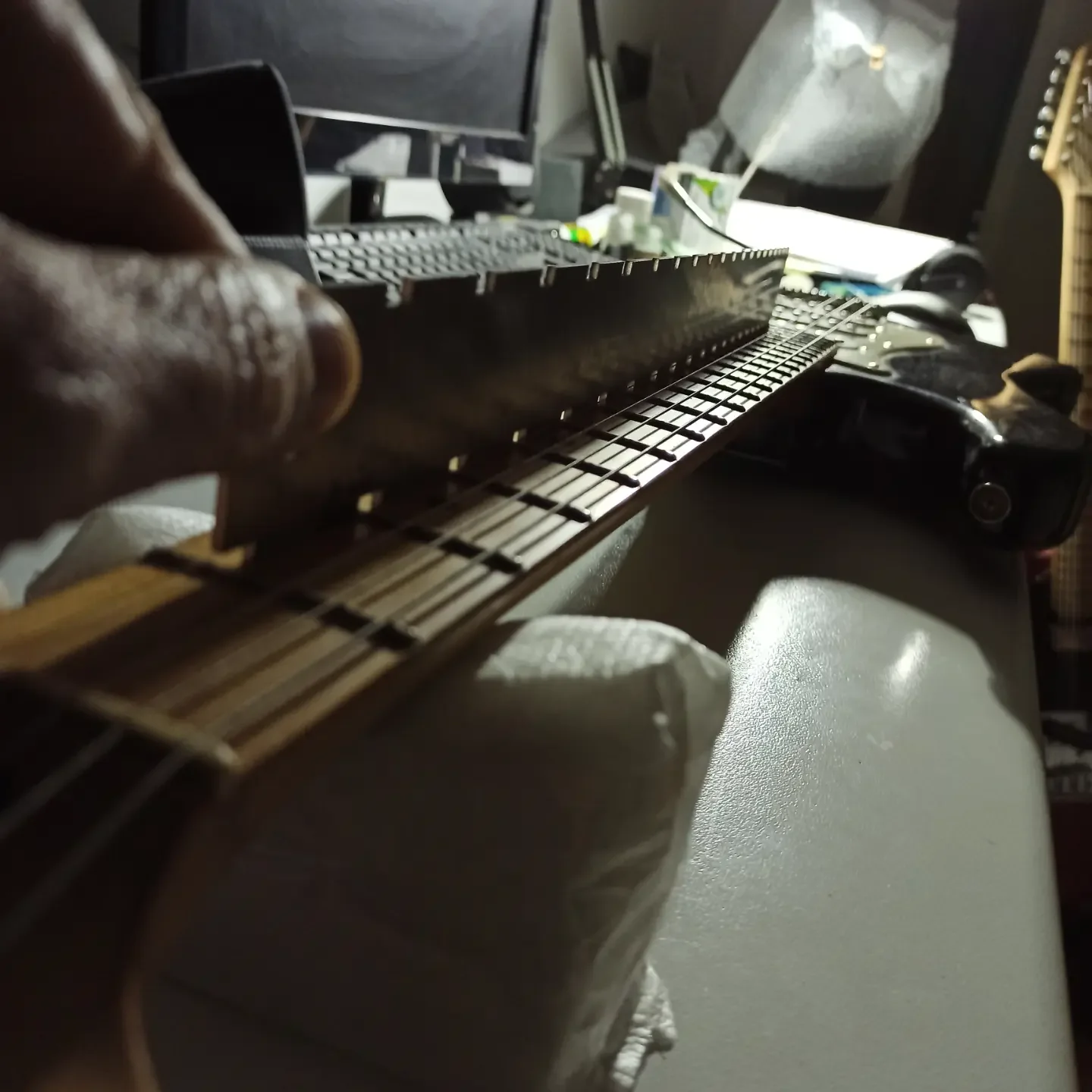
1. Processing Difficulty: Here's the biggest downside, especially for us hobbyists. Stainless steel is extremely hard. This means: Sawdust: Requires saws with stronger and sharper blades. Folding: It is much more rigid and difficult to bend. Special tools are needed to bend it. fretwire in stainless steel, or much more strength and attention. Insertion: It can be more difficult to insert into the handle slots, especially if the slots are not perfect. Leveling and Crowning: This is the real nightmare. Standard files and tools wear out quickly. You need diamond or tungsten carbide files, which are much more expensive and specialized. The process is slower, requiring more strength and patience. Polishing: Anche la lucidatura richiede paste abrasive più aggressive e più tempo per ottenere una finitura a specchio. 2. Tool Wear: Your traditional tools will wear out much faster. The cutting pliers fret potrebbero rovinarsi. Le lime andranno via come il pane. Questo significa un investimento iniziale maggiore in attrezzi specifici e di alta qualità. 3. Cost: The material itself is more expensive than nickel silver, and the investment in specialized tooling further increases the total costs of the project. My experience (and some tips):
I tried re-tasting a neck with stainless steel once, on a battle guitar that I wanted to turn into a war mule. I got some fretwire Jescar EVO Gold, pensando che fosse più “facile” dell’acciaio normale. Non era facile. La prima volta ho quasi buttato il manico, non scherzo. Ho rovinato una lima da coronatura che credevo indistruttibile. Ho dovuto comprare delle pinze da taglio più robuste e una serie di lime diamantate. Il processo è stato lento, frustrante e pieno di imprecazioni. Ogni passaggio, dal taglio alla limatura, richiedeva il doppio della forza e il triplo della pazienza. Alla fine, il risultato è stato ottimo dal punto di vista della suonabilità e della durata, ma il costo in termini di tempo, fatica e attrezzi non è stato indifferente. Mimmo's Tip: If you're a beginner, or don't want to invest in specialized and expensive tools, stainless steel might not be the best choice for your first attempt. If you decide to try it, be prepared. Do your research, watch specific tutorials on stainless steel, and invest in quality tools (diamond files, sturdy cutters, specialized abrasive stones). It's not impossible, but it's a challenge. The Noble Alternative: Alloy Gold / Evo Gold (Copper-Titanium-Aluminum)
Between the classic nickel-silver and the indestructible stainless steel, a third option has emerged in recent years which in my opinion is an excellent compromise: the’Alloy Gold, often marketed as EVO Gold da aziende come Jescar. Questo materiale è una lega proprietaria, la cui composizione esatta non è sempre divulgata, ma è principalmente a base di rame, con aggiunte di titanio e alluminio. Non è oro vero, ma il suo colore è un bellissimo dorato brillante che lo rende esteticamente molto accattivante, specialmente su tastiere in acero o con finiture particolari. Main features:
Composition: Alloy of copper, titanium, aluminum and other elements. Hardness: It sits midway between nickel-silver and stainless steel. It is harder than nickel-silver, but significantly softer and more workable than stainless steel. Cost: Generally more expensive than nickel silver, but less than stainless steel (if you also consider the necessary tools).
Pros of Alloy Gold / EVO Gold:
1. Excellent Durability: Grazie alla sua maggiore durezza rispetto al nichel-argento, l’EVO Gold offre una durata di vita notevolmente superiore. Resiste molto meglio all’usura e ai solchi, avvicinandosi per longevità all’acciaio inox, ma senza gli stessi problemi di lavorazione. È il “quasi eterno” senza il “quasi impossibile da lavorare”. 2. Reasonable Workability: Questo è il suo grande vantaggio per l’hobbista. È sufficientemente duro da durare, ma non così duro da richiedere attrezzi diamantati o una fatica eccessiva. Si taglia, si piega, si lima e si corona con attrezzi standard, anche se richiede un po’ più di impegno rispetto al nichel-argento. È un compromesso eccellente. 3. Unique Aesthetics: Il suo colore dorato è distintivo e può dare un tocco di classe e originalità alla vostra chitarra. Su alcune finiture, come l’acero fiammato o le tastiere in ebano, l’effetto è davvero notevole. 4. Oxidation Resistance: Come l’acciaio inox, l’EVO Gold non si ossida e mantiene il suo colore brillante nel tempo, senza perdere lucentezza. 5. Warm and Bright Tone: The sound profile is often described as a good mix between the warmth of nickel silver and the brightness of stainless steel. It adds a touch of snap and sustain without being overly cold.
Cons of Alloy Gold / EVO Gold:
1. Cost: È più costoso del nichel-argento, e questo può essere un fattore per chi ha un budget limitato o per un progetto “da battaglia”. 2. Availability: Anche se sempre più diffuso, potrebbe non essere disponibile in tutte le misure o da tutti i fornitori come il nichel-argento. 3. Processing (slightly more demanding): While easier than stainless steel, it's still more challenging than nickel silver. The files will wear out a little faster, and it will require a little more strength and patience.
My experience (and some tips):
Ho scoperto l’EVO Gold un po’ per caso. Stavo restaurando una Telecaster di prova e volevo qualcosa che durasse di più del nichel-argento, ma non avevo voglia di affrontare la battaglia dell’acciaio inox. Ho letto in giro su forum e gruppi Reddit che l’EVO Gold era un buon compromesso. Ho deciso di provarlo. Devo dire che è stata una rivelazione. La lavorazione è stata sì più faticosa del nichel-argento, ma assolutamente fattibile con i miei attrezzi da garage. Le lime standard ci mettevano un po’ di più, ma non si sono rovinate. Il risultato finale è stato una tastiera scorrevole, con un colore che si abbinava perfettamente al body color crema, e una sensazione di solidità che mi ha subito convinto. Da allora, l’EVO Gold è diventato una delle mie scelte preferite per le retastature che richiedono un buon equilibrio tra durata, suonabilità e un tocco estetico particolare. Mimmo's Tip: If you want a significant upgrade in durability over nickel silver, but aren't ready or equipped to go to war with stainless steel, EVO Gold is a fantastic choice. It offers nearly the same longevity as stainless steel, with much more hobbyist-friendly workability. The higher cost, in my opinion, is well justified by the longevity and relative ease of installation.
Choosing the Right Frets for Your Guitar (and Your Garage)
Now that we've compared the three main materials, it's time to take stock and figure out how to make the right choice for you. Remember, there's no one-size-fits-all answer, but there are some practical considerations that will help you decide.
1. Evaluate your experience level and equipment
Beginner or Limited Equipment (Nickel-Silver Only): If this is your first fretting session, or if you only have basic tools (fret hammer, standard files, non-specific wire cutters), nickel silver is the wisest choice. It will allow you to learn the fundamental techniques without too much frustration and without having to invest a fortune in tools. Intermediate or Appropriate Equipment (Nickel-Silver, EVO Gold): If you already have some experience and perhaps some more specialized tools (a fret press, good-quality files), you might consider the EVO Gold. It offers an excellent balance between durability and workability. Expert or Professional Equipment (All Materials, including Stainless Steel): If you're a perfectionist, have already tackled several refinishing jobs, and have invested in diamond files, sturdy wire cutters, and a lot of patience, then stainless steel is within your reach. 2. Think about your playing style and personal preferences
Traditional Tone, Soft Touch: Nickel-silver is the classic choice. Many guitarists don't want to abandon that feel and tone. Maximum Durability, Smoothness, Brilliant Tone: Stainless steel is for those seeking maximum durability and an ultra-smooth surface for merciless shredding. Just accept the resulting "shinier" tone. Balance between Durability, Workability and Tone: EVO Gold offers an excellent middle ground. It's nearly as durable as stainless steel, almost as workable as nickel-silver, and has a tone that combines warmth and brilliance.
3. Consider the Type of Guitar and Its Value
Battle Guitar / Economic Project: Nickel-silver is the most economical and functional choice. Mid-Range Guitar / Long-Lasting Upgrade:L’EVO Gold è un ottimo investimento che ne aumenta il valore e la longevità. * High-End Guitar / Professional Instrument: All three materials can be used. The choice here is dictated more by the musician's personal preference and budget. Stainless steel is a popular choice for high-end modern instruments.
4. Don't Forget the Fretwire Size
Even though the article is about materials, I can't help but mention that the size of the fret (altezza e larghezza) è cruciale. Profili più alti e larghi (jumbo) tendono a facilitare i bending e i vibrati, ma possono rendere l’intonazione più difficile per chi ha un tocco pesante, in quanto si preme la corda fino a toccare il legno della tastiera. Profili più bassi e stretti (vintage) danno una sensazione più “diretta” con la tastiera. Combinare il materiale giusto con la dimensione giusta è la vera arte. Per approfondire le misure e i tipi di fretwire If you're looking for options, I recommend checking out the catalog of a reputable supplier like StewMac (Stewart-MacDonald) or Jescar. There, you'll find detailed tables with all the specifications. For example, here you can see the options for fretwire on StewMac, a great resource for any hobbyist.
In conclusion…
Choosing the right material for the guitar keys non è una scienza esatta, ma un equilibrio tra le vostre esigenze, il vostro budget e la vostra voglia di mettervi in gioco. Ricordo ancora la soddisfazione di sentire quel manico rettastato, accordato e suonabile. Era un trionfo personale, una dimostrazione che con un po’ di ricerca, pazienza e la giusta dose di “provaci”, si possono ottenere risultati incredibili. Non abbiate paura di sbagliare. Ho sbagliato io, ho rovinato pezzi di legno, ho consumato lime e ho imprecato contro l’acciaio inox più di una volta. Ma ogni errore è stata una lezione, ogni fallimento un passo verso la comprensione. Se ci sono riuscito io nel mio garage, con le mani sporche e il saldatore caldo, potete riuscirci anche voi. Basta iniziare. E magari, iniziate con un buon vecchio nichel-argento. Poi, quando vi sentirete pronti, potrete salire di livello. In bocca al lupo!
FAQ
Qual è il materiale più economico per i tasti della chitarra?
Il materiale più economico in assoluto è il nickel silver. È una lega di rame, nichel e zinco, ed è quella che trovate sulla maggior parte delle chitarre, dalle entry-level alle professionali. Il suo basso costo è uno dei motivi principali della sua popolarità, specialmente per chi fa lavori di liuteria fai-da-te con un budget limitato.
Posso usare attrezzi normali per lavorare l’acciaio inox?
Lavorare l’acciaio inox con attrezzi standard è una vera impresa. La sua durezza estrema consuma rapidamente lime e altri utensili. Per un lavoro pulito e efficiente, sono necessarie lime diamantate o in carburo di tungsteno, tronchesi specifiche e molta più forza. Se non avete questi attrezzi, è meglio optare per nickel-silver o EVO Gold per evitare frustrazioni e danni agli strumenti.
Download the Luthier Survival Kit
Free PDF with checklist, problem-cause table and project card template.
 English
  Italiano
Stuck on your build?
If you ran into the same problem or have a question, drop it in the comments. I read and reply to every one.
Write a comment