


Telecaster History: from 1950 to today
There are guitars that are born, make a little noise and then, slowly, disappear into oblivion. And then there is the Telecaster. A solid block of wood with two pickups, a history spanning nearly 75 years, and a sound that has become the backbone of generations of music. It's no coincidence that even today, when someone thinks of an electric guitar, the Tele is among the first that comes to mind. I'm not a luthier with a century-old workshop, you know. I'm someone who's seen it all in the garage, disassembled, reassembled, made incorrect measurements, and burned out a few potentiometers. But precisely for this reason, the history of the Telecaster fascinates me. It's not just the story of an instrument, it's the story of a simple idea that worked so well that it outlasted fashions and revolutions. It's proof that sometimes, genius lies in taking away, not in adding.So, let's get comfortable. I won't give you the usual dusty encyclopedia. I'll take you on a journey through the anecdotes, strokes of genius, and a few rather odd decisions that shaped this legendary guitar. In the end, I hope you'll have a story to tell, too, the next time someone asks you, "What's the story behind this Tele?".
The Beginning of It All: Broadcaster, Nocaster, and the Birth of an Icon (1950-1951)
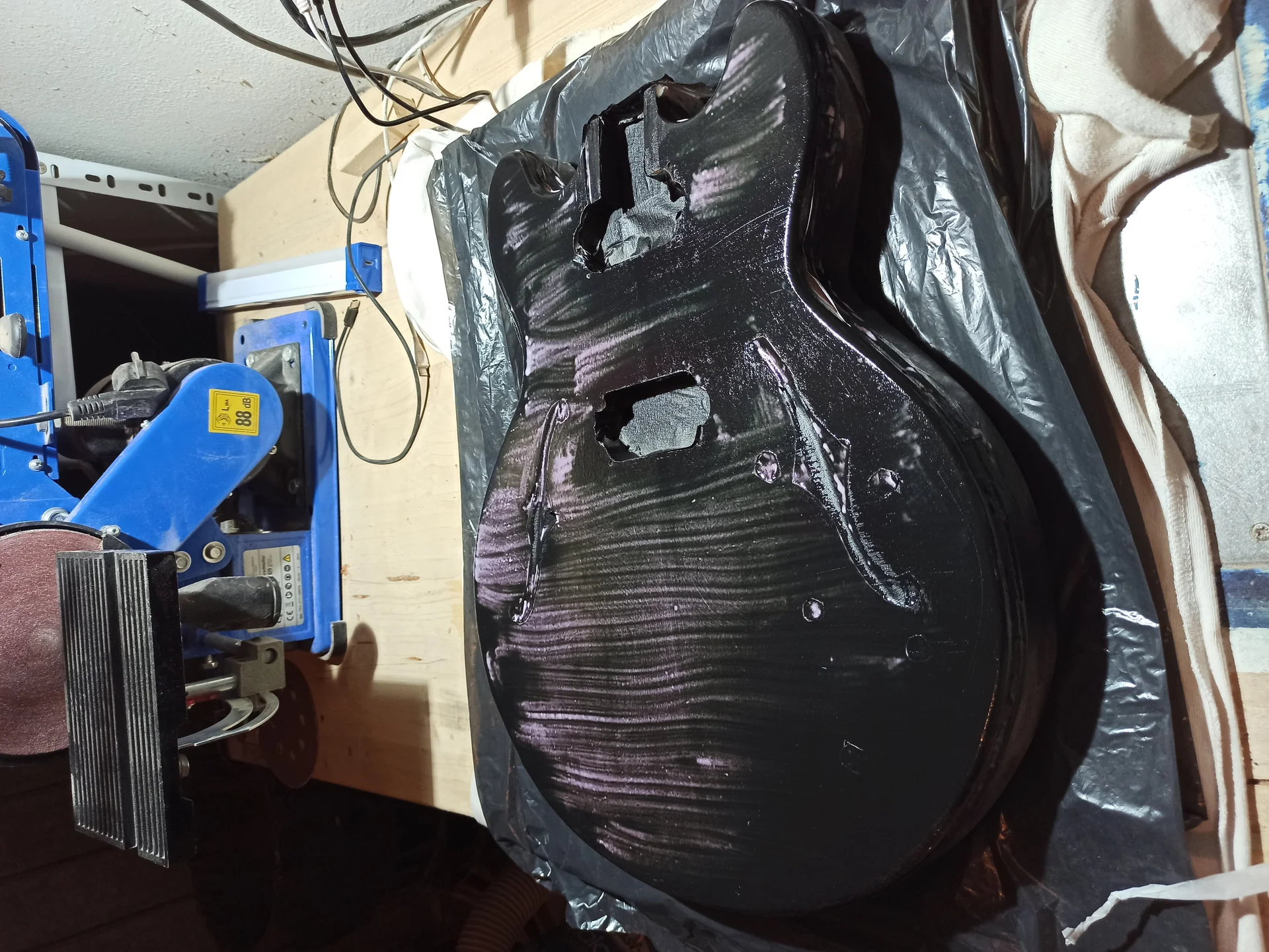
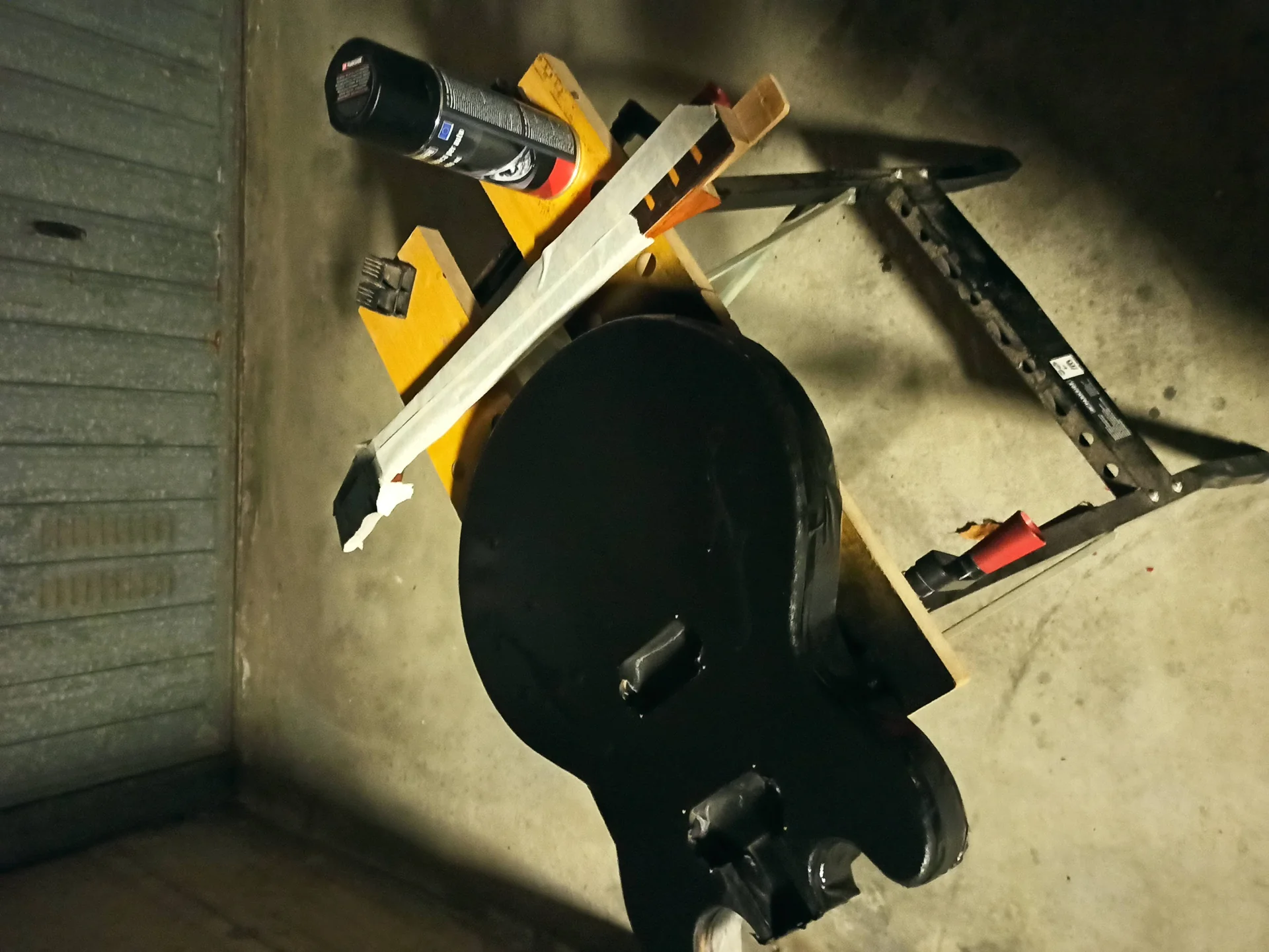
There Telecaster It wasn't born perfect and immutable. Sure, the basic design was solid, but Leo Fender and his team were always ready to improve, adapt, and respond to musicians' needs. The '50s and '60s were a period of great excitement, and the Tele saw several small but significant evolutions.
1950s: Refinement and Consolidation
After the first models, the Telecaster quickly established itself as a reliable and versatile instrument. Handles: The one-piece maple neck with integrated fingerboard was the standard. It gave it that bright sound and attack that made it unique. But musicians, or perhaps Fender's luthiers, began to feel the need for alternatives.

Controls: The original Telecaster circuit was a bit peculiar. The neck pickup position had a very dark, almost jazzy sound, with a capacitor that cut the high frequencies. The middle position blended the two pickups, and the bridge position was the classic twang. Many guitarists, however, found the "dark" position unhelpful and modified the wiring for a more traditional sound. This is a classic example of how the end user, the musician, often reinvents the instrument. When I sat down to modify an old Tele, I understood how much every little detail counts for the final sound, and how easy it is to customize it.
The 1960s: New Materials and New Ideas
With the arrival of the 60s, things began to change, also to keep up with the competition, especially from Gibson. Rosewood fingerboard (Rosewood Fretboard): Starting in 1959, Fender began offering necks with rosewood fingerboards. It was a response to the market, but also an aesthetic and tonal choice. Rosewood is softer than maple and tends to produce a slightly warmer sound, with a less snappy attack than pure maple. Many guitarists loved this softness.Custom Telecaster (1959): To add a touch of elegance, Fender introduced the Custom Telecaster, with double binding (binding) on the body. It was a way to make the instrument more "premium," almost a nod to Gibson guitars, which often boasted more elaborate finishes. It didn't change the sound, but looks matter, as we all know.
Telecaster Thinline (1968): This was one of the first real departures from the original concept. The Thinline was a semi-hollow, with a lightweight body and one or two f-holes (the f-shaped openings typical of jazz guitars). The idea was to reduce weight and offer a more resonant, airy sound while retaining the basic Tele character. It was often equipped with Wide Range Humbucker pickups, which we'll look at in more detail shortly. It was Fender's attempt to compete with semi-acoustic guitars and offer something new.
Telecaster Bass (1968): Even the bass guitar wasn't immune to the Telecaster's charms. The Telecaster Bass was essentially a Precision Bass with a body that mirrored the shape of the Tele. Initially equipped with a single coil, it was later updated with a humbucker.
These developments show that Fender has never rested on its laurels. They have always sought to expand the appeal of the Telecaster, without however distorting its soul. Each change had its own reason, tied to sound, aesthetics, or functionality. And for us DIY enthusiasts, every variation is a lesson in how small details can influence the final result.
The CBS Era and Diversification: The 1970s and Beyond
1965 was a watershed year for Fender. Leo Fender, for health reasons, sold the company to CBS (Columbia Broadcasting System). This change of ownership is one of the most discussed moments in the history of electric guitar making. Many purists argue that the quality of Fender instruments, including the Telecaster, suffered a decline during the CBS era, largely due to a greater focus on production volumes than on craftsmanship.But it's not all doom and gloom. The CBS era also brought a notable diversification of the Telecaster line, with models that, while sometimes controversial, made a mark and came back into fashion years later.
'70s Telecasters: Humbuckers and New Voices
The '70s were the decade of rock, and guitarists demanded more power, more sustain, and less background noise. Humbuckers, made famous by Gibson, were the answer. Fender couldn't ignore this trend. Telecaster Custom (1972): This was a Telecaster that sought an interesting compromise. It kept the classic single coil at the bridge, so as not to lose the traditional twang, but mounted a humbucker at the neck. Not just any humbucker, but the famous Wide Range Humbucker, designed by Seth Lover (the same guy who invented the humbucker for Gibson!). These pickups featured CuNiFe (copper, nickel, iron) magnets and had a clearer, brighter sound than Gibson humbuckers, while still maintaining noise cancellation. The Telecaster Custom also had Gibson-style controls (four pots, two for volume and two for tone), another clear indication of wanting to compete with the Les Paul.Telecaster Deluxe (1972): If the Custom was a compromise, the Deluxe was a statement. Two Wide Range humbuckers, a fixed Tune-o-matic-style bridge with a stop tailpiece (like Gibson), and a large, Stratocaster-like headstock. It was a Telecaster only in body shape, but the sound was decidedly rockier, fatter, with more output. It was Fender's answer to the Les Paul for those looking for a powerful sound but with a Tele aesthetic.
Telecaster Thinline (re-issue 1972): The Thinline, already introduced, was also updated with Wide Range Humbuckers, replacing the original single coils. This gave it a fuller sound and a different appeal.
These '70s models were often overlooked by "traditional" Telecaster purists, but they found their audience and were used by artists seeking a beefier sound. Today, these "humbuckerized" Telecasters are highly sought-after, and the original Wide Range Humbuckers have become almost antiques. If you find yourself tinkering with one of these, know that Wide Range humbuckers are no ordinary humbuckers: the CuNiFe magnets are unique and difficult to faithfully replicate, so if you want authentic sound, look for an original or a quality reproduction.
The “Mojo” and Quality
It's true that there were fluctuations in build quality during the CBS era. Sometimes you'd see oddly curved necks, less refined finishes, or less precise electronics. But you can't generalize. Many CBS Telecasters are excellent instruments and have their own unmistakable "mojo.".The fact is, a company as large as CBS had a different logic than a craftsman like Leo Fender. The goal was to maximize production. This sometimes led to compromises. But think about it: if CBS hadn't existed, perhaps the Telecaster wouldn't have become as popular as it was, and wouldn't have experienced all these variations that ultimately enriched its history. Every guitar, even the less "perfect" ones, helped define the sound of an era.
And then, let's face it, even a "flawed" Telecaster has always had its charm. It's a guitar that forgives your mistakes, but also forces you to bring out the best in you. And that, for a guitarist, is priceless.
Returning to the Roots and Modern Reinterpretations: From the 1980s to Today
After the experimentation of the '70s and a somewhat unstable period under CBS management, the '80s marked a turning point. There was a strong demand for instruments that recalled the quality and specifications of the pre-CBS models. Guitarists wanted the "real" Fender sound, and the Telecaster was at the forefront of this rebirth.Fender Japan and the Vintage Rebirth (1980s)
One of the most interesting phenomena of this period was the emergence of Fender Japan. Faced with competition from high-quality Japanese copies, Fender decided to open its own factory in Japan. The guitars produced there, particularly the JV (Japanese Vintage) series, were of exceptional quality and faithfully reproduced the specifications of American models from the 1950s and 1960s.These Japanese Telecasters were instrumental in bringing attention back to classic designs and demonstrated that quality could be produced outside of the United States. Many “vintage reissue” models we know today have their roots in this period.
Return to the Past and Controlled Innovation (1990s – 2000s)
In the 1990s, Fender, now again under private ownership (since 1985), focused on restoring its reputation and producing high-quality instruments. American Standard/Professional: The main American production line has evolved over time, from the American Standard to the American Professional, and now to the American Professional II. These Telecasters are the embodiment of Fender modernity: more comfortable necks, flatter fingerboard radii, improved pickups, more stable bridges. They are instruments designed for the modern guitarist who wants versatility and reliability without sacrificing Tele tone.American Vintage Series: For purists, the American Vintage series (later renamed American Original and Vintera) was the answer. These guitars faithfully reproduce the specifications of the iconic models of the '50s and '60s, from the neck profile to the pickups, from the finishes to the components. They're a blast from the past, with all the charm of a vintage instrument but the guarantee of a new instrument.
Nashville Telecaster: Another interesting innovation was the Nashville Telecaster. Starting from the basis of a Tele, a third single-coil pickup was added in the middle, Stratocaster-style. This greatly expanded the tonal versatility, allowing for more "Stratty" sounds while retaining the Tele character. It's a perfect example of how a classic design can be evolved without distorting it.
Baritone Telecaster: For those seeking a deeper, more powerful sound, the Baritone Telecaster has emerged, with a longer scale and lower tunings. They demonstrate the flexibility of the basic design.
I've always loved how a Tele forces you to play. It hides nothing; every nuance is there, naked and raw. But at the same time, it's a guitar that lends itself to a thousand modifications. It's the perfect blank canvas for those of us who love to get our hands dirty. I've seen Telecasters with humbuckers in the bridge position, with P90 pickups, with active electronics. Each time, the basic character remains, but it adapts, it molds.
The Today and Tomorrow of the Telecaster
Today, the Telecaster lineup is broader than ever. From affordable Squiers to luxury custom shops, there's a Tele for every budget and every need. There are models with active pickups, tremolos, and extravagant pickup configurations. But the heart, the DNA, remains the same: a solid body, a bolt-on neck, and two single-coil pickups (or their reinterpretations).There Telecaster history It's not finished; it continues to be written every day by guitarists and luthiers who choose it, modify it, and interpret it. It's proof that a good project, simple and effective, never gets old. Next time you hear that unmistakable twang, think of Leo and how far his wooden "board" has come.
To delve deeper into the history and specifications of the various models, a good starting point is always the official Fender website, which offers a section dedicated to the history of its instruments, such as this page on the Telecaster: [https://www.fender.com/articles/gear/the-history-of-the-telecaster](https://www.fender.com/articles/gear/the-history-of-the-telecaster).
Why is the Telecaster still here? Its lasting impact
After taking this journey through the Telecaster history, from Leo Fender's garage to the hands of musicians around the world, it's natural to ask: why has this guitar, so simple and almost spartan, survived nearly three-quarters of a century of musical and technological evolution? Why is it still so relevant, so beloved, so iconic?The answer, in my opinion, lies in a mix of factors that make it an instrument almost perfect in its imperfection.
1. Simplicity and Reliability
The Telecaster was designed to be a workhorse. Few parts, well-assembled, easy to repair. The bolt-on neck, the simple pickups, the fixed bridge. The fewer parts there are, the fewer things can break. This reliability has made it the preferred choice of countless musicians who need to play gig after gig, without worries. It's the quintessential DIY philosophy: a robust design that lets you focus on playing, not worrying about something going wrong.2. Underrated Tonal Versatility
The Telecaster is often thought of as the country guitar of the twang. And it does that beautifully. But the truth is that the Telecaster is incredibly versatile. Bridge Pickup: Sharp, bright, perfect for country, rockabilly, but also for aggressive rock riffs.Neck Pickup: Warm, round, almost jazzy, ideal for blues and softer sounds.
Central location: It combines the best of both worlds, with a full, balanced sound that cuts through the mix. It's a guitar that adapts to almost any genre, from jazz to punk, from blues to metal (yes, even metal—try a Tele with a humbucker in the bridge and a nice distortion pedal!). It's this ability to be a chameleon, while maintaining its identity, that has made it so enduring.
3. Authentic Sound, Without Filters
The Telecaster is an honest guitar. It hides nothing. What you play, what you feel. Every nuance, every imperfection, every touch of the pick is there, amplified. This forces the guitarist to be better, to cultivate technique, to express themselves authentically. There are no built-in special effects, no overly compressed pickups that mask the real deal. It's the pure interaction between your fingers, the strings, the wood, and the amplifier. It's a lesson in lutherie: a solid foundation is the most important thing.4. The Iconic Aesthetic
The Telecaster's shape is instantly recognizable. Clean, functional, without excess. It's a design that has become a cultural icon, a symbol of the electric guitar itself. And aesthetics, let's face it, matter. It makes you want to pick it up and play.5. The DIYer's Blank Canvas
For someone like me, who loves to tinker, the Telecaster is a true blank canvas. Its simple, modular design makes it perfect for modifications. Swapping pickups, bridges, electronics, necks: it's all relatively easy. It's the ideal instrument for those who want to experiment, customize their sound, and learn the basics of electric guitar making. It's the perfect testing ground for a DIY project. It's like having a good old friend in your hands. He understands you, supports you, and never judges you. The Telecaster is more than just a musical instrument; it's a piece of history, a traveling companion, and an inexhaustible source of inspiration for anyone who loves music and guitars.The next time you hear that unmistakable twang, or see a Tele on stage, think of Leo Fender, his mistakes, his insights, and how a simple idea can become immortal. And if you ever feel like building one or modifying it, know that you're in good company. The Telecaster's journey continues, and we're here to be a part of it.
See also
Download the Luthier Survival Kit
Free PDF with checklist, problem-cause table and project card template.
 English
  Italiano
Stuck on your build?
If you ran into the same problem or have a question, drop it in the comments. I read and reply to every one.
Write a comment