

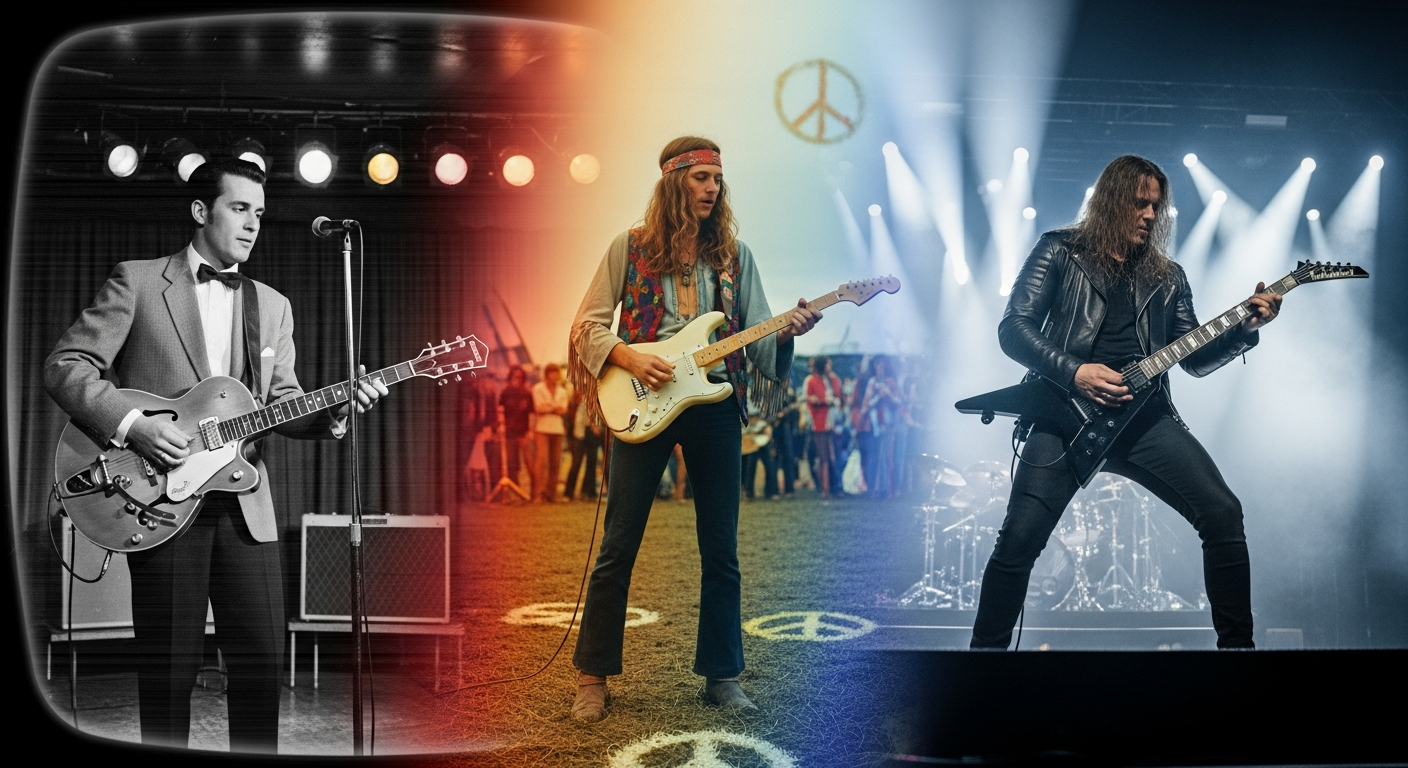
60s guitars: Models and essential history
Every now and then I happen to put on an old record, one of those that have made history, and the first thing that strikes me is not so much the song, but that sound. That guitar sound that got into our heads and never left. Often, that sound comes straight from the 1960s.An incredible decade, a veritable open-air laboratory for music and the instruments that produced it. I'm not just talking about legends, but concrete innovations, design and marketing decisions that have shaped the way we think about and build our six-strings to this day.
As an enthusiast who got his hands dirty assembling and disassembling replicas, or simply trying to understand how it worked that circuitry, I can tell you that studying the 60s guitars it's like reading a violin making manual electric advanced. With twists, brilliant characters, and some questionable choices, of course.
Let's see together what made those guitars so special and why their vibrations still resonate powerfully in our garage.
The Golden Age: Why the '60s Still Matter
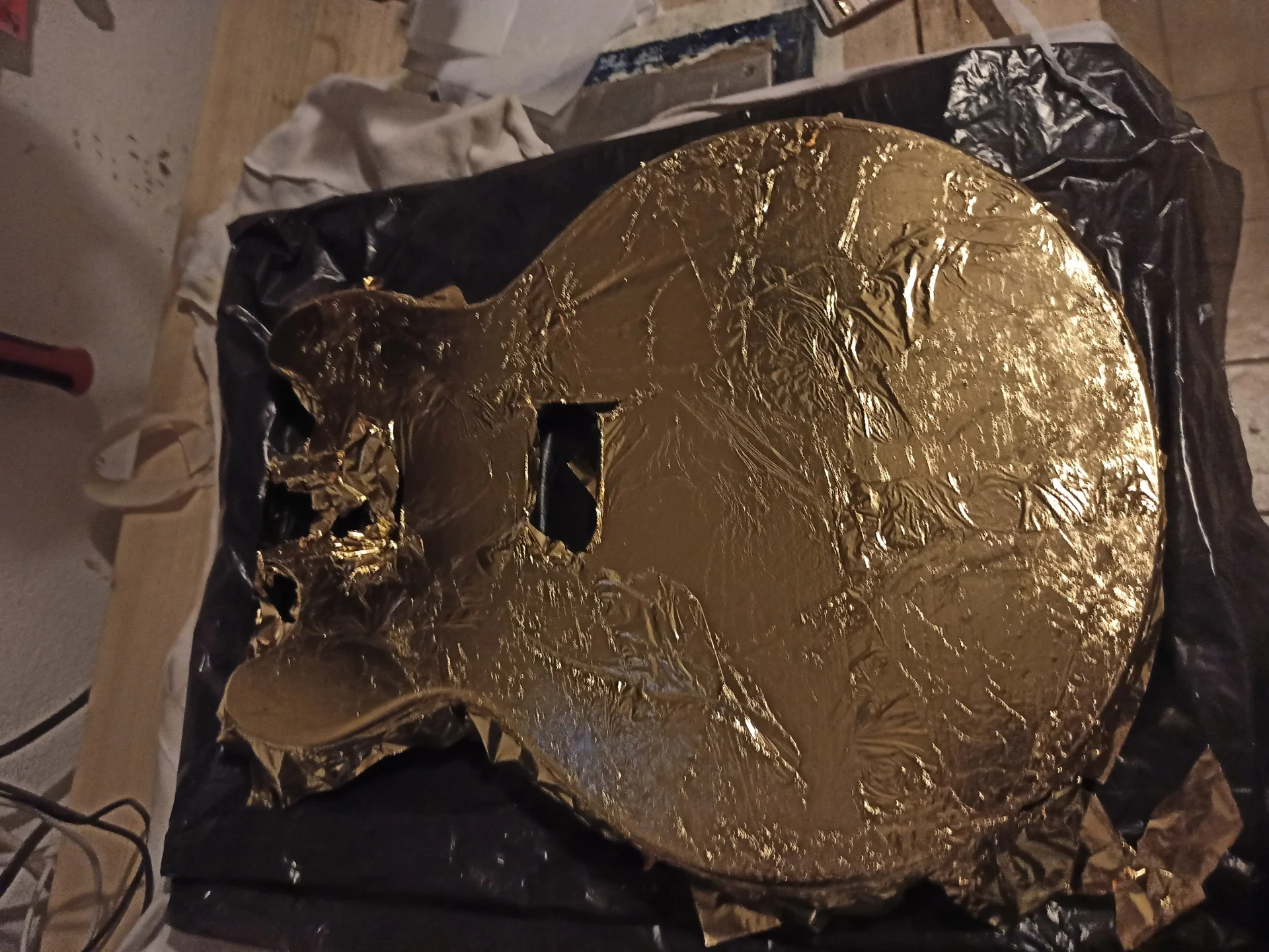
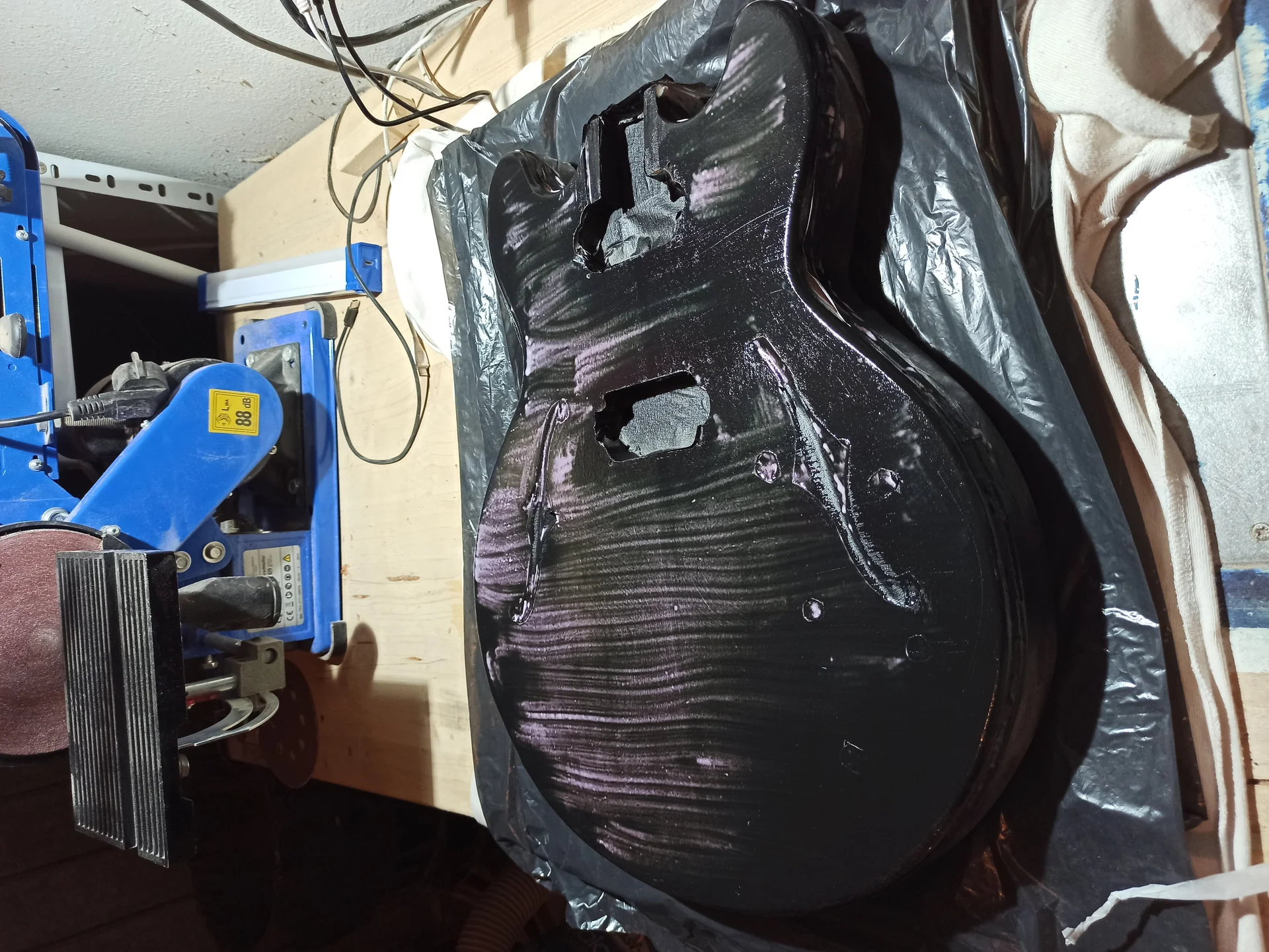
When talking about 60s guitars, It's impossible not to start with Fender. Leo Fender, an electronics genius without being a guitarist, had an almost engineering-like approach to guitar making. For him, the guitar was an instrument to be assembled, improved, and made reliable.
The Stratocaster: Evolution of an Icon
The Stratocaster, born in the mid-1950s, was already a giant by the 1960s. But it didn't stand still. Neck profiles changed, often becoming thinner toward the end of the decade, and frets became larger (the famous "jumbo frets" that almost everyone uses now).

I remember when I tried to remake a '60s-style neck for one of my projects. I had to study the curves and radiuses carefully. At the beginning of the decade, you could still find 7.25" radiuses, which many today find a bit awkward for extreme bending. Then, towards the end, we started to see something flatter.
The pickups, the famous single coils, have undergone small but significant changes in winding and magnets. The classic sound of pre-CBS Strats (so before 1965) is what many seek: crystalline, defined, with that unmistakable "quack" in the intermediate positions of the selector.
Telecaster and its Variations
The Telecaster, Fender's workhorse, has continued to rack up successes. Simple, reliable, a true workhorse. The 1960s saw the introduction of versions with double binding on the body (the Telecaster Custom) or with a humbucker in the neck position (the Telecaster Thinline, though more towards the end of the decade).I've always had a soft spot for the Tele. It's the most honest guitar ever. If it sounds bad, it's your fault! But even here, small variations in materials and pickups have helped define different nuances of sound.
The “Offsets”: Jazzmaster and Jaguar
These two guitars are a chapter in themselves. Designed for a more sophisticated audience (the Jazzmaster for jazz musicians, the Jaguar as the top-of-the-line model), they found true success in surf rock and, much later, indie rock.The offset body, designed to be more ergonomic when sitting, and the complex circuitry with separate controls for rhythm and lead made them unique.
The Jazzmaster's pickups are different from standard single-coils: wider and flatter, with a warmer, more powerful sound, almost a cross between a P90. The Jaguar, with its narrower pickups and slide switches, offered a sharper, brighter sound.
These 60s guitars They demonstrate how Fender never stopped, always looking for new paths, even if not all of them were understood immediately.
The “Twist”: The Acquisition by CBS
1965 was a watershed year. Leo Fender sold his company to CBS. This event had a huge impact, and is still debated today. Many purists consider pre-CBS guitars the Holy Grail. Not everything that came after was necessarily "worse," but there were changes. Wider necks, thicker paint, sometimes a lesser attention to detail that Leo had always obsessively cultivated. It's a bit like when your trusted mechanic retires and a large chain takes over: quality can suffer.For those like me who enjoy modify guitars, Understanding these differences is crucial. Choosing a '60s-style neck, for example, means deciding whether you prefer the feel of a pre-CBS or the specs of a post-CBS.
Gibson: Elegance and Power from Michigan
If Fender was Californian pragmatism, Gibson was Michigan elegance and tradition. With Ted McCarty at the helm, Gibson had already introduced the famous "Patent Applied For" (PAF) humbucker in the late '50s, a true revolution in eliminating single-coil hum.The Les Paul: A Concerning Absence and a Triumphant Return
The Les Paul, born in '52, had fallen by the wayside in the early '60s, replaced by a more modern and aggressive model, the SG. But its full-bodied sound and infinite sustain were destined to return.Toward the end of the decade, thanks to guitarists like Eric Clapton and Mike Bloomfield, the Les Paul experienced an incredible resurgence. Suddenly, everyone wanted the beastly tone of a humbucker on a mahogany body.
Les Pauls from the 1960s, even those produced in smaller numbers before the relaunch, are among the most sought-after. Their neck profiles, often thinner than those of the 1950s, and their PAF or later ’Patent Number’ pickups (the PAFs without the sticker) are legendary.
The SG: Born for Speed
The SG, originally called the “Les Paul SG” (but Les Paul never liked it), was Gibson’s response to the changing times. A thin body, double cutaway, lighter and easier to play on the upper frets.The SG became a rock icon, with guitarists like Angus Young making it their trademark. It was a guitar designed for speed and aggressive riffs. Its humbuckers, combined with the mahogany body, gave it a powerful, growling sound, yet with surprising clarity.
Again, I've dealt with SG replicas. The balance can be a bit odd due to the weight of the neck relative to the lightweight body, something to keep in mind if you're building one.
The Semi-Hollows: ES-335 and Sisters
The 60s guitars Gibson wasn't just solid body. The semi-hollow ES (Electric Spanish) series, especially the 335, continued to prove its worth. An ingenious hybrid: the warmth and resonance of a hollow body, but with a mahogany center block to reduce feedback and increase sustain. It's the perfect guitar for blues, jazz, and rock.’‘'roll. It could be sweet and velvety, but also raspy and bluesy. Guitarists like B.B. King and Larry Carlton made it an extension of their arm.
I've always admired the engineering behind these guitars. It's not easy to build a semi-hollow body that sounds this good and is so sturdy.
The Oddities: Firebird and Explorer
The '60s were also the decade of "modern" shapes for Gibson. The Firebird, designed by Ray Dietrich (the same man who designed the Lincoln Continental!), was a work of art. With its mini-humbuckers and neck-through neck, it had a unique sound, brighter and more defined than standard humbuckers.The Explorer, born in the late '50s but rediscovered in the '60s, was another of those guitars that screamed "future!" They weren't for everyone, but they demonstrated Gibson's willingness to dare, to transcend tradition.
Gretsch: Revolutionary Twang and the Beatles' Influence
Ah, Gretsch! The sound of rock!’‘'roll of the origins, of country, and then, thanks to a certain George Harrison, of the pop that changed the world. 60s guitars Gretsch had an unmistakable aesthetic and a sound unlike any other.
The Sound “That Great Gretsch Sound”
Gretsch guitars were known for their bright twang, their resonance, and their opulent aesthetic. Sparkling finishes, gold hardware, and binding everywhere. They were instruments that got noticed.Models like the Country Gentleman (made famous by Chet Atkins), the White Falcon (the “world's most beautiful guitar”), and the 6120 (another rock icon).’
‘'roll), were the dream of many.
The Filter'Tron pickups, designed by Ray Butts, were a kind of low-output humbucker, but with unique clarity and attack. They weren't as powerful as Gibson's PAFs, but they had their own unmistakable personality.
I remember when I tried wiring Filter'Trons into a semi-hollow I was customizing. The sound was truly different. Less beefy than the P90s, but with a bell and sustain that made it clear why so many people fell in love with them.
Bigsby and the Uncompromising Vibrato
Many Gretsches featured the Bigsby vibrato, an iconic system that allowed for delicate bends and elegant vibrato, without the excesses of a Floyd Rose. It's a system that requires a bit of maintenance to keep it in tune, but when it works well, it's a joy.The Bigsby is one of those details that defines the era. It wasn't just hardware, it was an integral part of the sound and feel of these guitars. 60s guitars.
Rickenbacker: Subtle Innovation and Rock'’
‘'Roll Brit
Rickenbacker was a company with a long history, but the 1960s saw it explode thanks to a group of young men from Liverpool. Their designs were futuristic and elegant, with obsessive attention to detail and a unique sound.
The “Jingle-Jangle” Sound”
The Rickenbacker sound is often described as "jingle-jangle"—bright, crystalline, with a percussive attack and great clarity. This was due to a combination of factors: the neck-through construction (neck and body in one piece), the tonewoods used (often maple), and especially their pickups.The “Toaster” and “Hi-Gain” pickups were unique single coils, with relatively low output but an incredibly clear sound. The famous “Rick-O-Sound,” a stereo output that allowed each pickup to be sent to a different amplifier, opened up new sonic possibilities.
The Icons: 360, 330 and 4001 Bass
The 360 and 330, with their semi-hollow maple bodies and sleek designs, became the signature guitars of John Lennon and George Harrison. Their look was unmistakable, and their sound shaped entire generations of musicians.Rickenbacker basses, especially the 4001, have also become legendary. Think Paul McCartney, Chris Squire of Yes, or Geddy Lee of Rush. A powerful, present sound with incredible sustain.
I've always looked at Rickenbackers with a mixture of admiration and fear. They're complex instruments, with their own construction logic. They're not guitars for those looking for a "standard" sound, but if you want something truly your, they are worth studying.
To delve deeper into the history of these instruments and their creators, I often recommend visiting the manufacturers' official websites or specialized resources. A good starting point for the history of these brands is the Vintage Guitar Magazine website, which often publishes detailed and well-researched articles on the 60s guitars and beyond (for example, here is an interesting article on the history of Rickenbacker: The Rickenbacker Story – Vintage Guitar Magazine).
The Other Voices: Mosrite, Vox, and the Younger Sisters
It wasn't just the "big three" that made history. The 1960s saw the rise of many brands, some of which left an indelible mark.Mosrite: Surf Rock Incarnate
Mosrite, founded by Semie Moseley, is the perfect example of how a small manufacturer could make its mark. Its guitars, with their aggressive design and asymmetrical headstocks, became the emblem of surf rock thanks to The Ventures.Mosrite pickups, often with a more aggressive sound and higher output than Fender single-coils, were perfect for fast, cutting riffs. They were guitars with a strong personality, not for everyone, but recognizable at first sight and first listen.
Vox: From England with Fury
Vox, famous for its amplifiers, also produced 60s guitars with an extremely innovative and often bizarre design. Think of the Phantom or the Teardrop, with their geometric shapes and integrated effects.These guitars reflected the eccentricity of the era, with sometimes complex circuitry and an aesthetic we would now call "vintage-futuristic." They didn't have the same commercial impact as the giants, but they are pieces of history that demonstrate a desire to experiment.
The Japanese: The Beginning of a Phenomenon
The 1960s also saw the rise of Japanese guitars. Brands like Teisco, Kawai, and Guyatone produced instruments that were often affordable, with sometimes extravagant designs, but which allowed many people to get into music.These guitars, often overlooked by purists, are now sought after for their mojo and unique pickups, which can deliver unexpected sounds. I've had a few vintage Teiscos in my hands: they certainly weren't built like a Les Paul, but they had soul, and with a little tweaking, you could produce some interesting sounds.
The '60s in the Garage: What We Learn Today
So, after this journey through the 60s guitars, What do we bring home, we who perhaps have a Dremel and a soldering iron in the garage?First of all, the biggest lesson is that there is no such thing as “the” perfect sound. There are i sounds, and each instrument has its own voice. Understanding how the different designs of those years contributed to creating those voices is crucial to our choices.
Mimmo's Tip: Don't Be Afraid to Experiment (Informedly!)
If you're thinking of building a vintage-style guitar, or modifying your own, take the time to study the original models. You don't have to copy them verbatim, but you do have to understand. Why Leo Fender chose alder for the body of the Stratocaster, or Why Gibson put humbuckers on the Les Paul, it will give you a solid foundation.For example, if you want that Rickenbacker “jingle-jangle” sound, just adding high-gain pickups isn’t enough. You also have to consider the wood (maple), the construction (neck-through if possible), and the circuitry (the Rick-O-Sound isn’t easy to replicate).
Detail Makes the Difference
From neck profiles to bridge types, from nut materials to wiring, every detail matters. A different capacitor in the tone circuit, a potentiometer with a slightly different value, can change the character of a guitar. In the 1960s, these choices were often dictated by the availability of materials or the designers' preferences. Today, we have the freedom to choose, and that freedom is precious.History is an Open Manual
The 60s guitars They're not just collectibles. They're testaments to an era of incredible creative ferment. Every time I disassemble a pickup or analyze the schematics of a guitar from that period, I learn something.I'm learning that simplicity is sometimes key, like with the Telecaster. I'm learning that innovation can be risky but rewarding, like with Fender's offsets or Vox's oddities. And I'm learning that passion, the same passion that drove Leo Fender to experiment and experiment in his workshop, is the same passion that drives us to get our hands dirty in our garage.
So, the next time you hear an old song and that guitar gets to you, think of all those who, with hands dirty with sawdust and tin, contributed to creating that sound. And think that, with a little patience and a lot of willpower, you too can contribute to creating the your Sound. The journey has just begun!
See also
Download the Luthier Survival Kit
Free PDF with checklist, problem-cause table and project card template.
 English
  Italiano
Stuck on your build?
If you ran into the same problem or have a question, drop it in the comments. I read and reply to every one.
Write a comment