

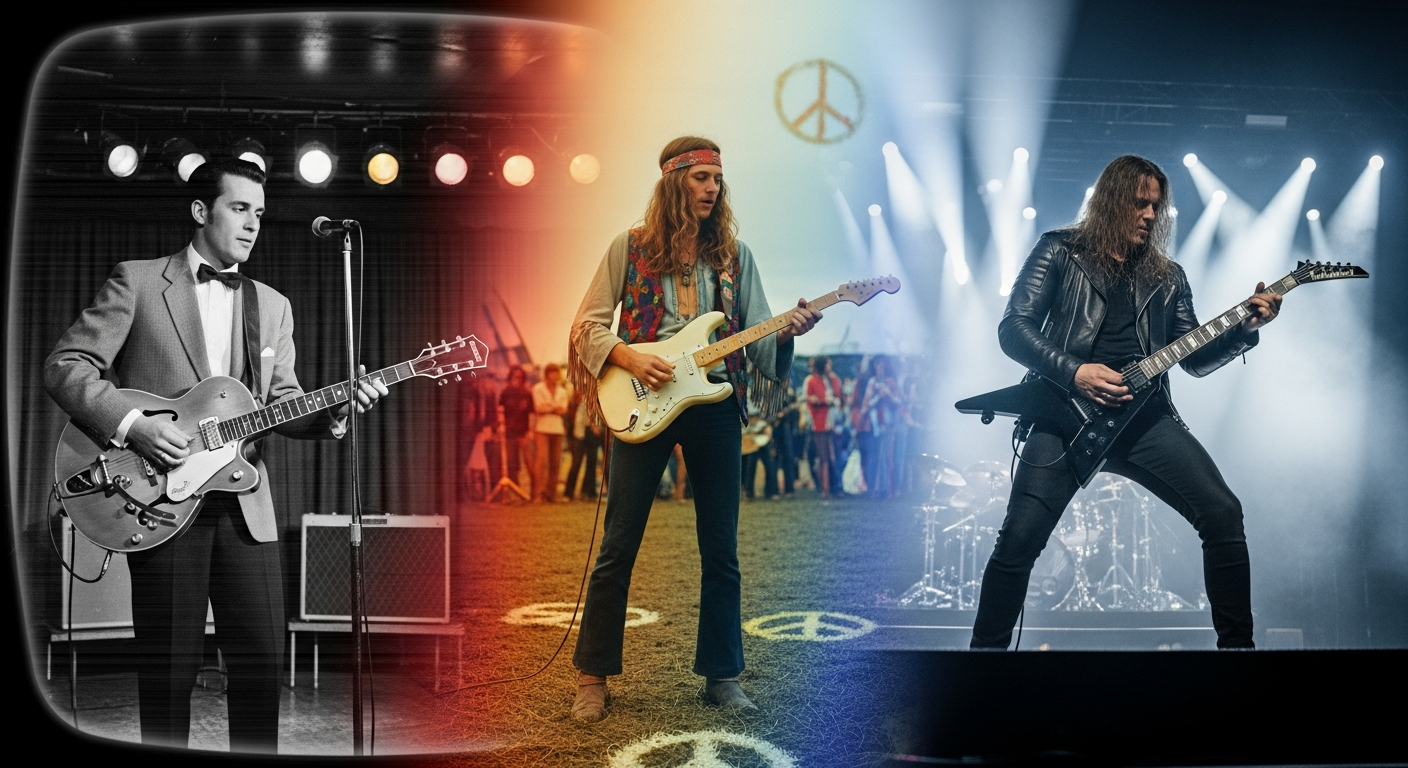
The 80s guitars: guide to iconic models
Guys, if there's one decade that revolutionized the world of electric guitars, it was the '80s. I'm not just talking about crazy hairstyles and exaggerated shoulder pads, but a veritable earthquake that redefined what it meant to play a six-string instrument. From the garage where I tinker with my projects, I've always had a soft spot for those guitars. They have a story behind them, a philosophy that makes them unique.When I think about the 80s guitars, I immediately think of an explosion of creativity, aggressive sounds, and aesthetics that, let's face it, left no one indifferent. It wasn't just a period of excess, but also of innovative engineering that pushed the boundaries of design and performance.
At first, I admit, I looked at those pointed shapes and bright colors with a bit of suspicion. I was more of a classic Strat or Les Paul guy. Then I got my hands on an old Ibanez RG550, one of those with the super-thin neck and Floyd Rose, and I understood everything. It wasn't just a guitar; it was a war machine, designed for speed and a certain kind of musical expression that hadn't been possible before.
This article isn't meant to be a dusty history lesson. I want to tell you about the Why Behind those choices are the stories of the brands and musicians who shaped an era. And maybe, they'll give you some ideas to help you figure out if one of those vintage beasts is right for you, or how to replicate that sound without breaking the bank.
The Context: From Ballads to Clanging Metal
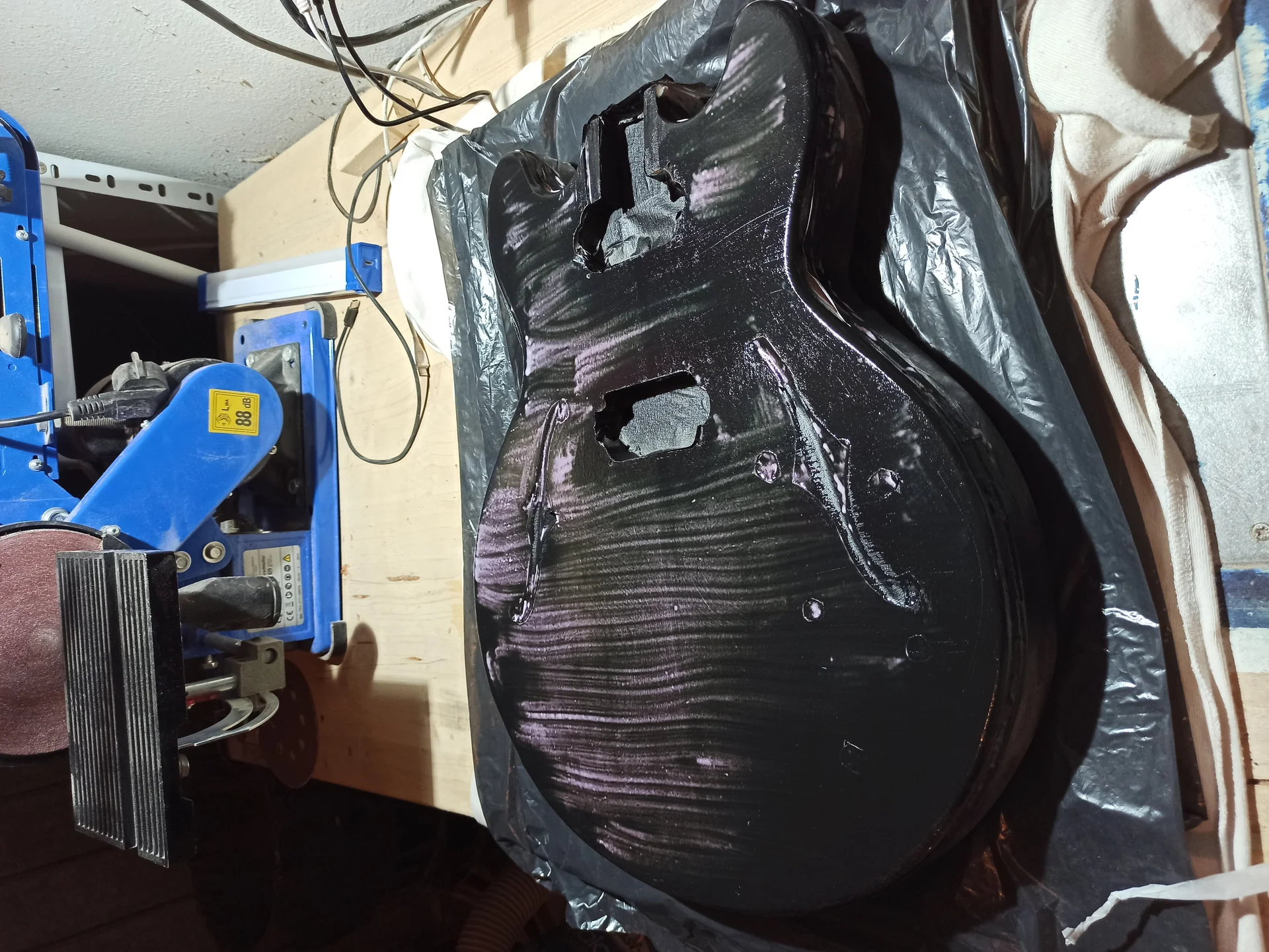
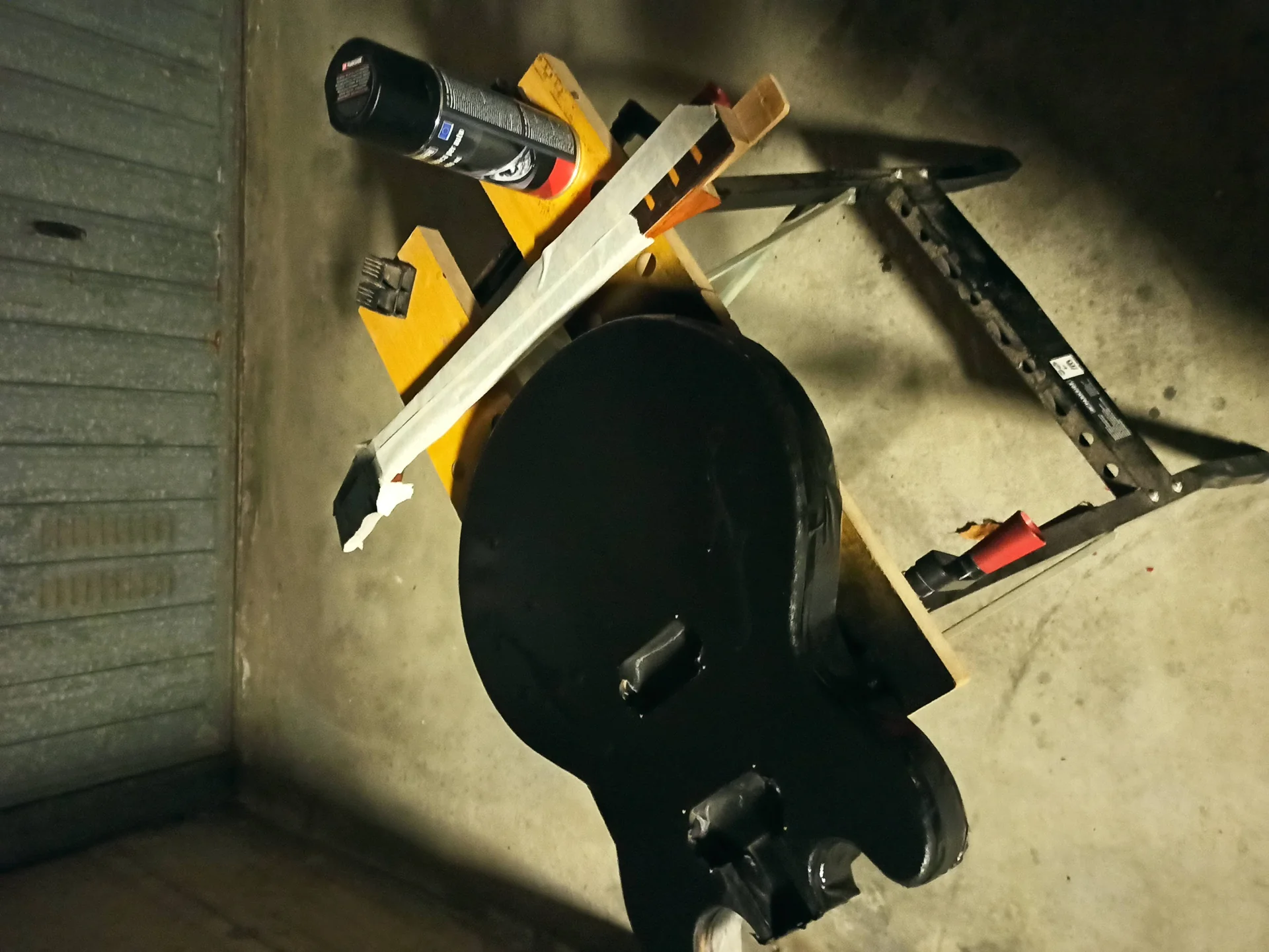
When talking about 80s guitars, it's inevitable to think of the two giants that had dominated the scene for decades: Fender and Gibson. But how did they react to the wave of innovation that was overwhelming the market? Let's just say it wasn't easy, and the results were a mix of successes and a few missteps.
Fender: The Age of the Superstrat
Advertising

Complete Guitar Wiring: Everything you need to understand, modify, and troubleshoot your guitar's wiring
See on Amazon

Fender's response was the birth of the "Superstrat." Initially, companies like Charvel and Jackson took the Stratocaster as a basis and radically modified it. Fender understood the lesson, albeit a little late.
In the mid-1980s, with the company's resurgence under Bill Schultz, Fender began producing more rock-oriented models. The American Standard series, launched in 1986, was a turning point. It reintroduced a more modern tremolo bridge (the two-point synchronized tremolo) and higher-performance pickups, while retaining the classic aesthetic.
But the real attempt to chase the Superstrats was with models like the Fender Contemporary Stratocaster or the HM Strat (Heavy Metal Strat), produced since 1988. These were Stratocasters with humbuckers at the bridge, fast necks, 24 frets, and in some cases, original Floyd Rose or Kahler bridges. They were a clear sign that Fender was trying to please a new generation of guitarists.
I had a Contemporary Stratocaster in my hands. It was a bit of a hybrid, with that Fender touch but unexpected versatility. It wasn't my cup of tea for blues, but for certain racy riffs, it did the trick. It was there that I realized that even a historic brand has to evolve, or risk being left behind.
Gibson: Between Tradition and Experimentation
Gibson, for its part, already had "aggressive" models like the Explorer and the Flying V in its catalog, which found fertile ground in the metal scene. But for the Les Paul, the queen of rock, the situation was different. The Les Paul was synonymous with sustain and a full-bodied sound, but also with weight and ergonomics that weren't always ideal for extreme shredding. In the '80s, Gibson was still under the management of Norlin, a period often criticized for production choices that had compromised perceived quality. However, they too attempted to modernize their offerings.Les Pauls were seen with Kahler bridges, more powerful humbuckers, and even somewhat bolder finishes. Models like the Les Paul Studio, introduced in 1983, sought to offer the Les Paul sound at a more affordable price, while remaining true to the aesthetic.
There were also more radical attempts, such as the series QMT (Quality Machine Tuners) or the US-1, which attempted to blend Gibson's heritage with a more modern aesthetic and active pickups. They didn't have the same impact as the Superstrats, but they demonstrated Gibson's desire to never stand still.
Gibson's problem, in my opinion, was that its identity was too tied to tradition. While Fender could "pervert" the Stratocaster into a Superstrat while maintaining a certain appeal, a Les Paul with a Floyd Rose turned many purists off. It's a bit like trying to turbocharge a vintage Vespa: it can be done, but it's no longer the same.
The Japanese and American Revolutions: Ibanez, Jackson, Charvel, Kramer
While the historic giants struggled to find their feet, there were other brands that, without the burden of such a cumbersome historical legacy, could dare. And so it was. The '80s were the launching pad for companies that defined the sound and aesthetic of that decade. We're talking about Ibanez, Jackson, Charvel, and Kramer. These brands didn't just change; they actually invented a new type of instrument.Ibanez: Japanese Speed
Ibanez, a Japanese brand, was one of the undisputed pioneers of the 80s guitars virtuosity-oriented. They understood what shred guitarists wanted before many others.Collaboration with artists like Steve Vai has given birth to models legendary. The Ibanez JEM, introduced in 1987, is perhaps the most striking example. With its Tree of Life inlays, Monkey Grip neck, and Edge bridge (one of the best alternatives to the Floyd Rose), it was a guitar that screamed "future.".
But the real icon for many was the Ibanez RG (Roadstar Guitar). Born in 1987, it was essentially a cheaper but equally high-performance version of the JEM, without some of its aesthetic eccentricities. The RG was distinguished by:
- Wizard Handle: Incredibly thin and flat, designed for maximum speed. At first, it almost seemed too thin, but after a while, I couldn't do without it for fast passages.
- Edge/Lo-Pro Edge Bridge: A floating tremolo system that guaranteed stable tuning even after the worst torture. Installing and adjusting it the first time was a nightmare, I admit. But once dialed in, it was rock solid.
- HSH or HH pickup configurations: Often with DiMarzio pickups (such as the famous PAF Pro or the Fred) or Ibanez V7/V8, for a sonic versatility that ranged from crystalline clean to the most aggressive crunch.
RGs became the guitars of choice for countless metal and fusion guitarists, from Paul Gilbert to Joe Satriani (who had his own signature JS series, also from Ibanez). They were war machines, built with the maniacal precision typical of Japanese production at the time.
Jackson and Charvel: From California to the Shred
The history of Jackson and Charvel is closely linked and begins in a small lutherie shop in Southern California. Grover Jackson, after acquiring Charvel, began building custom guitars for the most discerning guitarists. Charvel It was initially the brand for “hot-rodded Strats,” which were Stratocasters modified with humbuckers, non-Fender tremolos, and custom finishes. Eddie Van Halen, in his early years, used a modified Charvel that became the basis for his iconic Frankenstrat.Charvels were rugged, no-frills guitars, designed for playing and nothing more. They often had just one humbucker and one volume, making them direct and aggressive. Jackson, instead, was born to respond to more extreme requests. When Randy Rhoads, Ozzy Osbourne's guitarist, asked for a guitar with a unique design, the Jackson Rhoads (RR), with its unmistakable asymmetrical V shape.
Jackson guitars were often characterized by:
- Neck-Through Construction: The neck and body wings were made from a single piece of wood, ensuring incredible sustain and stability. Building like this is no joke, I tell you from experience!
- Extreme finishes: Bright colors, elaborate graphics (often “cracked mirror” or “splatter”), and aggressive shapes.
- Powerful pickups: Seymour Duncans (like the JB or Distortion) were the common choice, for a powerful, cutting sound.
- Quick handles: Similar to Ibanez Wizards, with ebony or rosewood fingerboards and often compound radius for optimal playability across the entire fingerboard.
Models like the Jackson Soloist (another neck-through icon) and the Jackson Dinky (bolt-on, cheaper but just as effective) became the weapons of choice for guitarists like Metallica's Kirk Hammett and Marty Friedman. They were guitars with soul, made for pushing the limits.
Kramer: The King of Floyd Rose
Kramer Guitars is another name that resonates loudly when talking about 80s guitars. Their success is inextricably linked to one name: Eddie Van Halen. After his early experiences with Charvel, Eddie became the face of Kramer, particularly with the model Baretta.Kramer had the vision to fully embrace the Floyd Rose tremolo system. Many of their models came standard with an original Floyd Rose, making it possible for many guitarists to do extreme dive bombs without losing their tuning.
The Kramers were distinguished by:
- Floyd Rose: Their strong point: a system that, while complex to set up (and trust me, it's a bit confusing at first trying to understand how the spring balance works), was revolutionary for tuning stability.
- Maple Necks: Often with maple fingerboards, for a brighter attack.
- Bridge Humbucker: Most often a single humbucker (DiMarzio or Seymour Duncan) for a direct and powerful sound, sometimes flanked by single coils in the middle and neck positions.
There Kramer Baretta and the Pacer They were the benchmark guitars for a generation of rockers. They were solid, high-performance, and relatively affordable. I had the opportunity to get my hands on a Baretta reissue, and I have to say that the simplicity of the setup (one pickup, one volume, one Floyd) makes it an uncompromising rock machine. It's the kind of guitar that makes you say, "Pick up the guitar. Plug in. Play."“
Electronics and Hardware: The Heart of the Beast
The 80s guitars They weren't just beautiful to look at; they were also technological innovations. Their iconic sound came from a careful selection of electronics and hardware, designed for extreme performance. Here we delve into the heart of why they sounded the way they did.Pickups: The Quest for Power
If there's one thing that defines the sound of guitars of that decade, it's pickups. Guitarists wanted more gain, more sustain, more attack. Traditional single-coil pickups, beloved as they were, struggled to compete with high-gain amplifiers without unwanted hum and feedback.The solution? The humbuckers, and not only.
- DiMarzio Super Distortion: Launched in the '70s but exploding in the '80s, it was one of the first high-output aftermarket pickups. Its warm, powerful, and compressed sound made it perfect for rock and metal. I installed it on a modified Strat of mine, and boy, does it radically change the sound. It's a boost of aggression that pulls incredible energy out of your speakers.
- EMG 81/85: These active pickups revolutionized the world of metal. Powered by a 9V battery, they offered enormous output, almost zero noise, and an incredibly defined and compressed sound, perfect for fast riffs and palm muting. I've owned a guitar with EMGs, and the difference in dynamics and clarity compared to passive pickups is palpable. They require a little more maintenance (changing the battery every now and then), but the aggressive, surgical sound is worth it.
- Seymour Duncan JB/Distortion: Other classics. The JB (Jeff Beck Model) became a benchmark for rock and hard rock, offering a blend of warmth, power, and clarity. The Distortion, as the name suggests, was designed for the most extreme metal, with extremely high output and a cutting attack.
The choice of pickup is never a casual one; it's the heart of the sound. If you want to get close to that sound, the pickup is the first component you should work on.
Jumpers: Stability and Acrobatics
The tremolo bridge It was another battleground for innovation. The Stratocaster's synchronized tremolo was limited; guitarists wanted to be able to abuse the tremolo arm without the guitar falling out of tune with every bend.The answer came from two names:
- Floyd Rose: Without a doubt, the king of tremolos of the '80s. Invented by Floyd D. Rose, this double-locking system (one at the nut and one at the bridge) allowed for extreme dive bombs, artificial harmonics, and all sorts of other tricks without losing your tuning. Setting it up is an art, I tell you from experience: balancing the springs, adjusting the height, intonation... it takes a bit of study. But once you learn, it's a breeze. For those who want a more in-depth technical explanation, I recommend a great article on the history and function of the Floyd Rose, like this one on Guitar World, which explains its origins and impact well: The History Of The Floyd Rose Tremolo.
- Kahler: A less common but equally valid alternative to the Floyd Rose, the Kahler is a cam-based bridge, meaning it doesn't have blades like the Floyd. It was often preferred for its softer feel and ease of adjustment, although it was somewhat less extreme in terms of stability than the Floyd Rose with its blocks.
Understanding how these bridges work is crucial if you're thinking of getting your hands on one of these. 80s guitars. They are not “plug and play” like a fixed bridge, they require attention and a little practice for maintenance.
Handles: Speed First
The 1980s also saw significant evolution in guitar necks. The trend was clear: thinner, flatter, and faster necks.- Slim profile: Profiles like Ibanez's "Wizard" became standard. They allowed guitarists to move across the fretboard with a speed and fluidity unheard of on thicker necks.
- Compound radius: Many guitars, especially Jackson and Charvel, used a compound radius. This means that the fingerboard is curved more at the nut to make chording easier, and becomes flatter towards the bridge to make high-speed bending and soloing easier, while preventing string buzz.
- Jumbo Keys: Larger, higher frets were the norm, for easier playing and greater sustain.
For those of us who are used to rounder handles, it might seem strange at first. But after a while, you get used to it and appreciate how easy it is to perform technical moves.
The Sound of the '80s: How to Replicate It Today
So, after all this history, the question is: how do you get that sound of the 80s guitars Today? Not everyone has the budget or the luck to find an original Kramer Baretta or Ibanez JEM from those years. But that's the beauty of DIY: we can recreate that vibe with our own hands.What to Look for in a Used (or New) Guitar
If you're looking for a guitar that has that '80s feel, here's what you should consider:- Bridge Humbucker: It's almost a prerequisite. Look for guitars with high-output humbuckers, or plan to replace them. DiMarzio Super Distortion, Seymour Duncan JB, or EMG 81/85 are excellent starting points.
- Floating lever bridge: A Floyd Rose (or a good licensed one) is essential for the acrobatics that are typical of that sound. If you don't want to immediately spend on an original, there are excellent alternatives on the market that hold their tuning well.
- Quick handle: A slim profile and a fingerboard with jumbo frets will help you reach those speeds. Many modern guitars, even inexpensive ones, already offer very high-performance necks.
- Wood: Maple was often used for the neck and basswood or alder for the body. These woods tend to have a brighter sound and a quicker attack, perfect for hard rock.
Don't be afraid to look at more recent models inspired by that era. Many manufacturers, like Ibanez, Jackson, and Charvel, still produce guitars with those specifications, perhaps with some modern improvements.
Modifying Your Guitar for an '80s Sound
The most fun (and often cheap) way to get that sound is modify your guitar I've been there, too, turning a cheap Stratocaster into a rock machine.Here are some steps I've experimented with:
- Pickup Gearbox: The first and most important upgrade. If you have a single-coil Strat, you could put a humbucker in the bridge position (the HSS configuration is a classic) or even two humbuckers. If you already have humbuckers, try models with higher output and a more aggressive sound. This is the change that will give you the most noticeable results.
- Installing a Floating Tremolo: This is a more involved step. If your guitar has a vintage tremolo, you may want to replace it with a Floyd Rose. It requires milling the body and some precision work. If you're unsure, it's best to hire a luthier, or if you're a DIYer, study the guides carefully and take the measurements very carefully. I did this on a junk guitar before attempting the "good" one.
- Handle Setting: If your neck isn't fast enough, you could set it up with a low action and maybe polish the frets. Sometimes, this alone can improve playability.
- Simplified Electronics: Many '80s guitars had a simple setup: one volume, one tone, and that's it. You might consider simplifying your wiring, perhaps eliminating a tone pot for a more direct sound.
Remember, you don't have to spend a fortune. With a good pickup, a careful setup, and maybe some targeted hardware modifications, you can get very close to that era-defining sound. That's the beauty of DIY: with a little patience and the right tools, you can transform your instrument into your sonic dream.
Practical Advice: Amplifier and Effects
Let's not forget that the guitar is only part of the equation. For the '80s sound, the amp and effects are crucial.- Amplifiers: The Marshall JCM800 or JCM900 are the quintessential amplifiers of that decade. Today, there are many clones or amplifiers inspired by that high-gain sound. Even a good overdrive/distortion pedal can transform a cleaner amp.
- Effects: Chorus, delay, and reverb were ubiquitous. A good analog chorus can give you that wide, sparkling sound, while a delay set to short times adds texture. And let's not forget the wah!
The combination of these elements is what creates the magic. Don't just focus on the guitar, but think about the entire signal chain.
The Legacy of '80s Guitars
In the end, what remains of those 80s guitarsNot just a slightly over-the-top aesthetic, but a legacy of innovation and breaking with tradition. They demonstrated that the electric guitar could still evolve, adapt to new musical needs, and push the limits of performance.Many of the concepts introduced in those years—fast necks, high-stability floating bridges, high-output pickups—have become standards or been refined in the decades since. Superstrats remain one of the most popular guitars in the world today, a testament to the validity of those insights.
For me, guitars from that period are a reminder that you shouldn't be afraid to experiment. Even if a certain aesthetic or technical approach seems strange at first, it's always worth trying. You might discover a new dimension of sound, a new way of expressing yourself.
So, the next time you see a guitar with pointed shapes, neon colors, and a shiny Floyd Rose, don't just think of it as a kitsch object. Think of the revolution it represented, the hands that played it, and the nights spent in the garage trying to figure out how to make it sound its best. And if you feel like getting your hands on it, remember: if I could do it, you can too! All it takes is a little desire, a few tools, and the right passion.
See also
Download the Luthier Survival Kit
Free PDF with checklist, problem-cause table and project card template.
 English
  Italiano
Stuck on your build?
If you ran into the same problem or have a question, drop it in the comments. I read and reply to every one.
Write a comment