


Vintage guitar keys: from origins to myth
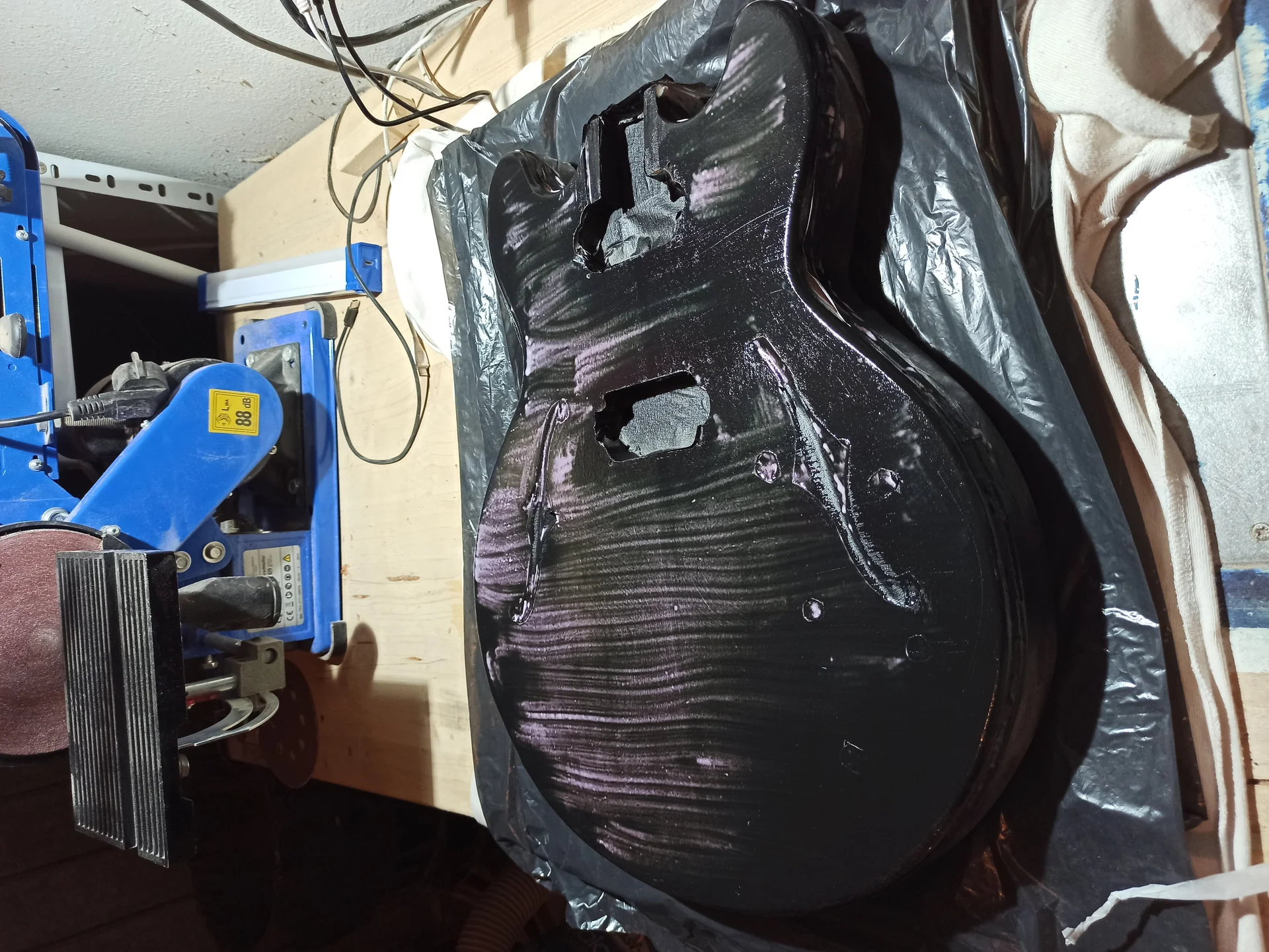
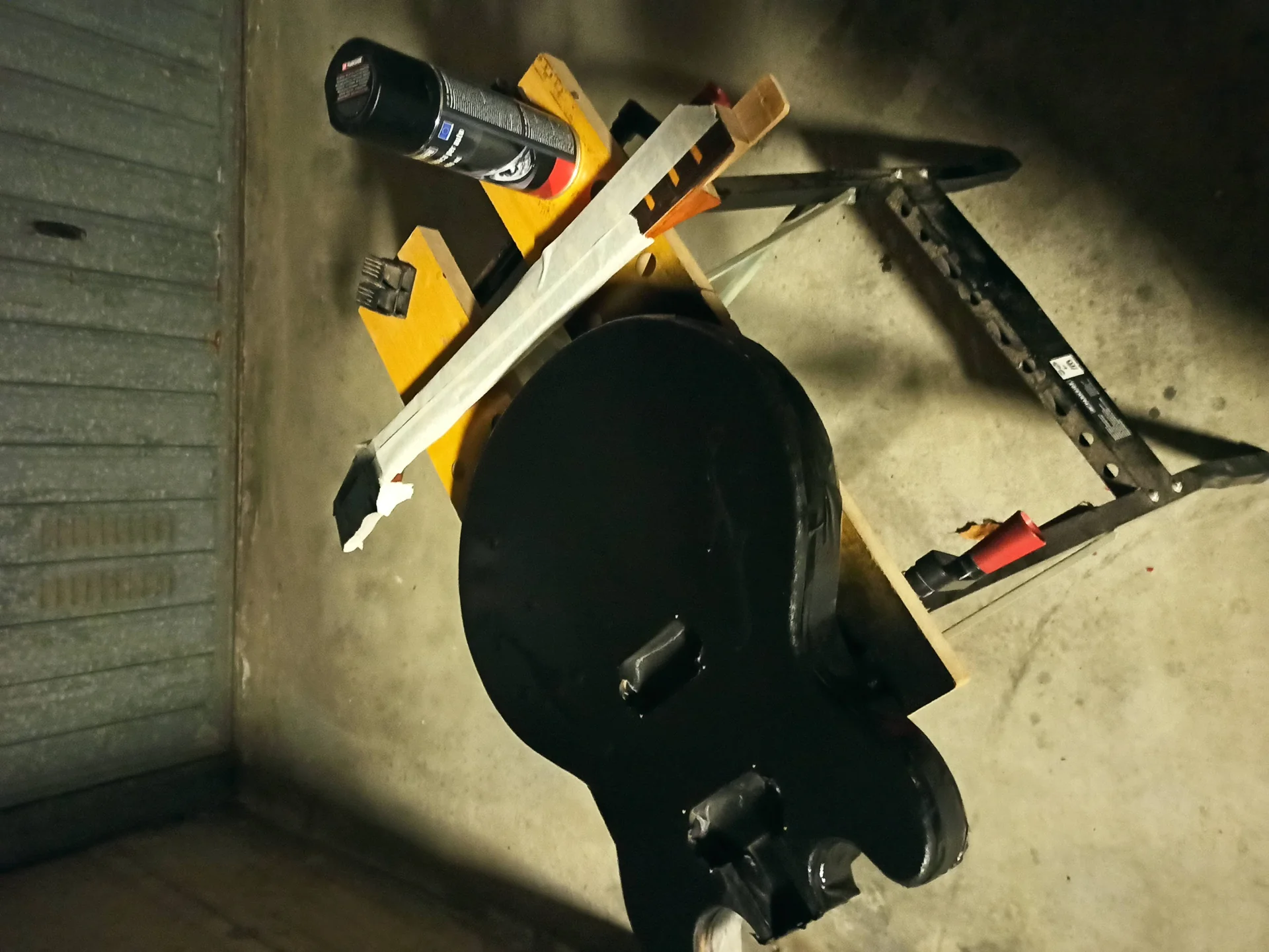
So, guys, let's be clear: when you think of a "vintage" guitar, the first thing that catches your eye is perhaps the relic finish, or a particular pickup. But there's a detail, often overlooked, that greatly affects the feel and sound, and which for me was a real journey of discovery: the vintage guitar keys. Yes, those little metal bars that all look the same, but aren't at all.I cursed them, I loved them, I replaced them, and I even mounted them on a neck I was building from scratch in my garage. And every time I learned something. I'm not a professional luthier, you understand. I'm someone who, like you, has taken apart and reassembled, made a mistake, and redone from scratch. And I assure you, frets are fun to work with.
In this article, I don't want to give you an academic lecture. I want to tell you a story. The story of how these small pieces of metal were born, evolved, and shaped the sound and playability of the guitars we consider legendary today. And, perhaps, I'll give you some ideas to understand if the vintage guitar keys they're for you, or if it's time for a change of scenery.nn
When it all began: the origins of the keys and the first experiments
nn nnnnnn
If there's one thing that has always fascinated me in the history of the electric guitar, it's how two such different construction philosophies gave birth to iconic instruments, each with its own soul. And the frets, believe me, played a fundamental role in this dichotomy.nn
Leo's Way: Thin Keys and Californian Twang
nnnn
nLeo Fender was a genius, yes, but also a practical man. His goal was to produce guitars efficiently, that were robust and that musicians could easily repair. His Telecaster and Stratocaster from the early 1950s featured vintage keys Narrow and low, often referred to as “vintage small” or “6230.” We’re talking about 1.5 mm wide and 1 mm tall. Tiny stuff!Why this choice? First of all, as we said, the strings back then were much harder. A low action, as we understand it today, was almost impossible to achieve without the strings "scratching" on the frets. The smaller frets, paradoxically, allowed for greater intonation precision on necks with very curved radii (often 7.25 inches, like a bowl).
The feel was unique. You could really feel the wood of the fretboard under your fingers. For some, this gave them greater control, a more direct connection with the instrument. For others, it made bending a Herculean task, especially if you didn't have fingers of steel. But for country, primal blues, and rock...’
‘'nascent roll, that bright, ringing sound, with a percussive attack (the famous “twang” of the Telecaster), was perfect.
Think of Buddy Holly with his Strat, or James Burton with his Tele. They didn't do exaggerated bending like those who would come after. Their music required cleanliness, speed (for the time), and a crystal-clear sound. thin fret wires Fender's were an integral part of that sonic equation.
Production was another factor. Smaller frets were easier to install with the techniques of the time and required less material. Leo was a businessman, as well as an innovator. Every choice had a practical and economic sense.nn
The Gibson Tradition: More Generous Frets for Blues and Jazz
On the other side, in Michigan, there was Gibson. Their history was rooted in acoustic archtop guitars, instruments designed for remarkable volume and sustain. When they launched into electric, they brought this legacy with them.The first Les Pauls, the ES-335s, the SGs… generally had wider and slightly taller frets than the Fender ones. They weren't the modern "jumbo" ones yet, but they were close to what we now call "medium jumbo" or "vintage jumbo." We're talking about sizes like the 6150 (about 2.1mm wide by 1.0mm tall) or the 6130.
The philosophy was different. Gibson aimed for greater sustain, a rounder, warmer sound. Wider and higher frets allowed the strings to vibrate more freely, with less contact with the fingerboard. This also facilitated vibrato and bending, which were already fundamental techniques in blues and jazz.
Think of BB King with his Lucille, or Scotty Moore with his ES-295. Their style required expressiveness, fluid bends, total control over the note. fret wire Gibson's more generous pickups supported this need, giving the guitarist a feeling of “floating” on the fingerboard.
Les Paul himself, with his obsessive search for sustain and resonance, would have appreciated these dimensions. His collaboration with Gibson was fundamental in defining the standard of what would become an iconic sound.nn
The human context and the choices that made history
nnIt wasn't just about technical specifications. There were people, with their ideas, their preferences, their technological limits. Leo Fender who wanted a stable and easy-to-produce neck. Les Paul who wanted infinite sustain and incredible playability.These choices, dictated by the context of the era, shaped not only the sound but also the way guitarists learned to play. Those who started on a Strat with small frets developed a certain technique, those on a Les Paul another. And from there, musical genres, styles, and legends were born. It's fascinating to think about, isn't it? That such a small detail had such a big impact.nn
The Wave of Change: The Arrival of Jumbo Frets and the Rock Revolution
Advertising

StewMac Fret Rocker, The Original 4-in-1 Mini Straightedge Luthier Tool | Precision-Machined Stainless Steel, Locate High Frets Fast on Guitar and Bass, Four Edge Lengths for Any Fret Spacing
See on Amazon

The Roaring '60s and '70s: More Bend, More Sustain
In the late '60s and early '70s, rock was exploding. Guitarists like Jimi Hendrix, Eric Clapton, and Jimmy Page were pushing the limits of the instrument. Exaggerated bends, powerful vibrato, and prolonged sustain were the new buzzwords. And the little ones vintage guitar keys Fender's, iconic as they were, were starting to show their limits.Try bending a step and a half on a 6230 fret with "normal" action and a 7.25-inch radius. It's a struggle. The string ends up touching the fretboard, it "rushes," and the sound gets muted. Guitarists felt the need for something that would allow them to express themselves unhindered.
It was thus that, little by little, larger frets began to appear. Guitar manufacturers, and especially custom luthiers and modifiers, began to experiment with larger sizes. The idea was simple: taller frets keep the string further from the fretboard, allowing for wider and smoother bends, without the string encountering resistance.nn
The birth of the “jumbo”
The term "jumbo frets" began to circulate. There's no precise date, but it's a natural evolution dictated by market demand. These new frets were wider and, above all, taller. We're talking about sizes like the 6105 (2.29mm x 1.40mm) or the 6100 (2.79mm x 1.47mm), which became the standard for many rock and metal guitars.The feeling was completely different. Suddenly, my fingers barely touched the fretboard. It was like playing on rails. This made bending and vibrato much easier, and made legato playing much smoother. For those who played fast and technically, it was a real godsend.
I had my first experience with jumbo frets on a shredder guitar I bought used in the 90s. I was coming from a Squier Strat with its good small keys, and the transition was shocking. At first I felt like I had no control, the notes were slipping away. Then, when I learned to exploit them, I discovered a world of possibilities. Bending was something else, tapping was easier. It was like switching from a touring bike to a downhill mountain bike.
The debate: vintage vs. modern
This evolution created a sort of "watershed". On one side, there were the purists, those who loved the feel and sound of the vintage guitar keys, their connection to the keyboard, their character. On the other hand, there were the modernists, those who sought maximum playability, speed, and ease of performance.And the beauty is that there's no right or wrong. It's a matter of personal preference, musical style, and how you feel with the instrument in your hand. I myself, after years of jumbos, have returned to necks with smaller frets because my playing has changed. But on other guitars, for other genres, jumbos are irreplaceable.
This “fret revolution” demonstrated once again how even the smallest details can have an enormous impact on a guitarist's experience. And it taught us that there is no one-size-fits-all solution. The guitar is a personal journey, and every component is a stop along the way.nn
Anatomy of a Myth: What Does "Vintage Keys" Mean Today?“
Ok, we've taken a nice tour through history. But what does it mean, concretely, when we talk about it today? vintage guitar keysIt's not just a question of "old", but of precise specifications that recall a well-defined era and feeling.nnSize Matters: Numbers and Codes
When a manufacturer or luthier talks about vintage frets, they're referring to specific dimensions, usually expressed in millimeters (or inches, if using American standards) for width and height. The materials are almost always nickel-silver, an alloy that offers a good compromise between hardness and workability.The most common codes you will hear mentioned for the vintage keys I am:nn 6230 (or “vintage small”): These are the smallest, the true "original" Fender ones. We're talking about 1.5mm wide by 1.0mm tall. They're the ones you find on old Telecasters and Stratocasters. They feel like your fingers are in close contact with the fretboard. They require a certain amount of precision and firm pressure.
6105 (or “narrow tall”): A little wider than the 6230, but more importantly taller. About 2.29mm wide by 1.40mm tall. These are an excellent compromise for those who want a "vintage tone" but with a little more modern playability. You'll find them on many Fender reissues and on guitars looking for a classic feel but with a touch more ease for bending.
6150 (or “vintage jumbo”): They're not the extreme "jumbo" ones, but they're already a nice step up from the 6230s. They're about 2.1mm wide and 1.0mm tall. These are often associated with older Gibsons. They're wider than the 6230s, but not necessarily much taller. They offer slightly better sustain and a more "present" feel under the fingers.
Understanding these measurements is fundamental, especially if you're thinking about a refret or building a neck from scratch. It's not just a matter of aesthetics, but of how the guitar will sound and feel under your fingers.nn
Materials: classic nickel-silver
For the vintage guitar keys, the material is almost always nickel-silver (or nickel-silver). Despite the name, it does not contain silver, but an alloy of copper, nickel, and zinc. It has been the standard for decades for good reason:nn Workability: It is relatively easy to work with, bend and level.Sound: Many argue that it contributes to a warmer, softer tone than other materials.
Cost: It is economical compared to other metals.
The downside? It's relatively soft. This means it wears out faster, especially if you play a lot or use stainless steel strings. After years of use, you'll see those ugly “divots” under the strings, which can cause imprecise intonation and buzzing. And that's where refretting comes in.nIn recent years, more modern materials like stainless steel have emerged. These are incredibly hard, last a lifetime, and make the surface very smooth. But for vintage purists, it's not the same. The feeling is different, and some argue that the tone is brighter, almost “cold”.nn
Keyboard feel: contact vs. float
The biggest difference, beyond the measurements, is the feeling.nn With the small vintage keys (6230), your fingers feel the fretboard a lot. It's almost like playing on wood. This may feel more controlled for some, but it makes bending and vibrato more challenging, as the string is close to the wood and can “fret” if you press too hard or bend it too much.With larger frets (like modern jumbo), your fingers “float” above the fretboard. The string is raised, which facilitates extreme bends, wide vibratos, and very fluid legato. It's less tiring for the fingers, but for some, it can take away a bit of “connection” with the instrument.nThere's no right or wrong way. It's a personal choice that depends on your style, your finger strength, and the sound you're looking for. I, for example, installed 6105 frets on one of my custom Telecasters. I wanted a vintage feel, but with a minimum of extra comfort compared to the original small ones. And I'm very happy with it.nn
A practical tip: how to measure your frets
If you don't know what type of frets you have on your guitar, you can measure them with precision calipers.nn1. Clean the keys: Make sure there is no dirt or oxidation that could distort the measurement.n2. Measure your height: Place the caliper on top of the fret and measure down to the fingerboard.n3. Measure the width: Place the caliper on the top of the key and measure the width.Remember that frets wear out. If your guitar is played a lot, the measurements might be smaller than the original ones. This is a good indicator that it might be time for a leveling or a refret.nn
The myth and the reality: why vintage keys continue to seduce (and damn)
We've come to the point. Why, in an age where technology offers us stainless steel frets that last a lifetime and jumbo sizes that make bending a breeze, is there still this obsession with vintage guitar keys?nnThe allure of history and iconic sound
The first reason is, of course, history. vintage keys They're the ones who've shared the stage with the greatest. They're the ones who helped create the sound of Buddy Holly, Eric Clapton (with his early Strats), and many bluesmen. There's an aura of authenticity, a connection to the roots of electric music that's hard to ignore.Those seeking "true vintage sound" know that every component matters. And the frets are an integral part of that equation. The way a string interacts with a small, soft nickel-silver fret is different from how it interacts with a large, hard steel fret. And that difference, to a trained ear, is audible.
There's also a matter of feeling. For some, playing with small frets is like driving a vintage car: it requires more effort, more attention, but offers a sense of control and connection with the machine that a modern car, with all its electronic aids, cannot provide. It's a more “analog” experience.nn
The Pros and Cons of Vintage Keys Today
So, are they good or bad? It depends.nnPROS: Authentic feeling: If you love the feeling of having your fingers touching the keyboard.Tone: Many advocate a warmer, rounder, and “woodier” tone.
Aesthetics: On a replica or reissue guitar, they're just “right.”.
Precision: They can promote greater precision in chords and melodic lines.nnAGAINST: Wear: Nickel-silver wears faster, creating grooves.
Fretting out: On very steep radii (7.25″) and with large bends, the string can touch the fingerboard and become dampened.
Fatigue: They require more finger strength for bends and vibratos, and can be more tiring.
Leveling: They require more precise and frequent leveling.nn
Who should consider vintage keys?
If you are a guitarist who:He loves classic blues, country, rockabilly or surf rock.
It has a light touch and doesn't do extreme bending.
He prefers an “old school” feel and is not afraid to “work” the keyboard a little more.
He is restoring a vintage guitar or building a faithful replica.
Then the vintage guitar keys they might be the right choice for you.
If, on the other hand, you're a shredder, a metalhead, or simply someone who loves maximum speed and playability, you'll probably be better off with medium jumbo or stainless steel jumbo frets. And there's nothing wrong with that!nn
My experience and your next step
I remember when I refrenced my old Squier. The original frets were very worn, full of grooves. I opted for 6105s, a good compromise between vintage and modern. It was a long and meticulous job, but the satisfaction of hearing the guitar come to life under my fingers, with a completely new feel, was priceless. I won't deny that I cut a fret wrong and had to redo it, but that's the beauty of DIY, right?The most important thing is to experiment. If you have the opportunity, try different guitars with different types of frets. Feel the differences and understand what you like best. And don't be afraid to... modify your guitar. A refret is a major intervention, but it can transform an instrument.
If you'd like to delve deeper into the technical specifications of the various types of fret wire, I recommend checking out the StewMac charts, a reference for luthiers around the world. There, you'll find all the details on fret profiles and sizes, from smallest to largest: StewMac Fretwire.
In the end, the “myth” of the vintage guitar keys it's not just a matter of nostalgia. It's a testament to how even the smallest construction detail can have a profound impact on sound, feel, and the history of music. And understanding all of this, for me, is part of the fun. You never stop learning, and every guitar is a world to discover, fret by fret.nn
nn
Download the Luthier Survival Kit
Free PDF with checklist, problem-cause table and project card template.
 English
  Italiano
Stuck on your build?
If you ran into the same problem or have a question, drop it in the comments. I read and reply to every one.
Write a comment